
Topic Overview
AI prescription management and clinical workflow automation covers tools and implementations that use large language models, retrieval systems and low-code orchestration to streamline e‑prescribing, prior authorization, medication reconciliation, and clinician-facing documentation. As of early 2026, numerous state pilots and vendor solutions have moved beyond proof-of-concept toward integrated deployments that must balance speed, safety, and regulatory oversight. Key trends: vendors are embedding private, fine‑tunable LLMs and retrieval-augmented agents into EHR workflows; low-code/no-code platforms accelerate clinician-driven automation; and marketplaces and governance tooling simplify procurement and compliance. Representative technologies include Vertex AI for end‑to‑end model training, deployment and monitoring; Cohere for enterprise-private LLMs and embeddings; LangChain and LlamaIndex for building document agents and RAG pipelines against clinical records; OpenPipe for capturing interaction data, fine‑tuning and evaluation; MindStudio for no‑code agent design and rapid deployment; and Microsoft 365 Copilot for clinician productivity within office workflows. Operational priorities for pilots and early production use are interoperability (FHIR/HL7 APIs), auditable provenance and logging, model validation, PHI-safe hosting choices, and clear escalation paths for clinical risk. Regulatory and health-system stakeholders emphasize explainability, versioned audit trails, and standardized evaluation metrics for safety and efficacy. AI tool marketplaces and regulatory compliance tools help match solutions to organizational needs while providing documentation required for audits. This topic sits at the intersection of clinical operations, AI engineering and health policy: teams evaluating solutions should weigh model performance, integration effort, governance controls and vendor support to ensure automation reduces clinician burden without increasing safety or regulatory risk.
Tool Rankings – Top 6
AI assistant integrated across Microsoft 365 apps to boost productivity, creativity, and data insights.

Enterprise-focused LLM platform offering private, customizable models, embeddings, retrieval, and search.

Unified, fully-managed Google Cloud platform for building, training, deploying, and monitoring ML and GenAI models.

Engineering platform and open-source frameworks to build, test, and deploy reliable AI agents.

Developer-focused platform to build AI document agents, orchestrate workflows, and scale RAG across enterprises.

Managed platform to collect LLM interaction data, fine-tune models, evaluate them, and host optimized inference.
Latest Articles (76)
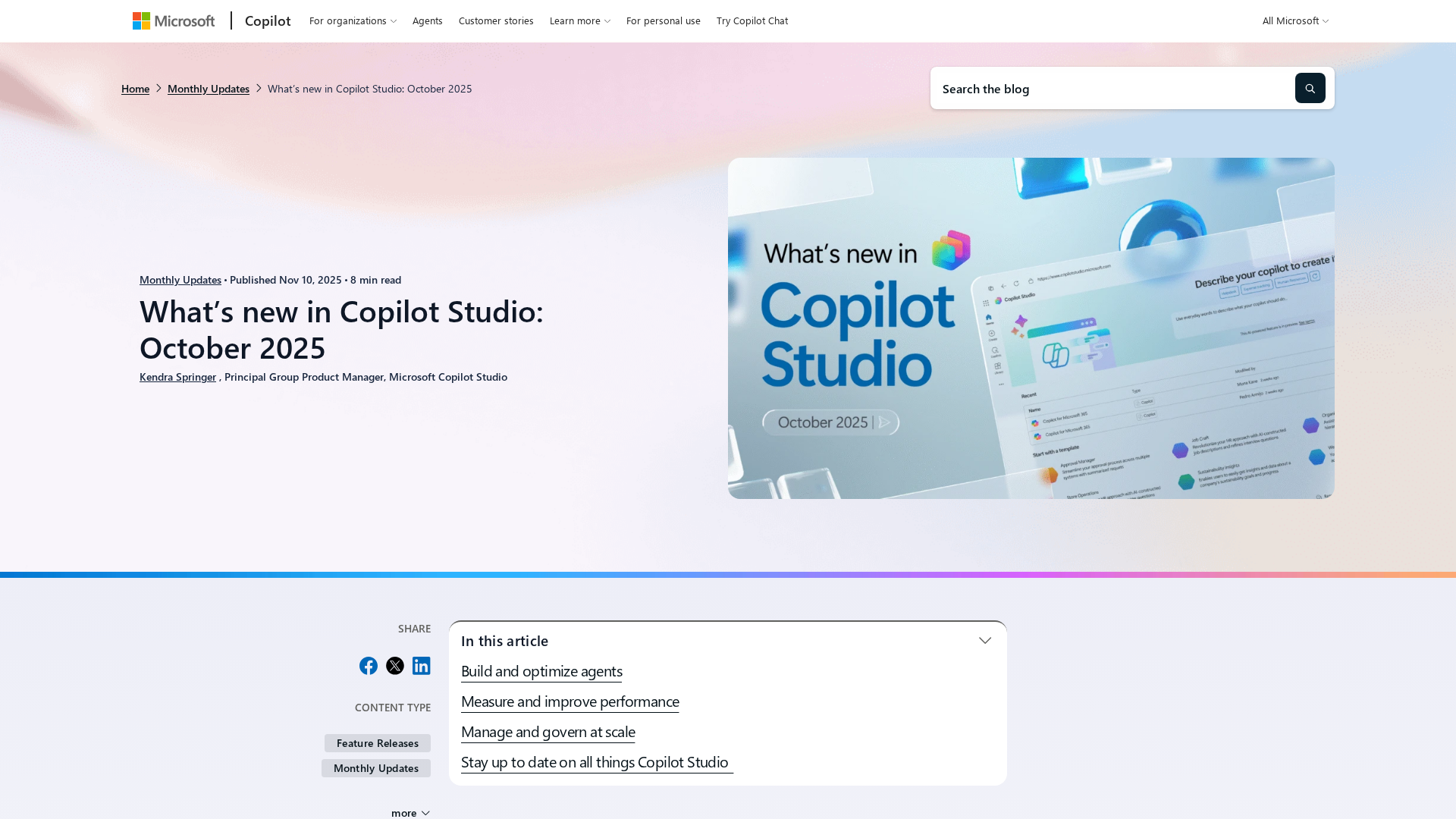
A comprehensive October 2025 roundup of Copilot Studio’s new testing, model, and governance features.
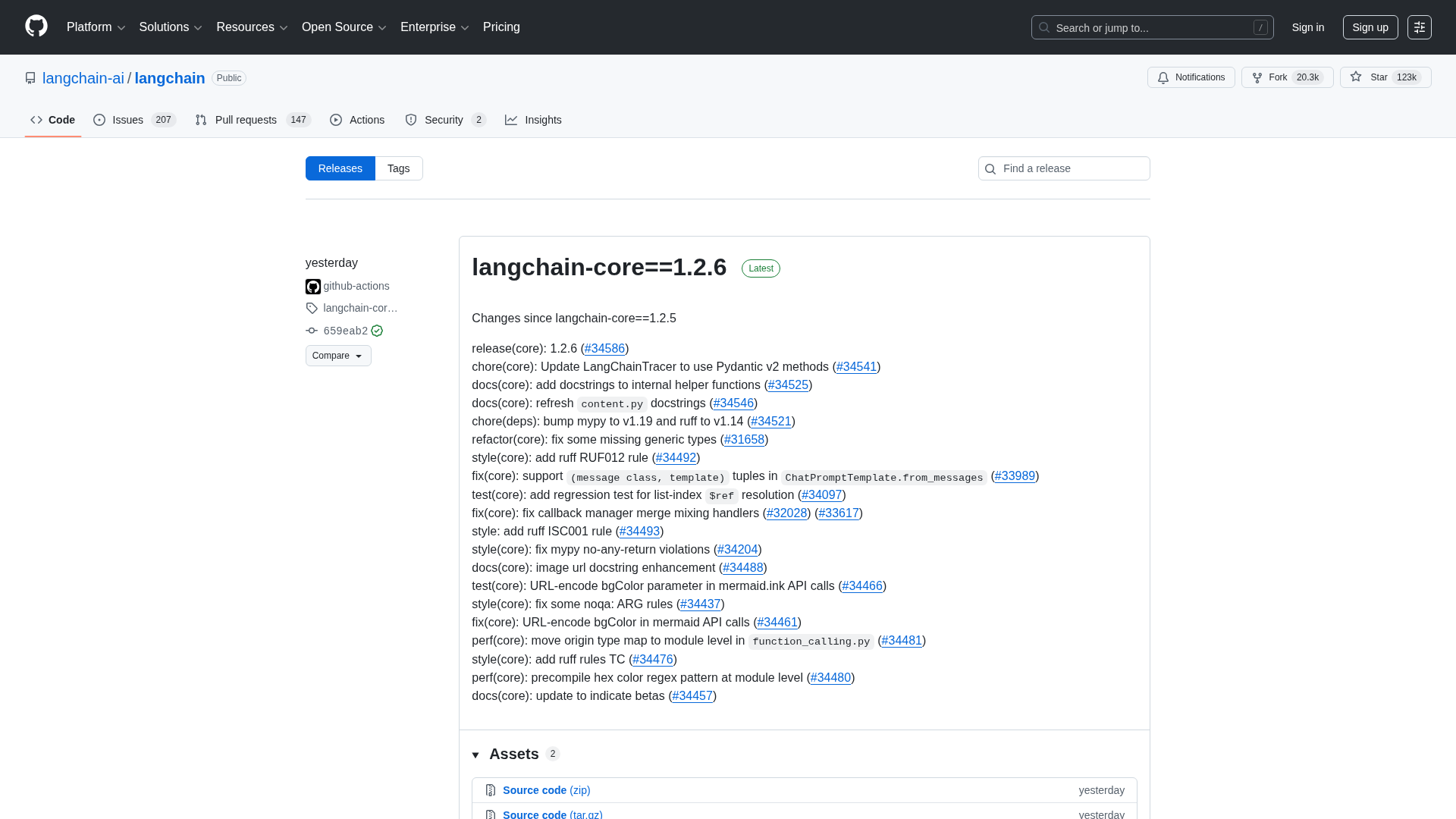
A comprehensive LangChain releases roundup detailing Core 1.2.6 and interconnected updates across XAI, OpenAI, Classic, and tests.
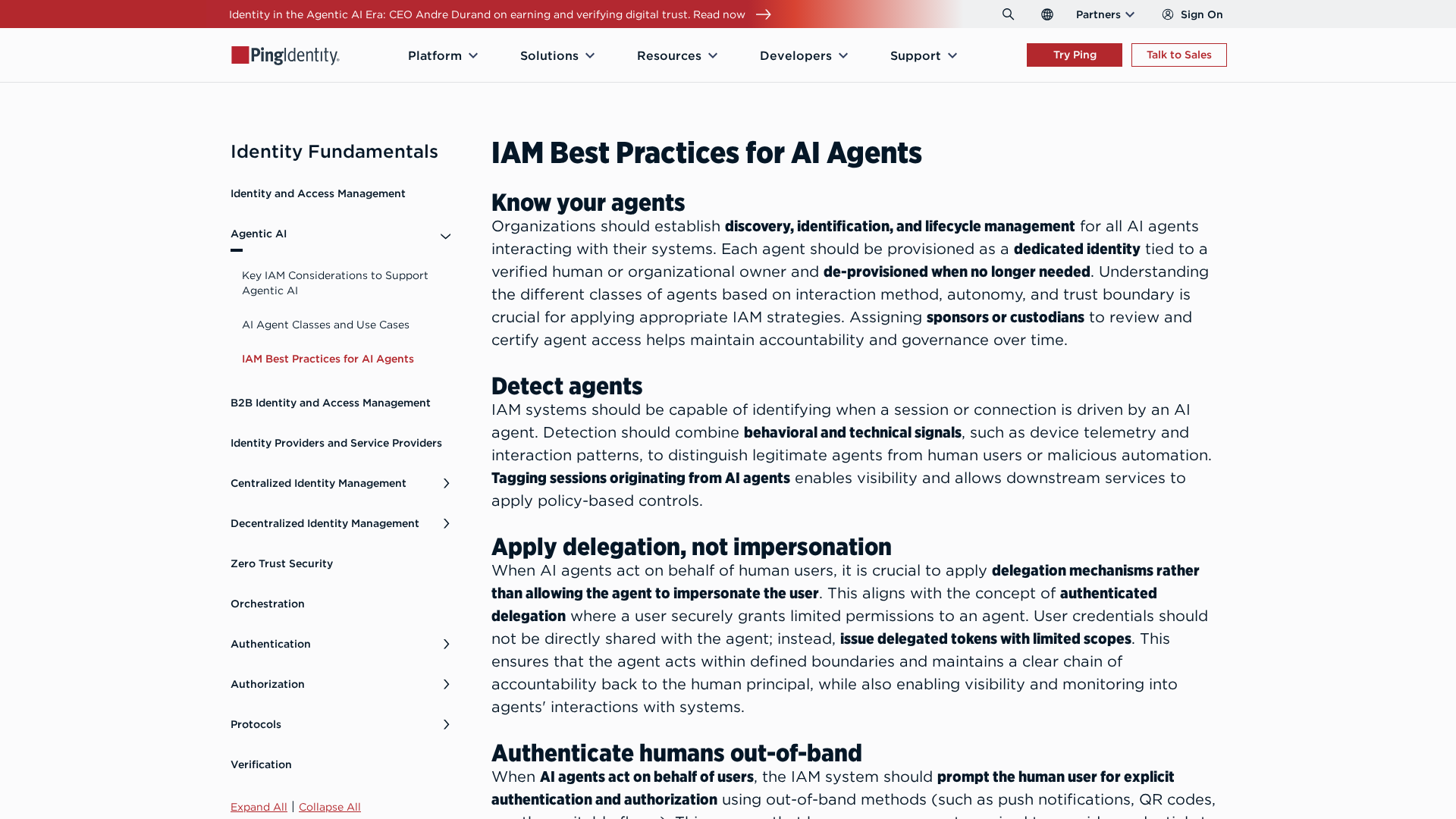
Best-practices for securing AI agents with identity management, delegated access, least privilege, and human oversight.

Cannot access the article content due to an access-denied error, preventing summarization.

A quick preview of POE-POE's pros and cons as seen in G2 reviews.