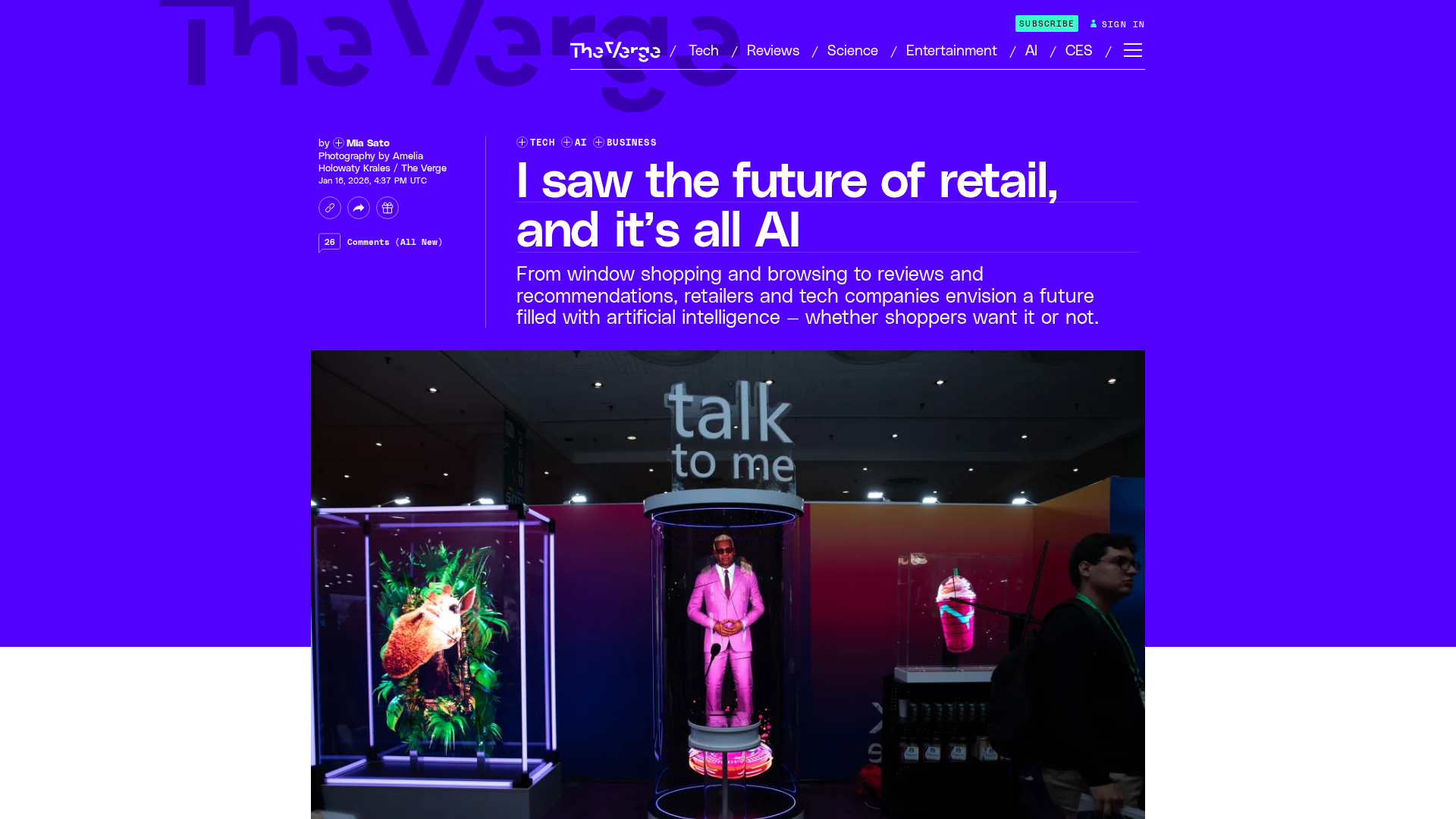
Topic Overview
AI Shopping and Commerce Platforms/Protocols cover the software, browser extensions, and emerging interoperability standards that connect discovery, personalization, merchandising, and post‑purchase operations across channels. As commerce fragments across marketplaces, direct‑to‑consumer sites, POS systems and social touchpoints, brands and retailers are increasingly adopting AI to unify data, automate CX, and surface the right product at the right time. Key capabilities include omnichannel measurement and profitability (Dema.ai), first‑party audience segmentation and activation (FULLVENUE), and AI + human marketing orchestration (Katalis AI). Consumer‑facing shopping assistants such as Penny AI and ShopGuru provide in‑page price comparisons and review synthesis that accelerate purchase decisions. CX automation platforms and plug‑and‑play chatbots like Verifast handle guided selling and 24/7 support, while content tools—CopyMonkey for optimized marketplace listings and Lily AI for product enrichment—improve discoverability across search and ads. Pixite and similar services close the loop by generating bespoke product designs and managing production for on‑demand commerce. On the protocol side, initiatives around a Universal Commerce Protocol aim to standardize how product, inventory, promotion and conversational intents flow between agents, storefronts and marketplaces—enabling composable retail stacks and safer use of first‑party data. As of early 2026, the most relevant trends are AI orchestration, composable commerce, privacy‑first data strategies, and a split between consumer assistants and enterprise-grade automation. Together these tools and protocols reduce friction across the customer journey, speed content and campaign execution, and make cross‑channel measurement and personalization more operationally tractable.
Tool Rankings – Top 6

An omnichannel commerce intelligence platform delivering real-time profitability and unified measurement.

AI marketing platform that turns first‑party customer data into actionable audiences to boost acquisition and retention.

AI-powered marketing partner combining autonomous agents (LARA, NIKO) with human strategists to automate and optimize e‑

Free Chrome extension AI shopping assistant that compares prices and summarizes pros and cons.
A Chrome extension that analyzes Amazon reviews to answer product questions with trusted, product-specific information.

Breeze — HubSpot’s unified, context-aware AI suite embedded across its Customer Platform.
Latest Articles (65)
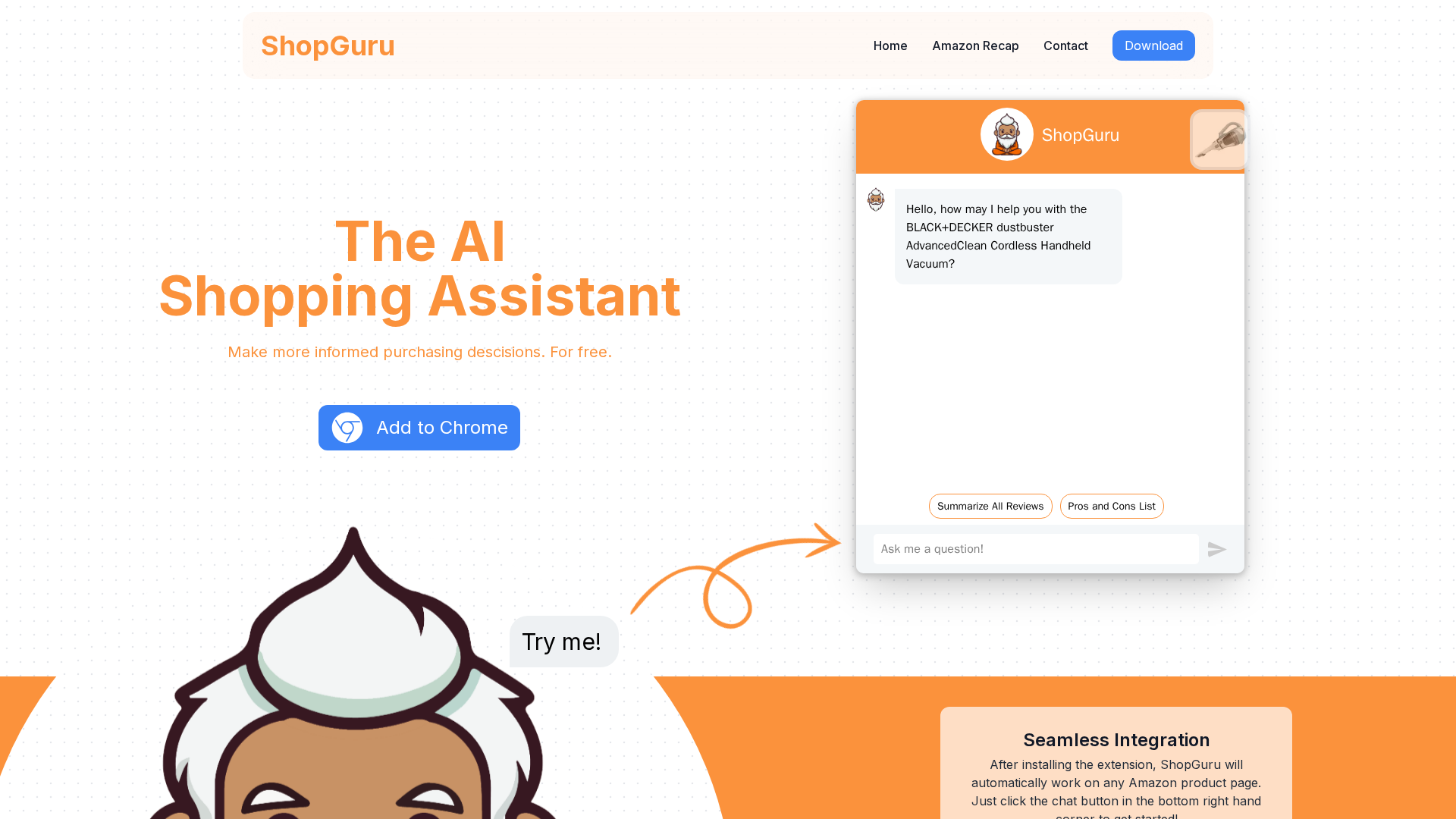
Free browser extension that analyzes Amazon reviews to answer questions with product-specific information.

Adobe buys Semrush for $1.9B, signaling AI-powered marketing shifts amid a busy adtech news roundup.
Adobe to acquire Semrush for $1.9B in an all-cash deal to boost brand visibility with GEO/SEO and AI-driven marketing.
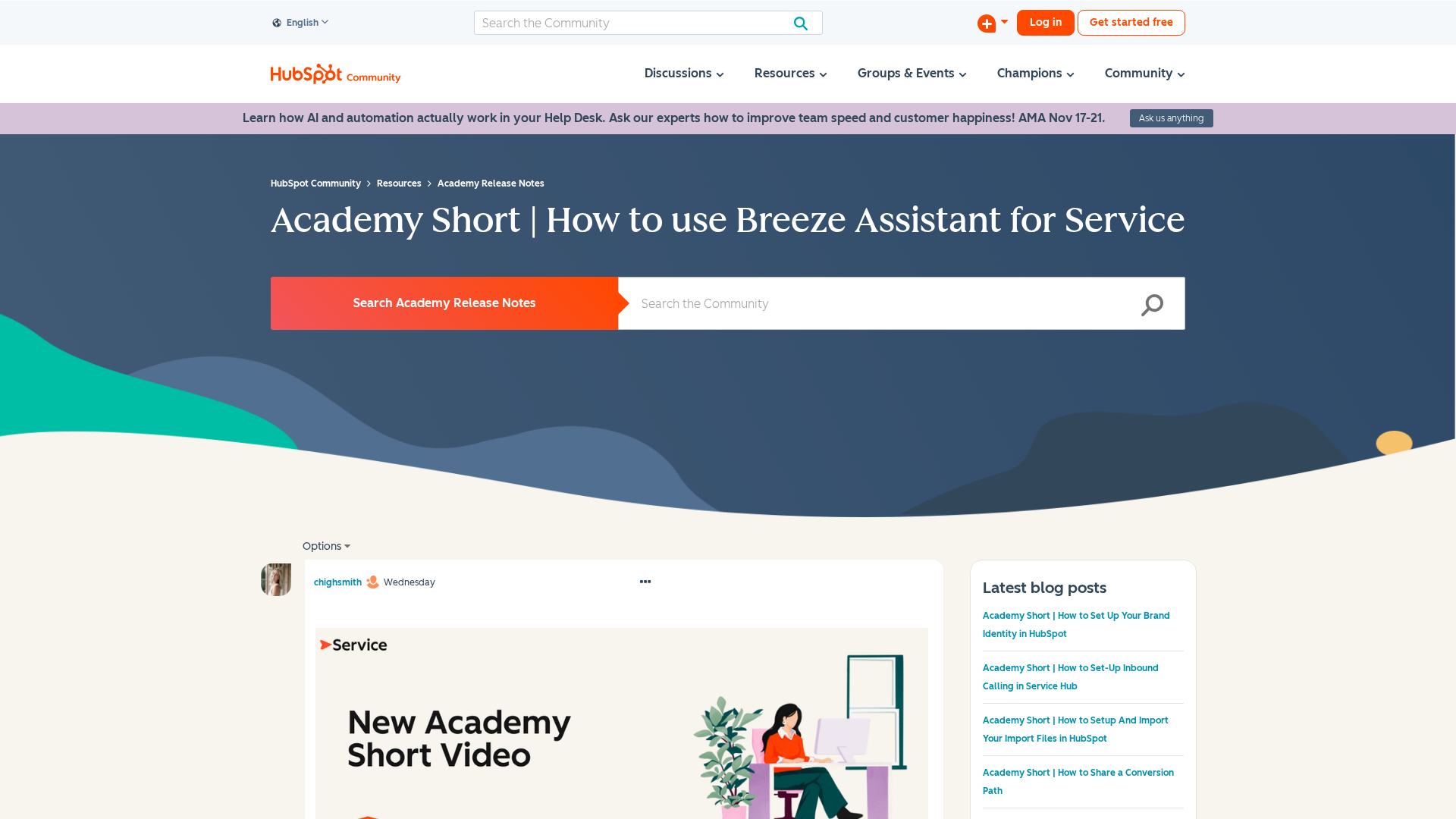
A quick, practical guide showing how Breeze Assistant boosts service speed and resolution quality.
A concise guide showing how Breeze Assistant powers faster tasks and more closed deals in sales workflows.