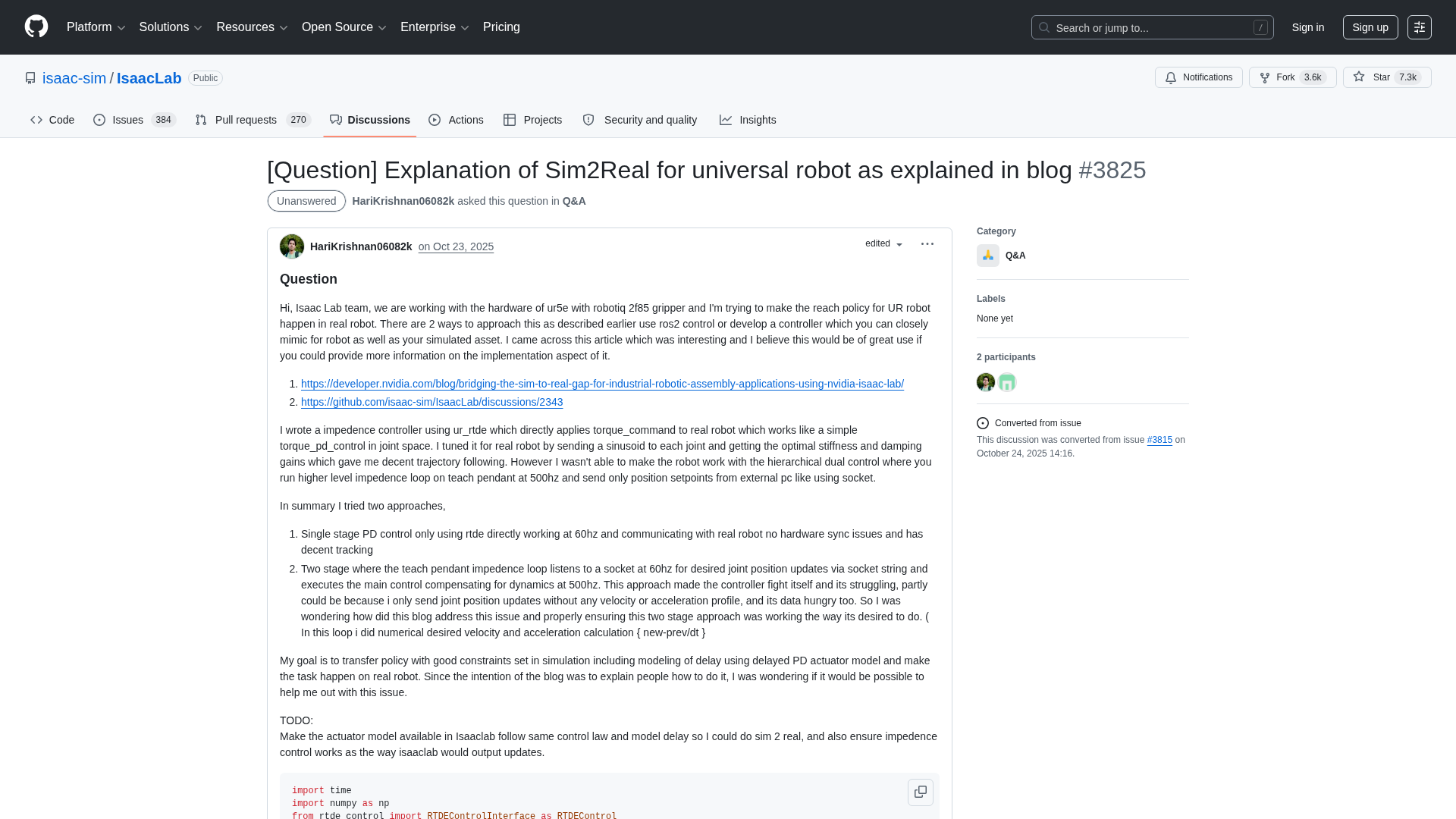
Topic Overview
This topic examines how two complementary approaches—NVIDIA’s ecosystem of simulation, edge compute and digital‑twin tools versus modular robotics AI frameworks—are being used to build, test and operate robots and virtual replicas. It is focused on the practical stack layers: Edge AI vision platforms for real‑time perception, 3D model generation and simulation for digital twins, AI data platforms for labeling and retrieval, and agent frameworks that orchestrate autonomy and workflows. Relevance and timing: organizations are moving from isolated research prototypes to continuous deployment: on‑device inference at the edge, simulation-driven validation, and LLM/agent integration for higher‑level orchestration. NVIDIA’s offerings (Jetson for edge compute, Isaac/Omniverse for physics‑aware simulation and digital twins) address tight integration between realistic 3D simulation and GPU‑accelerated inference. In parallel, open agent and integration frameworks—exemplified by LangChain and specialist platforms like CargoBrain—connect multimodal LLMs and task agents to robotic workflows. Enterprise LLM and inference providers such as Cohere and Google Gemini supply private or multimodal models used for language, retrieval and decision layers, while developer tools like GitHub Copilot accelerate code development and iteration. Key use cases include intralogistics and warehouse digitization (e.g., Gather AI’s drone and camera audits), air‑cargo automation, and simulation‑led testing pipelines for safety and scale. The practical tradeoffs are integration and tooling: NVIDIA’s tightly coupled simulation-to-edge path simplifies physics‑accurate testing and deployment, while modular frameworks offer flexibility to mix LLMs, agent logic and domain‑specific services. Evaluations should consider sim‑to‑real fidelity, on‑device latency and update workflows for continuous learning and safety.
Tool Rankings – Top 6

AI-driven intralogistics platform using autonomous drones and computer vision to digitize warehouses and provide real‑t

An open-source framework and platform to build, observe, and deploy reliable AI agents.
AI Agents for Air Cargo

Enterprise-focused LLM platform offering private, customizable models, embeddings, retrieval, and search.
Google’s multimodal family of generative AI models and APIs for developers and enterprises.

An AI pair programmer that gives code completions, chat help, and autonomous agent workflows across editors, theterminal
Latest Articles (45)
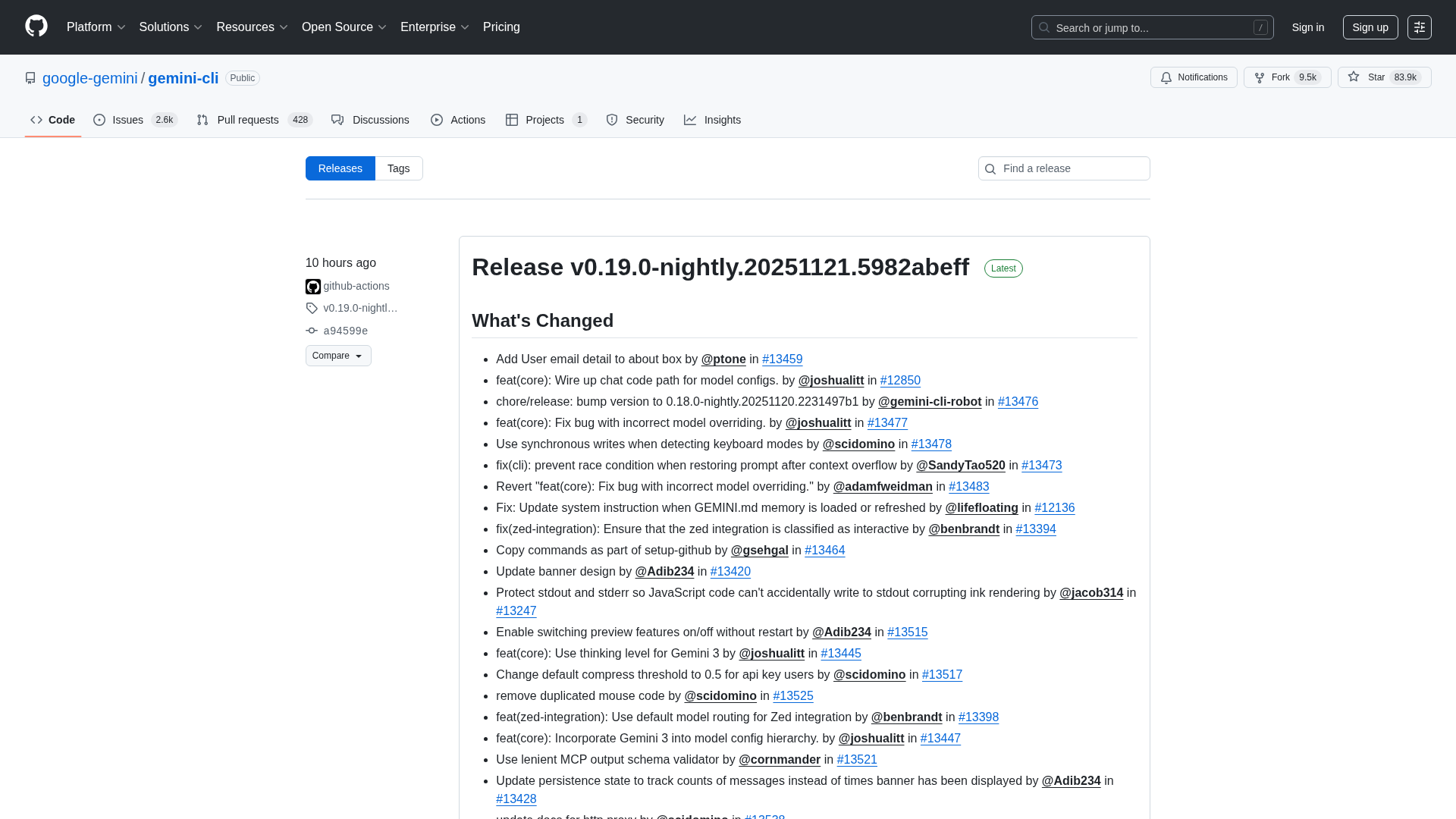
Overview of the Gemini CLI v0.36.0-preview release series, highlighting architectural, CLI, and UI changelogs across multiple pre-release versions.
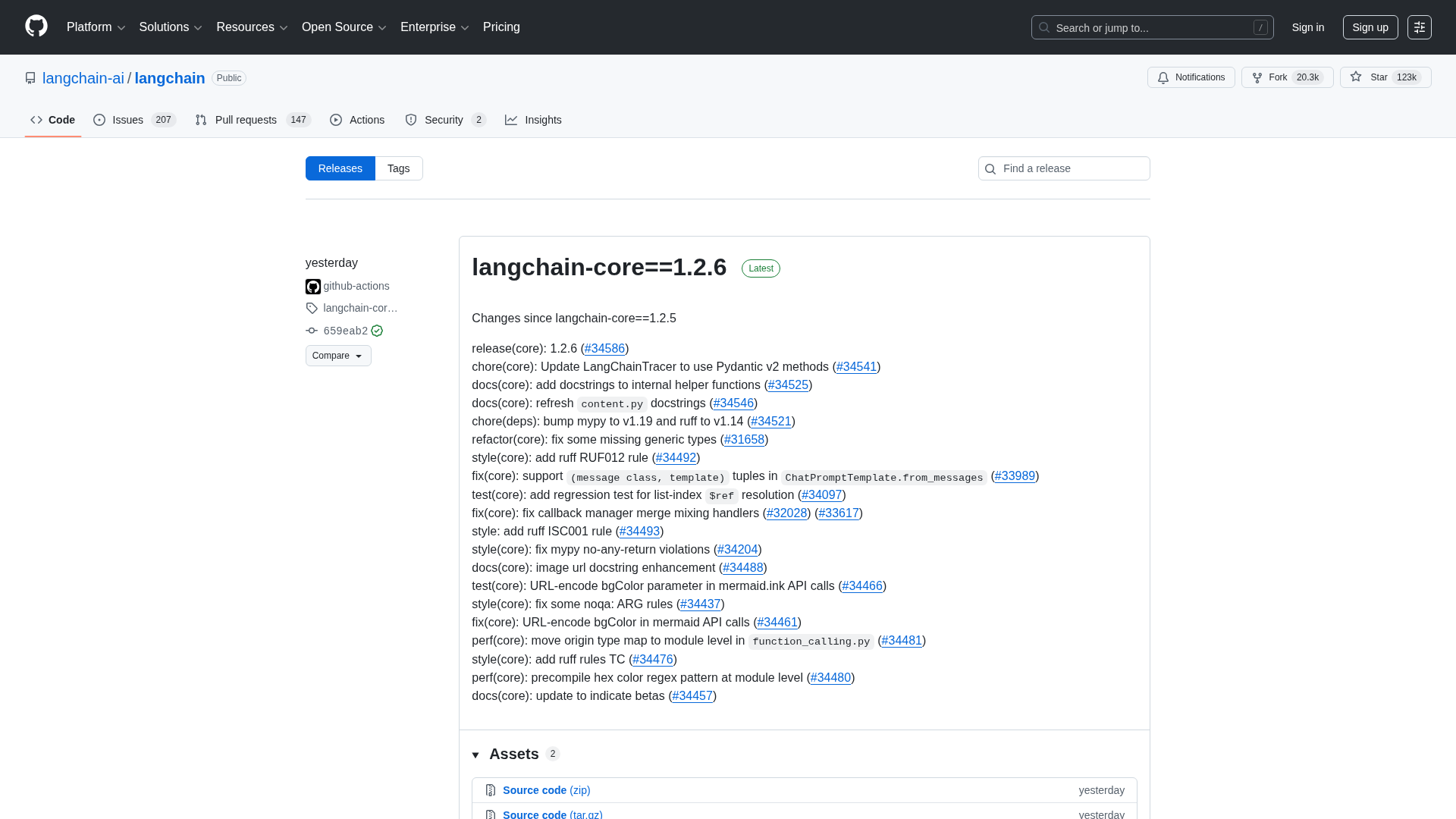
A comprehensive LangChain releases roundup detailing Core 1.2.6 and interconnected updates across XAI, OpenAI, Classic, and tests.
A reproducible bug where LangGraph with Gemini ignores tool results when a PDF is provided, even though the tool call succeeds.
A CLI tool to pull LangSmith traces and threads directly into your terminal for fast debugging and automation.
A practical guide to debugging deep agents with LangSmith using tracing, Polly AI analysis, and the LangSmith Fetch CLI.