Topic Overview
AI voice and speech synthesis in 2026 covers a spectrum from studio-grade text‑to‑speech (TTS) and high-fidelity voice cloning to real‑time phone agents and meeting assistants. Advances have pushed quality and low latency into production use: platforms like ElevenLabs and Murf AI offer expressive TTS, voice cloning and transcription pipelines; Smallest.ai emphasizes sub-second, emotion‑aware TTS; Podcastle integrates recording, editing, dubbing and cloning for spoken‑word creators; and specialist systems such as Vocea and ZenCall.ai combine speech‑to‑text, LLMs and TTS to run live phone agents. Conversation intelligence and meeting tools (Fireflies, Hedy 2.0) layer speaker labeling, summary generation and coaching on top of real‑time transcription. This topic is timely because real‑time voice agents and universally high‑fidelity TTS are moving from lab demos to operational services, raising new operational and ethical questions. Deployment decisions now weigh objective audio metrics (MOS, speaker similarity), latency and multilingual coverage against privacy, consent, provenance and deepfake risk. Key considerations include APIs and on‑device vs cloud tradeoffs, integration with LLMs for context-aware responses, robustness to noisy audio, and compliance for regulated contexts. Practical use cases span customer service automation, accessible media dubbing and audiobooks, podcast production, and meeting automation, but each requires guardrails: explicit consent for voice cloning, watermarking/provenance for synthetic audio, retention/purge policies for transcripts, and detection tools for misuse. Evaluators should compare tools by audio fidelity, latency, language/accents, developer APIs, and governance features (consent flows, watermarking, audit logs). The landscape is maturing: choose based on the target use case, risk tolerance, and the platform’s transparency on data and safety practices.
Tool Rankings – Top 6
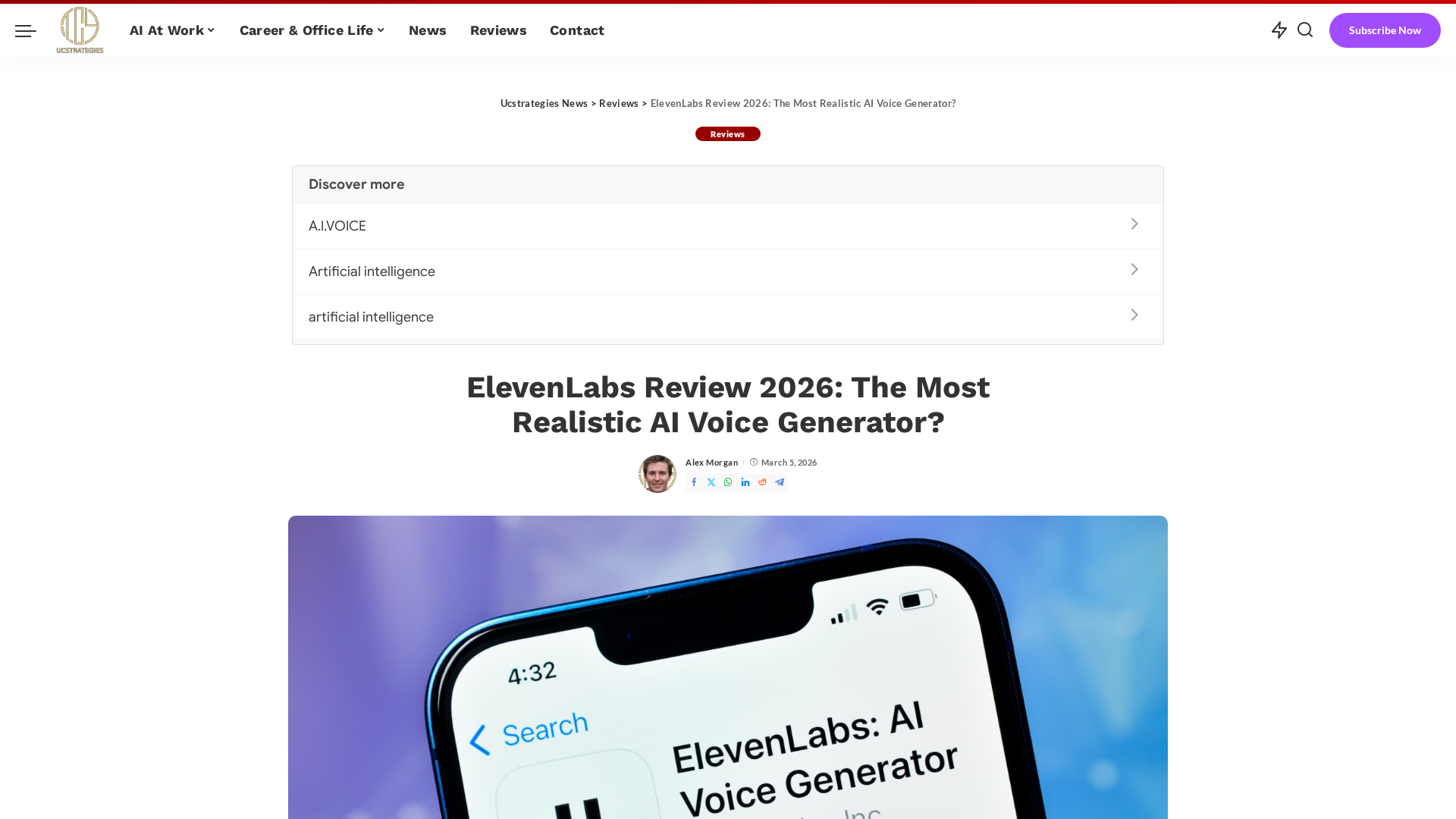
Industry-leading AI audio platform for ultra-realistic text-to-speech, voice cloning, transcription, and voice agents.

Realistic AI text-to-speech, dubbing, and voice APIs with 200+ voices and multilingual support.
Hyper-realistic AI voiceovers
AI Voice Assistant for Service Providers

AI-powered phone agents that answer, route, and manage calls in real time (speech-to-text + LLM + text-to-speech).
AI meeting note taker that joins meetings, transcribes audio, generates summaries, extracts insights and action items, &
Latest Articles (52)
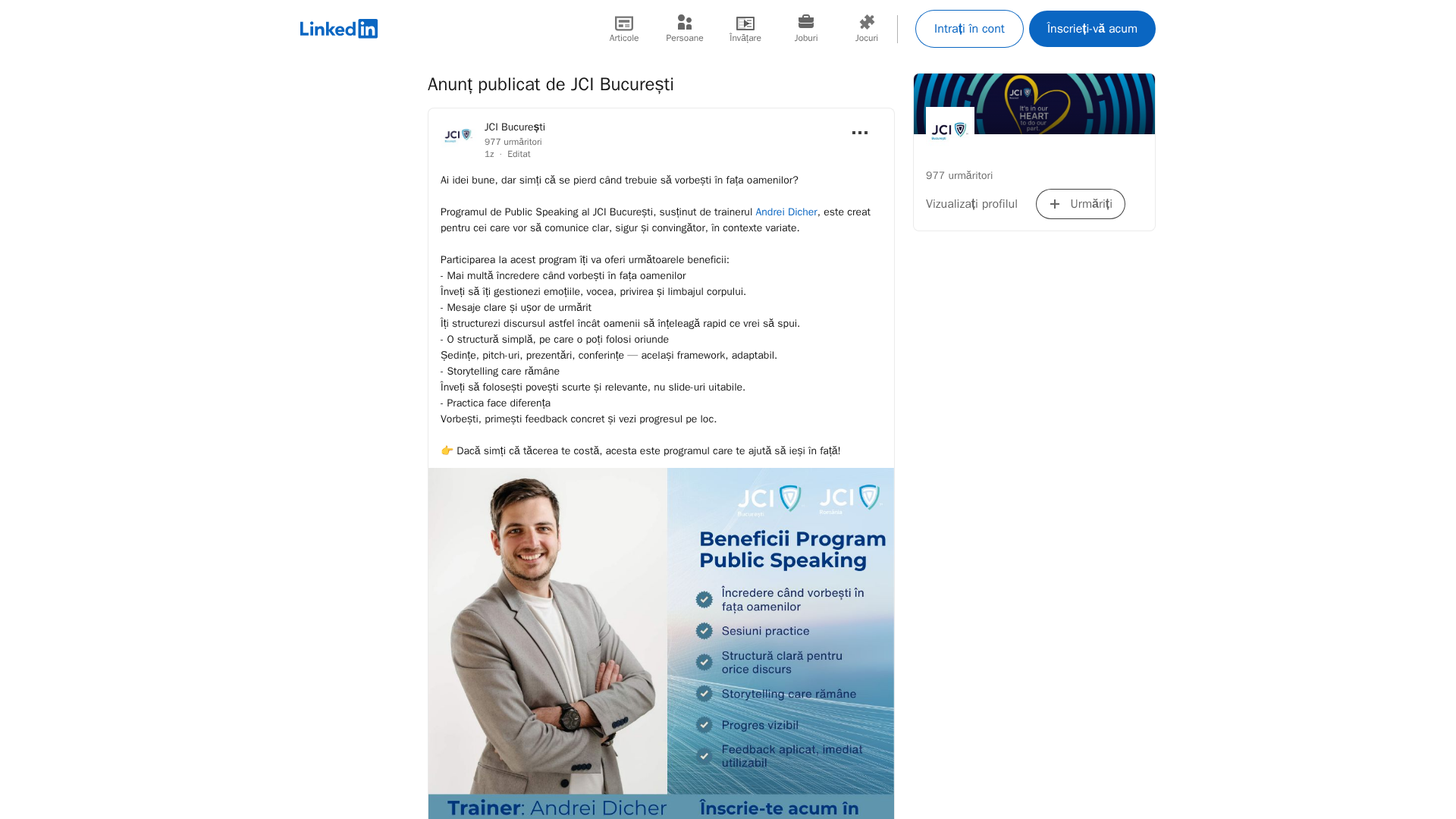
Programul JCI București cu Andrei Dicher promite încredere, mesaje clare și storytelling prin practică și feedback direct.
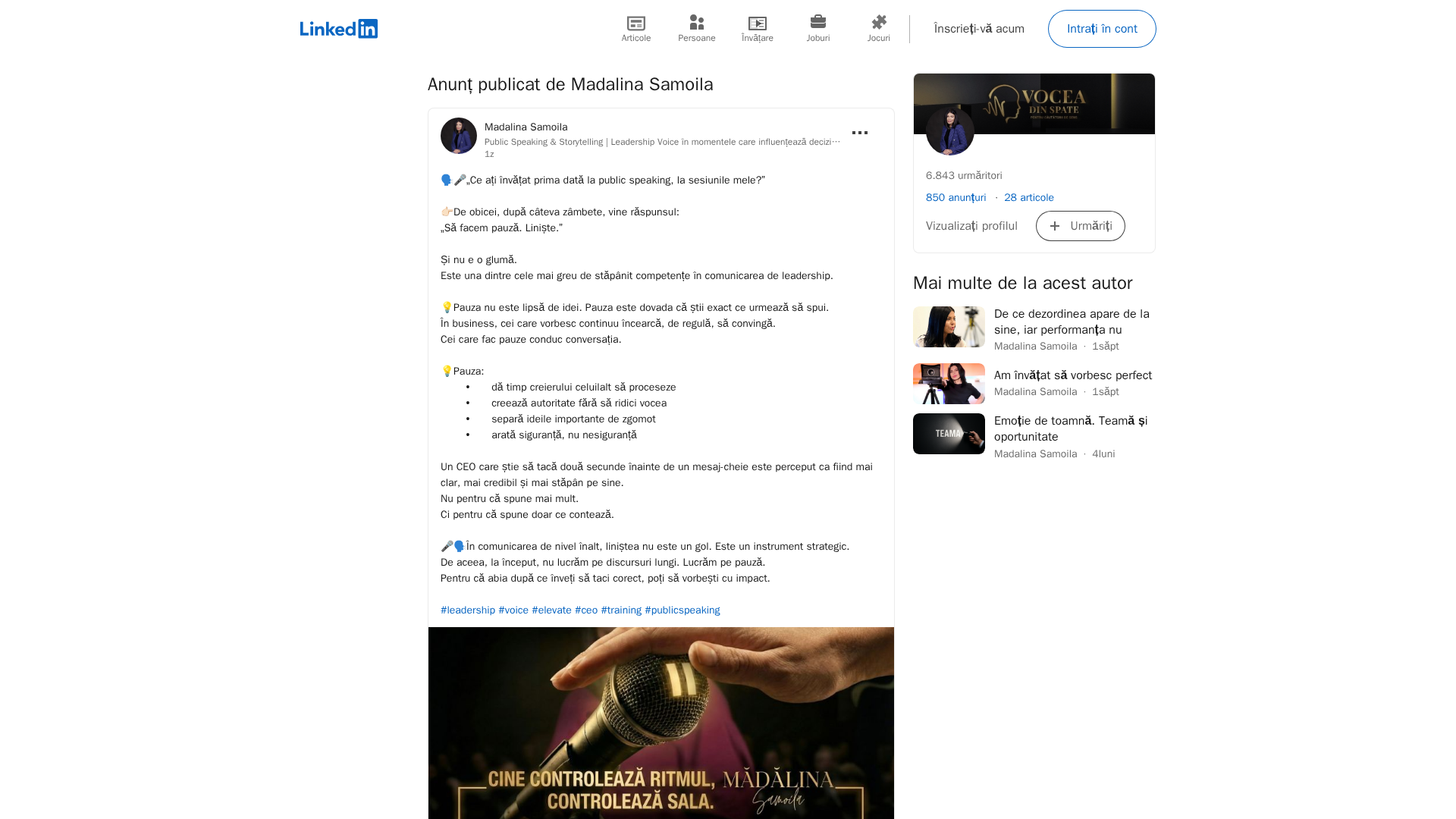
În leadership, pauza este instrumentul strategic care crește claritatea și încrederea în mesaj.
Trei provocări comune pentru HRBP la început de drum și soluțiile pentru a-ți mări impactul în companii tech.
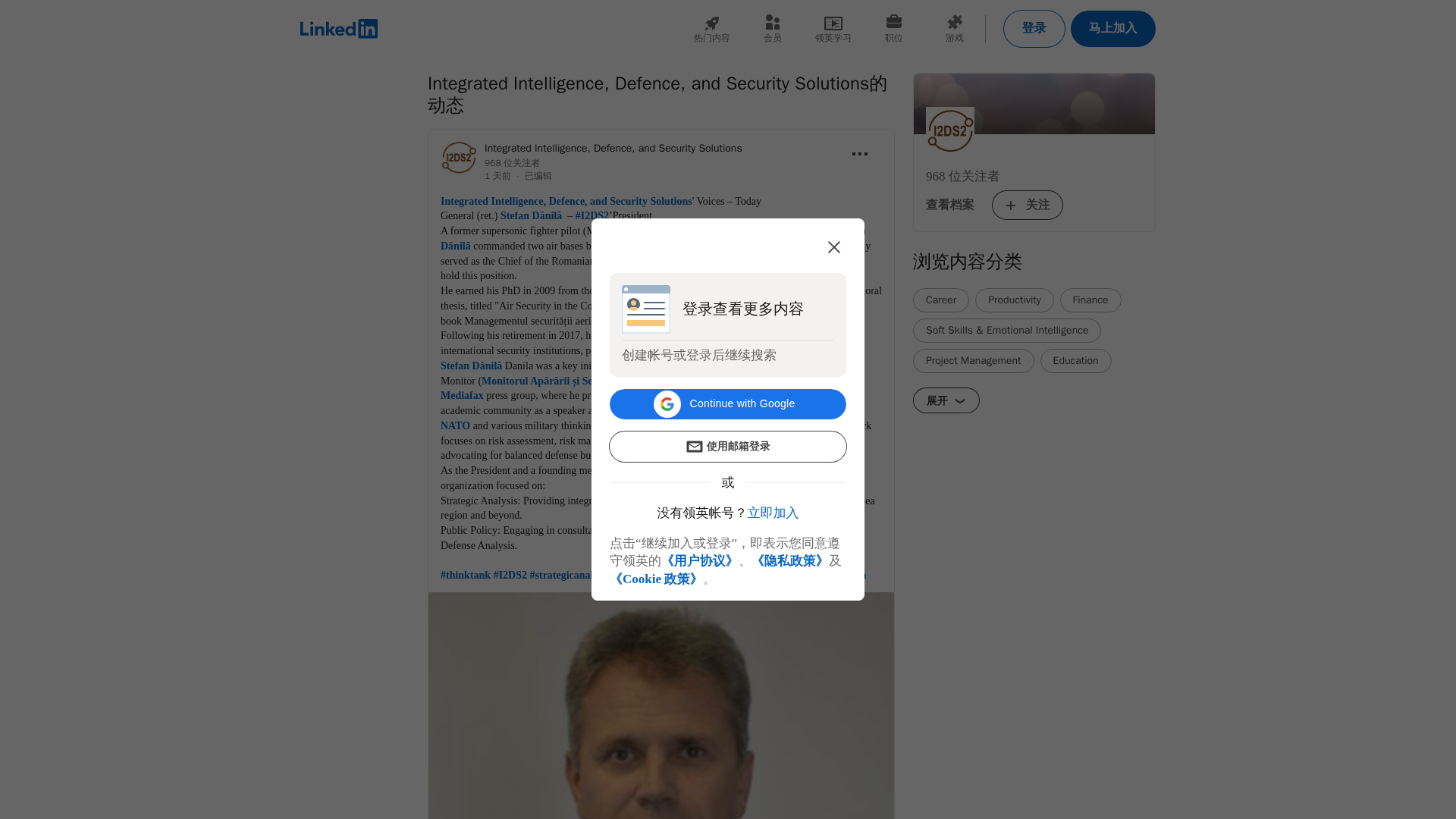
Profile of General (ret.) Stefan Dănilă, founder of I2DS2, and the thinktank’s mission to shape integrated security for the Black Sea.
Real-time, full-duplex multimodal voice AI for enterprise contact centers with sub-300ms responses.