Topic Overview
AI voice synthesis and voice‑cloning tools now power a broad set of applications—from studio‑grade text‑to‑speech and multilingual dubbing to 24/7 phone agents and HIPAA‑compliant patient communications. This topic examines the technical capabilities (naturalness, prosody, latency, multilingual support), common production uses (dubbing, accessibility, meeting assistants, automated callers) and the governance, legal and ethical issues that determine responsible deployment. Tool classes covered include Text‑to‑Speech and Voice Synthesis (studio TTS and real‑time APIs), Voice Cloning (custom voice recreation and adaptation), AI Meeting Assistants and Transcription (automatic minutes and speaker attribution), and AI Governance Tools (provenance, watermarking, detection, consent management). Representative platforms: Murf AI for studio‑grade TTS, multilingual dubbing and real‑time voice APIs; ACE–Step for AI music generation; Vocea and Sophie for industry‑focused voice assistants that handle scheduling and lead qualification; and OpenCall AI for HIPAA‑compliant phone and messaging automation in healthcare and sales. As of mid‑2026, voice models have matured in realism and low latency, driving adoption in contact centers, media localization, and accessibility. That growth is paired with stronger emphasis on consent, identity verification, copyright and deepfake detection, sector compliance (e.g., HIPAA), and provenance metadata. Employers and creators are balancing efficiency gains against displacement risks by favoring human‑in‑the‑loop workflows and clear disclosure policies. For buyers and builders, evaluation should focus on audio quality, multilingual coverage, API latency, compliance certifications, and available governance controls (watermarking, audit logs, consent flows) to reduce misuse while maximizing practical benefits.
Tool Rankings – Top 5

Realistic AI text-to-speech, dubbing, and voice APIs with 200+ voices and multilingual support.
AI music gen: full songs in seconds!
AI Voice Assistant for Service Providers

24×7 AI voice operator that qualifies leads, books meetings

AI-powered, HIPAA-compliant phone and messaging automation that books patients and accelerates sales.
Latest Articles (30)
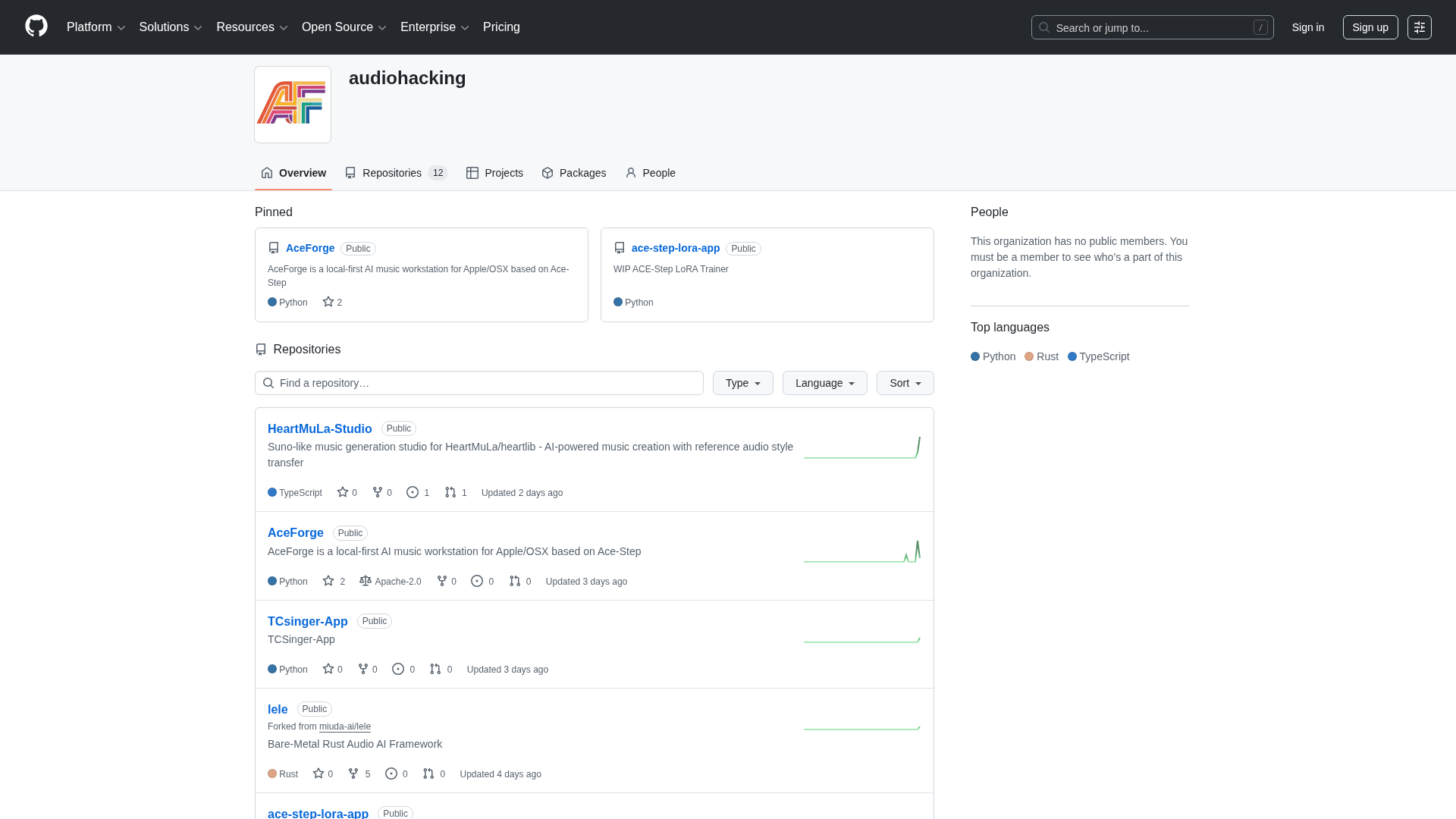
A local-first AI music toolkit ecosystem featuring Suno-style studio, ACE-Step diffusion, and ComfyUI integrations.
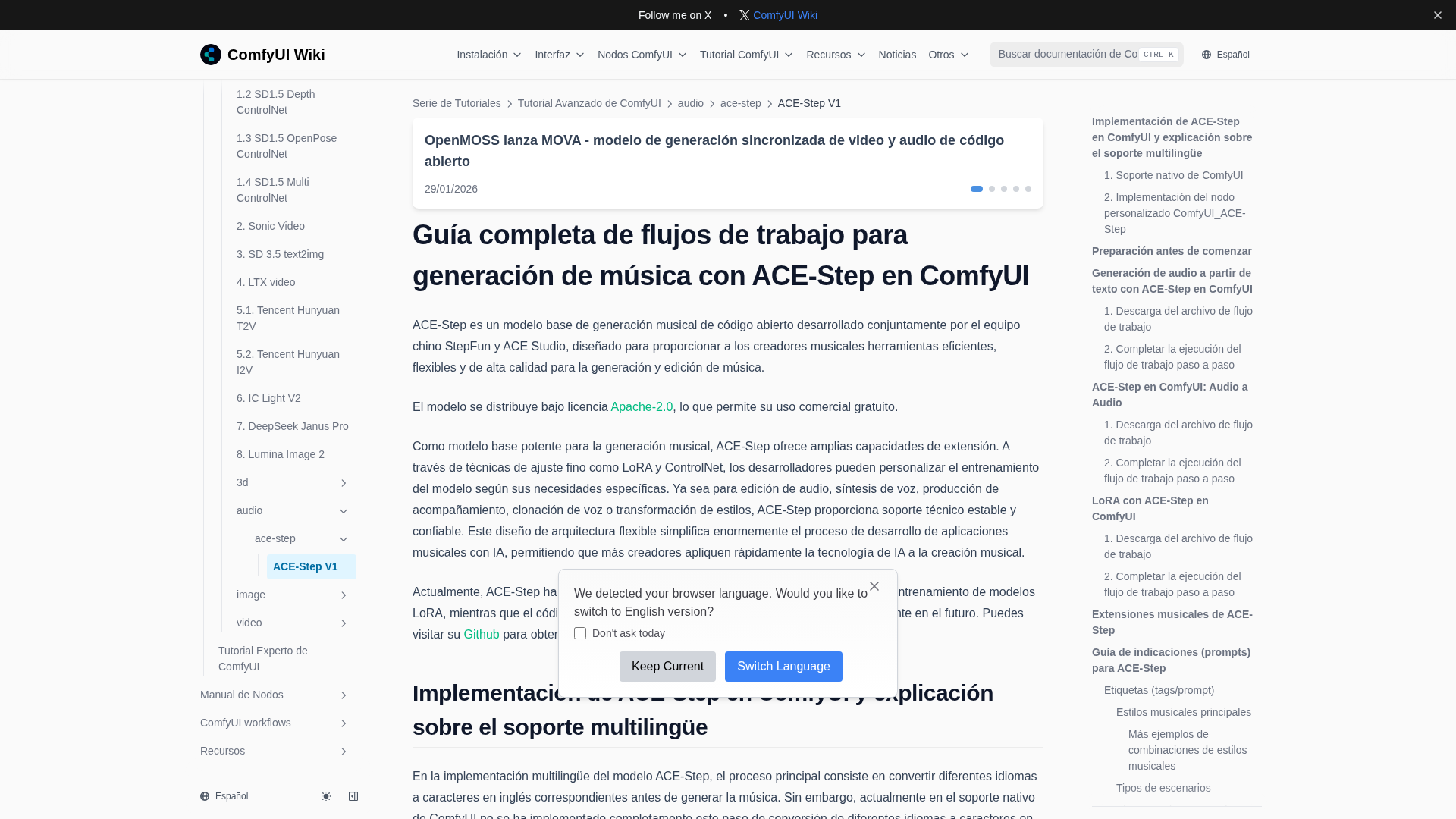
Guía detallada para usar ACE-Step en ComfyUI, con flujos nativos y nodos personalizados para generación musical multilingüe.
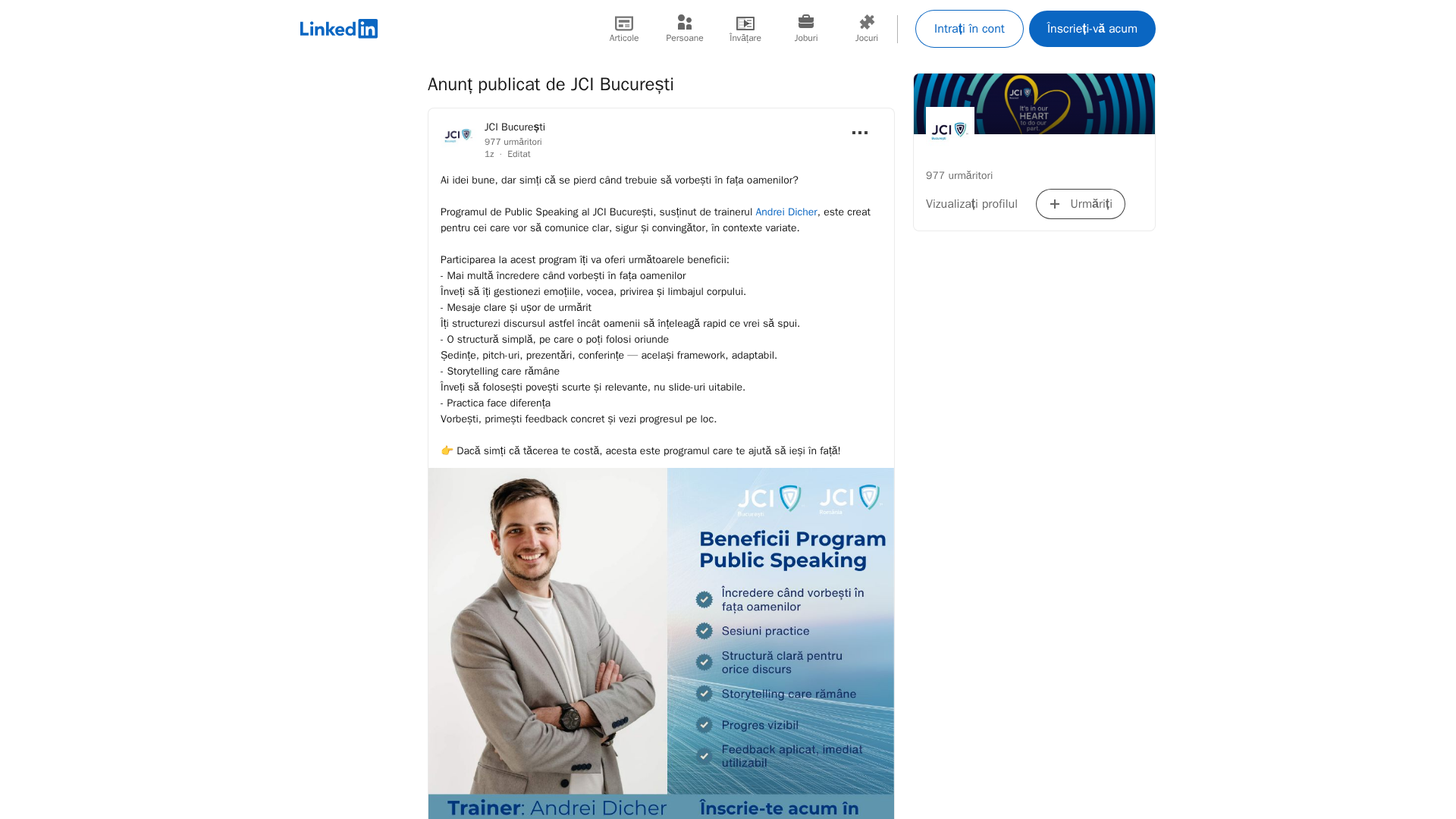
Programul JCI București cu Andrei Dicher promite încredere, mesaje clare și storytelling prin practică și feedback direct.
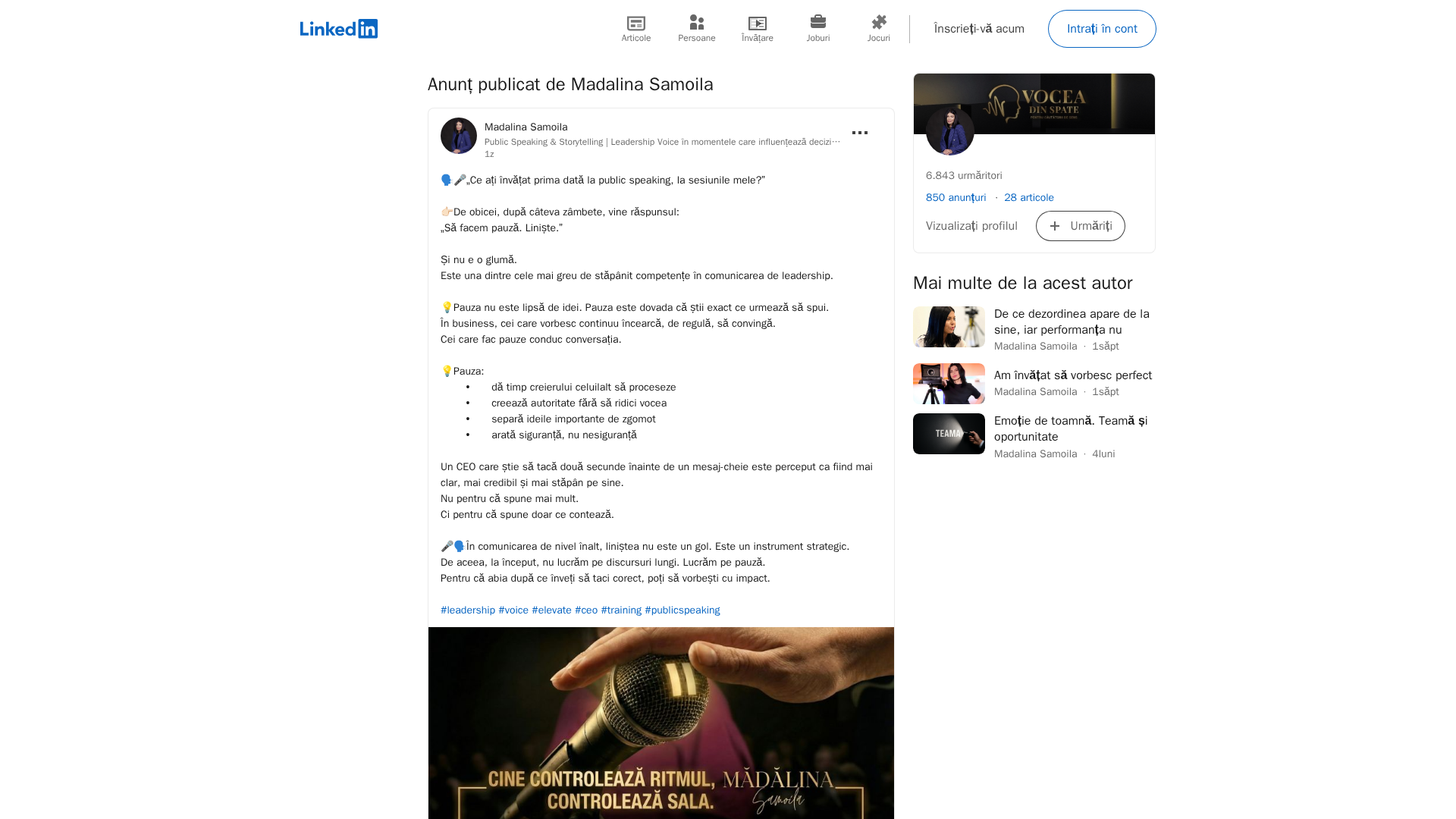
În leadership, pauza este instrumentul strategic care crește claritatea și încrederea în mesaj.
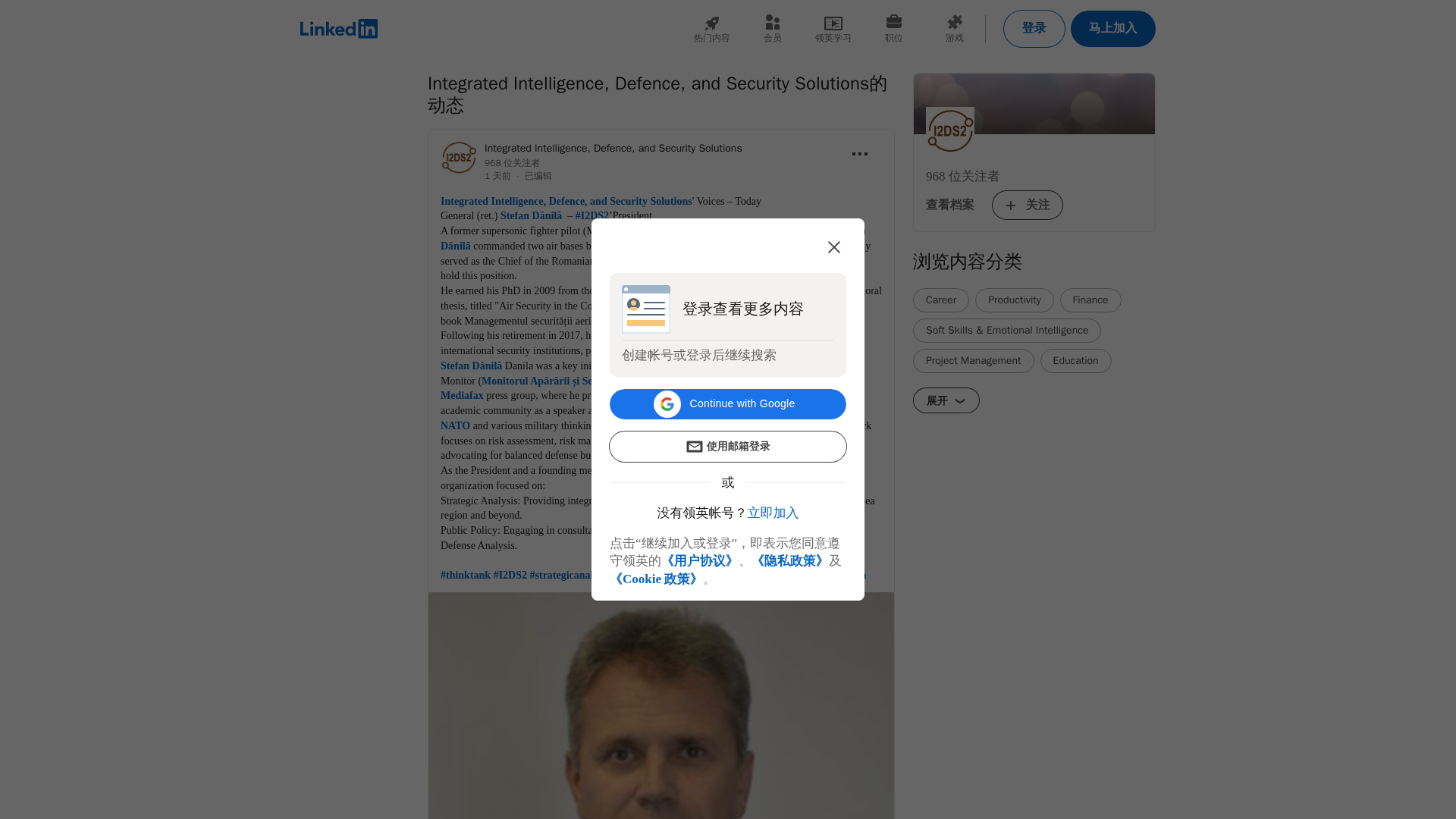
Profile of General (ret.) Stefan Dănilă, founder of I2DS2, and the thinktank’s mission to shape integrated security for the Black Sea.