Topic Overview
AI workflow orchestration and automation tools coordinate LLM calls, multi‑step agents, data pipelines and external services so that models can be used reliably at scale. This category spans code‑first workflow engines (Temporal, Prefect, Orkes and their rivals) that provide durable state, retries, long‑running execution and observability, to low‑code/no‑code AI automation platforms that let product teams assemble, govern and deploy agentic automations without heavy engineering. As of 2026-05-02 this space is driven by three converging trends: the rise of agentic AI that acts across software interfaces (Adept’s ACT‑1 and similar systems), broad adoption of multi‑agent and LLM‑centric automations in enterprises (IBM watsonx Assistant, StackAI, Tate‑A‑Tate), and stronger demands for governance, provenance and private deployments (self‑hosted or enterprise‑grade offerings). Code‑first orchestrators such as Temporal excel at building durable, observable business workflows with developer APIs; Prefect focuses on Pythonic task and dataflow orchestration; Orkes offers managed orchestration patterns optimized for microservices and large workflow graphs. Low‑code/no‑code platforms (StackAI, Tate‑A‑Tate, IBM watsonx Assistant) wrap orchestration primitives in visual builders and governance controls, while developer assistants (GitHub Copilot, Tabnine) accelerate the engineering work of wiring tasks and writing workflow code. Choosing between these approaches depends on priorities: developer control and long‑running guarantees favor Temporal/Prefect/Orkes; rapid prototyping, governance and citizen‑developer adoption favor low‑code platforms. Across the ecosystem, key selection criteria are observability, retry semantics, security and cost controls for LLM usage, integration surfaces, and support for hybrid deployment and enterprise governance.
Tool Rankings – Top 6
End-to-end no-code/low-code enterprise platform for building, deploying, and governing AI agents that automate work onun

Enterprise virtual agents and AI assistants built with watsonx LLMs for no-code and developer-driven automation.
Agentic AI (ACT-1) that observes and acts inside software interfaces to automate multistep workflows for enterprises.

From idea to Al Agent in minutes—zero coding

An AI pair programmer that gives code completions, chat help, and autonomous agent workflows across editors, theterminal

Enterprise-focused AI coding assistant emphasizing private/self-hosted deployments, governance, and context-aware code.
Latest Articles (59)
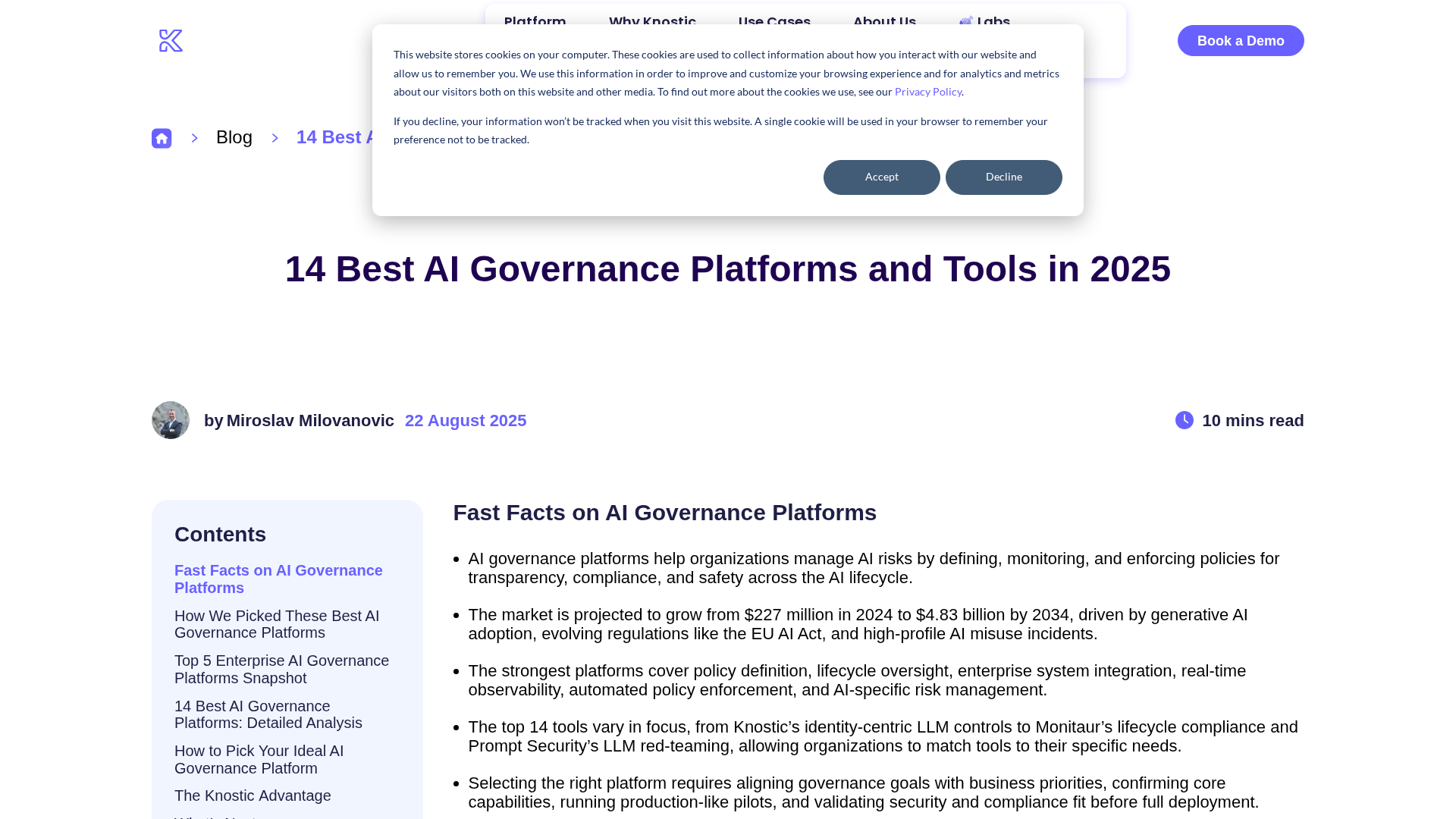
A vendor‑agnostic guide to the 14 best AI governance platforms in 2025, with criteria, comparisons, and practical buying guidance.
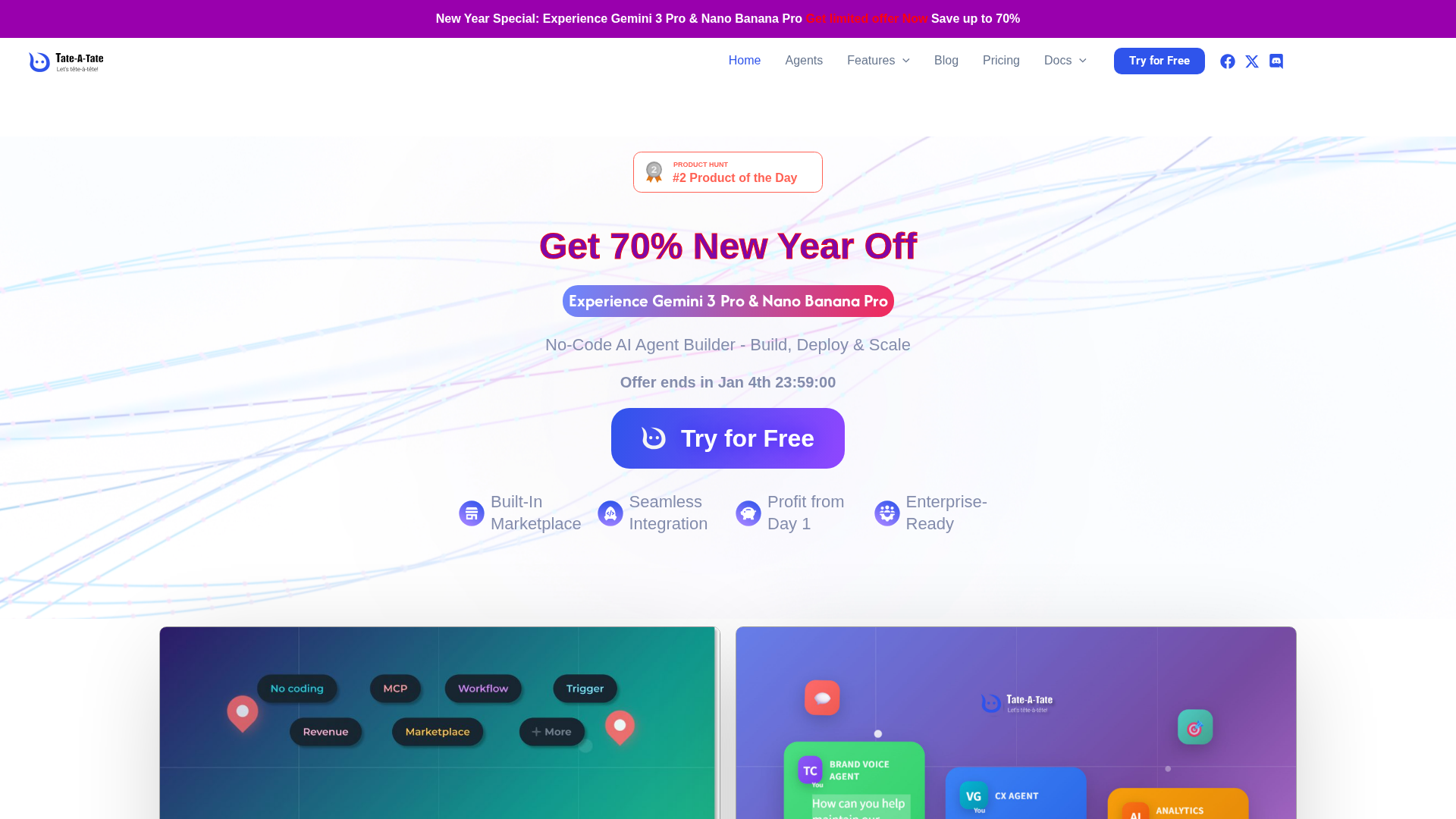
Promotional guide to Tate-A-Tate's no-code AI agent builder with a 70% New Year discount and deployment tutorials.
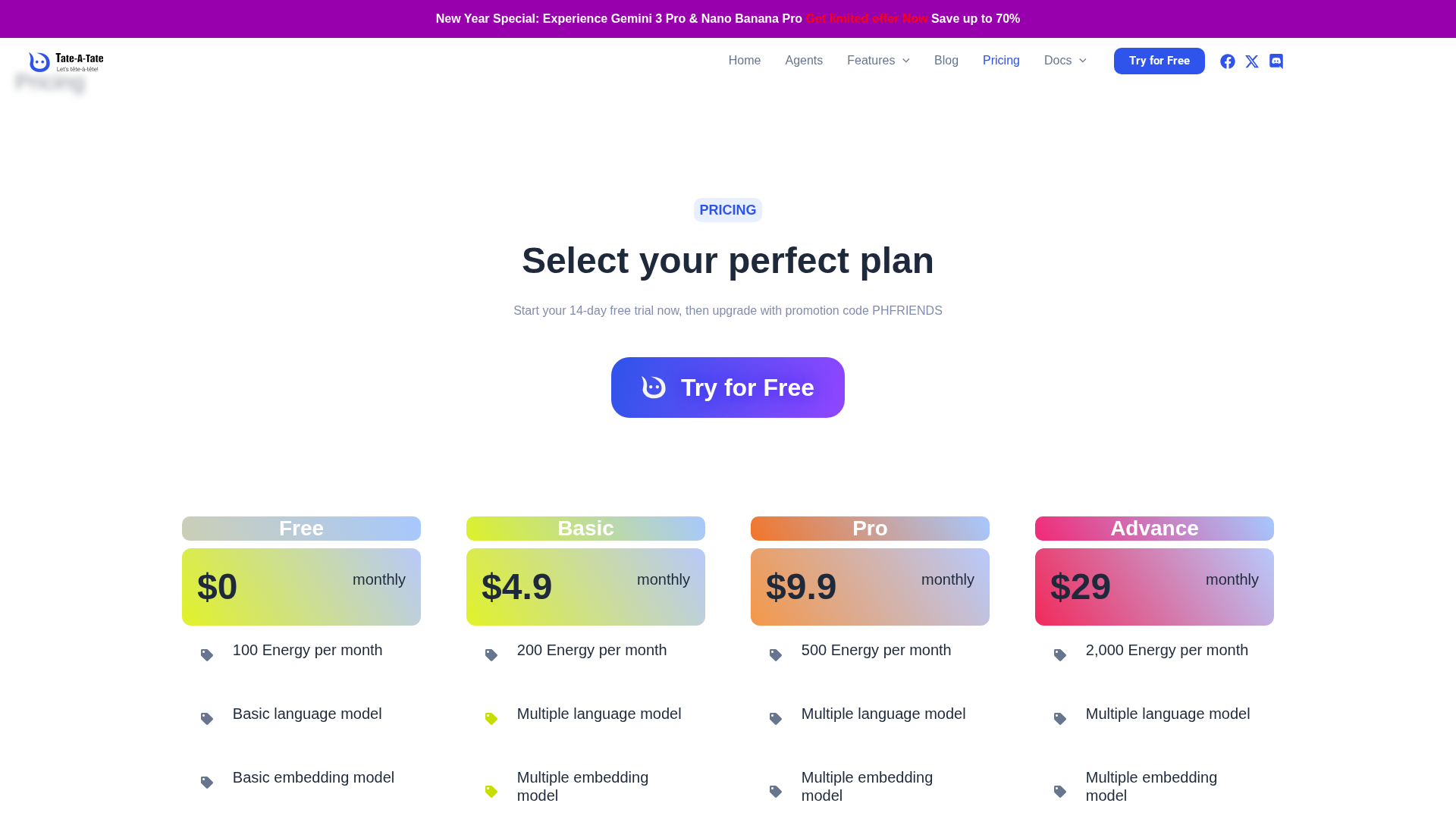
Pricing page for Tate-A-Tate with energy-based plans, scalable AI agents, and a 14-day free trial.
A clear, enterprise-focused comparison showing why Tate outshines Gumloop in AI automation.
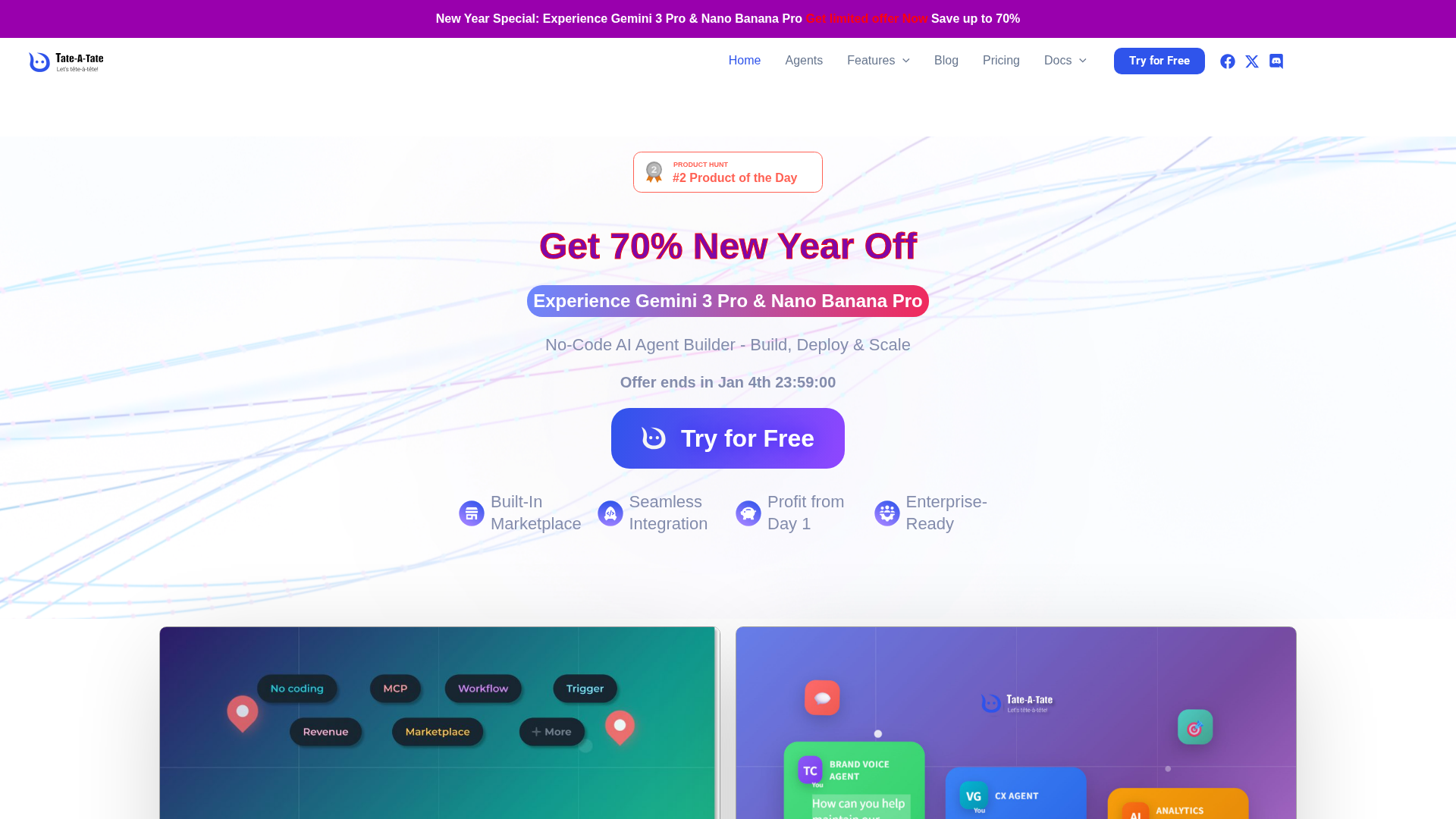
A no-code platform to build, deploy, and monetize AI agents across Web, Discord, Telegram, and API with templates, workflows, and built-in tools.