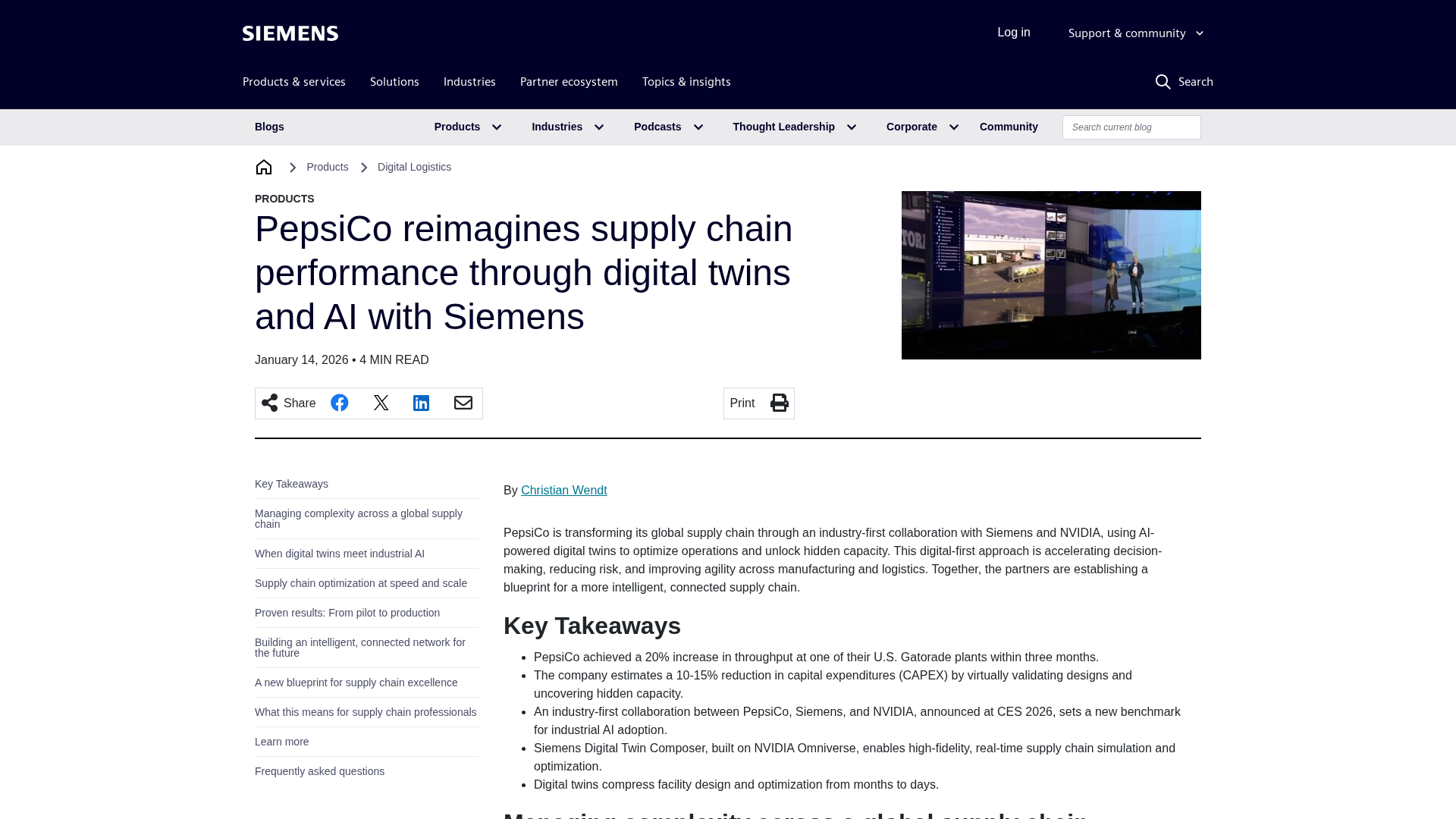
Topic Overview
This topic covers the convergence of AI‑driven digital twin platforms and industrial automation systems that link simulation, real‑time edge vision, and autonomous orchestration to optimize manufacturing, intralogistics, and supply‑chain operations. By 2026, enterprises increasingly combine 3D model generation and simulation infrastructure (e.g., NVIDIA Omniverse, Siemens Xcelerator) with AI data platforms and edge computer‑vision solutions to create continuously updated, physics‑aware digital twins. Key trends include deploying Edge AI vision (Gather AI’s autonomous drone and MHE‑mounted camera audits) to digitize warehouses and feed live state into twins; using no‑code/low‑code AI agent platforms (StackAI, Lindy, Kore.ai, IBM watsonx Assistant) to build, deploy and govern multi‑agent workflows that automate decisioning and control; and integrating AI data platforms to curate simulation‑ready datasets, observability, and governance. Together these layers enable closed‑loop optimization—simulation informs edge policies, edge telemetry refines models, and agents orchestrate automated responses across systems. This topic is timely because hardware acceleration, real‑time simulation, and enterprise AI governance have matured sufficiently for production deployments. Organizations such as Siemens and NVIDIA provide core simulation and compute stacks, while operational users (illustrative examples like PepsiCo) adopt digital twins for plant throughput, predictive maintenance, and supply‑chain resilience. Practical priorities are interoperability across CAD/PLM, low‑latency edge inference, dataset versioning, and clear governance/observability for multi‑agent automation. For decision makers, the main considerations are mapping use cases to the right mix of tools (edge vision for sensing, 3D/Omniverse for simulation, agent platforms for orchestration, and AI data platforms for model governance), and piloting closed‑loop experiments that demonstrate measurable operational gains before scaling.
Tool Rankings – Top 5

AI-driven intralogistics platform using autonomous drones and computer vision to digitize warehouses and provide real‑t

Enterprise AI agent platform for building, deploying and orchestrating multi-agent workflows with governance, observabil
End-to-end no-code/low-code enterprise platform for building, deploying, and governing AI agents that automate work onun

No-code/low-code AI agent platform to build, deploy, and govern autonomous AI agents.

Enterprise virtual agents and AI assistants built with watsonx LLMs for no-code and developer-driven automation.
Latest Articles (53)
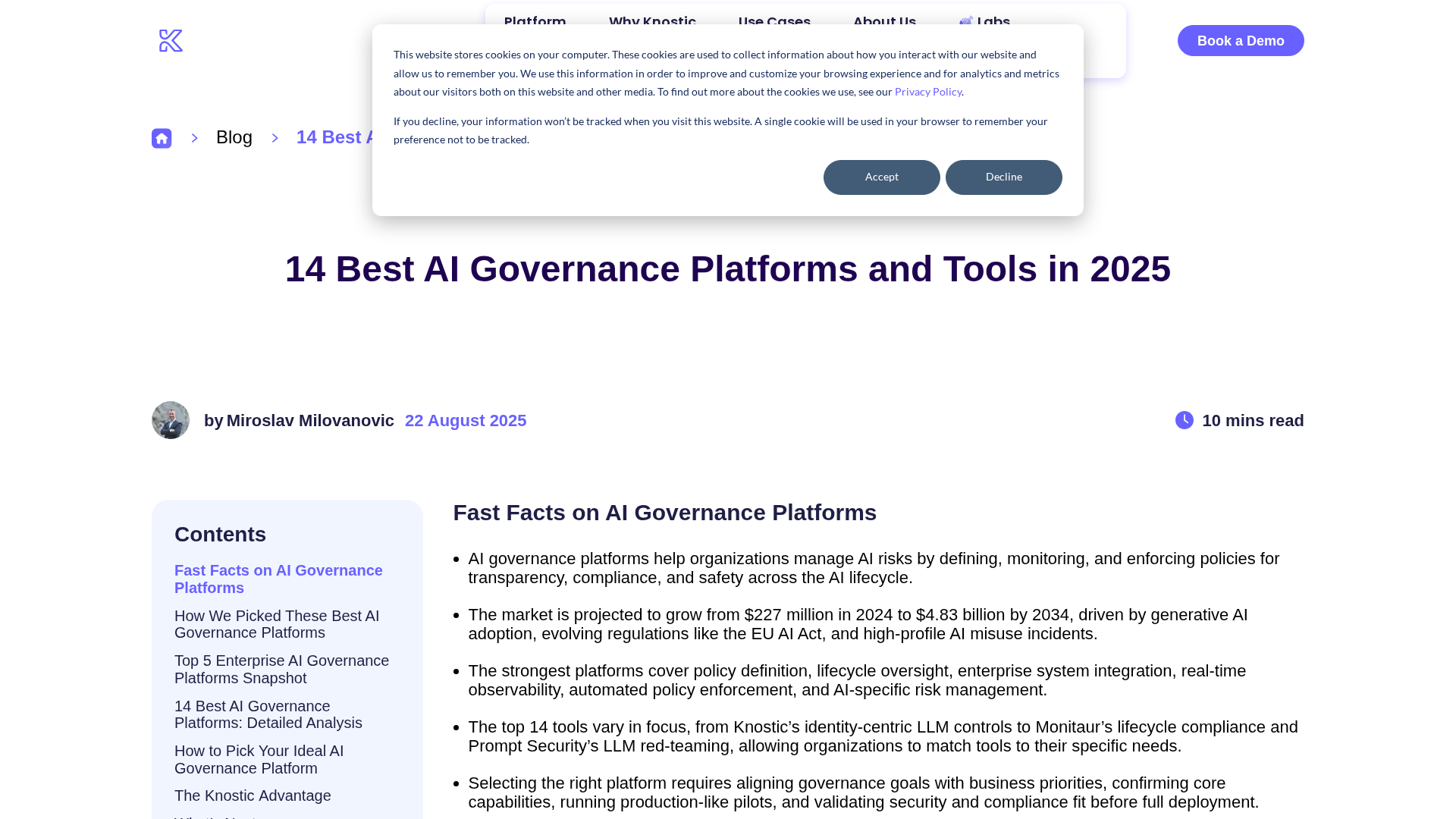
A vendor‑agnostic guide to the 14 best AI governance platforms in 2025, with criteria, comparisons, and practical buying guidance.
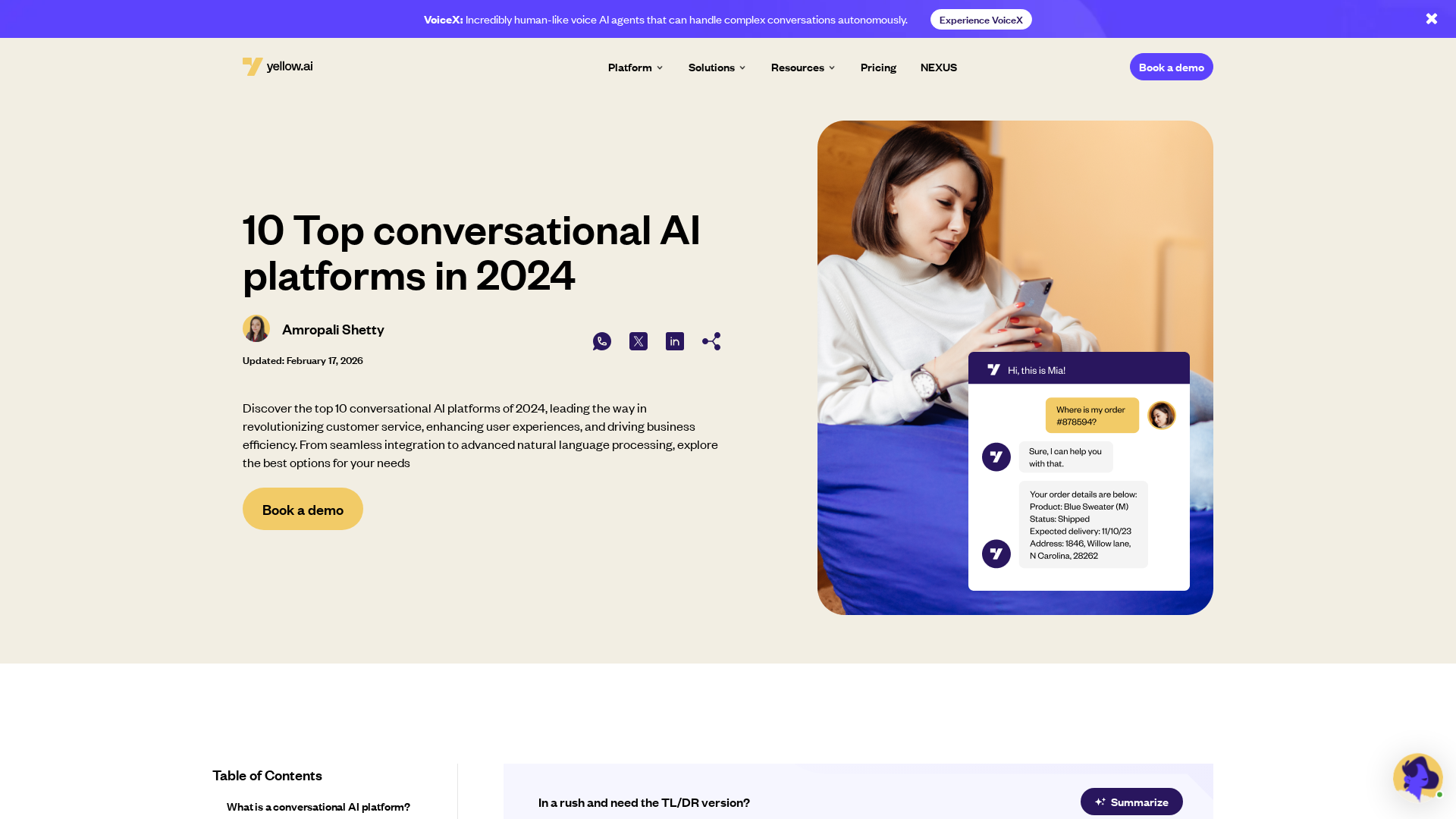
A concise guide to the top 10 conversational AI platforms in 2024, with features, benefits, and use cases.
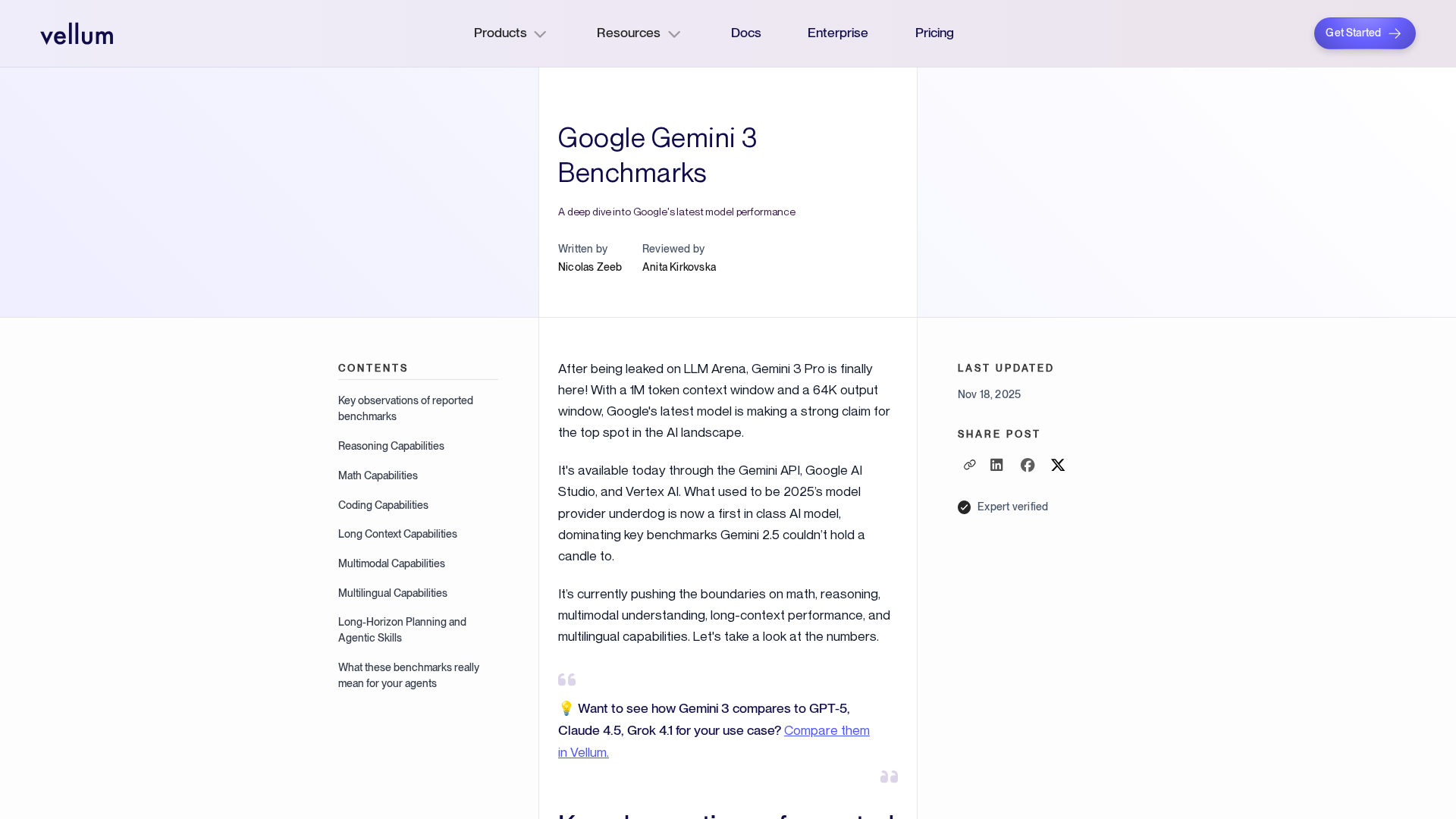
In-depth look at Gemini 3 Pro benchmarks across reasoning, math, multimodal, and agentic capabilities with implications for building AI agents.
Adobe nears a $19 billion deal to acquire Semrush, expanding its marketing software capabilities, according to WSJ reports.
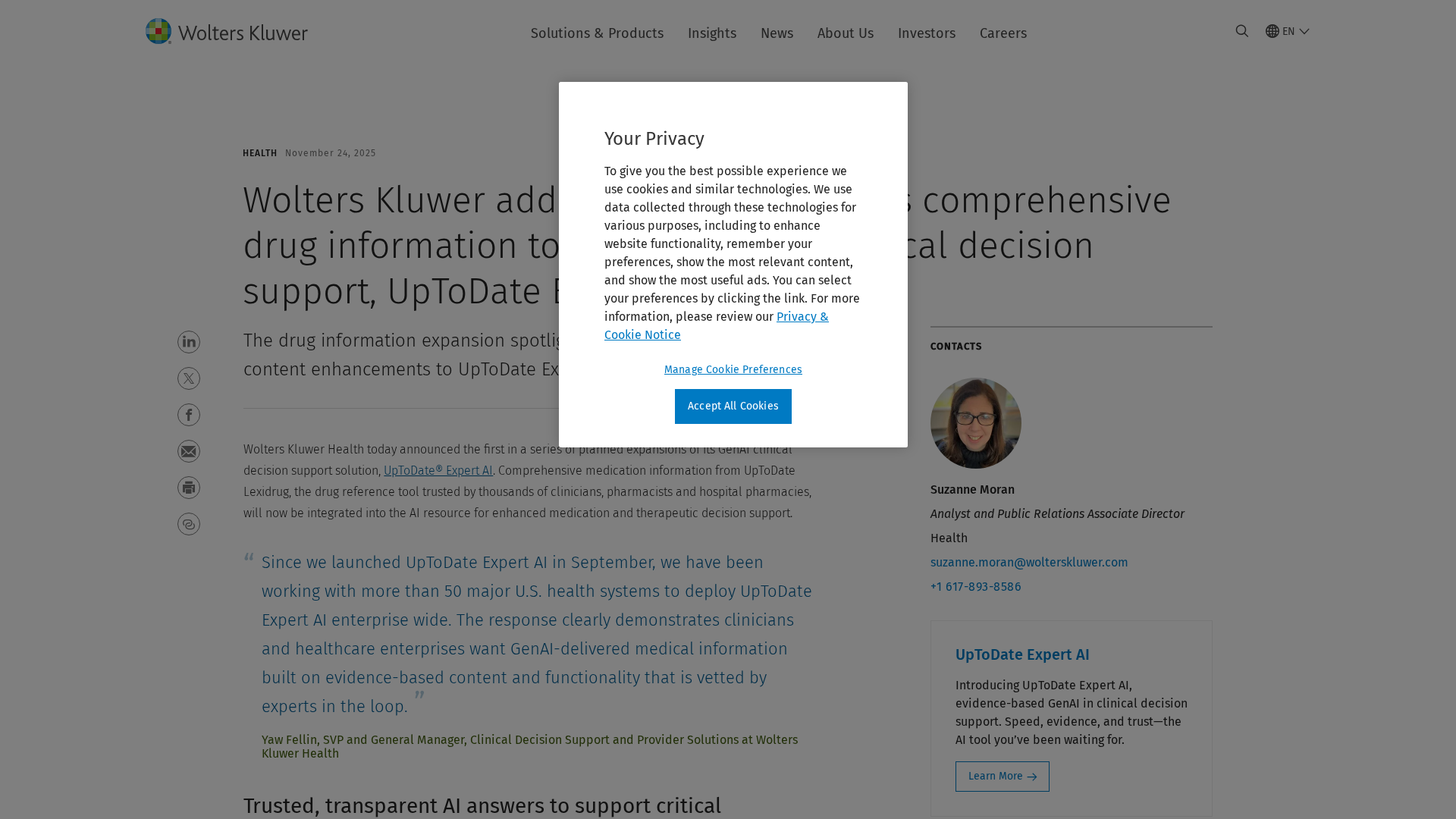
Wolters Kluwer expands UpToDate Expert AI with UpToDate Lexidrug to bolster drug information and medication decision support.