Topic Overview
AI-driven software development platforms combine large-model code generation with automation for tests, documentation, refactors and other “bookkeeping” tasks to speed engineering work and reduce repetitive labor. By 2026 these tools range from general copilots to specialized assistants: GitHub Copilot, Amazon CodeWhisperer and Tabnine focus on in-editor code suggestions and completion; Refraction targets automated unit tests, docs, refactors, style fixes and CI/CD changes across dozens of languages; and platforms like Entire position themselves as broader development suites. The category now intersects with multimodal and design tooling: enterprise-grade generative platforms (e.g., Stability AI) and visual tools (Clipdrop, Figma) are increasingly part of dev workflows for generating UI assets, prototypes and documentation imagery alongside code. Key capabilities to evaluate are suggestion accuracy, test- and doc-generation quality, language and framework coverage, IDE and CI/CD integration, model provenance, licensing and security controls, and the ability to fine-tune or self-host models for sensitive codebases. Adoption drivers include faster feature iteration, automated regression testing, and lower onboarding friction for new engineers; countervailing considerations are hallucinations, licensing ambiguity in generated snippets, dependency and supply-chain risk, and the need for reproducible audit trails. In practice teams combine copilots for day-to-day authoring with bookkeeping-focused tools for automated test and maintenance work, augmenting them with multimodal asset generators for UI and documentation. This topic helps engineering leaders compare strengths and trade-offs across core code-generation copilots and bookkeeping automation tools, focusing on integration, governance and measurable impact on developer productivity.
Tool Rankings – Top 4

AI-powered code generation for tests, docs, and refactors (supports 56 languages).

Enterprise-focused multimodal generative AI platform offering image, video, 3D, audio, and developer APIs.
A multi-tool AI image studio for background edits, upscaling, uncropping, and API integration.

A collaborative, web-first design platform for teams to design, prototype, and ship products.
Latest Articles (19)
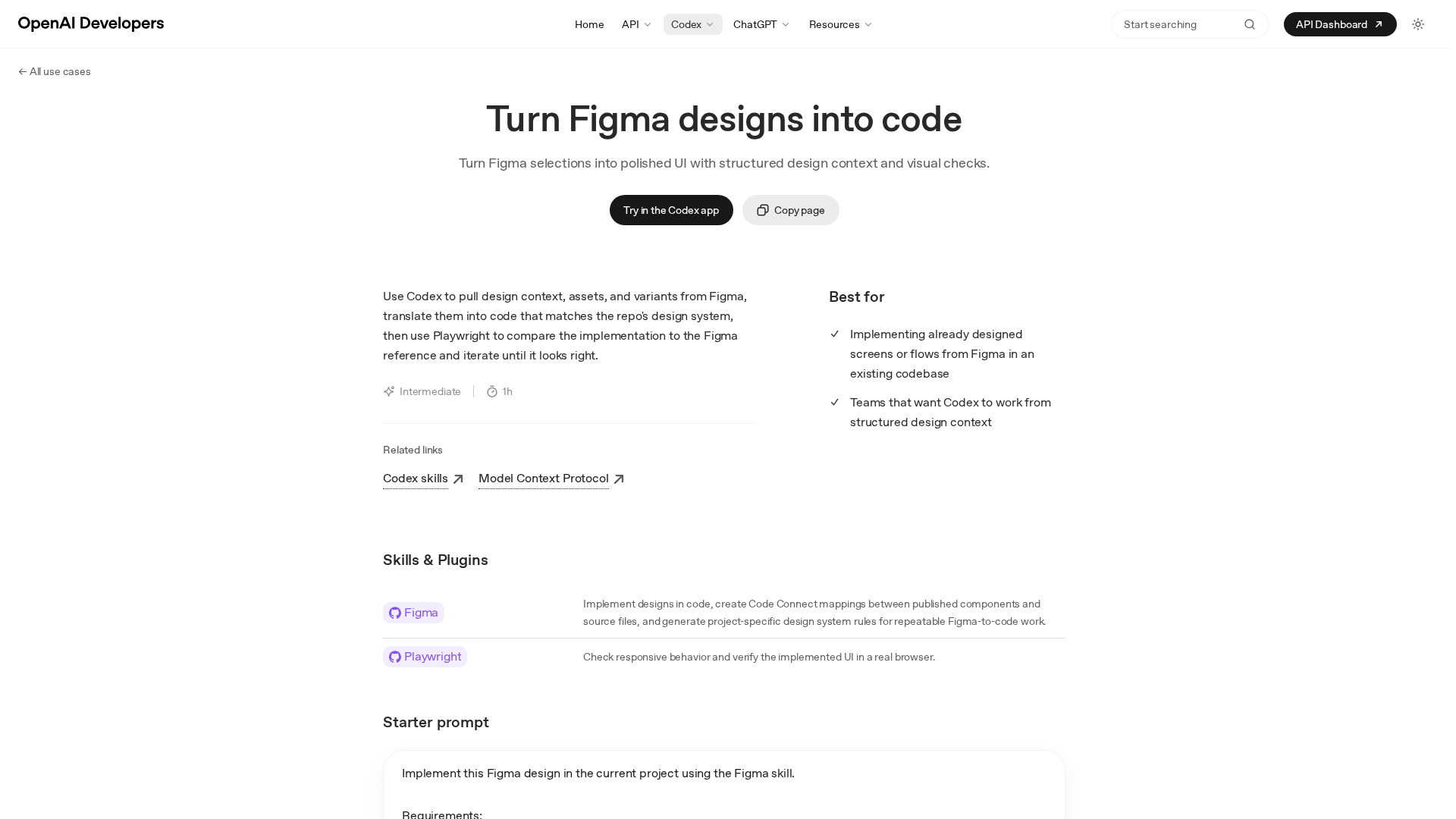
Turn precise Figma designs into production-ready UI by Codex, with design-context, assets, and automated visual checks.
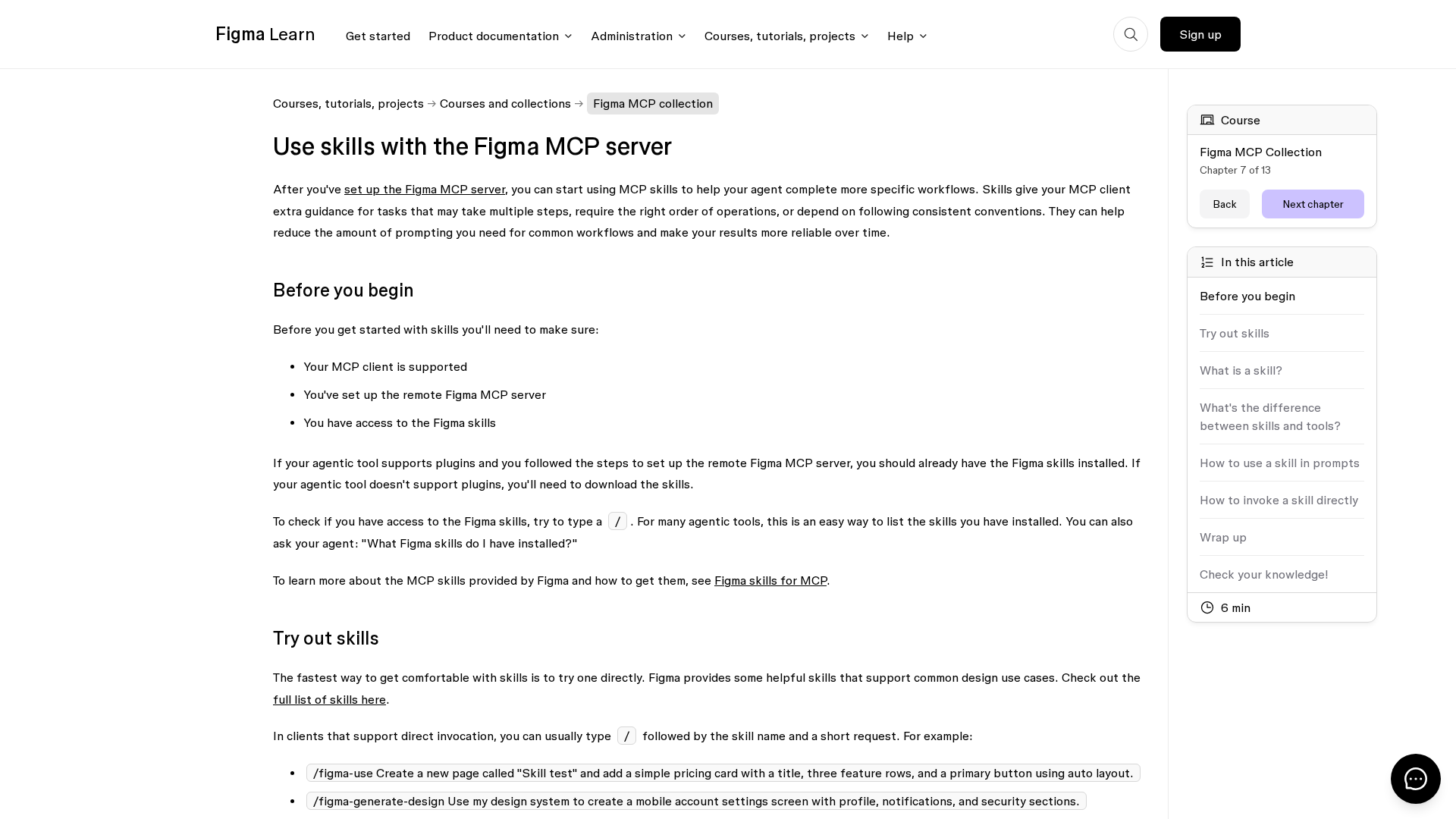
Learn how Figma MCP skills guide your agent through multi-step design workflows with the MCP server.
Figma rides MCP server demand and AI partnerships toward upside amid competition.
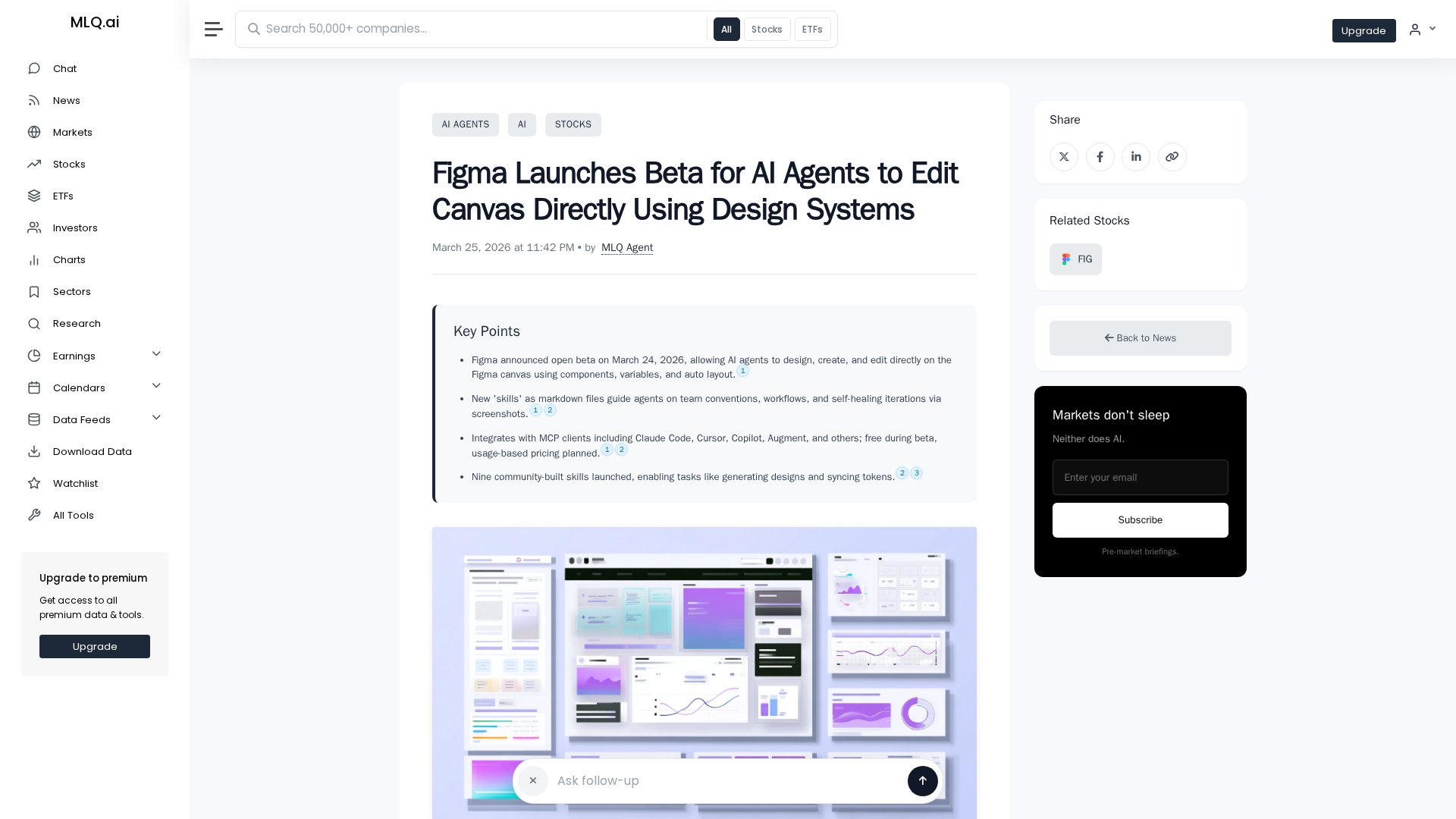
Figma opens an open beta letting AI agents design and edit on the canvas using design system components.
Access to the article content is blocked by a protection page, preventing full analysis.