Topic Overview
This topic covers selecting AI model suites for custom development in 2025, contrasting vendor portfolios (Amazon Nova), Anthropic’s assistant-focused models, and open-source alternatives. It’s aimed at engineering and product teams choosing a stack for fine-tuning, embedding, multi-agent orchestration, or integrated developer tooling. Relevance is driven by widespread adoption of multi-model production patterns, rising demand for on-premise or client-side privacy (e.g., client-side agents), and growing ecosystem support for code-specialized models. Key tools and categories: cloud marketplaces and model registries (Vertex AI’s Model Garden) for discovery and deployment; AI code assistants and agentic IDEs (Windsurf, Cursor, Blackbox.ai) that embed models into developer workflows; agent marketplaces and orchestration frameworks (agent platforms and Cline for client-side, auditable agents). Open-source model families such as Code Llama and Salesforce CodeT5 provide code-focused capabilities for self-hosting and lower-cost inference, while enterprise offerings (IBM watsonx Assistant) emphasize no-code assistants and multi-agent orchestration. Amazon’s Nova portfolio and Anthropic’s Claude-family variants represent managed, production-ready suites that prioritize integration, SLAs, and enterprise controls. Trends and trade-offs: choose managed suites when you need turnkey integration, governance, and vendor support; choose Anthropic-style assistant models when alignment and conversational safety are priorities; choose open-source code models for cost control, customization, and offline deployment. Consider latency, fine-tuning workflow, licensing, monitoring, and agent orchestration support when evaluating stacks. In practice, teams increasingly combine managed models for front-end assistants with open-source or specialized code models behind CI/CD and developer tools to balance cost, control, and capability.
Tool Rankings – Top 6

Unified, fully-managed Google Cloud platform for building, training, deploying, and monitoring ML and GenAI models.

AI-native IDE and agentic coding platform (Windsurf Editor) with Cascade agents, live previews, and multi-model support.
Open-source, client-side AI coding agent that plans, executes and audits multi-step coding tasks.
Code-specialized Llama family from Meta optimized for code generation, completion, and code-aware natural-language tasks

Official research release of CodeT5 and CodeT5+ (open encoder–decoder code LLMs) for code understanding and generation.

Enterprise virtual agents and AI assistants built with watsonx LLMs for no-code and developer-driven automation.
Latest Articles (51)
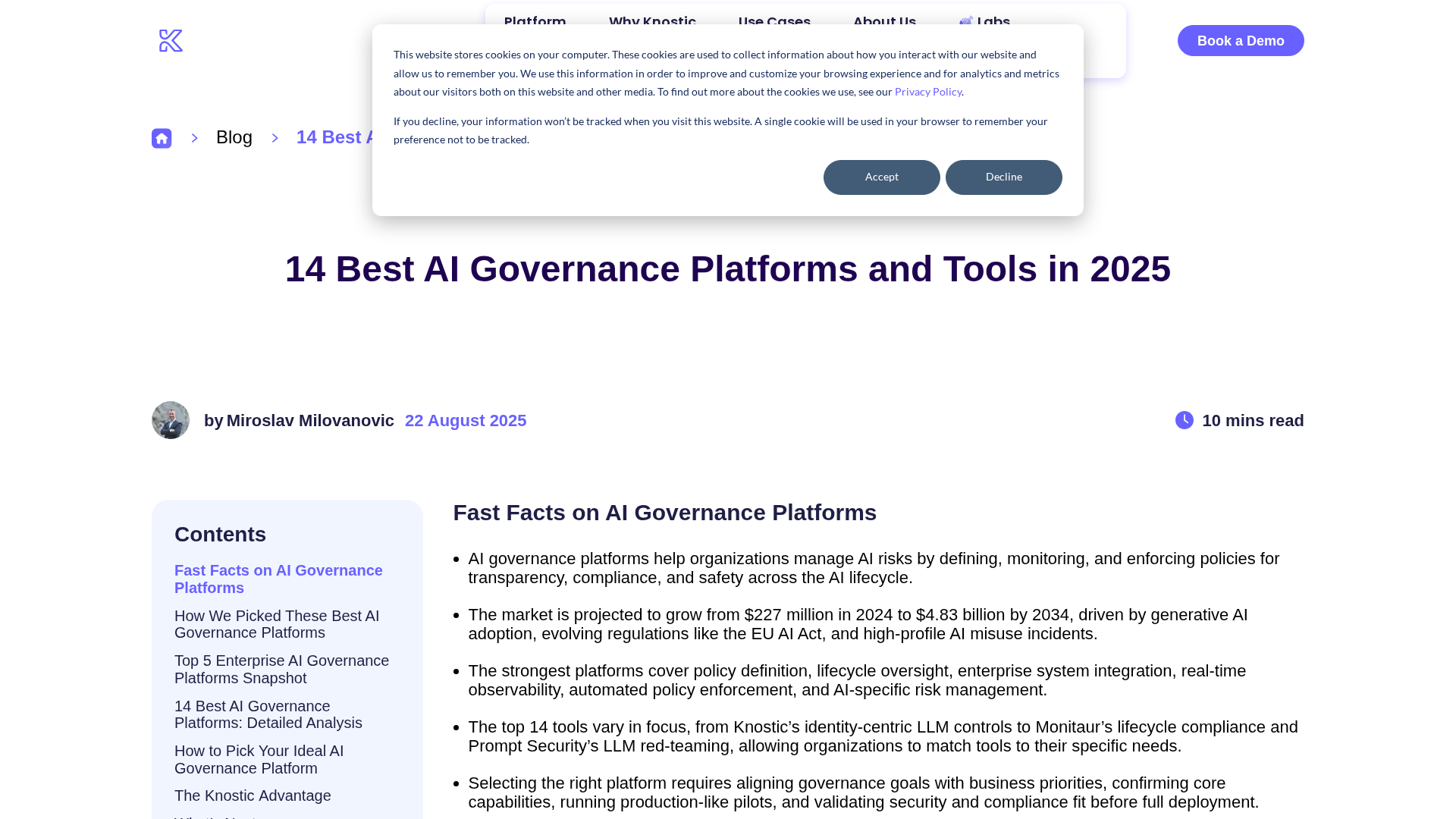
A vendor‑agnostic guide to the 14 best AI governance platforms in 2025, with criteria, comparisons, and practical buying guidance.

Adobe nears a $19 billion deal to acquire Semrush, expanding its marketing software capabilities, according to WSJ reports.
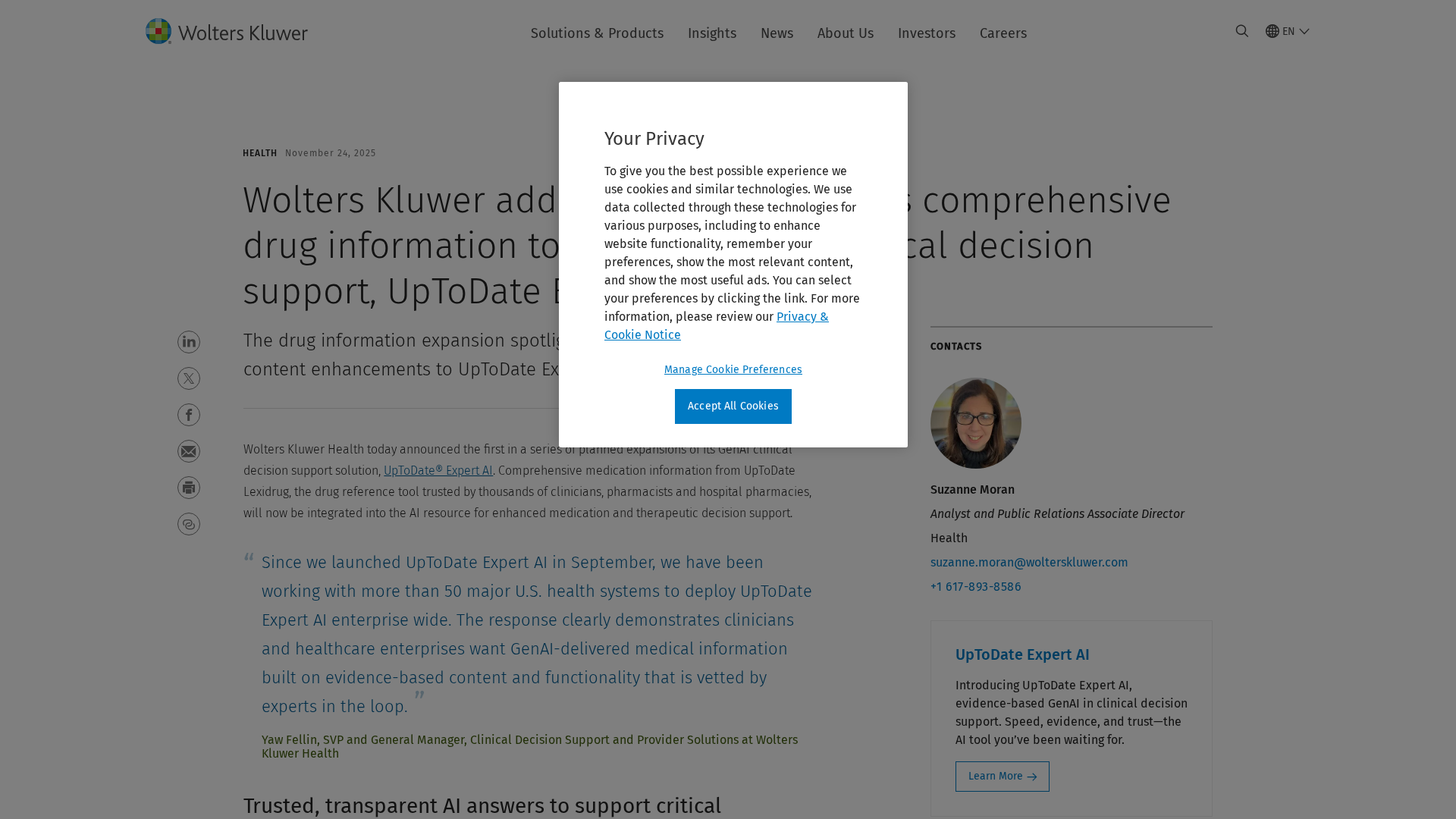
Wolters Kluwer expands UpToDate Expert AI with UpToDate Lexidrug to bolster drug information and medication decision support.
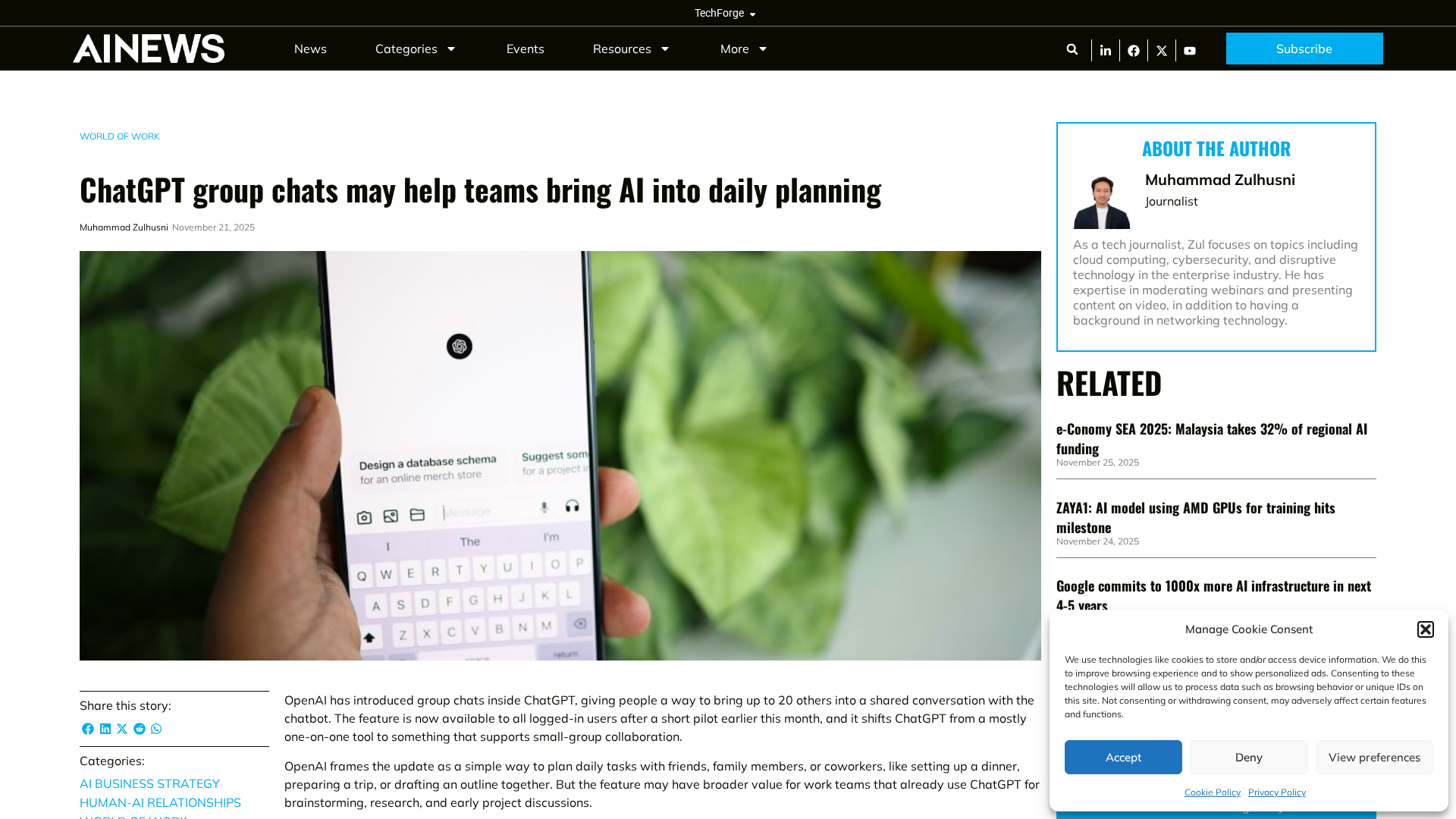
OpenAI adds group chats to ChatGPT, letting up to 20 participants collaborate with AI in a shared planning space.
Small mixed‑methods study finds ambient AI scribes reduce typing but do not significantly cut burnout or EHR time in 4 weeks, with benefits mostly among high‑usage physicians.