Topic Overview
Autonomous AI agent platforms with persistent semantic memory bring together agent orchestration, retrieval-augmented reasoning, and long-term knowledge storage so agents can maintain context, learn from interactions, and complete multistep workflows over time. This topic covers developer frameworks, no-code/low-code builder platforms, knowledge and data layers, and marketplaces that package agents for reuse and governance. Relevance in early 2026 stems from wider production deployment of agentic systems: enterprises want agents that do not restart from scratch each session, that integrate with tools and enterprise data, and that obey governance, privacy, and audit requirements. Persistent semantic memory — implemented as vector stores, indexed knowledge bases, and structured “memory” services — is now a practical layer for continuity, personalization, and safer decision-making across automated workflows. Key tools and categories: LangChain (developer-first SDK and platform for building, observing and deploying LLM-powered agents); StackAI and MindStudio (no-code/low-code end-to-end platforms for designing, testing and operating agents at scale); Adept (agentic models that act inside software interfaces to automate multistep tasks); IBM watsonx Assistant (enterprise virtual agents and multi-agent orchestrations); Notion and AI-enabled knowledge bases (block-based workspaces that surface and sync knowledge); and n8n (hybrid workflow automation with AI nodes and integrations). Practitioners evaluating these systems should weigh memory model design, integration with data platforms and identity, latency and cost of retrieval, governance and audit tooling, and marketplace/ecosystem maturity. As agent capabilities and standards evolve, persistent semantic memory will be a key differentiator for applications that require long-term state, explainability, and cross-tool automation.
Tool Rankings – Top 6

An open-source framework and platform to build, observe, and deploy reliable AI agents.

End-to-end no-code/low-code enterprise platform for building, deploying, and governing AI agents that automate work onun
Agentic AI (ACT-1) that observes and acts inside software interfaces to automate multistep workflows for enterprises.

Enterprise virtual agents and AI assistants built with watsonx LLMs for no-code and developer-driven automation.
A single, block-based AI-enabled workspace that combines docs, knowledge, databases, automation, and integrations to sup
Hybrid workflow automation platform with a visual editor, code support, AI nodes, and broad integrations—self-hosted,云,或
Latest Articles (51)
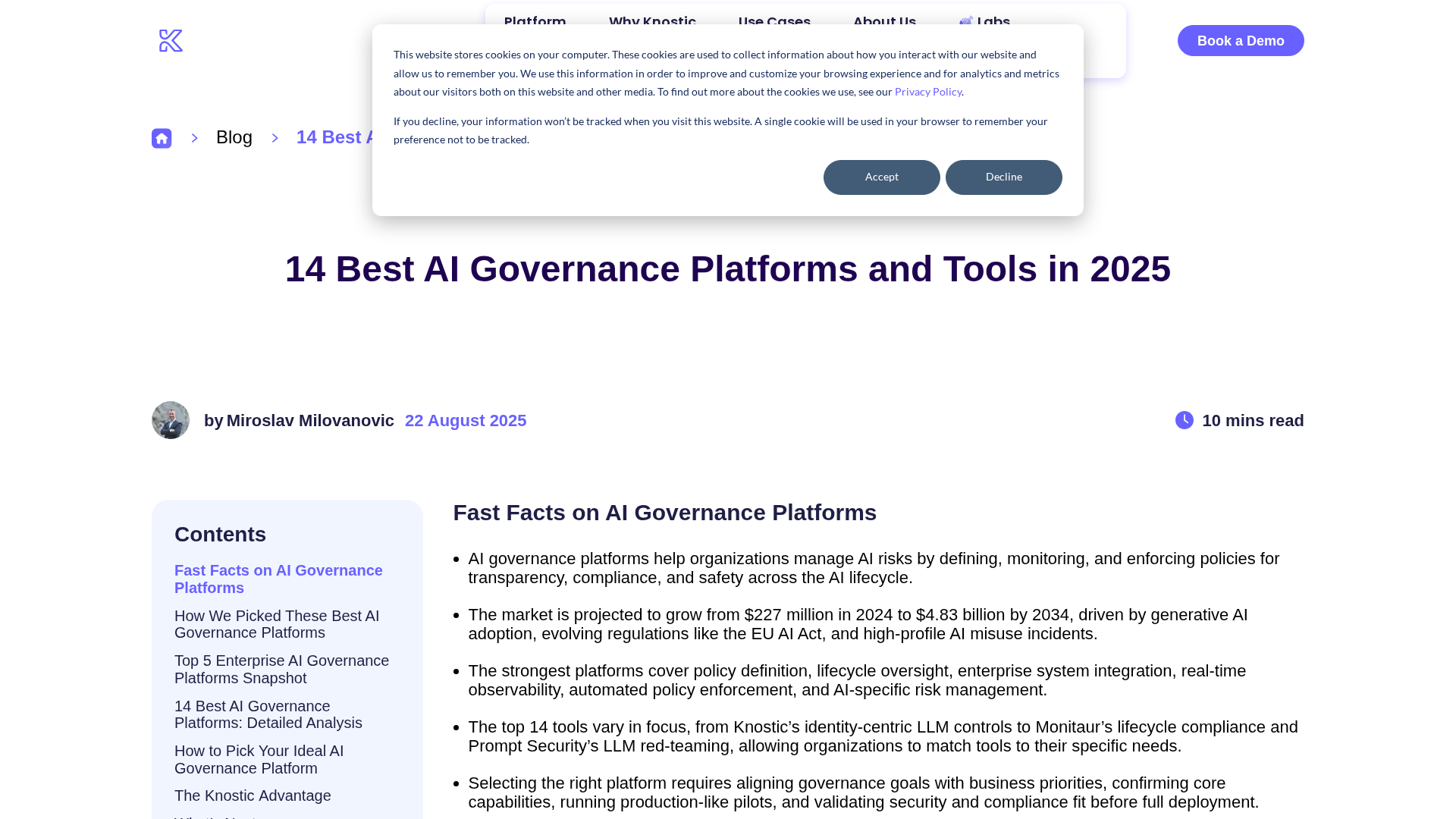
A vendor‑agnostic guide to the 14 best AI governance platforms in 2025, with criteria, comparisons, and practical buying guidance.
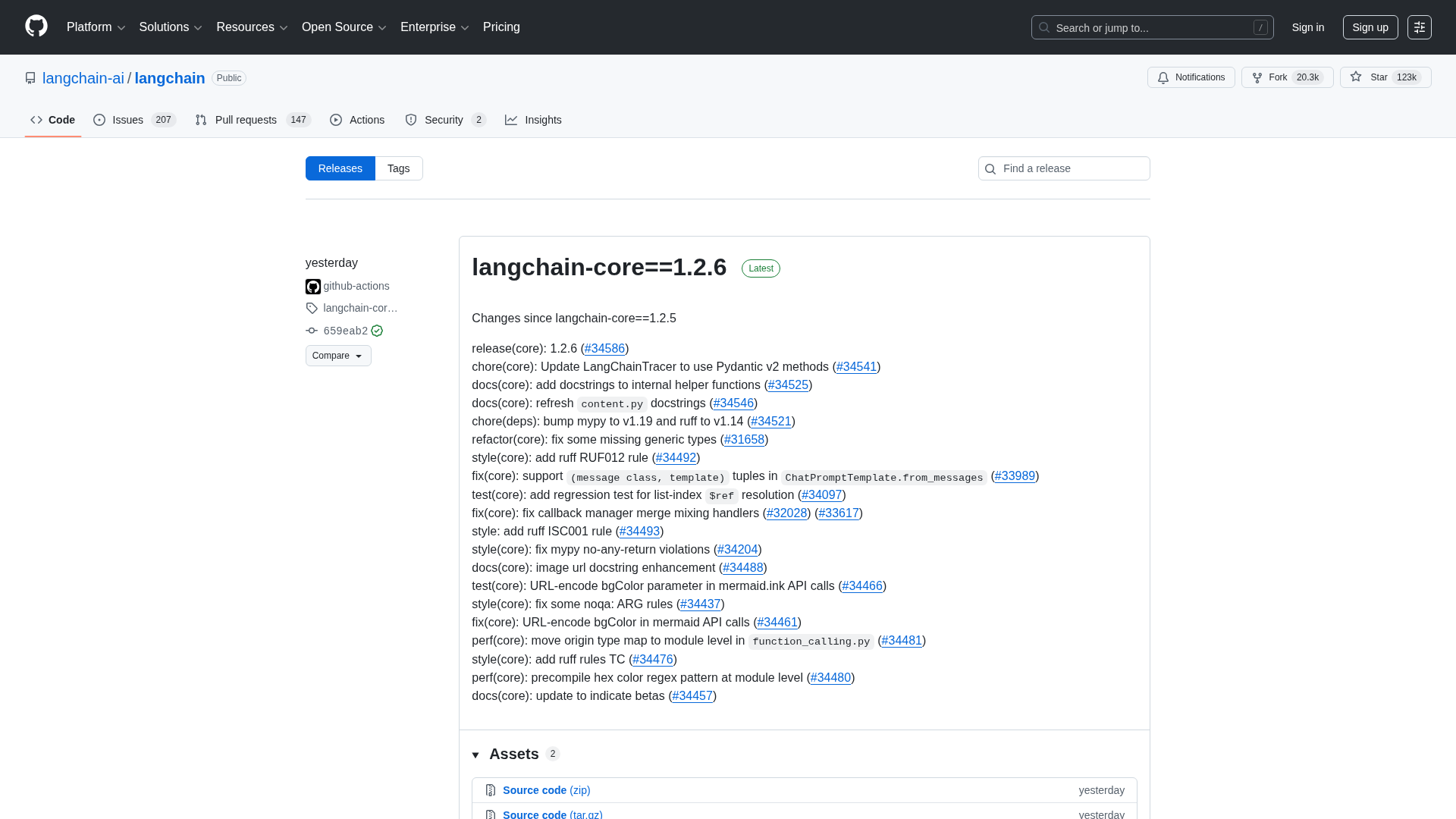
A comprehensive LangChain releases roundup detailing Core 1.2.6 and interconnected updates across XAI, OpenAI, Classic, and tests.
A reproducible bug where LangGraph with Gemini ignores tool results when a PDF is provided, even though the tool call succeeds.
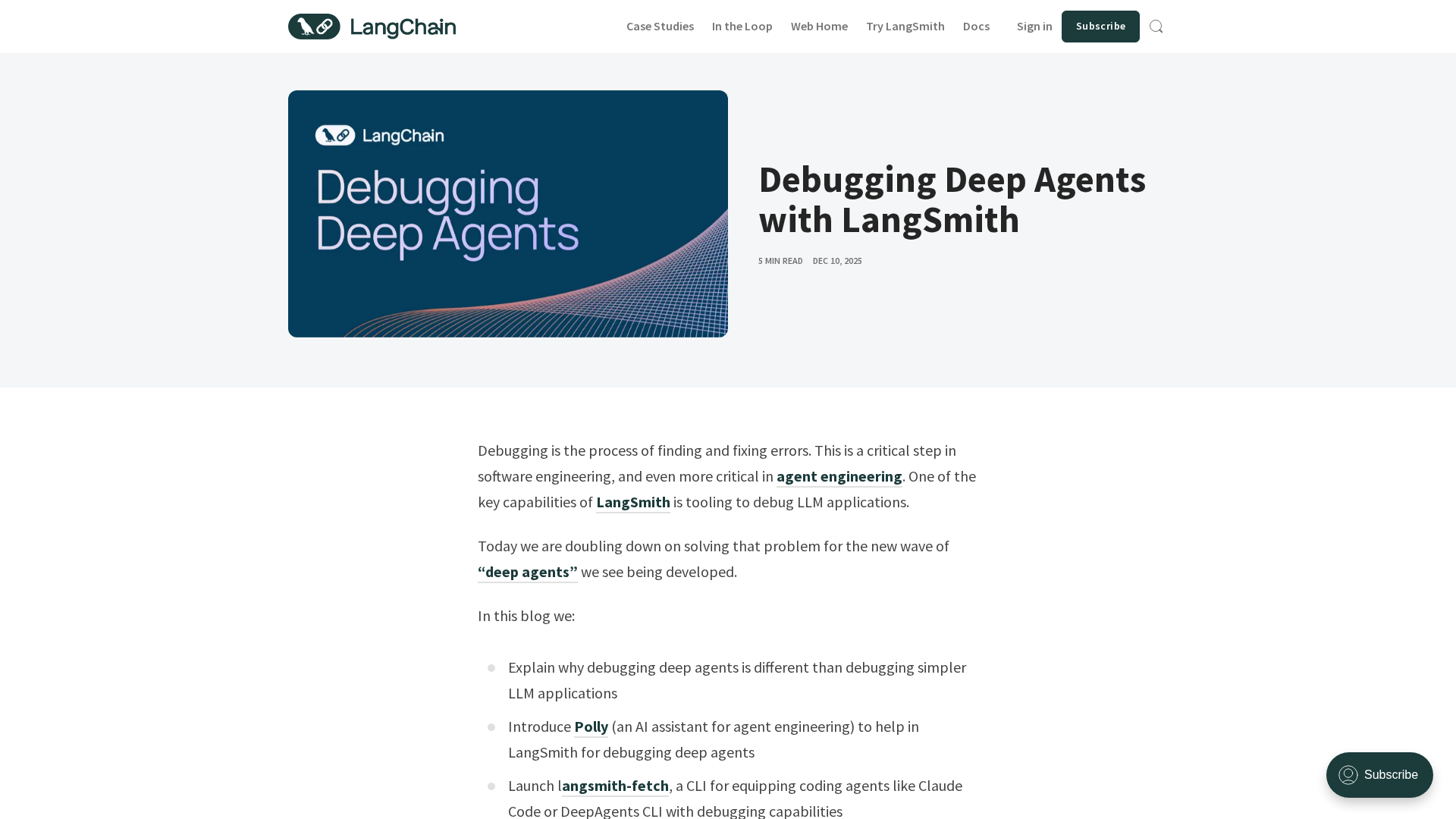
A practical guide to debugging deep agents with LangSmith using tracing, Polly AI analysis, and the LangSmith Fetch CLI.
A CLI tool to pull LangSmith traces and threads directly into your terminal for fast debugging and automation.