Topic Overview
Autonomous AI agents for digital finance refers to systems that use chained LLMs, retrieval-augmented generation (RAG), embeddings and orchestration frameworks to perform tasks such as transaction monitoring, customer servicing, trade execution, and investigatory workflows with minimal human intervention. As firms pilot production agents, risk intelligence providers such as TRM Labs have emphasized new attack surfaces—data exfiltration, spoofed transactions, and opaque decision trails—while regulators are increasingly focused on auditability and governance. Key platform components cluster into categories: agent frameworks and orchestration (LangChain, AutoGPT, LlamaIndex) that enable stateful agents, RAG and document agents; managed model and deployment platforms (Vertex AI, Cohere) that provide private models, fine‑tuning, and monitoring; enterprise assistant and multi‑agent products (IBM watsonx Assistant, StackAI) that support no‑code/low‑code assembly, role separation, and policy controls; vertical agent marketplaces and contact‑center tooling (Observe.AI) that operationalize voice/chat automation; and specialized market‑intelligence and compliance stacks for AML, provenance, and reporting. Current trends (Q1 2026) include broader adoption of model observability, cryptographic or ledgered provenance for RAG sources, standardized agent governance controls, and tighter integration between compliance tooling and agent runtimes. Practical comparisons should therefore evaluate not just LLM quality, but state management, audit logs, policy enforcement, data residency, and upstream risk-detection integrations. For finance teams, choice of stack is a tradeoff between control (self‑hosted frameworks and private models) and operational simplicity (managed platforms and packaged assistants), balanced against regulatory obligations and TRM-style threat models that demand explainability and robust controls.
Tool Rankings – Top 6

Engineering platform and open-source frameworks to build, test, and deploy reliable AI agents.

Unified, fully-managed Google Cloud platform for building, training, deploying, and monitoring ML and GenAI models.

Enterprise virtual agents and AI assistants built with watsonx LLMs for no-code and developer-driven automation.

Platform to build, deploy and run autonomous AI agents and automation workflows (self-hosted or cloud-hosted).

End-to-end no-code/low-code enterprise platform for building, deploying, and governing AI agents that automate work onun

Enterprise conversation-intelligence and GenAI platform for contact centers: voice agents, real-time assist, auto QA, &洞
Latest Articles (79)
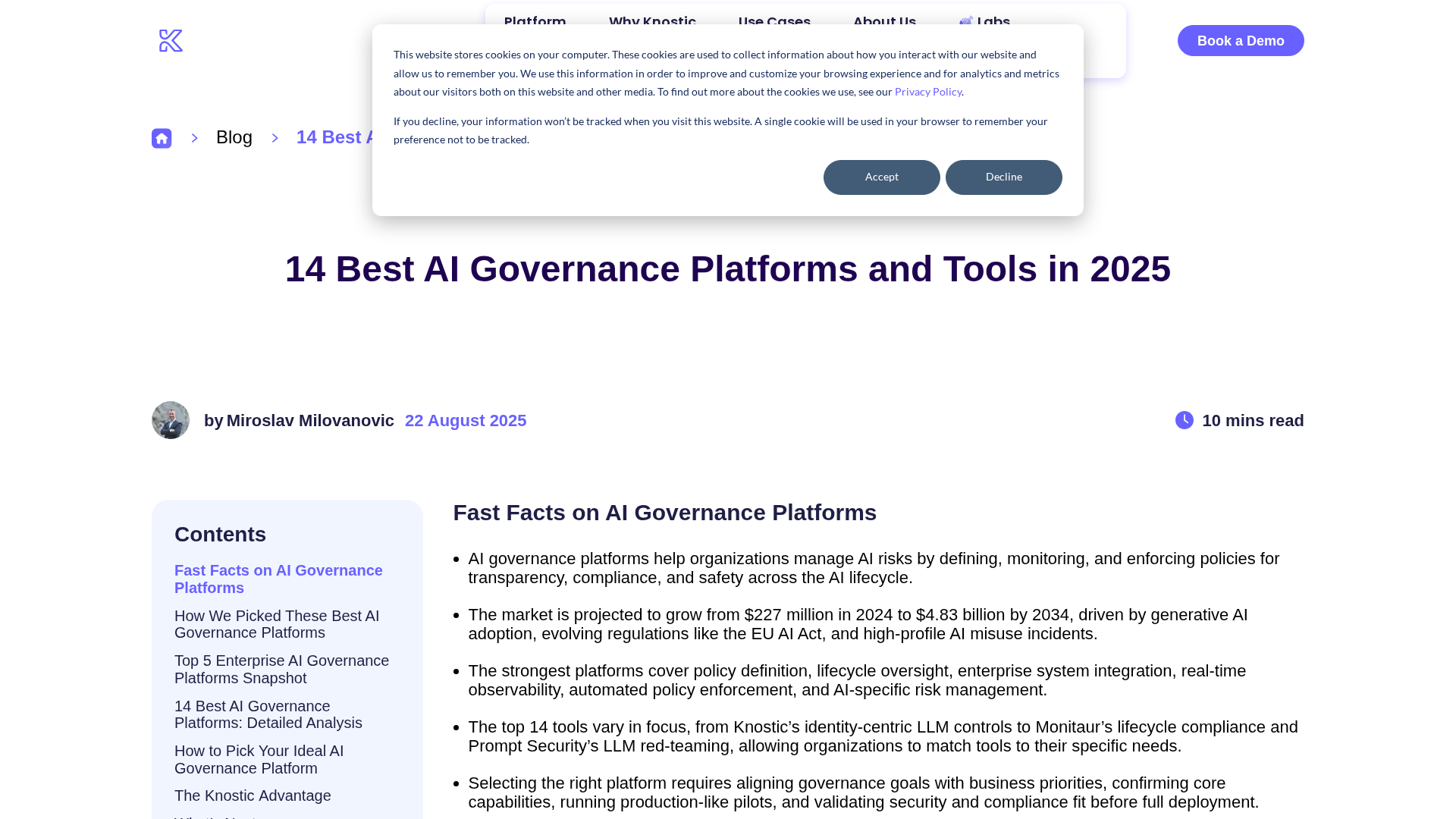
A vendor‑agnostic guide to the 14 best AI governance platforms in 2025, with criteria, comparisons, and practical buying guidance.
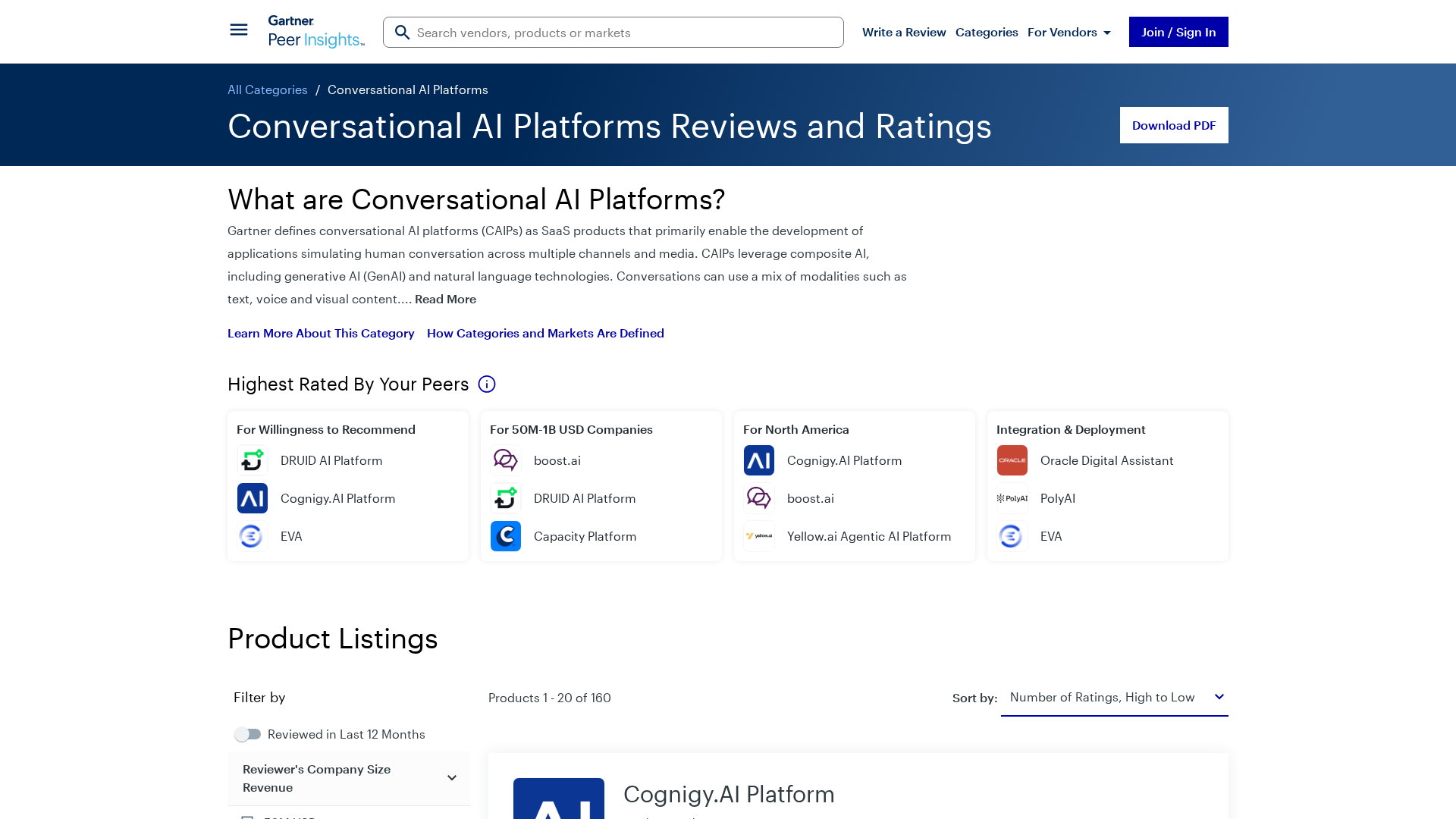
Gartner’s market view on conversational AI platforms, outlining trends, vendors, and buyer guidance.
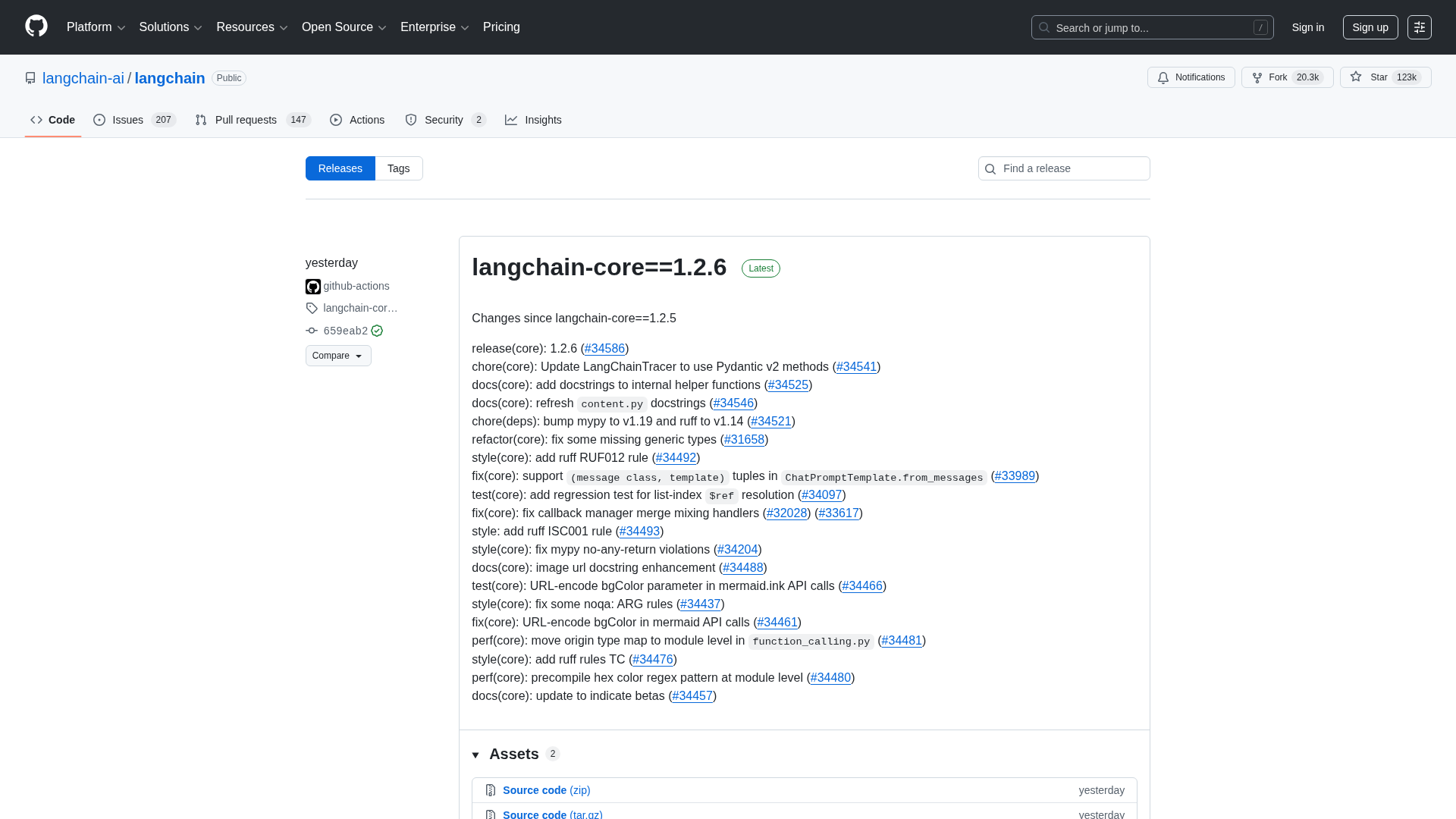
A comprehensive LangChain releases roundup detailing Core 1.2.6 and interconnected updates across XAI, OpenAI, Classic, and tests.
Best-practices for securing AI agents with identity management, delegated access, least privilege, and human oversight.

Cannot access the article content due to an access-denied error, preventing summarization.