Topic Overview
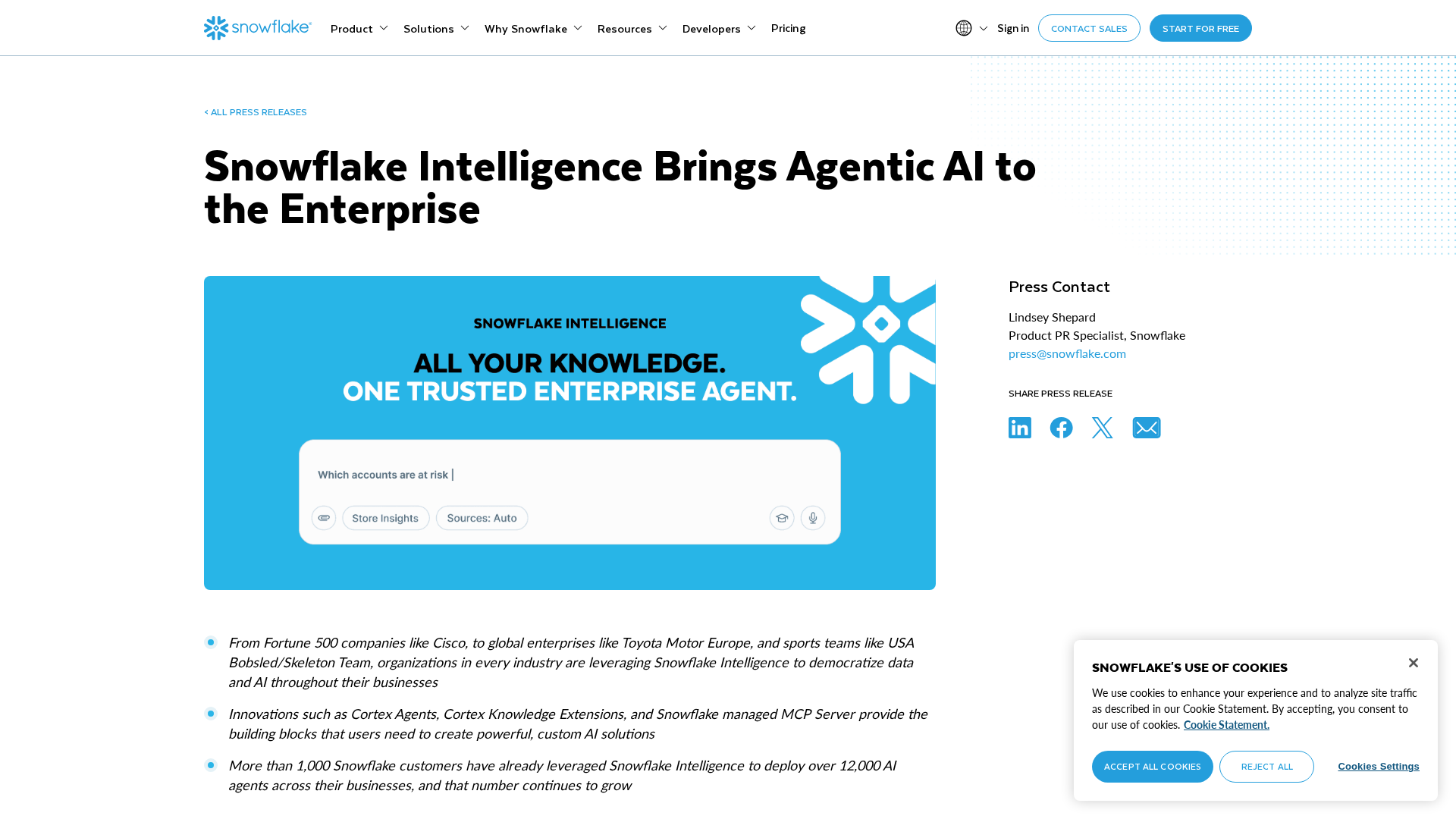
This topic covers platforms and patterns enterprises use to deploy and orchestrate production AI agents—systems that connect language models to data, services, and operational workflows. As organizations move from experimentation to production, they face choices about where agents run (cloud, on‑prem, hybrid), how they access governed data, and how teams monitor, scale, and secure multi‑agent workflows. Relevance and timing (2026): recent integrations—illustrated by Snowflake–Anthropic co‑deployments, Unicorne+AWS partnerships, and Red Hat/AWS integration patterns—reflect a shift toward collocated model compute and data platforms, containerized operator workflows, and managed infra for enterprise compliance. That trend makes agent orchestration platforms essential for controlling data access, auditability, and cost while enabling low‑latency, policy‑aware inference. Tool and category roles: Agent Frameworks (e.g., LlamaIndex, AutoGPT, AgentGPT) provide developer primitives—document indexing, RAG pipelines, autonomous task planners, and programmatic orchestration—used to construct agent behavior and retrieval flows. Low‑Code Workflow Platforms (e.g., MindStudio) lower the barrier for product teams and ops to design, test, deploy, and operate agents with visual flows, role‑based controls, and deployment templates. Together these categories cover both engineering‑centric and citizen‑developer deployment paths. Trends and operational considerations: enterprises prioritize RAG tooling, secure connectors to data platforms, containerized deployments (OpenShift/EKS), and observability for multi‑agent systems. Practical adoption favors hybrid architectures that keep sensitive data close to the source (Snowflake-like patterns), use managed cloud primitives for scaling (Unicorne/AWS‑style), and leverage established orchestration stacks (Red Hat/AWS integrations) for lifecycle management. Choosing platforms hinges on governance needs, developer experience, and integration with existing cloud and data infrastructure.
Tool Rankings – Top 4

No-code/low-code visual platform to design, test, deploy, and operate AI agents rapidly, with enterprise controls and a

Developer-focused platform to build AI document agents, orchestrate workflows, and scale RAG across enterprises.

Platform to build, deploy and run autonomous AI agents and automation workflows (self-hosted or cloud-hosted).

A browser-based platform to create and deploy autonomous AI agents with simple goals.
Latest Articles (27)
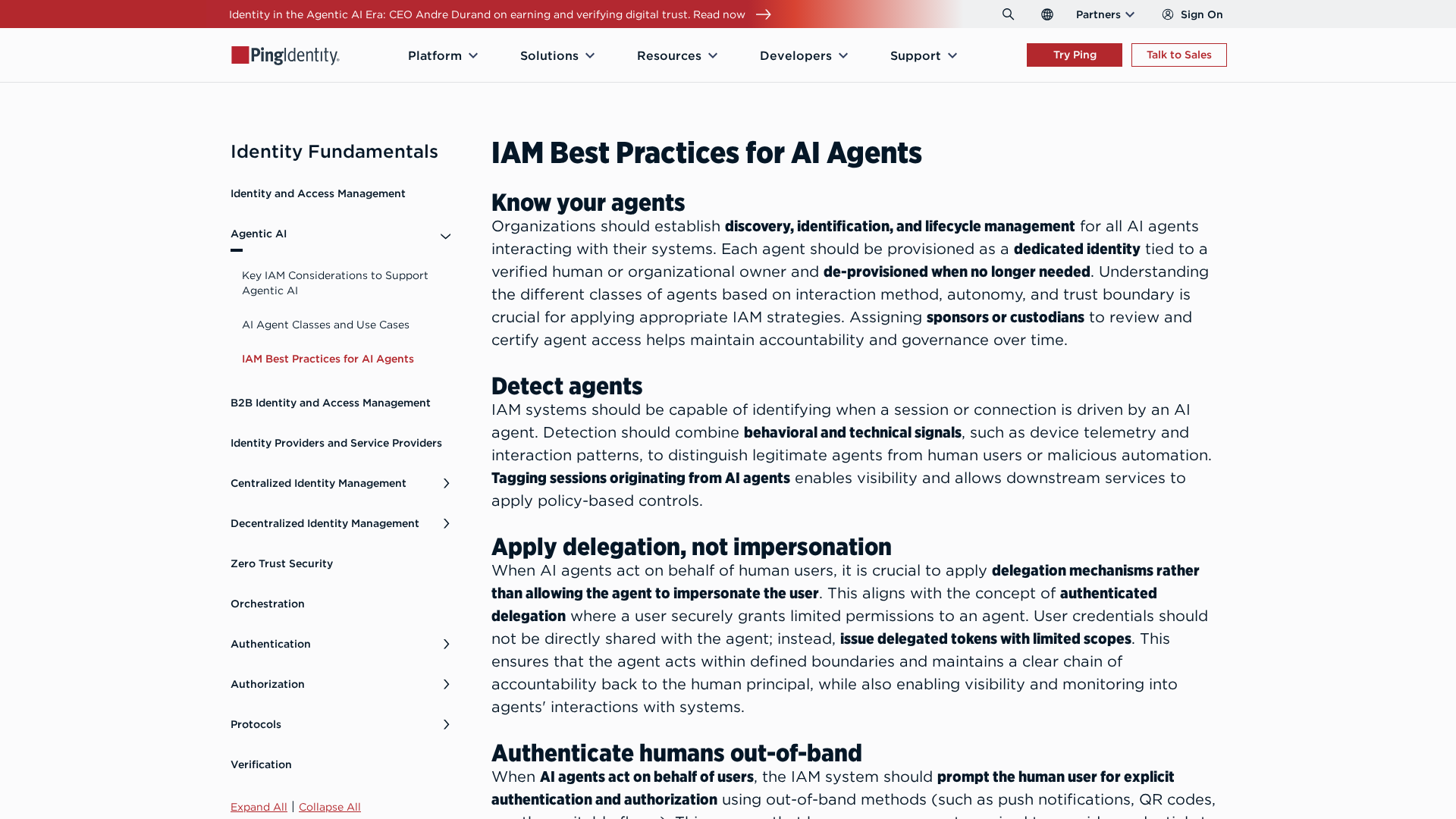
Best-practices for securing AI agents with identity management, delegated access, least privilege, and human oversight.
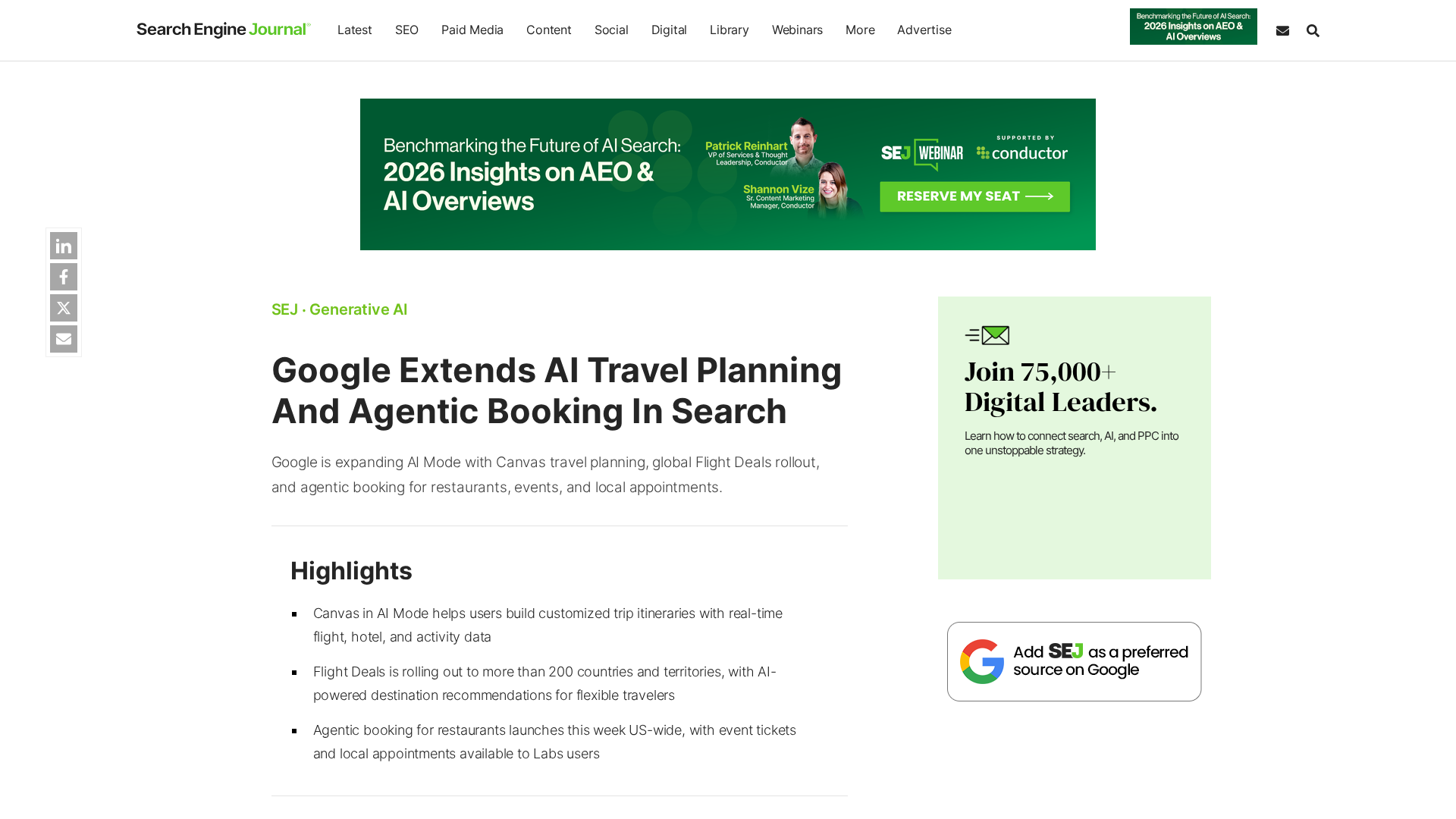
Google expands Canvas travel planning, global Flight Deals, and agentic booking to handle travel research and reservations inside Search AI Mode.
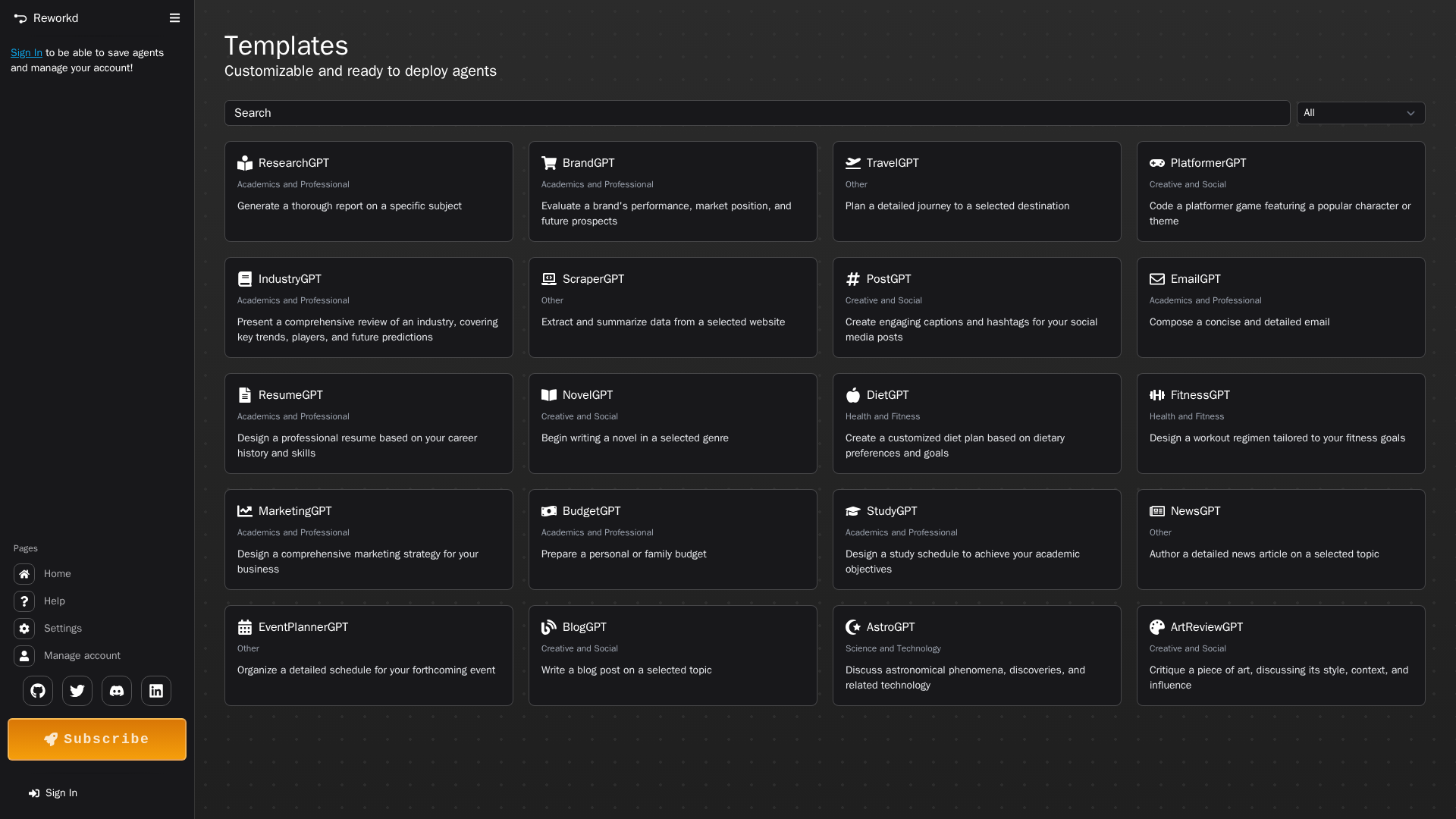
A catalog of customizable in-browser AI agents ready to deploy for research, planning, creativity, health, and more.
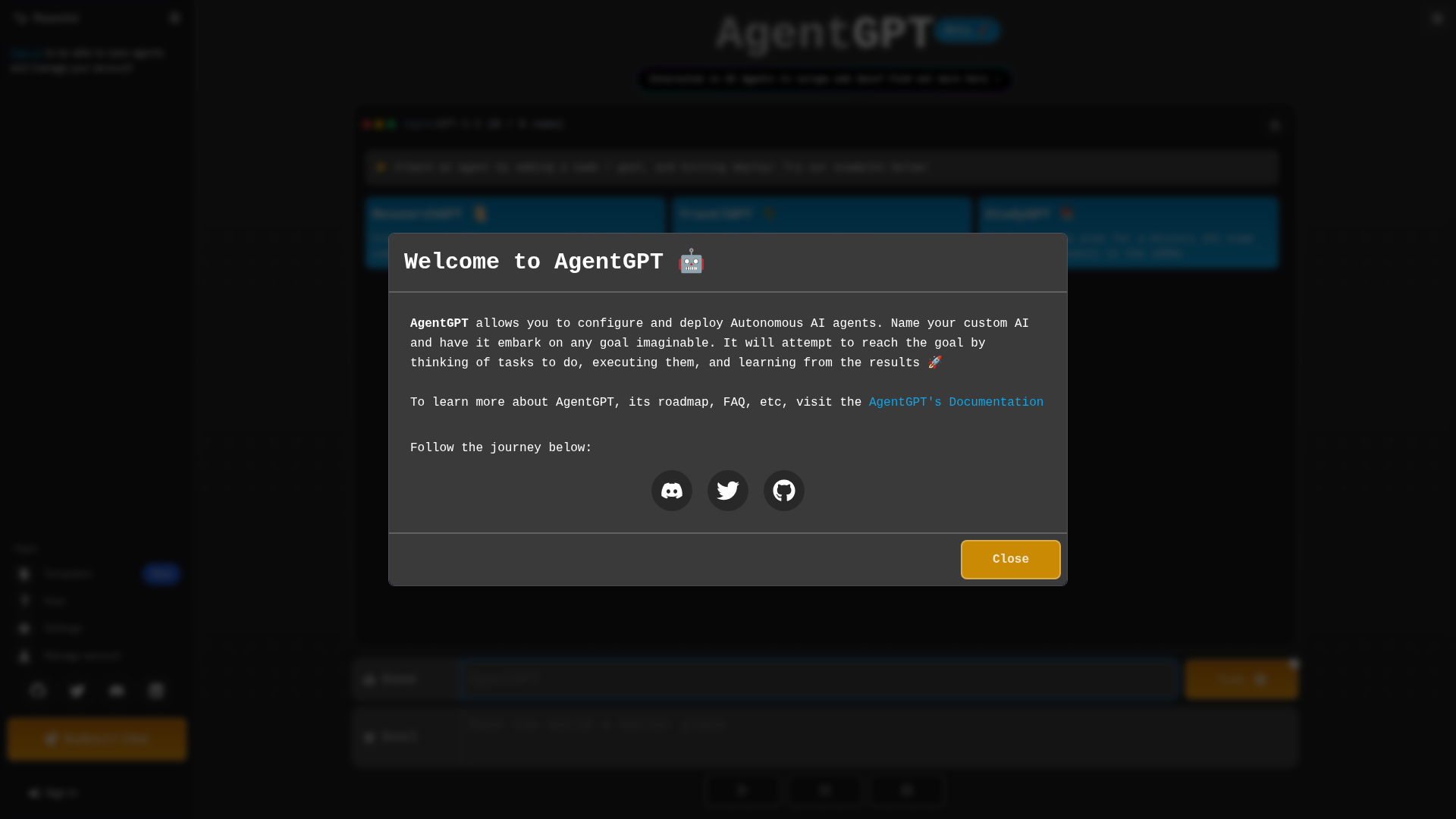
A browser-based platform to create and deploy autonomous AI agents with simple prompts.
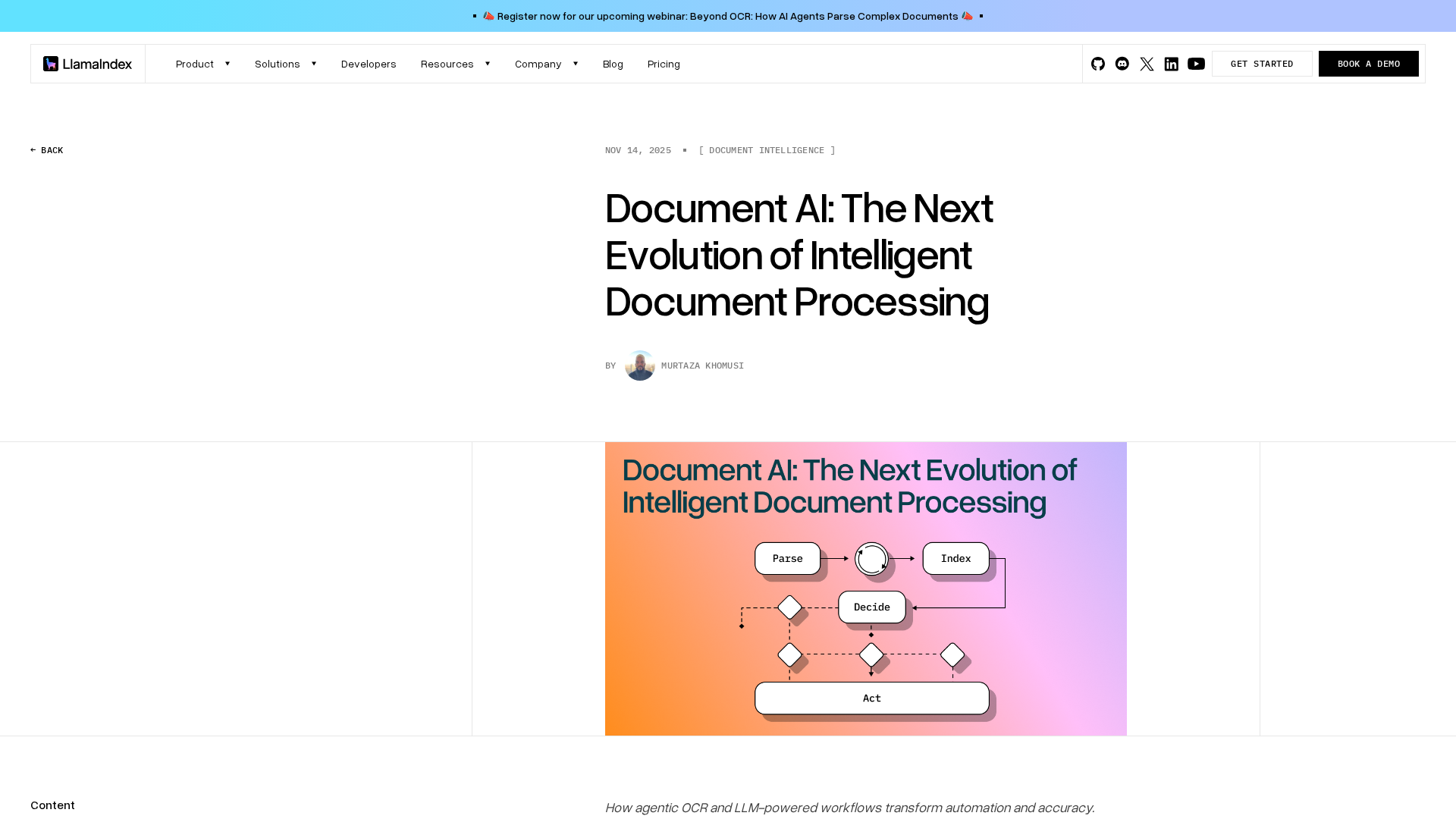
Explains how agentic OCR and LLM-powered workflows enable autonomous, high-accuracy document processing with the LlamaIndex stack.