Topic Overview
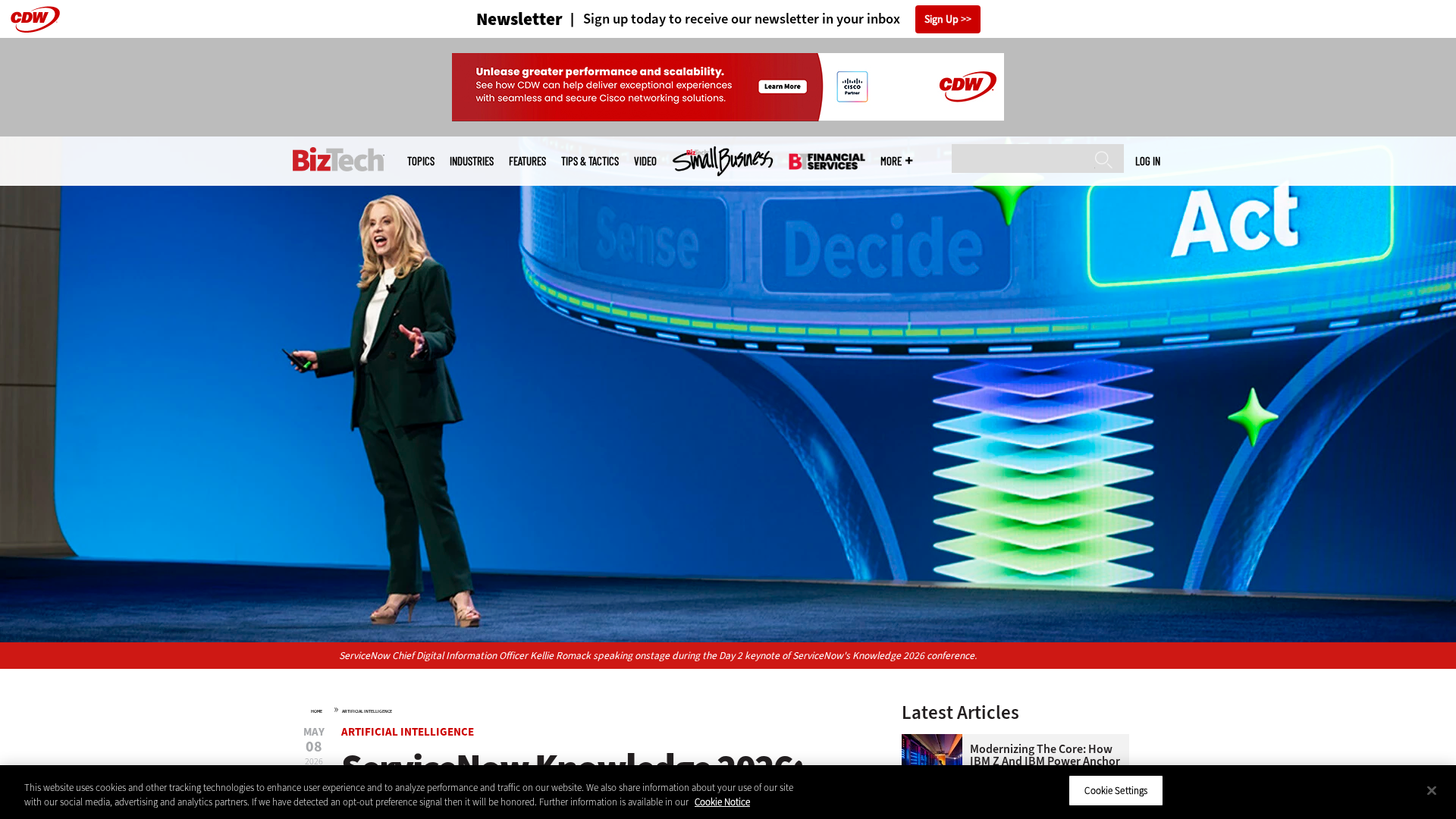
This topic examines the landscape of AI collaboration and workflow platforms employers use to design, automate and run team processes in 2026. As generative models and agent orchestration have moved from prototypes into everyday workstreams, organizations need platforms that combine task orchestration, knowledge, low-code/no-code app builders, meeting assistants and underlying data/infra controls. That convergence makes choices about governance, deployment model, observability and integrations as important as UI or model capabilities. Key entrants span multiple categories: enterprise workflow and service platforms (ServiceNow’s AI-enabled service and IT workflows; Microsoft’s M365, Copilot and Power Platform for low-code automation), data and edge infrastructure (NetApp and Samsung solutions for storage/edge deployment and data locality), and specialist/tooling providers such as Notion (block-based AI workspace for docs, knowledge and databases), Asana (work graph-driven task and project management), n8n (hybrid visual automation with AI nodes and self-hosting), LangChain (developer framework for building and deploying LLM agents), Kore.ai (multi-agent enterprise orchestration with governance and observability) and Replit (AI-assisted IDE and rapid app hosting). Trends informing selection include stronger governance and observability requirements, hybrid and edge deployment for data-sensitive workloads, tighter integration between no-code/low-code tooling and pro-code frameworks, and the rise of multi-agent patterns for complex workflows. Business buyers should prioritize platforms based on where their data must reside, required levels of customization, integration breadth, and vendor support for model governance and auditability rather than feature checklists alone.
Tool Rankings – Top 6
A single, block-based AI-enabled workspace that combines docs, knowledge, databases, automation, and integrations to sup

Work management platform that helps teams plan, track, and deliver work with AI and automation.
Hybrid workflow automation platform with a visual editor, code support, AI nodes, and broad integrations—self-hosted,云,或

An open-source framework and platform to build, observe, and deploy reliable AI agents.

Enterprise AI agent platform for building, deploying and orchestrating multi-agent workflows with governance, observabil

AI-powered online IDE and platform to build, host, and ship apps quickly.
Latest Articles (33)
A concise guide to the top 10 conversational AI platforms in 2024, with features, benefits, and use cases.
A live feed of the latest Asana forum threads—from feature updates and add-ons to AI roadmap and community discussions.
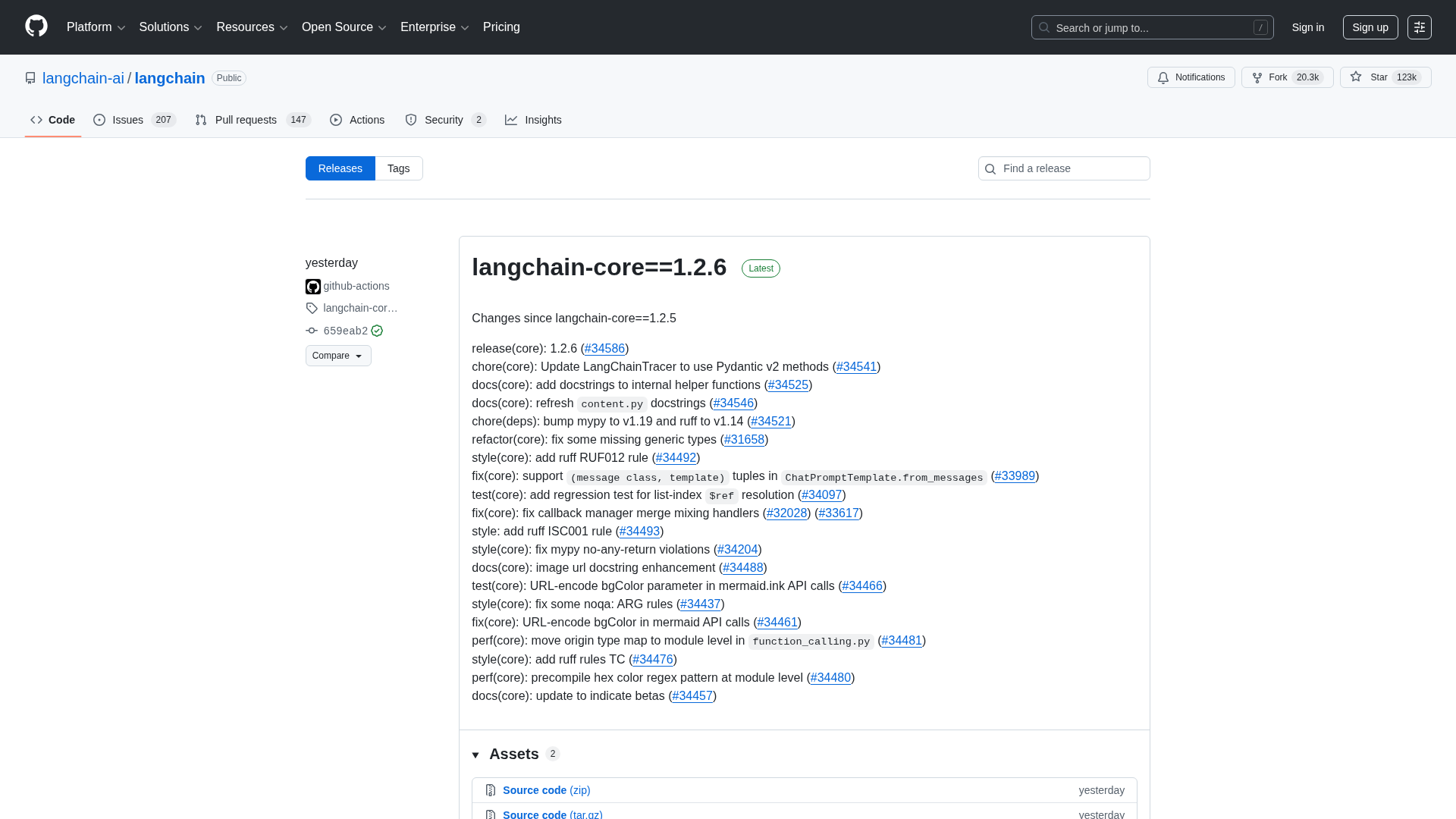
A comprehensive LangChain releases roundup detailing Core 1.2.6 and interconnected updates across XAI, OpenAI, Classic, and tests.
A reproducible bug where LangGraph with Gemini ignores tool results when a PDF is provided, even though the tool call succeeds.
A practical guide to debugging deep agents with LangSmith using tracing, Polly AI analysis, and the LangSmith Fetch CLI.