Topic Overview
This topic covers the AI tools and platform categories most relevant to building, simulating, and deploying robotics systems and digital twins: 3D model generation, edge AI vision platforms, AI data platforms, image/generative models, and developer/agent resources. As of 2026-06-01, organizations prioritize sim-to-real workflows, low-latency on-device perception, synthetic-data pipelines, and governance/observability for agentic orchestration—trends that shape tool selection and integration. Key platforms span roles: 3D model and image generators create synthetic scenes and textures used for simulation and training; edge AI vision platforms run optimized perception models on devices for real-time control; AI data platforms manage annotation, synthetic-data generation, and continuous retraining; generative resources accelerate asset creation and scenario generation; and agent/developer tools coordinate workflows, testing, and deployment. Representative tools include LangChain for building and deploying LLM-driven agents and orchestration logic; Kore.ai and Xilos for enterprise-grade multi-agent orchestration with governance and observability; Replit and JetBrains AI Assistant for iterative development and in‑IDE code assistance; CodeGeeX for code completion and model-based coding; v0 (Vercel) for rapid AI-first UI generation and deployment; and Notion for unified documentation and knowledge management. Selecting tools requires balancing fidelity of simulation, edge resource constraints, data quality, and operational observability. Practical implementations combine synthetic 3D assets and generative augmentation, edge-optimized vision stacks for inference, robust AI data platforms for labeled and synthetic data, and agent frameworks that provide governance and measurable behavior. This overview synthesizes current tool capabilities and industry trends to guide practitioners building reliable robotics systems and digital twins in 2026.
Tool Rankings – Top 6

An open-source framework and platform to build, observe, and deploy reliable AI agents.

Enterprise AI agent platform for building, deploying and orchestrating multi-agent workflows with governance, observabil

AI-powered online IDE and platform to build, host, and ship apps quickly.
In‑IDE AI copilot for context-aware code generation, explanations, and refactorings.
A single, block-based AI-enabled workspace that combines docs, knowledge, databases, automation, and integrations to sup
Intelligent Agentic AI Infrastructure
Latest Articles (49)
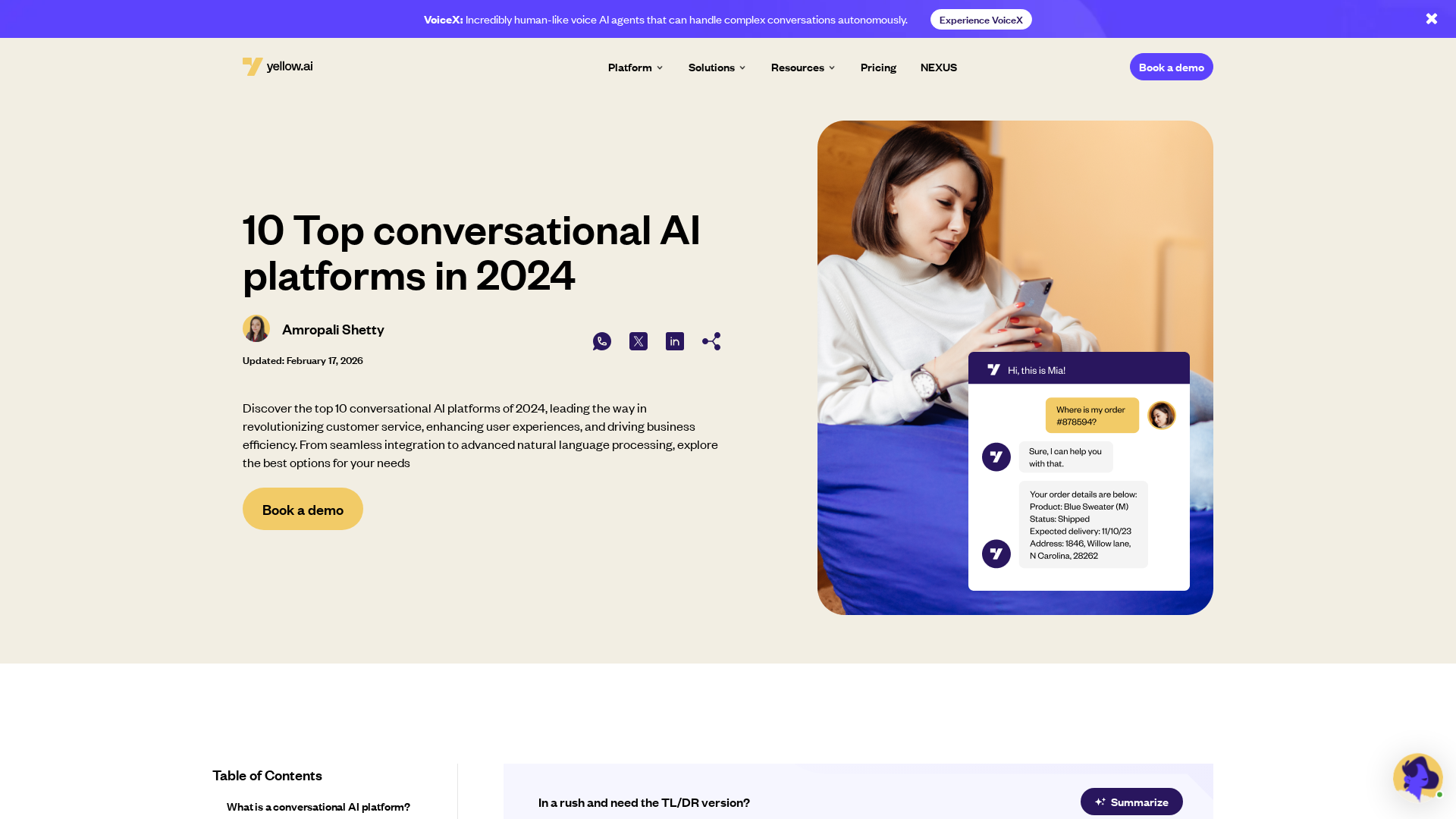
A concise guide to the top 10 conversational AI platforms in 2024, with features, benefits, and use cases.
OpenAI’s bypass moment underscores the need for governance that survives inevitable user bypass and hardens system controls.
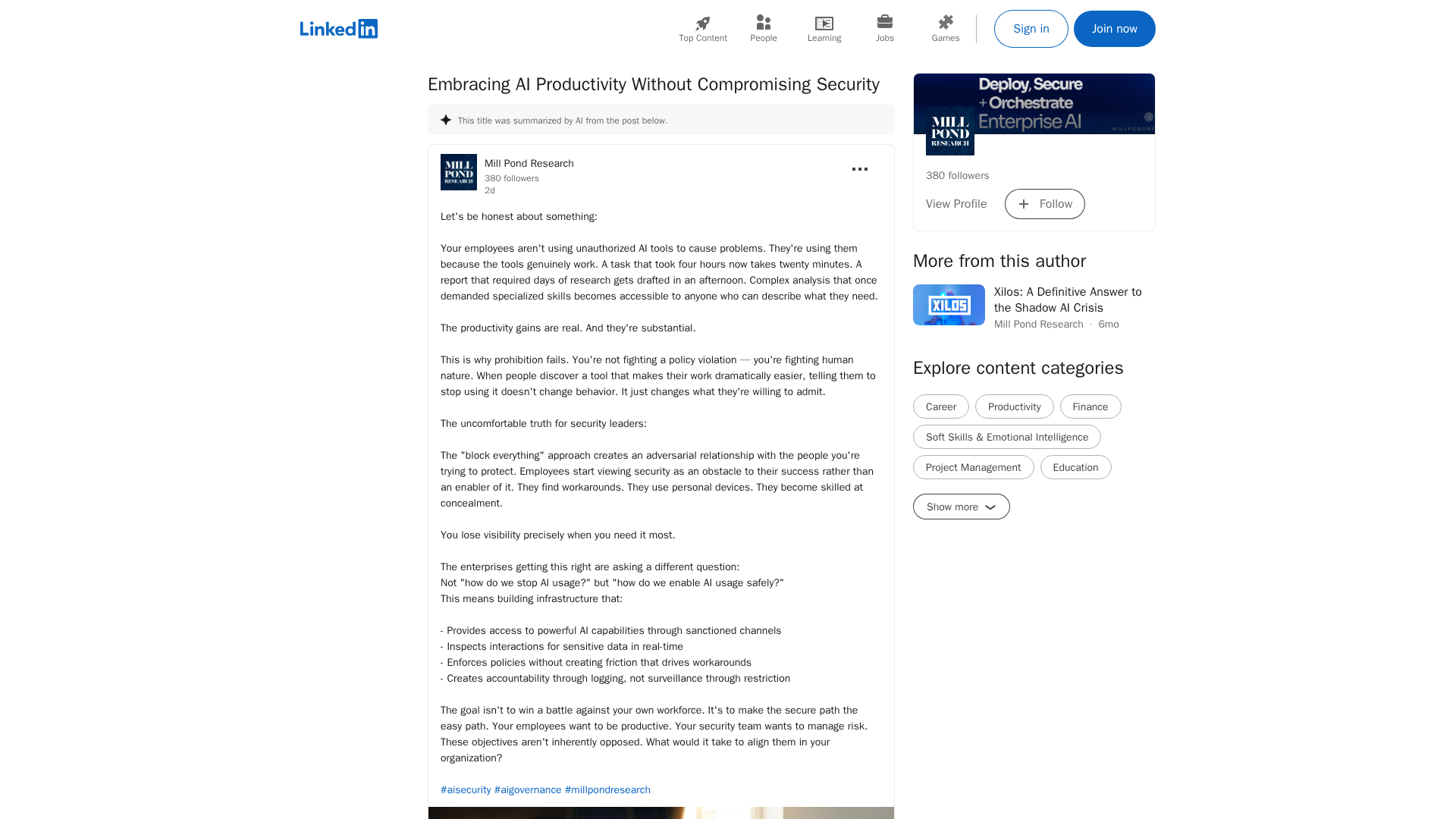
A call to enable safe AI use at work via sanctioned access, real-time data protections, and frictionless governance.
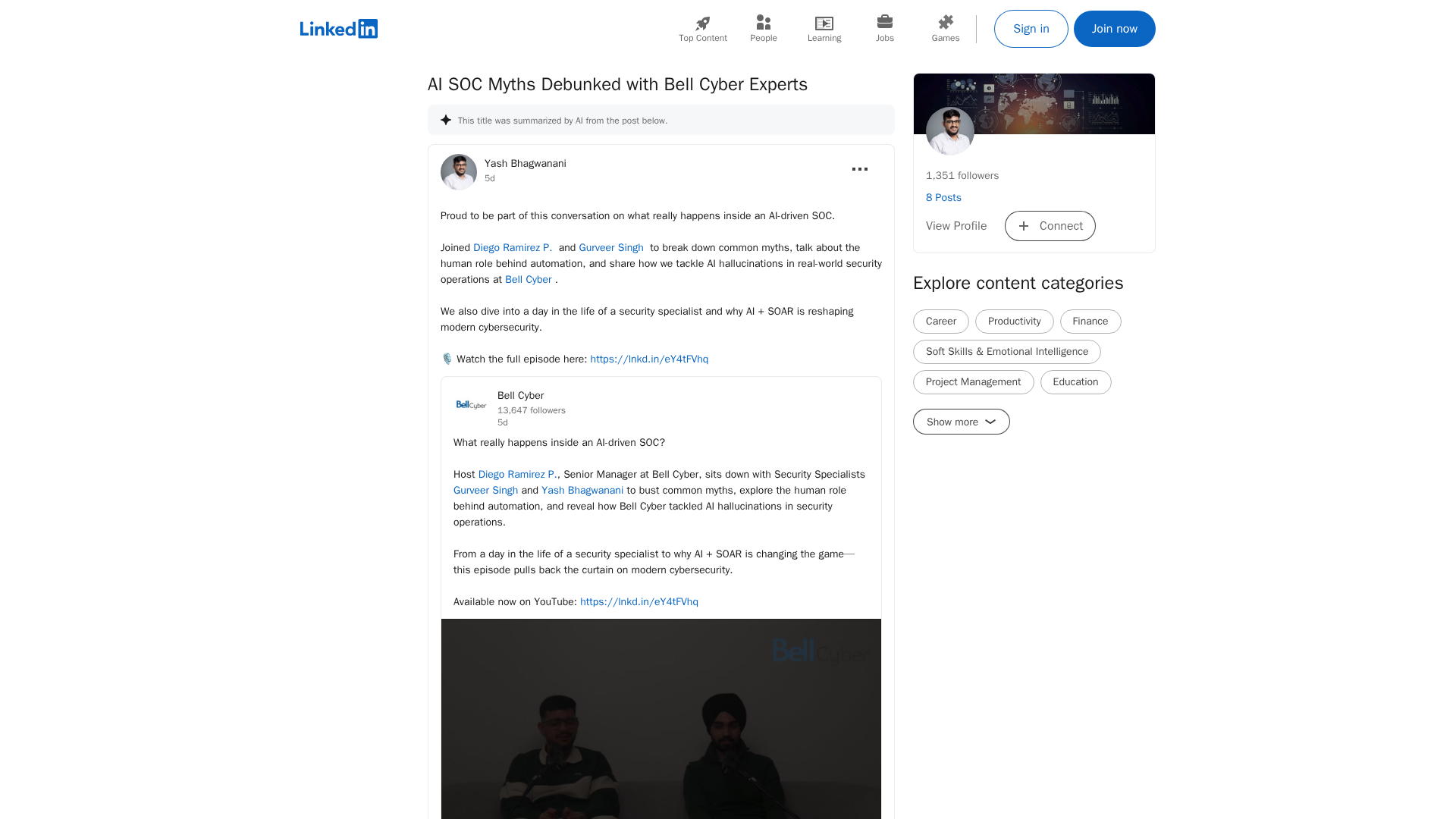
A real-world look at AI in SOCs, debunking myths and highlighting the human role behind automation with Bell Cyber experts.
Explores the human role behind AI automation and how Bell Cyber tackles AI hallucinations in security operations.