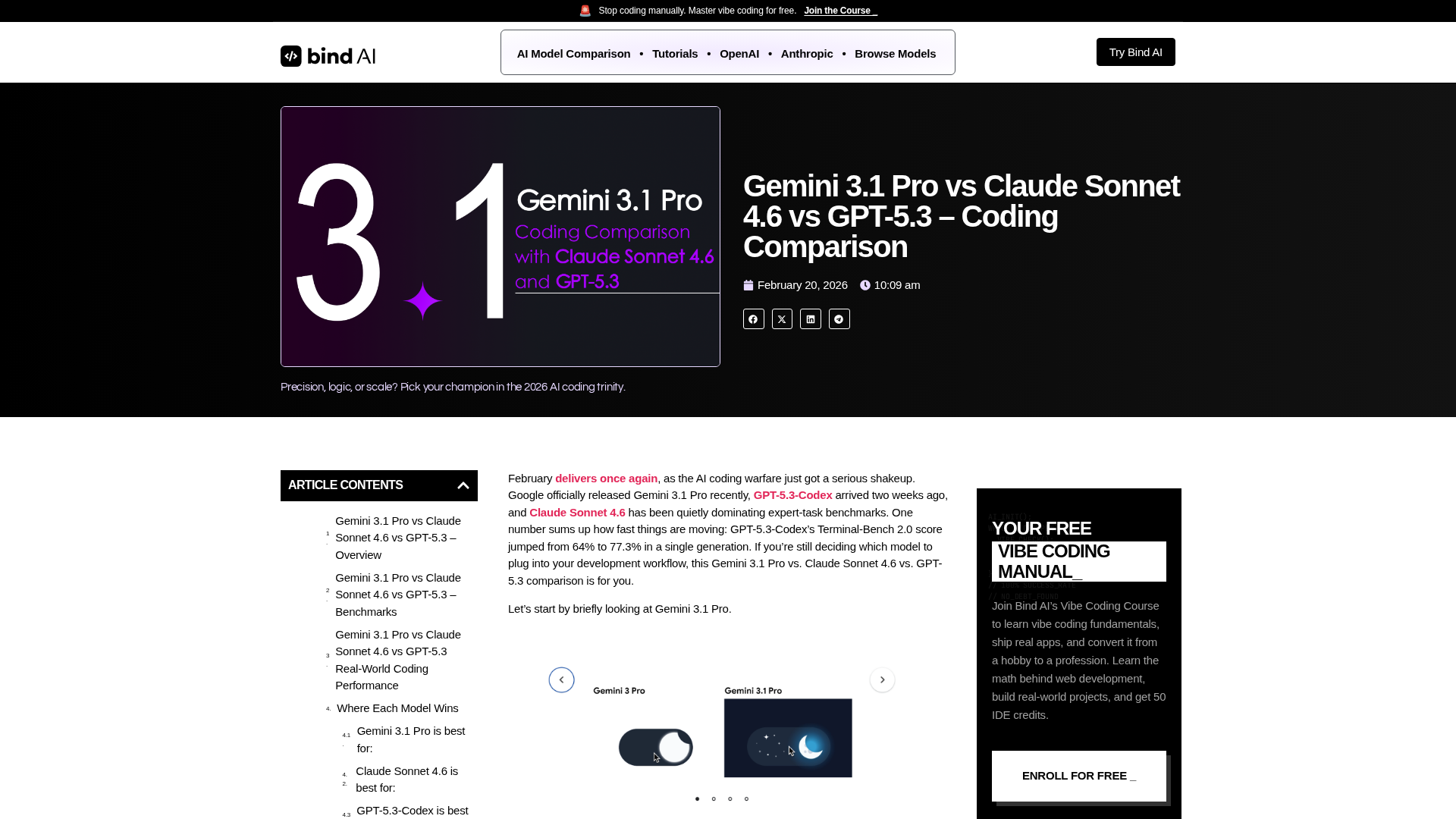
Topic Overview
This topic examines the state of long‑context large language models (LLMs) and the surrounding toolchain for multi‑step development as of 2026‑02‑20. It focuses on models optimized for extended context windows, persistent memory, retrieval‑augmented workflows, and reliable multi‑stage reasoning—typified by Google’s Gemini 3.1 Pro and Anthropic’s Claude Sonnet 4.6—and the infrastructure used to build, evaluate, and deploy them. Relevance: teams across research, competitive intelligence, and product development increasingly need LLMs that can hold 10k–100k+ tokens, maintain coherent multi‑step plans, and safely call external tools. This has driven rapid adoption of retrieval systems, agent orchestration frameworks, and enterprise-grade hosting and governance. Key evaluation axes include context capacity, chain‑of‑thought fidelity, hallucination rates, latency/cost tradeoffs, and integration with developer workflows. Key tools and roles: Google Gemini (multimodal LLMs, Vertex AI/AI Studio APIs) and Claude Sonnet (high‑context reasoning) are core model choices; LangChain provides the SDKs and orchestration primitives for building agent pipelines and retrieval‑augmented generation; IBM watsonx Assistant targets enterprise virtual agents and multi‑agent orchestration with governance; GitHub Copilot and JetBrains AI Assistant are in‑IDE copilots for stepwise code synthesis and refactoring; Replit and MindStudio accelerate prototyping and no/low‑code agent deployment. Practical considerations: selecting a stack requires balancing model capabilities, orchestration (LangChain, agent platforms), developer productivity (Copilot, JetBrains, Replit), and enterprise controls (watsonx, Vertex AI). Ongoing trends include larger attention windows, modular retrieval and memory layers, standardized agent APIs, and marketplaces for model endpoints—key for competitive intelligence workflows and reproducible research.
Tool Rankings – Top 6

Google’s multimodal family of generative AI models and APIs for developers and enterprises.

An open-source framework and platform to build, observe, and deploy reliable AI agents.

Enterprise virtual agents and AI assistants built with watsonx LLMs for no-code and developer-driven automation.

An AI pair programmer that gives code completions, chat help, and autonomous agent workflows across editors, theterminal

AI-powered online IDE and platform to build, host, and ship apps quickly.

No-code/low-code visual platform to design, test, deploy, and operate AI agents rapidly, with enterprise controls and a
Latest Articles (52)
A vendor‑agnostic guide to the 14 best AI governance platforms in 2025, with criteria, comparisons, and practical buying guidance.
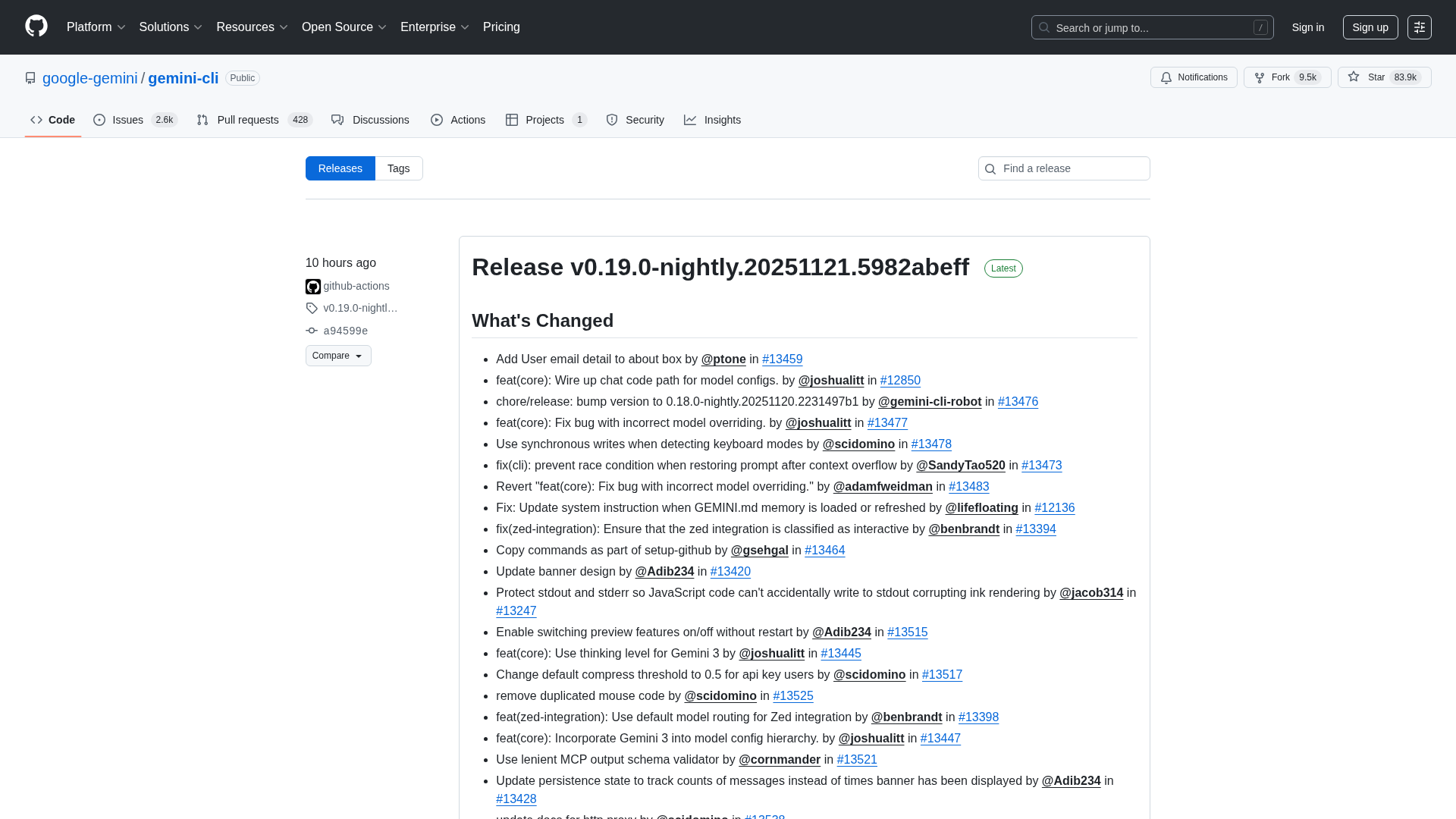
Overview of the Gemini CLI v0.36.0-preview release series, highlighting architectural, CLI, and UI changelogs across multiple pre-release versions.
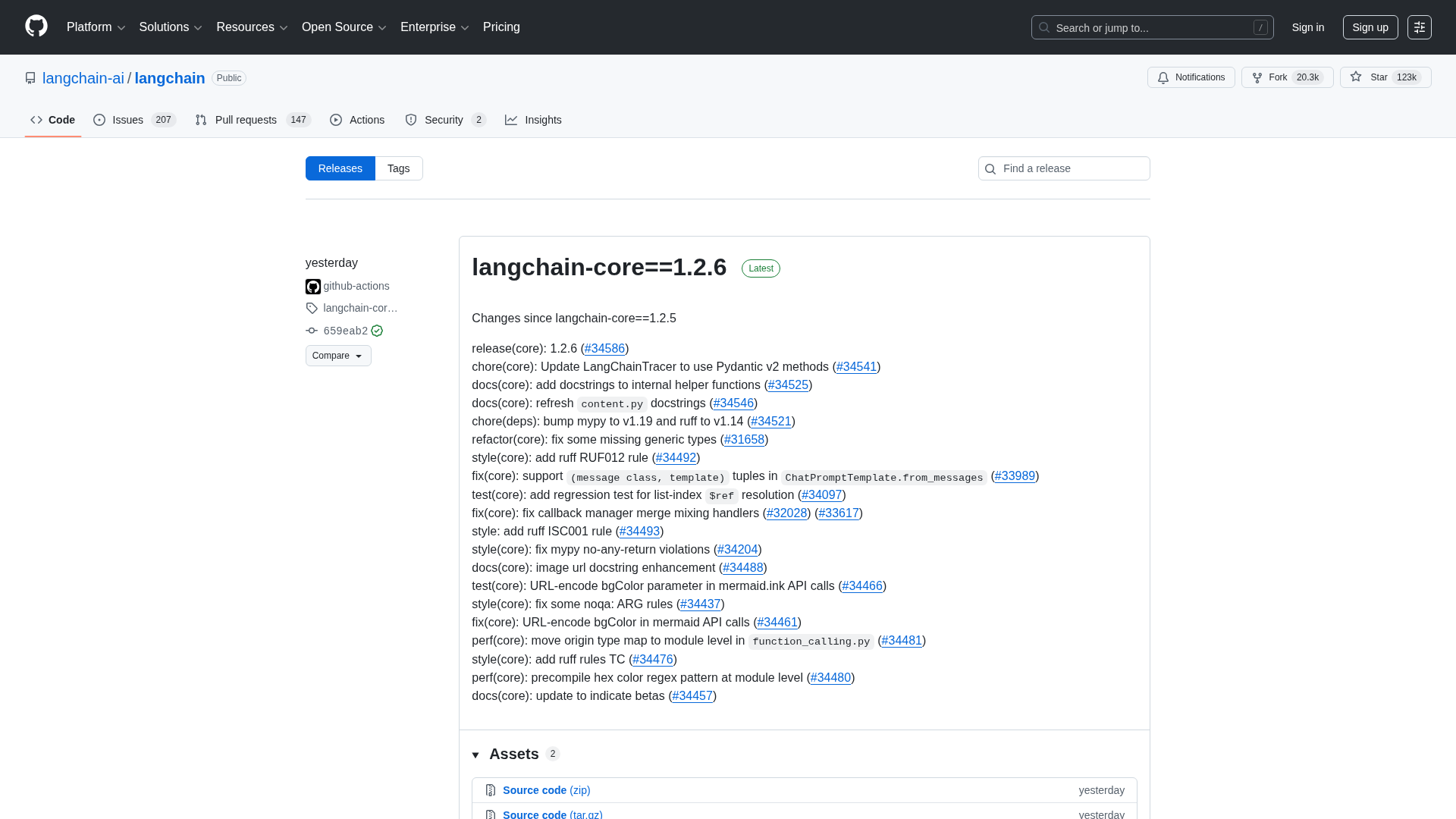
A comprehensive LangChain releases roundup detailing Core 1.2.6 and interconnected updates across XAI, OpenAI, Classic, and tests.
A reproducible bug where LangGraph with Gemini ignores tool results when a PDF is provided, even though the tool call succeeds.
A CLI tool to pull LangSmith traces and threads directly into your terminal for fast debugging and automation.