Topic Overview
This topic examines multimodal large language models (LLMs) optimized for vision inputs and extended context windows—comparing Claude (including Fable‑style variants), Google Gemini, and GPT family models—and how enterprises deploy them via cloud and edge AI platforms. Multimodal LLMs combine text, images, and often video or structured data to perform tasks such as visual question answering, document understanding, and agentic workflows that require long reference windows or memory. Relevance in 2026 reflects growing demand for long‑context reasoning, on‑device inference for latency and privacy, and production features like retrieval augmentation, fine‑tuning, governance, and observability. Key platforms and tools include Google Gemini (multimodal models and APIs integrated with Google AI Studio and Vertex AI for training, deployment, and monitoring); Anthropic’s Claude family (conversational and developer assistant models used for analysis, synthesis, and multimodal prompting); and GPT variants (widely used generative models with diverse context‑length and multimodal capabilities via OpenAI and partner deployments). Supporting ecosystems—Vertex AI for end‑to‑end model lifecycle, Cohere and Mistral for enterprise or open/efficient models and embeddings, Adept and Yellow.ai for agentic automation, and StackAI for no/low‑code agent orchestration—reflect how teams operationalize multimodal, long‑context workflows. Practical decision factors include model context length and truncation behavior, vision and video input fidelity, latency and cost for edge vs. cloud inference, data privacy and governance controls, and integration with retrieval or tool‑use pipelines. This comparison helps teams choose the right model and platform tradeoffs for vision‑heavy, long‑context applications in production.
Tool Rankings – Top 6

Google’s multimodal family of generative AI models and APIs for developers and enterprises.
Anthropic's Claude family: conversational and developer AI assistants for research, writing, code, and analysis.

Unified, fully-managed Google Cloud platform for building, training, deploying, and monitoring ML and GenAI models.

Enterprise agentic AI platform for CX and EX automation, building autonomous, human-like agents across channels.

Enterprise-focused LLM platform offering private, customizable models, embeddings, retrieval, and search.

Enterprise-focused provider of open/efficient models and an AI production platform emphasizing privacy, governance, and
Latest Articles (97)
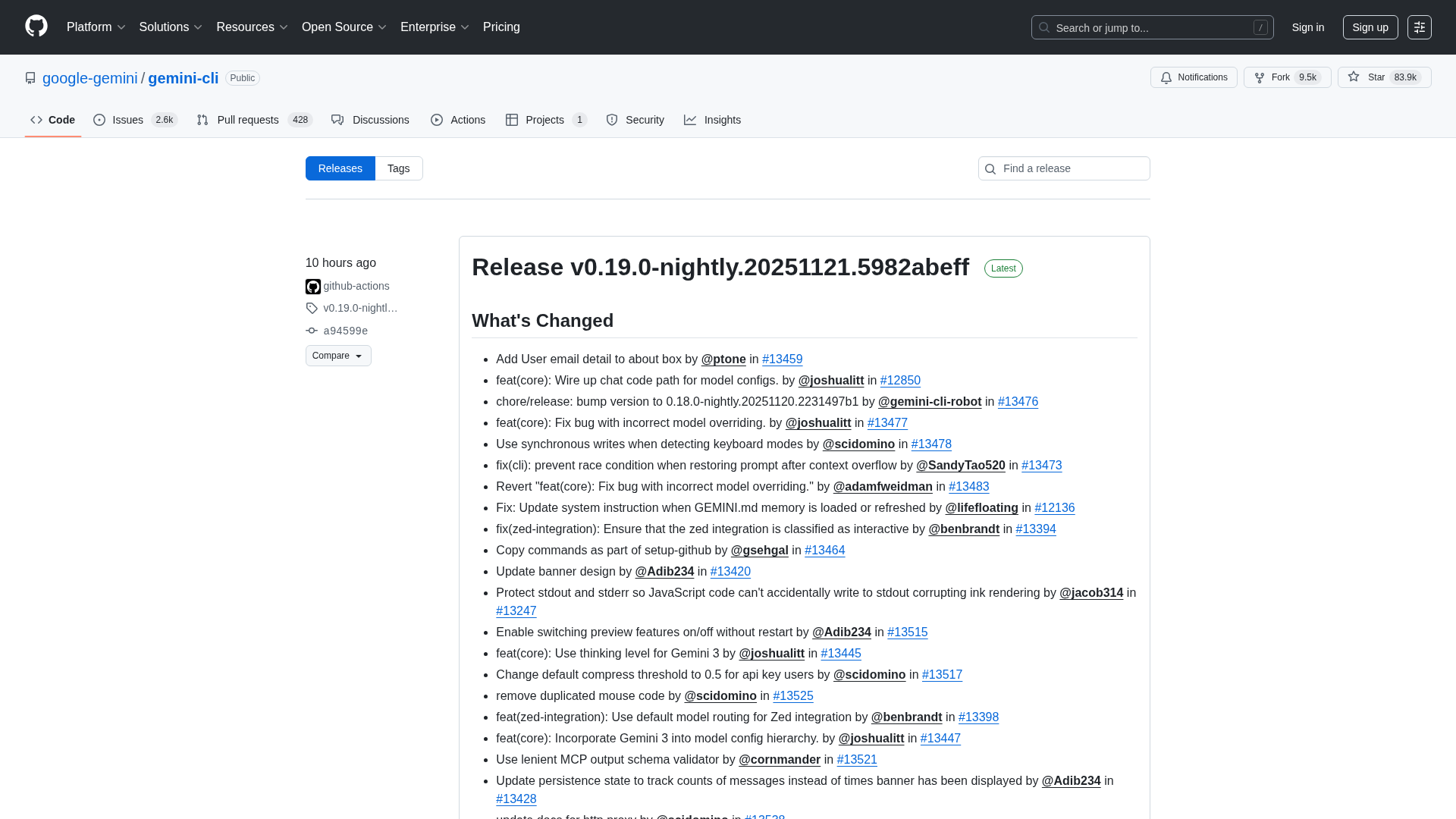
Overview of the Gemini CLI v0.36.0-preview release series, highlighting architectural, CLI, and UI changelogs across multiple pre-release versions.
A practical, step-by-step guide to fine-tuning large language models with open-source NLP tools.

Humain teams with XAI to develop next-generation AI compute power, aiming to accelerate AI workloads.
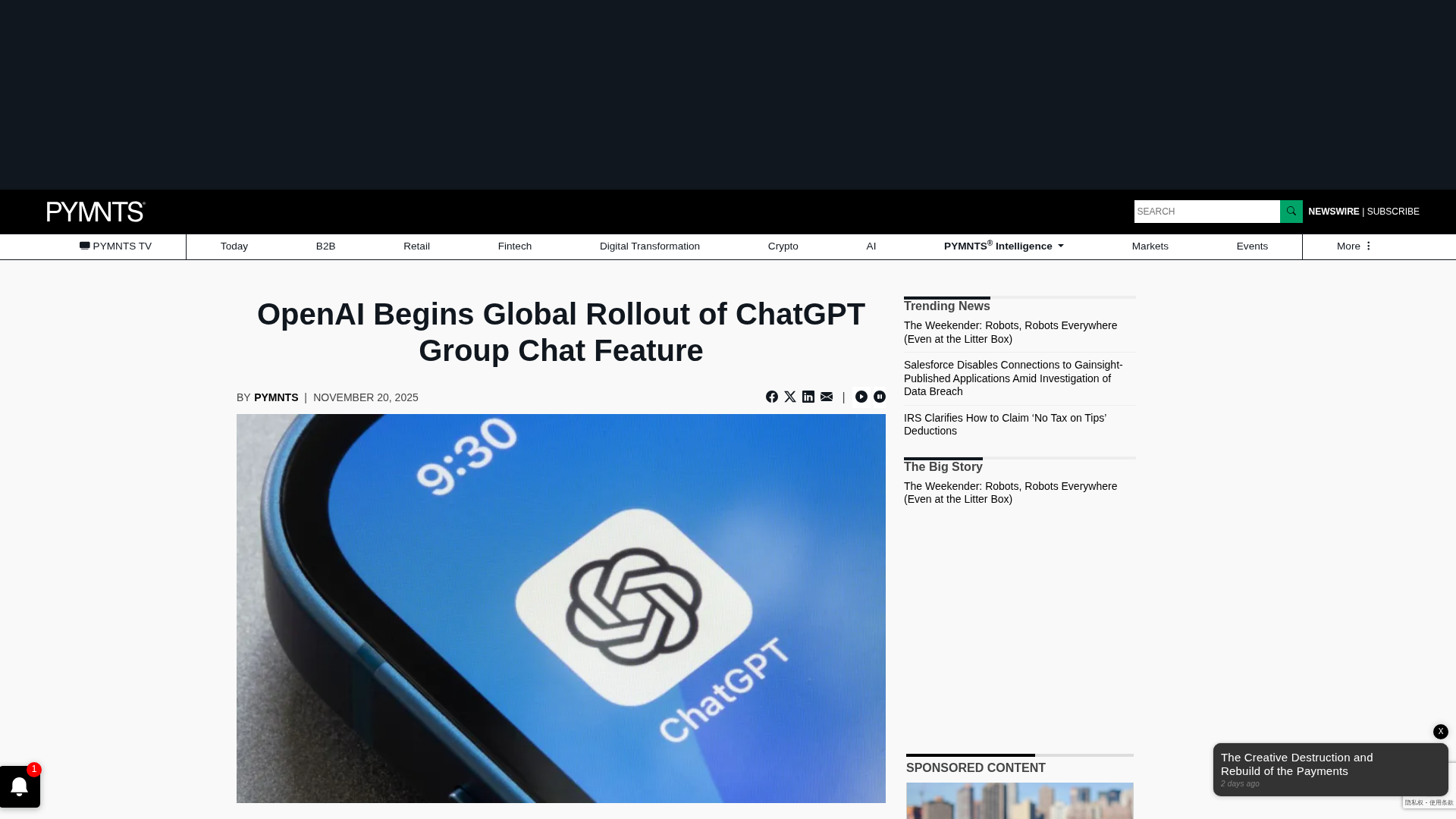
OpenAI expands ChatGPT group chats globally, enabling collaboration with up to 20 participants powered by GPT-5.1.
CMS data show a 4,000% jump in Medicare claims tied to AI from 2018 to 2023, per a November Manatt report.