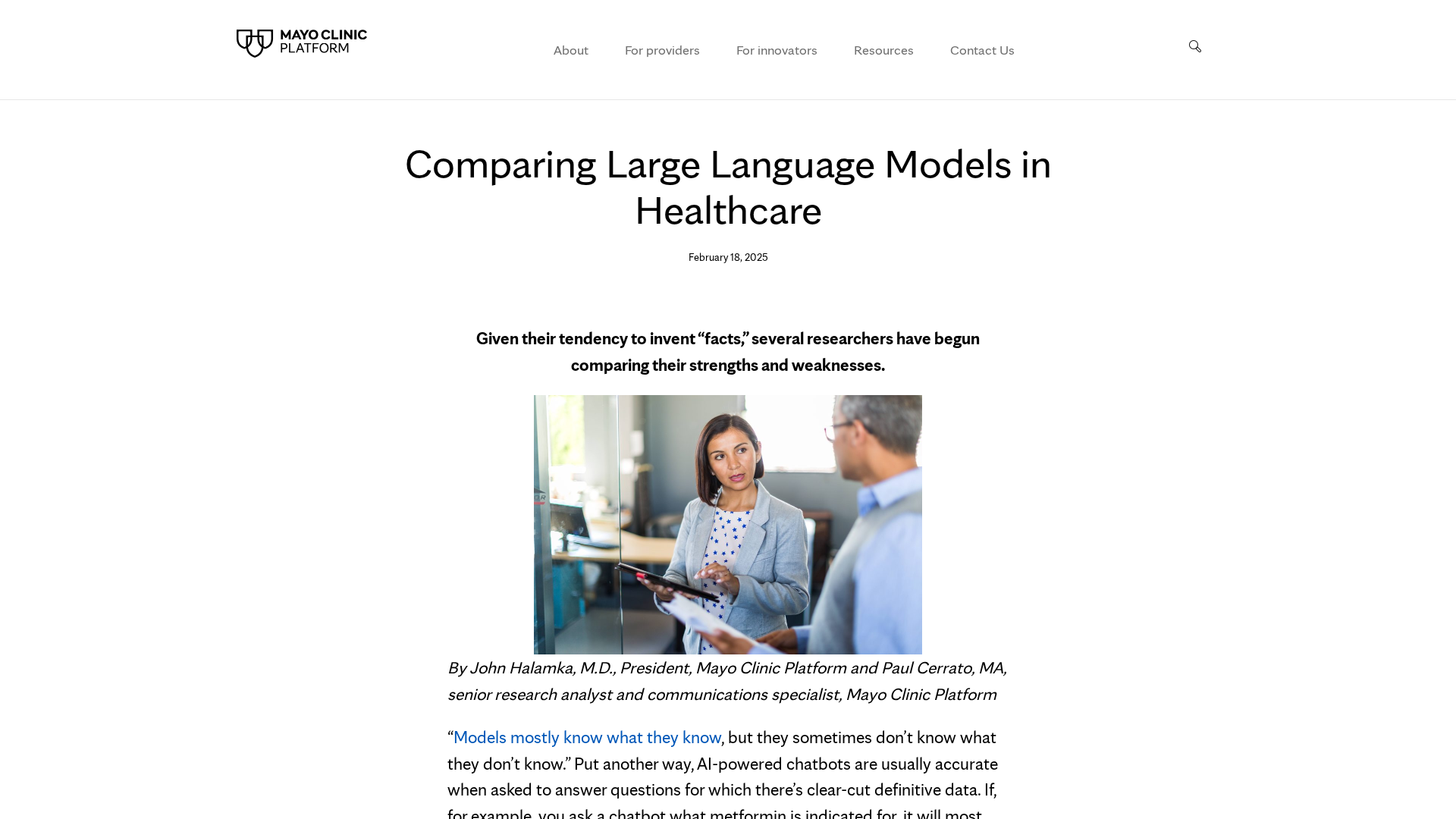
Topic Overview
Clinical AI decision support platforms—exemplified by Medscape AI and competing solutions—apply large language models and related AI services to clinical documentation, differential diagnosis, order suggestions, and point-of-care guidance. These systems layer conversational assistants, retrieval-augmented generation, and structured-output interfaces on top of enterprise model and deployment stacks to produce context-aware summaries, highlight relevant guidelines, and reduce documentation burden. Relevance and timing: health systems are accelerating pilot deployments but face stronger expectations for clinical validation, interoperability, and governance. Key trends include tighter EHR integration (FHIR-based data access), multimodal inputs (notes, images, labs), retrieval pipelines to surface trusted references, explainability and audit trails, and hybrid on-prem/cloud architectures to meet privacy and compliance needs. Roles of key tools: IBM watsonx Assistant provides no-code and developer-driven assistant frameworks and multi-agent orchestrations for embedded clinical workflows; Google Vertex AI manages model training, fine-tuning, evaluation, and deployment at scale; Google Gemini supplies multimodal generative capabilities for complex reasoning and image/text inputs; Anthropic’s Claude offers conversational and analysis-focused assistants suited to clinician queries; Cohere delivers private, customizable models, embeddings, and retrieval services for secure indexing of institutional knowledge; Microsoft 365 Copilot-style integrations illustrate how assistant experiences can be embedded across productivity and documentation apps. Taken together, these components form an ecosystem where model providers, MLOps platforms, and assistant frameworks must be combined with clinical validation, monitoring, and governance to produce safe, useful documentation and decision support.
Tool Rankings – Top 6

Enterprise virtual agents and AI assistants built with watsonx LLMs for no-code and developer-driven automation.

Unified, fully-managed Google Cloud platform for building, training, deploying, and monitoring ML and GenAI models.

Google’s multimodal family of generative AI models and APIs for developers and enterprises.
Anthropic's Claude family: conversational and developer AI assistants for research, writing, code, and analysis.

Enterprise-focused LLM platform offering private, customizable models, embeddings, retrieval, and search.
AI assistant integrated across Microsoft 365 apps to boost productivity, creativity, and data insights.
Latest Articles (79)
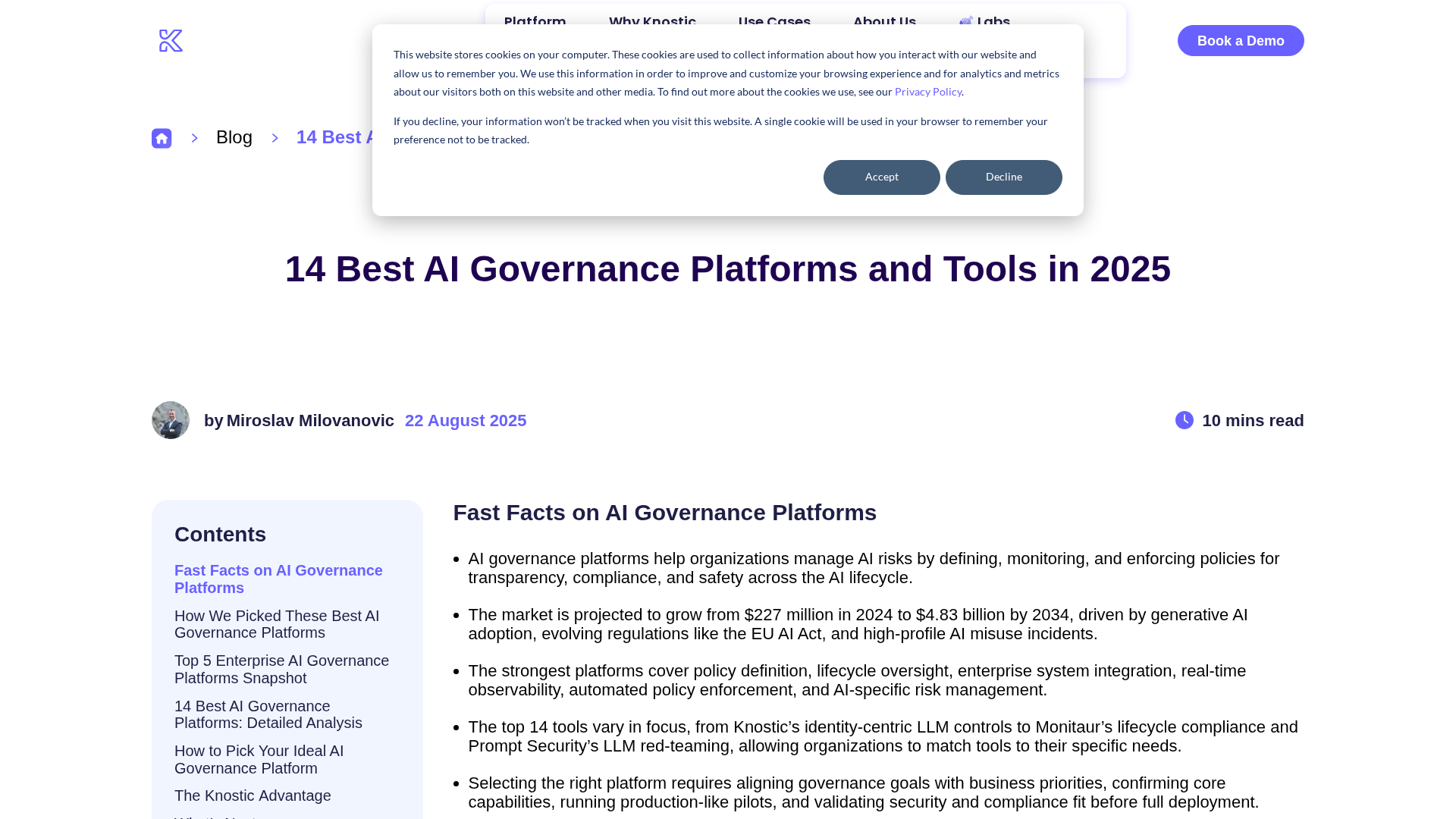
A vendor‑agnostic guide to the 14 best AI governance platforms in 2025, with criteria, comparisons, and practical buying guidance.
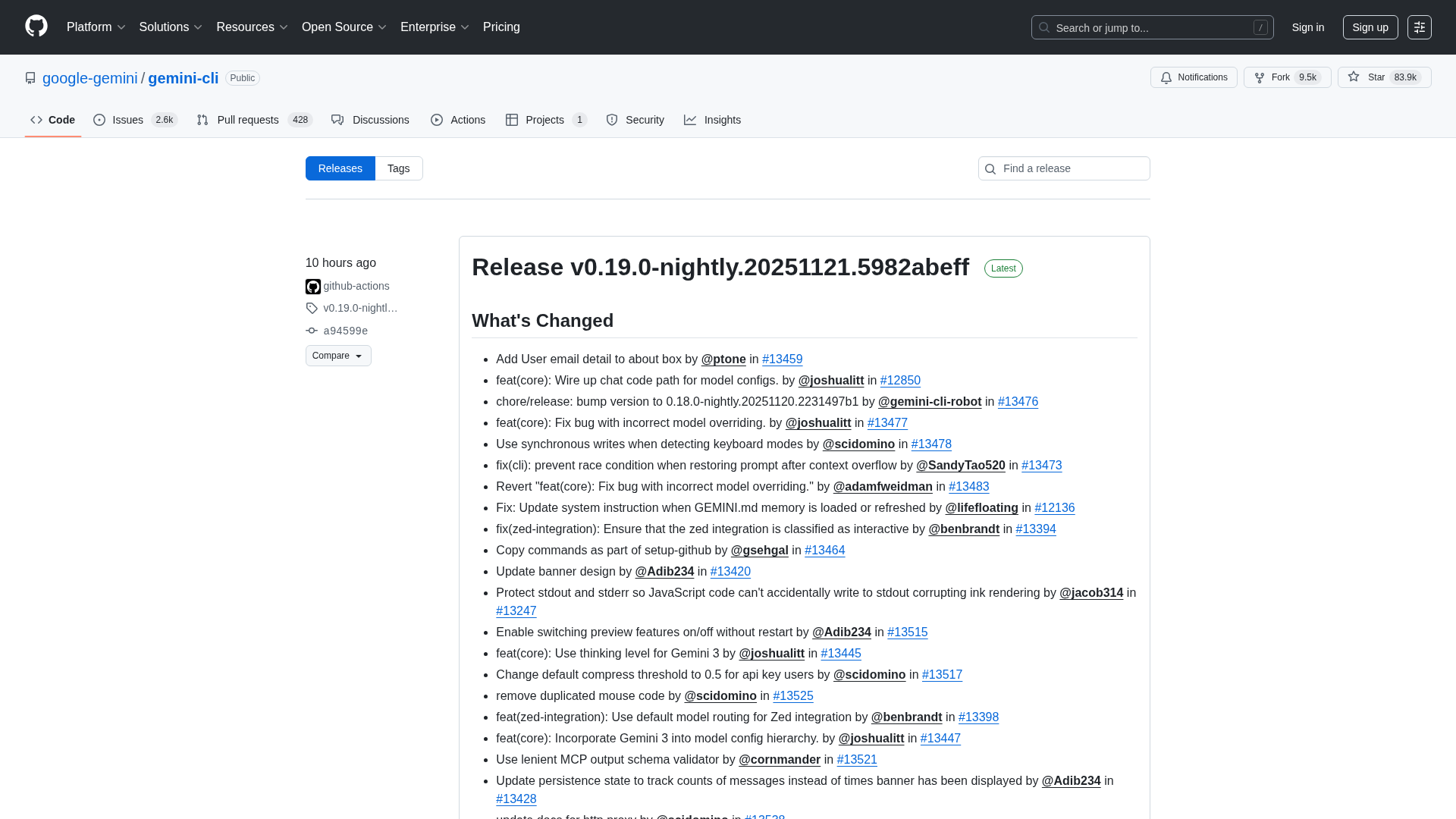
Overview of the Gemini CLI v0.36.0-preview release series, highlighting architectural, CLI, and UI changelogs across multiple pre-release versions.
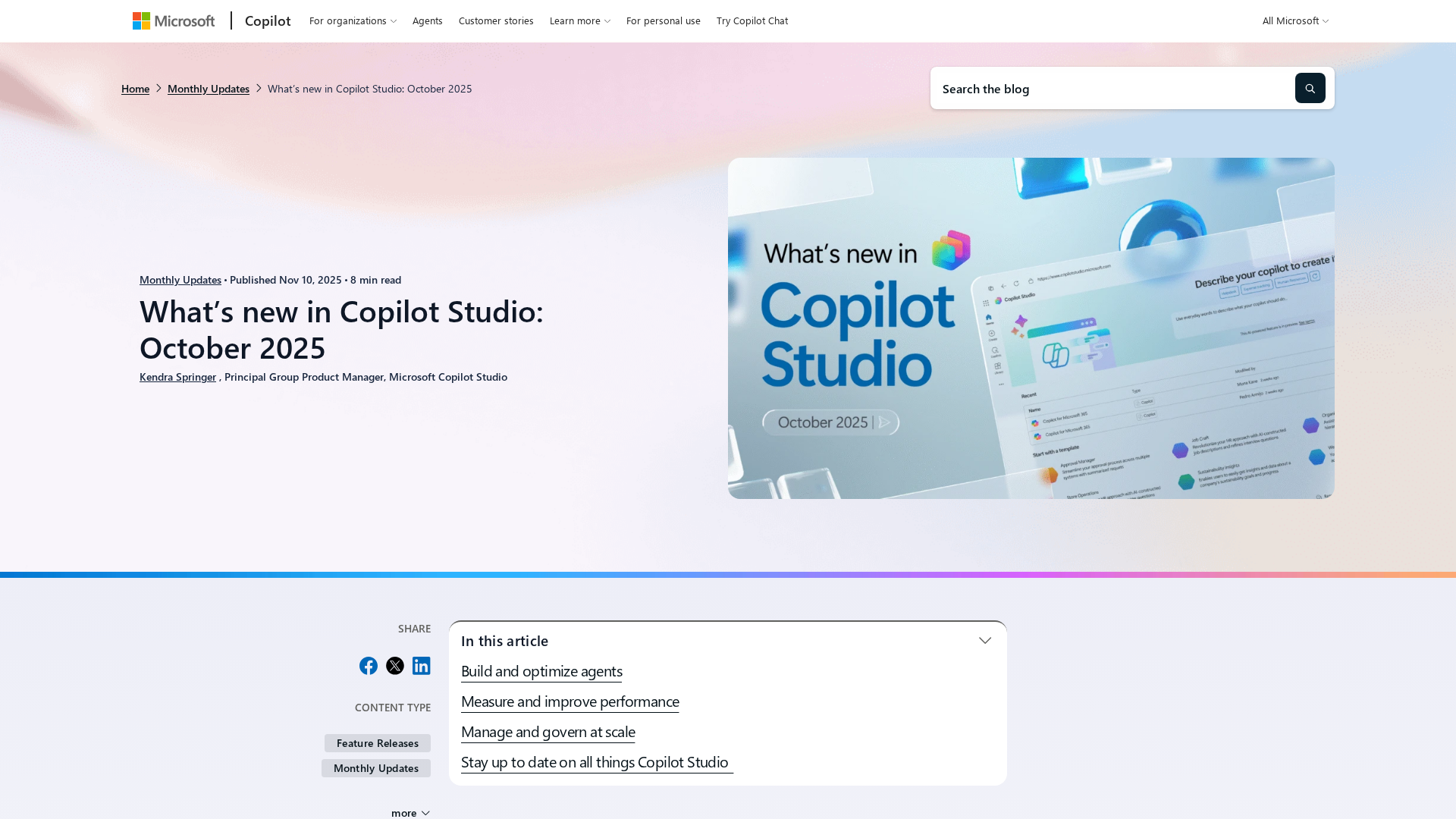
A comprehensive October 2025 roundup of Copilot Studio’s new testing, model, and governance features.

Adobe nears a $19 billion deal to acquire Semrush, expanding its marketing software capabilities, according to WSJ reports.
Wolters Kluwer expands UpToDate Expert AI with UpToDate Lexidrug to bolster drug information and medication decision support.