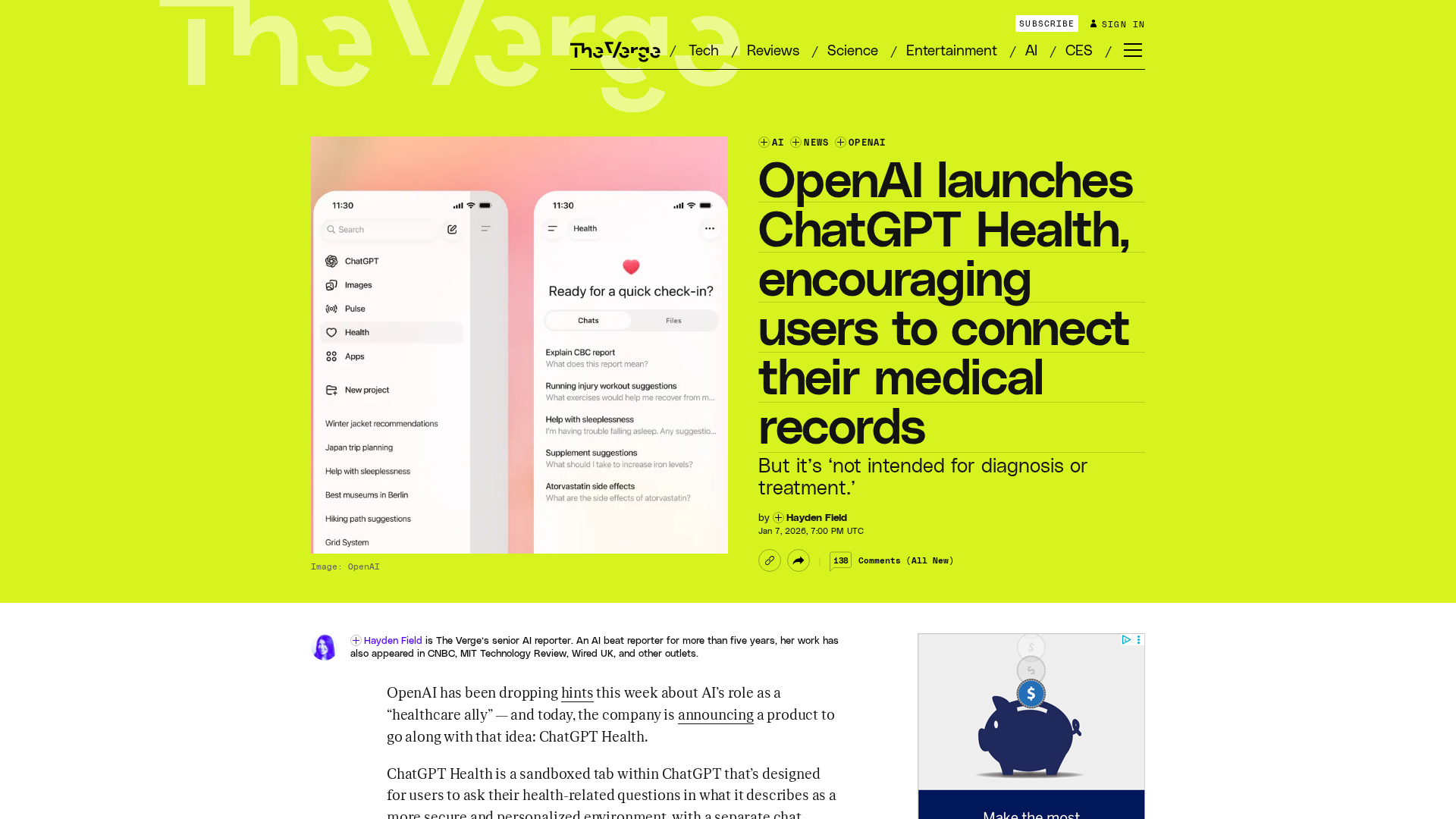
Topic Overview
Personal Health AI Platforms encompass patient‑facing assistants, clinician support tools for clinical documentation, and marketplaces for acquiring and fine‑tuning health models. These platforms pair conversational LLMs and multimodal models with workflow orchestration and no‑code developer tooling to handle tasks such as symptom triage, patient education, summarizing records, and automated note generation. Examples referenced by market activity include consumer/clinical offerings (e.g., ChatGPT Health, DeepHealth, Avery Clinical AI) plus enabling infrastructure such as IBM watsonx Assistant (enterprise virtual agents and multi‑agent orchestration), Anthropic’s Claude family (conversational/developer assistants), Google’s Vertex AI and Gemini (model training, deployment, multimodal models), Kore.ai (enterprise agent workflows), Mistral AI (open/efficient models with privacy emphasis), ChatPDF (document Q&A with citations), and Microsoft 365 Copilot (productivity integration). This topic is timely because clinical workloads, reimbursement pressures, and advances in LLMs/multimodal models have accelerated adoption of AI that intersects tightly with protected health data. At the same time regulators, payers, and health systems are demanding stronger evidence of clinical validity, auditability, and data governance. Key comparison axes therefore include model provenance and fine‑tuning, clinical validation and safety testing, EHR and workflow integration, patient data privacy and on‑prem/off‑cloud deployment options, observability and explainability, and marketplace availability for vetted models and connectors. Effective deployments emphasize human‑in‑the‑loop review, provenance/citation of sources, and robust governance rather than fully autonomous clinical decision making. Evaluations of Personal Health AI Platforms should balance productivity gains against risks from hallucination, bias, and interoperability gaps.
Tool Rankings – Top 6

Enterprise virtual agents and AI assistants built with watsonx LLMs for no-code and developer-driven automation.
Anthropic's Claude family: conversational and developer AI assistants for research, writing, code, and analysis.

Unified, fully-managed Google Cloud platform for building, training, deploying, and monitoring ML and GenAI models.

Google’s multimodal family of generative AI models and APIs for developers and enterprises.

Enterprise AI agent platform for building, deploying and orchestrating multi-agent workflows with governance, observabil

Enterprise-focused provider of open/efficient models and an AI production platform emphasizing privacy, governance, and
Latest Articles (93)
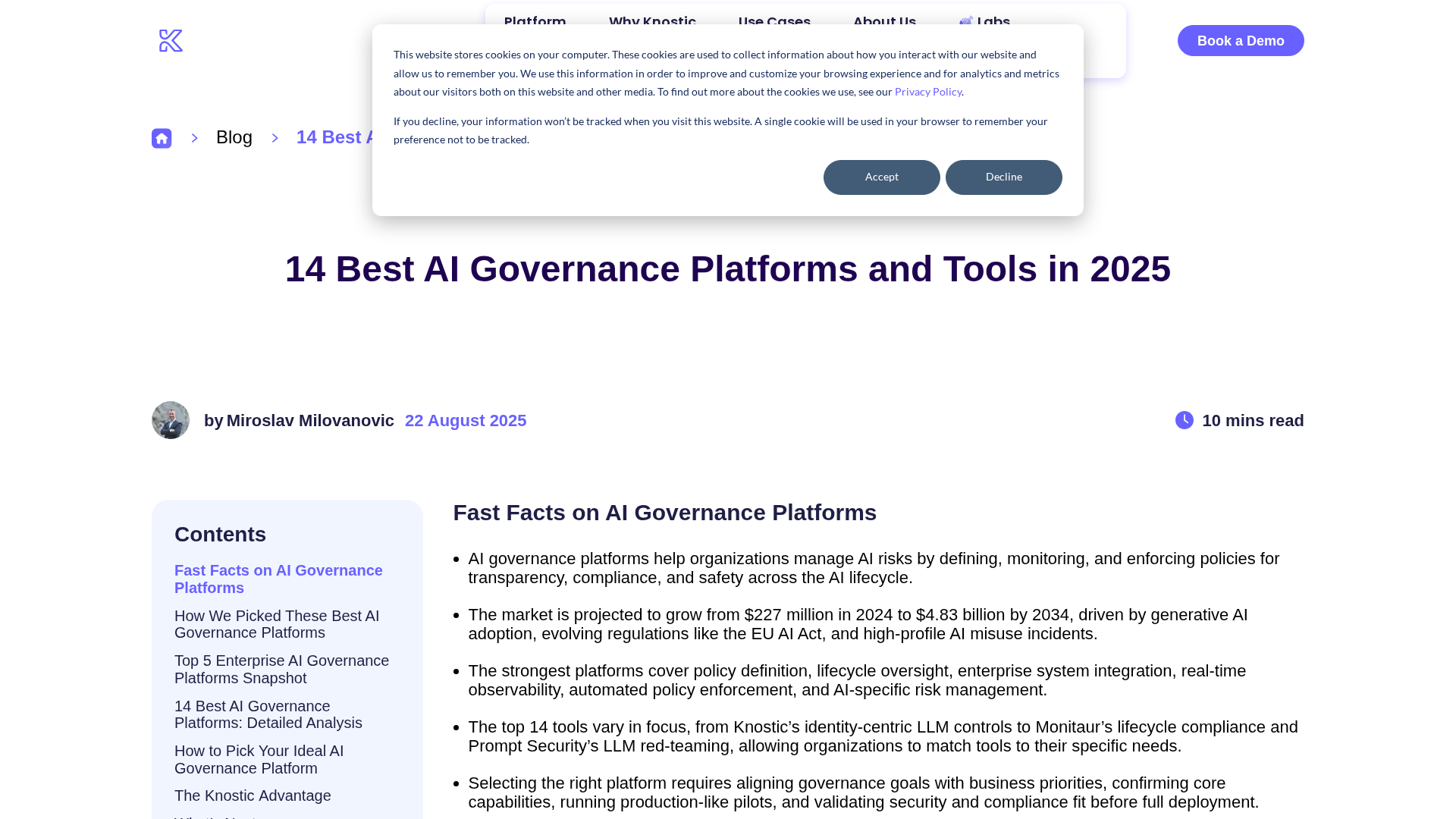
A vendor‑agnostic guide to the 14 best AI governance platforms in 2025, with criteria, comparisons, and practical buying guidance.
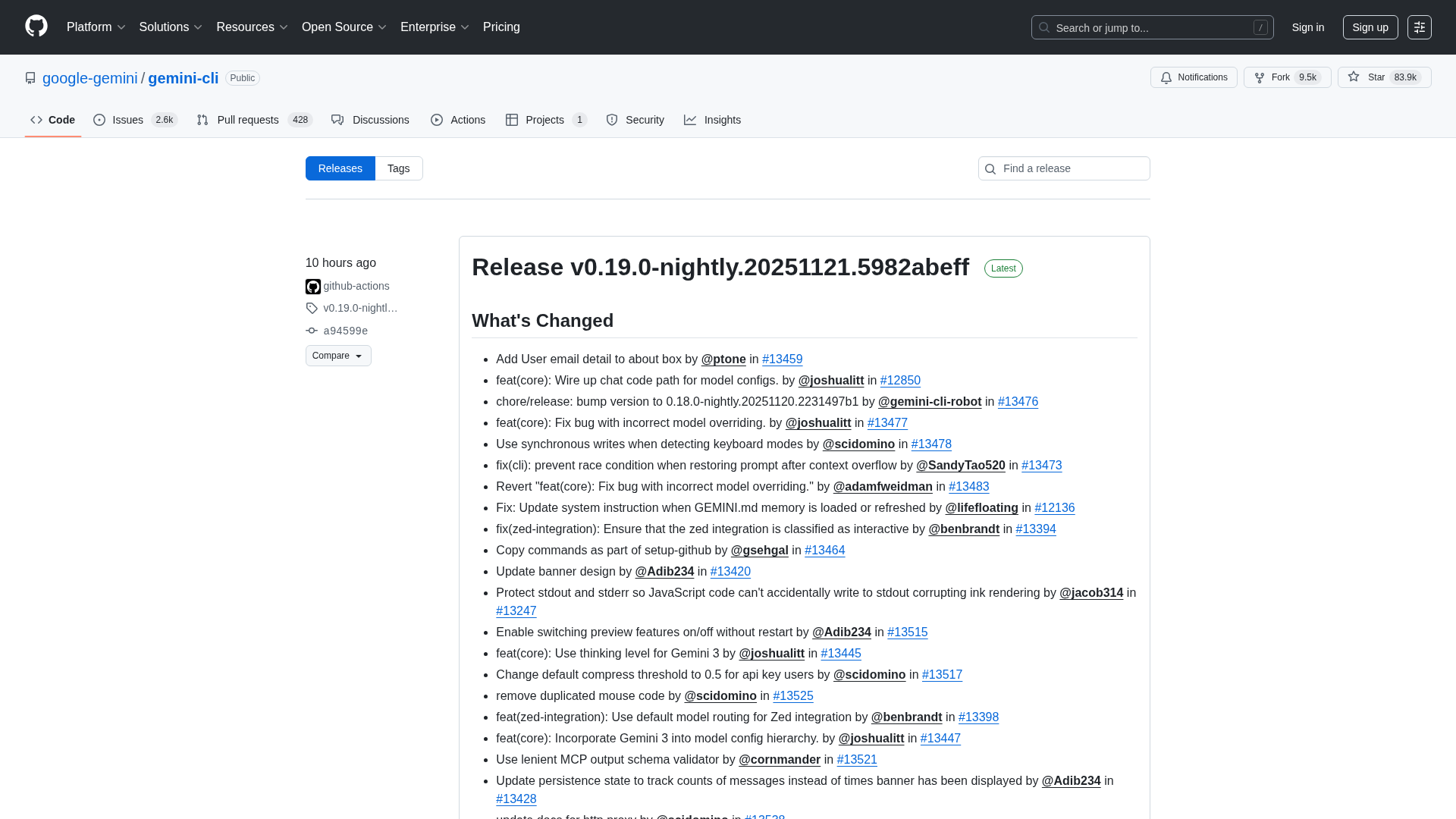
Overview of the Gemini CLI v0.36.0-preview release series, highlighting architectural, CLI, and UI changelogs across multiple pre-release versions.
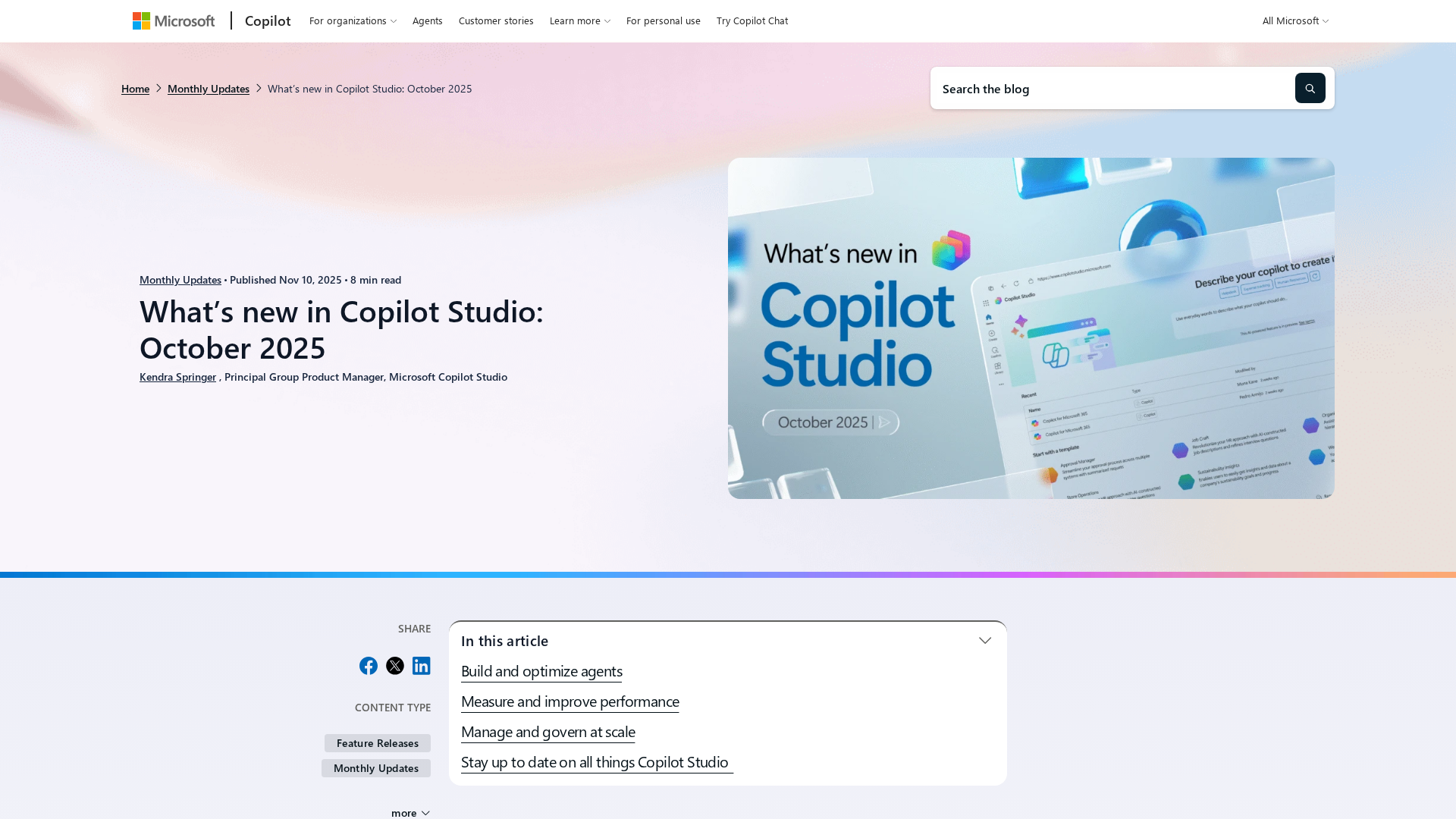
A comprehensive October 2025 roundup of Copilot Studio’s new testing, model, and governance features.
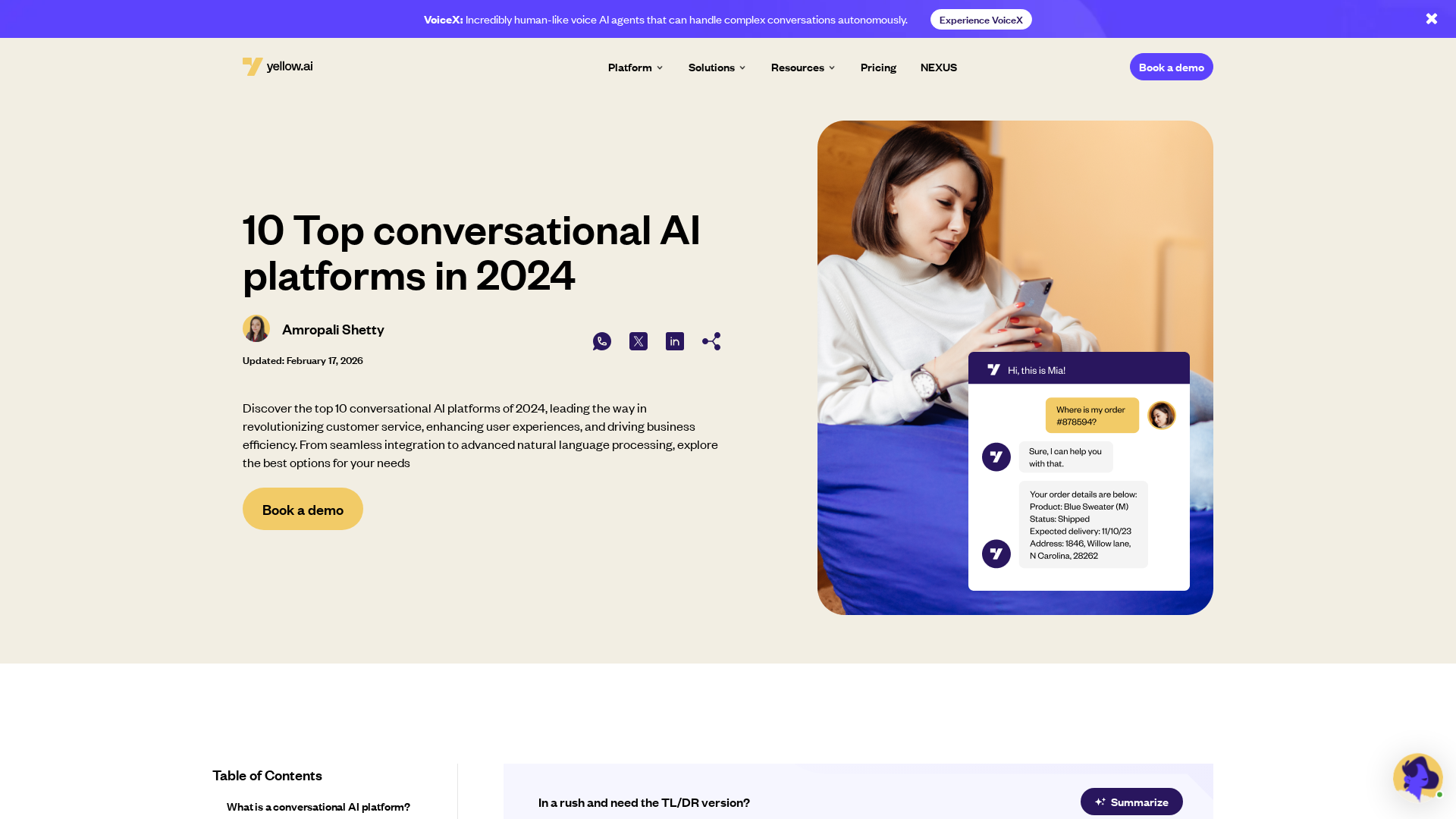
A concise guide to the top 10 conversational AI platforms in 2024, with features, benefits, and use cases.
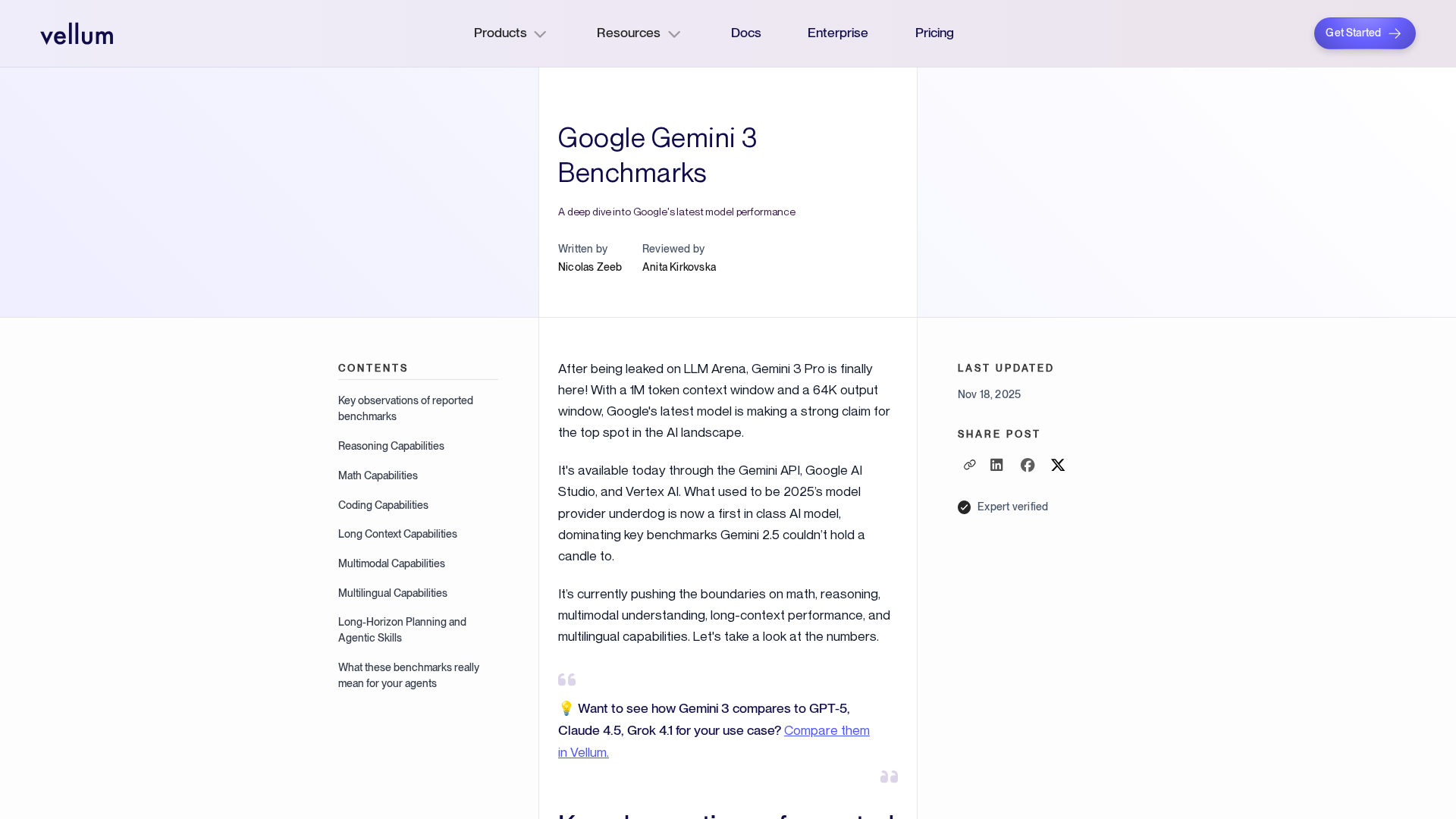
In-depth look at Gemini 3 Pro benchmarks across reasoning, math, multimodal, and agentic capabilities with implications for building AI agents.