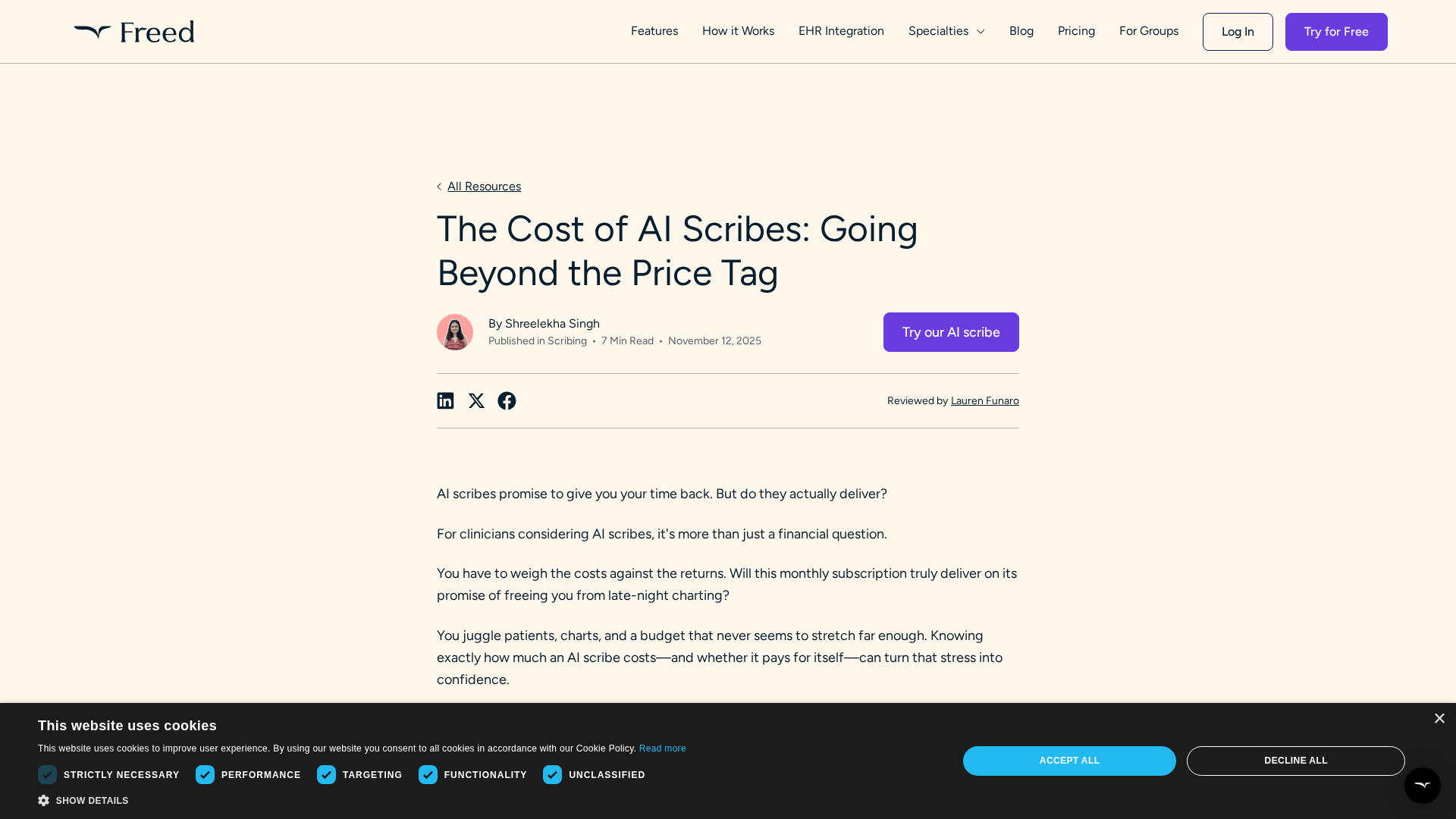
Topic Overview
This topic examines Clinical AI and medical scribe platforms — exemplified by vendor-facing products such as Medscape AI — versus enterprise medtech AI builders that supply private LLMs, search, and voice/transcription infrastructure to hospitals and health systems. It covers clinical documentation tools, voice synthesis and transcription, and text-to-speech capabilities that power real-time charting, visit summaries, and clinician assistants. Relevance in late 2025 is driven by rapid operational demand to reduce clinician administrative burden, tighter integration with EHRs, and stronger privacy and governance expectations (HIPAA, data residency, fine-grained access control). Near-term adoption favors solutions that offer real-time assist and QA, verifiable provenance, and on-prem or private-cloud models to limit PHI exposure. Key categories and representative tools include: clinician-facing scribes and documentation platforms (Medscape AI) for visit capture and note generation; conversation- and QA-focused platforms (Observe.AI) for real-time assist, auto-QA, and contact-center style analytics; enterprise LLM and retrieval builders (Cohere, Mistral AI, Hebbia) that enable private models, embeddings, and long-context retrieval for clinical knowledge; omni-search and knowledge workspace tools (Dashworks, Notion) to surface patient and guideline data; and platforms for agent orchestration and deployment (Relevance AI) to automate workflows across systems. Buyers must weigh accuracy of transcription and clinical summarization, integration with EHRs, voice synthesis naturalness, auditability, and governance. The current landscape favors hybrid approaches — clinician-facing point products for immediate documentation gains and enterprise AI stacks that provide custom, governed models for scale, compliance, and longitudinal clinical knowledge management.
Tool Rankings – Top 6
AI assistant integrated across Microsoft 365 apps to boost productivity, creativity, and data insights.

An AI-powered omni-search assistant that unifies apps and data to answer team questions in real time.

Enterprise-focused LLM platform offering private, customizable models, embeddings, retrieval, and search.

Enterprise AI platform (Matrix) for large-context, multi-step knowledge work in finance, law, and corporate functions.
A single, block-based AI-enabled workspace that combines docs, knowledge, databases, automation, and integrations to sup

Enterprise conversation-intelligence and GenAI platform for contact centers: voice agents, real-time assist, auto QA, &洞
Latest Articles (72)
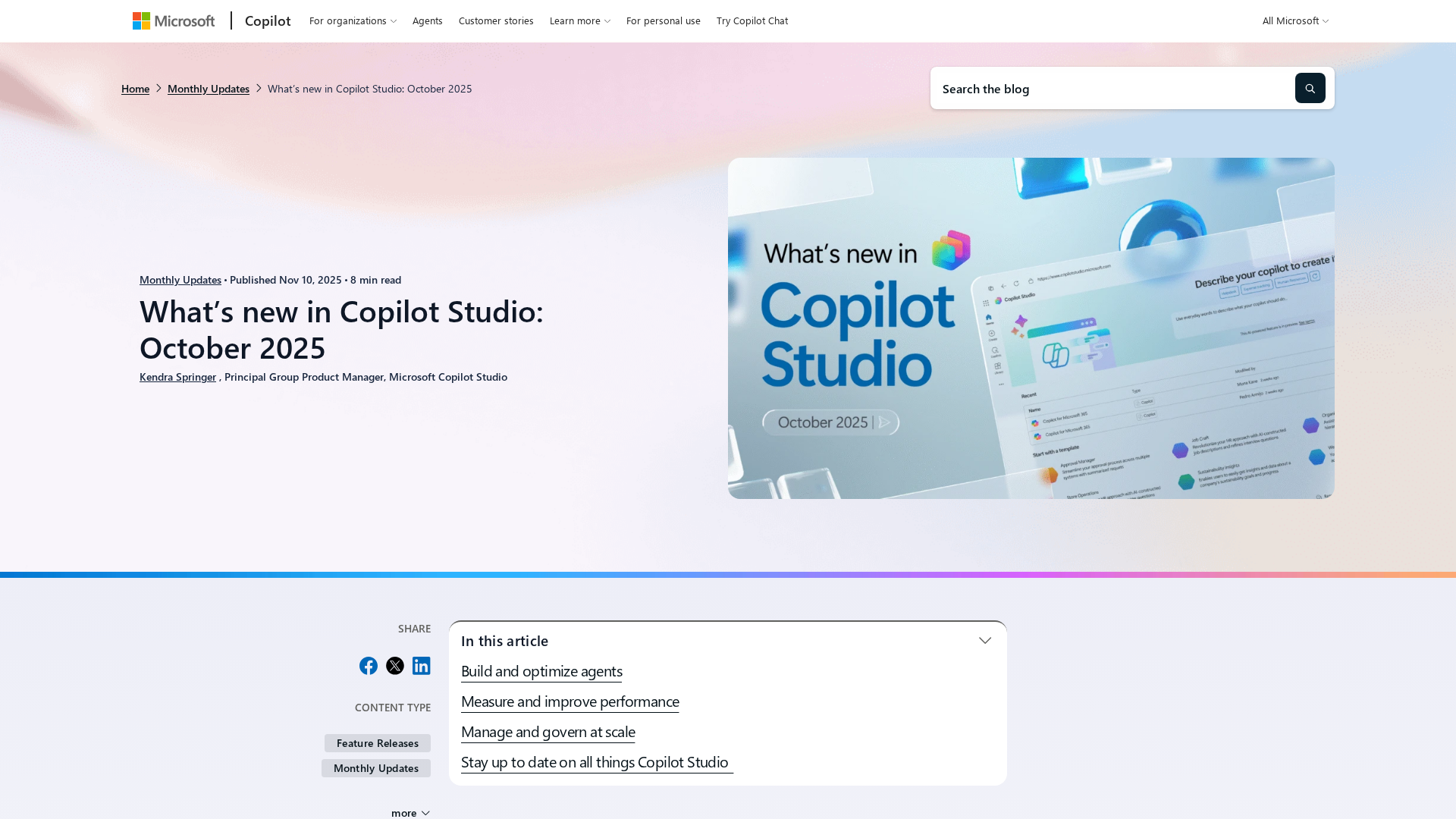
A comprehensive October 2025 roundup of Copilot Studio’s new testing, model, and governance features.
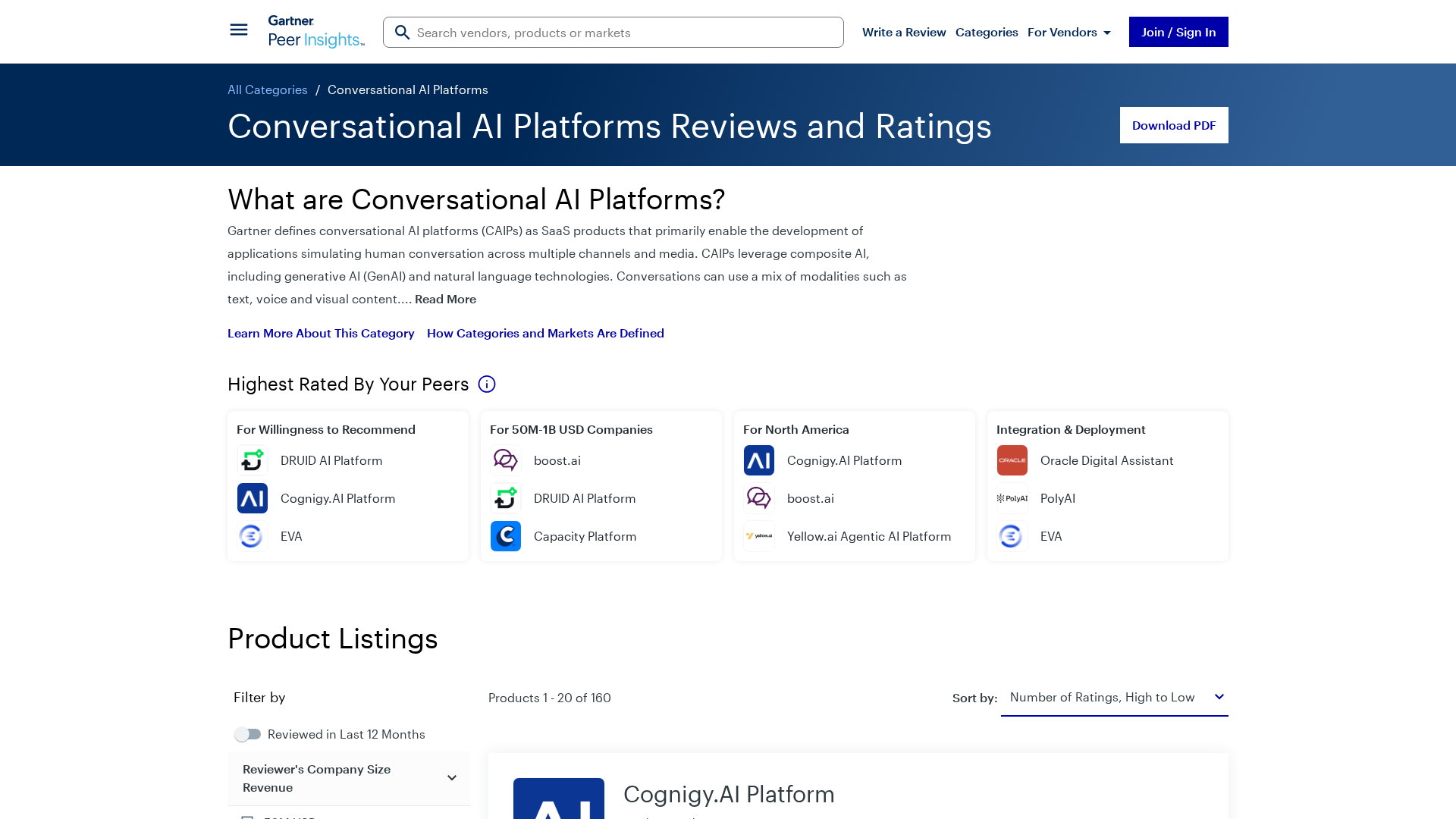
Gartner’s market view on conversational AI platforms, outlining trends, vendors, and buyer guidance.

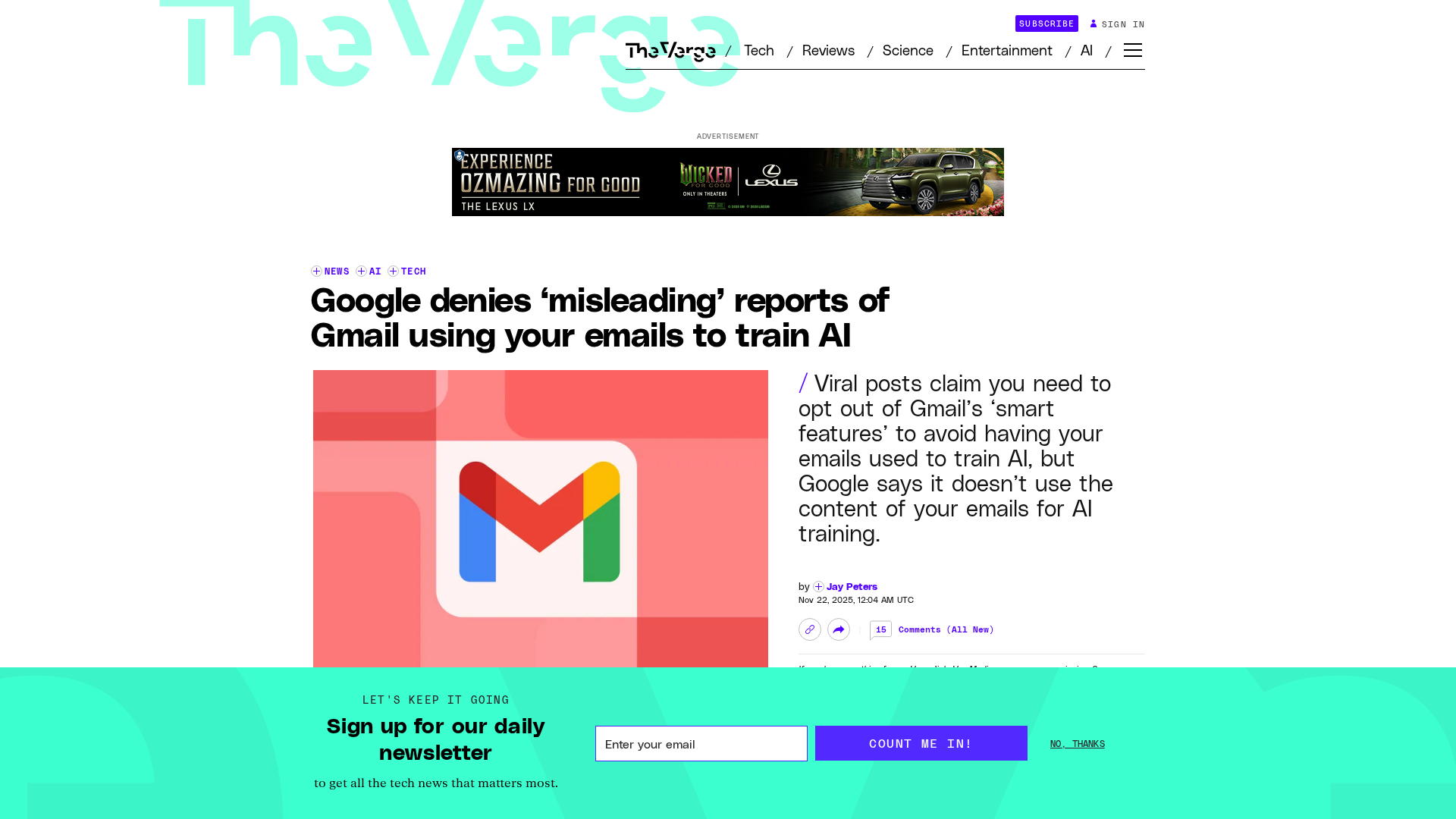
Google says Gmail data isn’t used to train AI and explains opt-out and smart-feature controls.
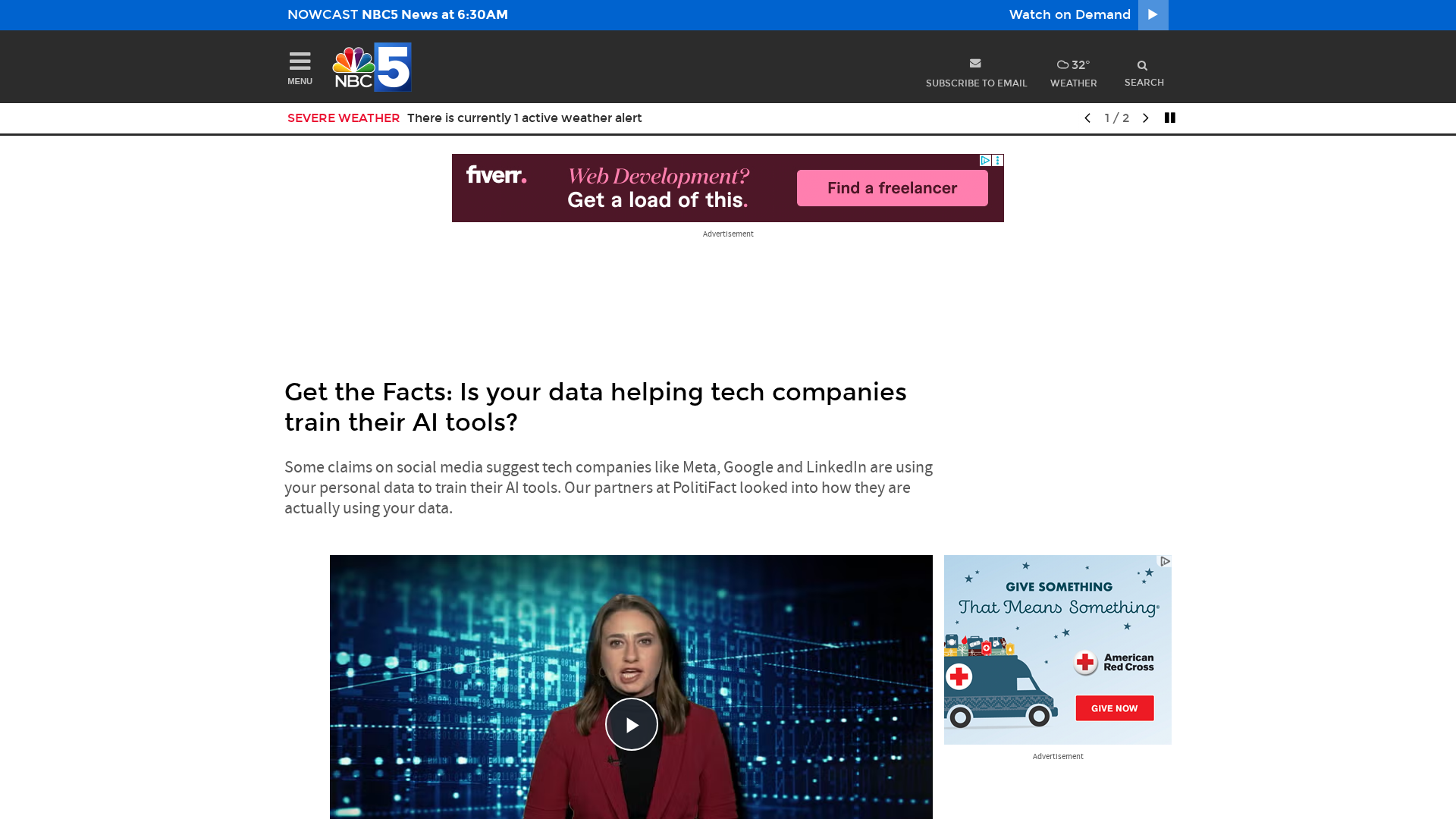
A PolitiFact-backed look at how Meta, Google, and LinkedIn use user data to train AI, and how to opt out where possible.