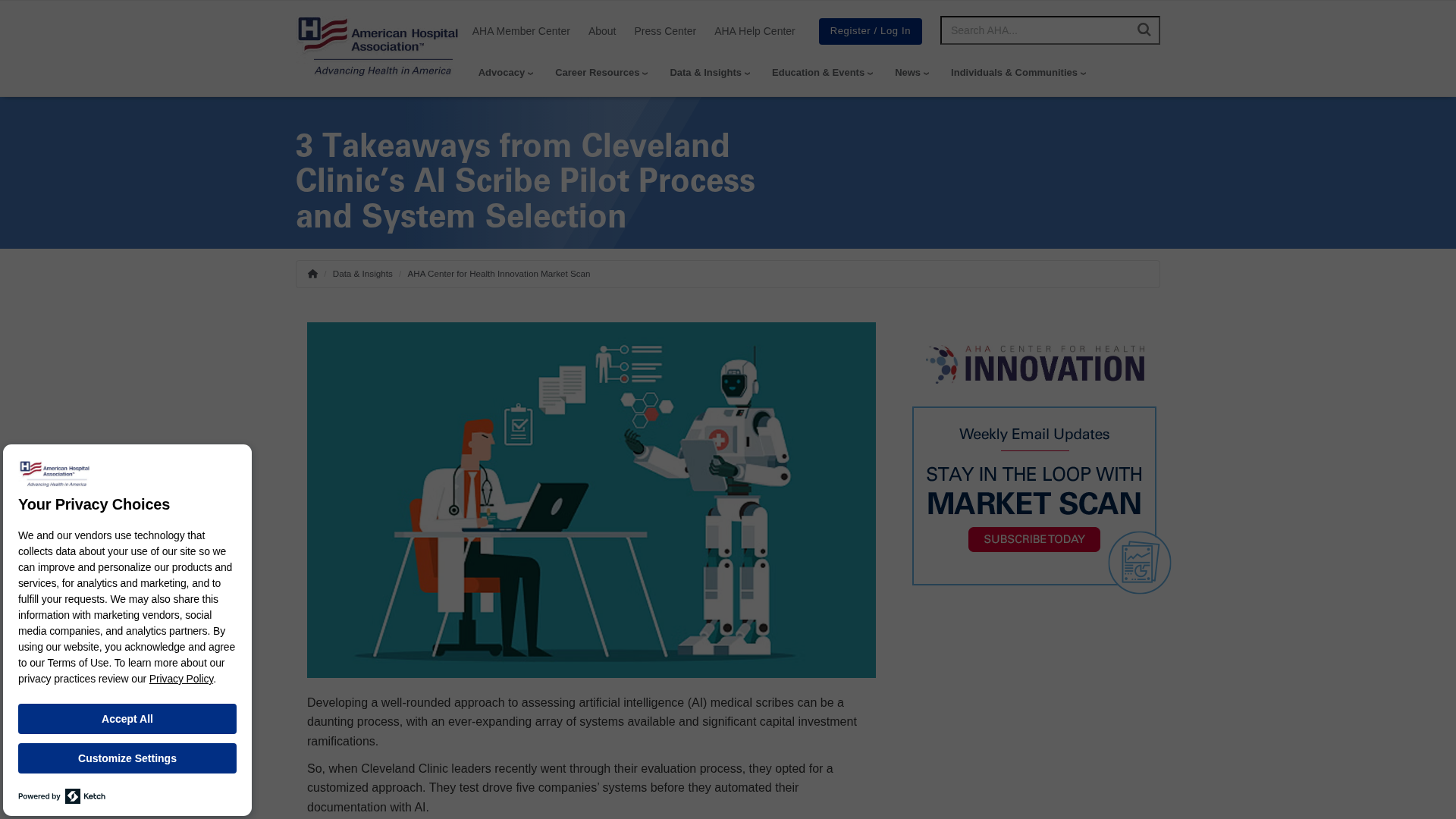
Topic Overview
Clinical AI decision support and medical-scribe platforms combine large language models (LLMs), retrieval systems, and workflow integrations to automate documentation, summarize encounters, and surface patient‑specific guidance at the point of care. By late 2025 this category spans real‑time speech‑to‑text scribes, structured-note generation, coding/billing assistance, and clinical decision support (CDS) that augments — rather than replaces — clinician judgment. Key technical patterns include retrieval‑augmented generation for pulling structured EHR context, multimodal models for handling audio and text, and enterprise model deployment to meet compliance needs. Tool classes represented here include integrated productivity assistants (Microsoft 365 Copilot) that embed drafting and data-insight features into clinician workflows; enterprise virtual assistants (IBM watsonx Assistant) for no‑code and developer-driven automation; cloud ML platforms (Vertex AI) and multimodal model APIs (Google Gemini) for building and hosting custom clinical models; privacy-focused LLM providers (Cohere) offering private models, embeddings, and retrieval; and data-unification/omniscience tools (Dashworks) that query across apps and records in real time. Together these tools support clinical documentation, CDS alerts, and searchable patient-context retrieval. Adoption is driven by persistent clinician burnout, reimbursement pressures to improve coding accuracy, and maturing regulatory expectations for model validation, auditability, and data governance. Ongoing challenges include preventing hallucinations, ensuring interoperability with EHRs, maintaining audit trails, and deploying private or hybrid models to meet privacy and institutional policy. Effective implementations pair automated scribing and CDS with human review, robust evaluation metrics, and governance frameworks to ensure safety, clinical relevance, and measurable workflow impact.
Tool Rankings – Top 6
AI assistant integrated across Microsoft 365 apps to boost productivity, creativity, and data insights.

Enterprise virtual agents and AI assistants built with watsonx LLMs for no-code and developer-driven automation.

Unified, fully-managed Google Cloud platform for building, training, deploying, and monitoring ML and GenAI models.

Google’s multimodal family of generative AI models and APIs for developers and enterprises.

Enterprise-focused LLM platform offering private, customizable models, embeddings, retrieval, and search.

An AI-powered omni-search assistant that unifies apps and data to answer team questions in real time.
Latest Articles (78)
A vendor‑agnostic guide to the 14 best AI governance platforms in 2025, with criteria, comparisons, and practical buying guidance.
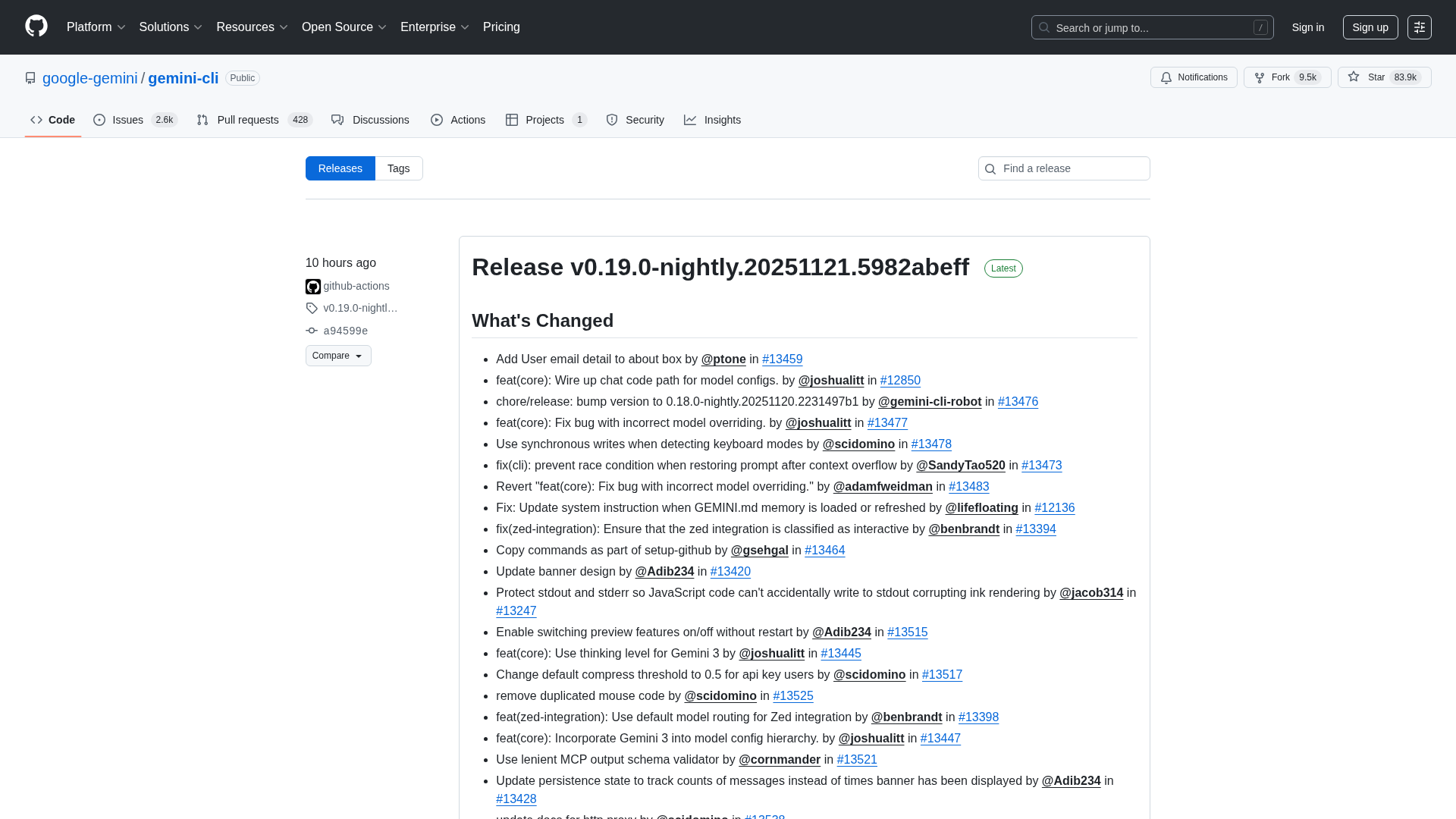
Overview of the Gemini CLI v0.36.0-preview release series, highlighting architectural, CLI, and UI changelogs across multiple pre-release versions.
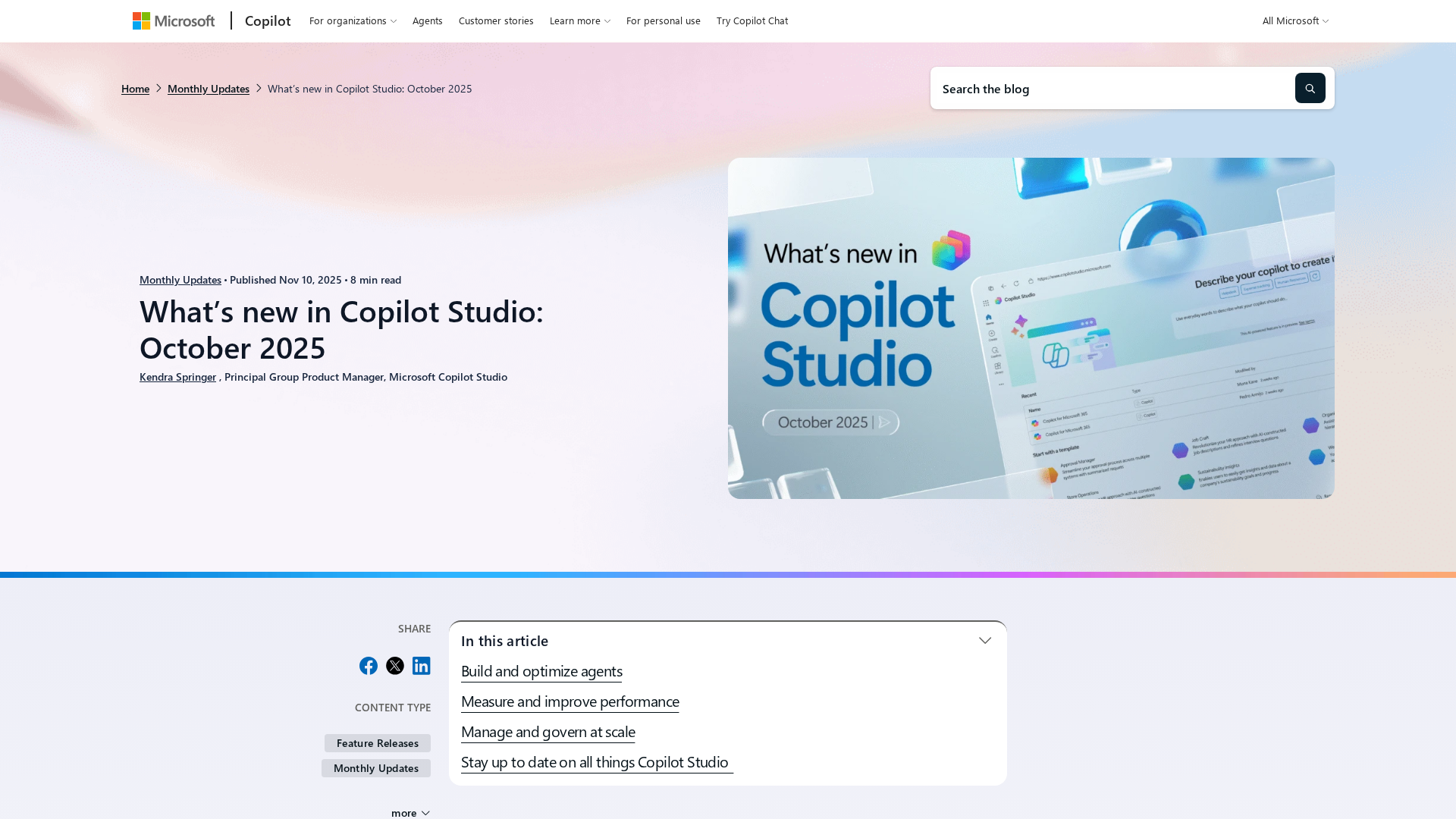
A comprehensive October 2025 roundup of Copilot Studio’s new testing, model, and governance features.

Adobe nears a $19 billion deal to acquire Semrush, expanding its marketing software capabilities, according to WSJ reports.
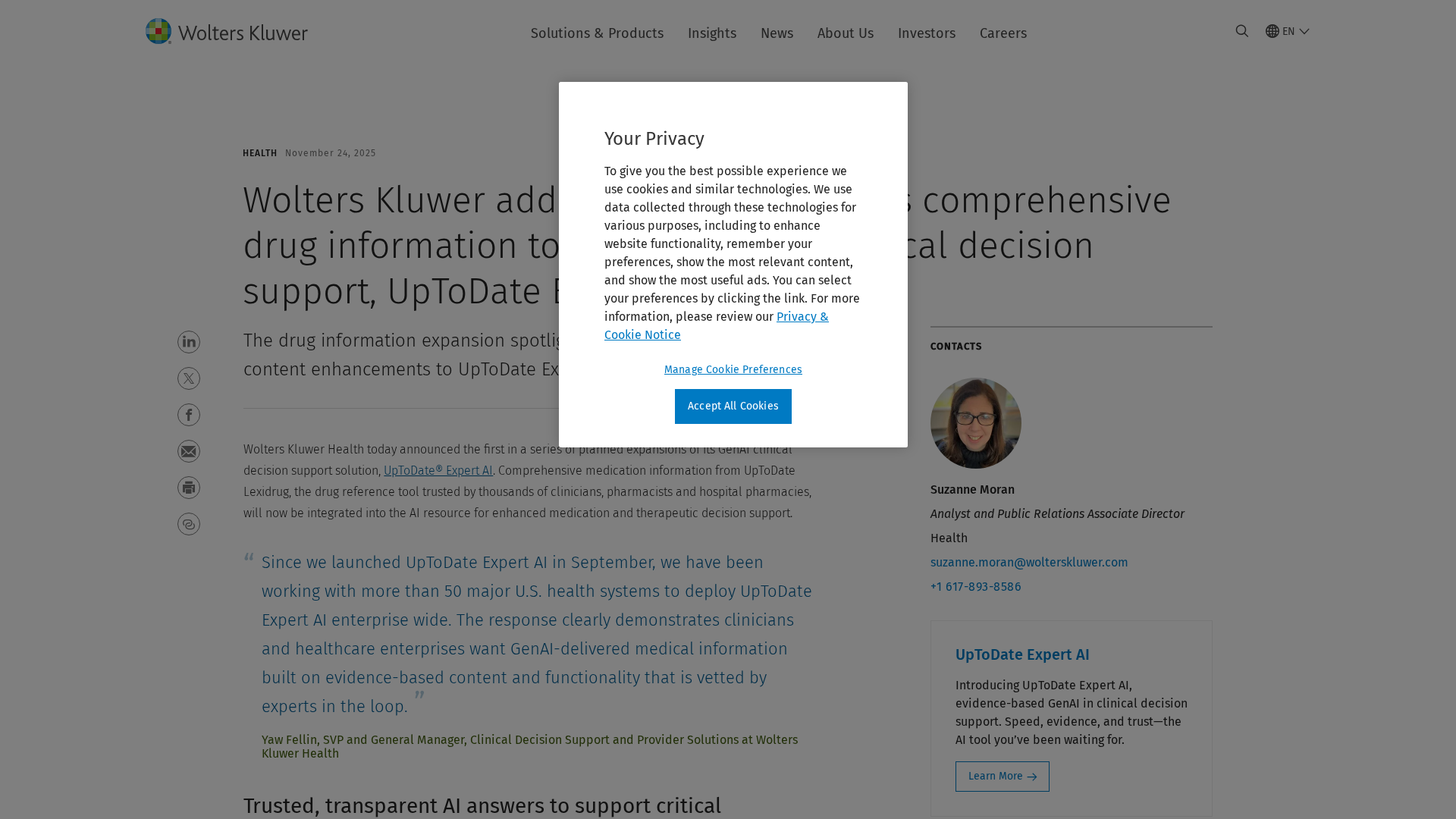
Wolters Kluwer expands UpToDate Expert AI with UpToDate Lexidrug to bolster drug information and medication decision support.