Topic Overview
Fine‑tuning small LLMs today means more than adjusting weights: it’s building reproducible pipelines for supervised reward learning (SRL), RLHF-style preference modeling, evaluation, and safe deployment. This topic covers the tool classes and commercial services that teams use to collect interaction data, label preferences, train reward models, run offline and online RLHF loops, and integrate tuned models into agents and production workflows. Why this matters in late 2025: many organizations prefer smaller, specialized models for cost, latency, privacy, and regulatory control. That shift has driven mature tool categories — AI Data Platforms for collecting and curating human feedback, RLHF/SRL toolkits for reward modeling and policy optimization, developer agent frameworks for orchestration and testing, and marketplaces for managed models and agent components — all essential to operationalize fine‑tuning at scale. Representative tools and roles: OpenPipe provides a managed pipeline to collect LLM interactions, fine‑tune models, run evaluations, and host optimized inference; LangChain supplies the engineering primitives to build, test, and deploy reliable AI agents and to orchestrate fine‑tuned models in production; LlamaIndex focuses on document agents and RAG orchestration, important for domain alignment before or after fine‑tuning; Lindy offers no‑/low‑code agent creation and governance for non‑engineering teams; Adept targets enterprise automation where agentic models interact with software interfaces; and Anthropic’s Claude family serves both as a commercial model baseline and evaluation target. Practical considerations include choosing SRL vs. RLHF depending on data volume and safety needs, instrumenting feedback collection, continuous evaluation and regression testing (GenAI test automation), and integrating tuned models into agent marketplaces and governance workflows. The ecosystem now emphasizes end‑to‑end pipelines that link data platforms, RLHF toolkits, agent frameworks, and managed commercial offerings to produce aligned, maintainable small LLMs.
Tool Rankings – Top 6

Managed platform to collect LLM interaction data, fine-tune models, evaluate them, and host optimized inference.

Engineering platform and open-source frameworks to build, test, and deploy reliable AI agents.

No-code/low-code AI agent platform to build, deploy, and govern autonomous AI agents.
Agentic AI (ACT-1) that observes and acts inside software interfaces to automate multistep workflows for enterprises.

Developer-focused platform to build AI document agents, orchestrate workflows, and scale RAG across enterprises.
Anthropic's Claude family: conversational and developer AI assistants for research, writing, code, and analysis.
Latest Articles (79)
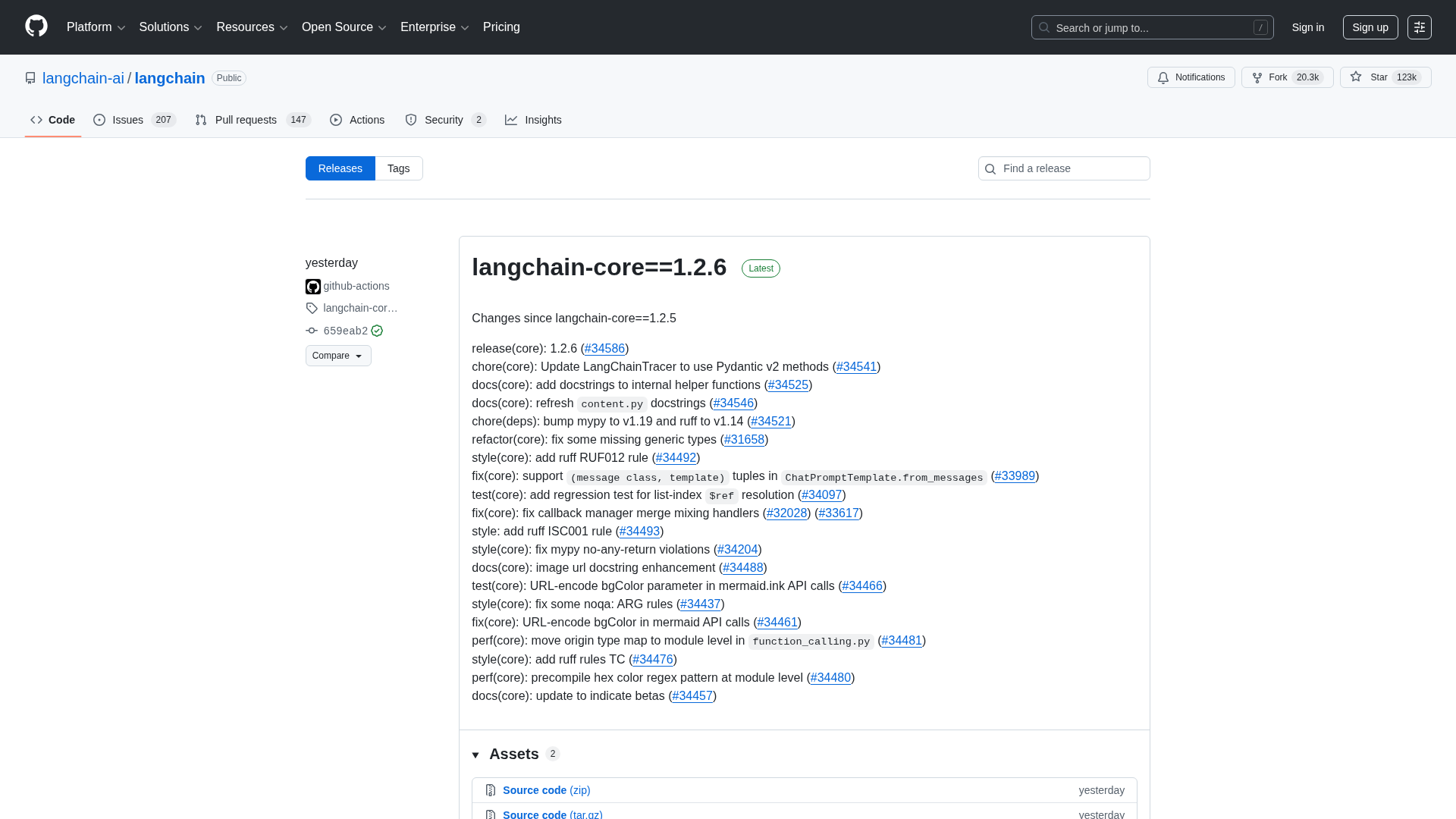
A comprehensive LangChain releases roundup detailing Core 1.2.6 and interconnected updates across XAI, OpenAI, Classic, and tests.
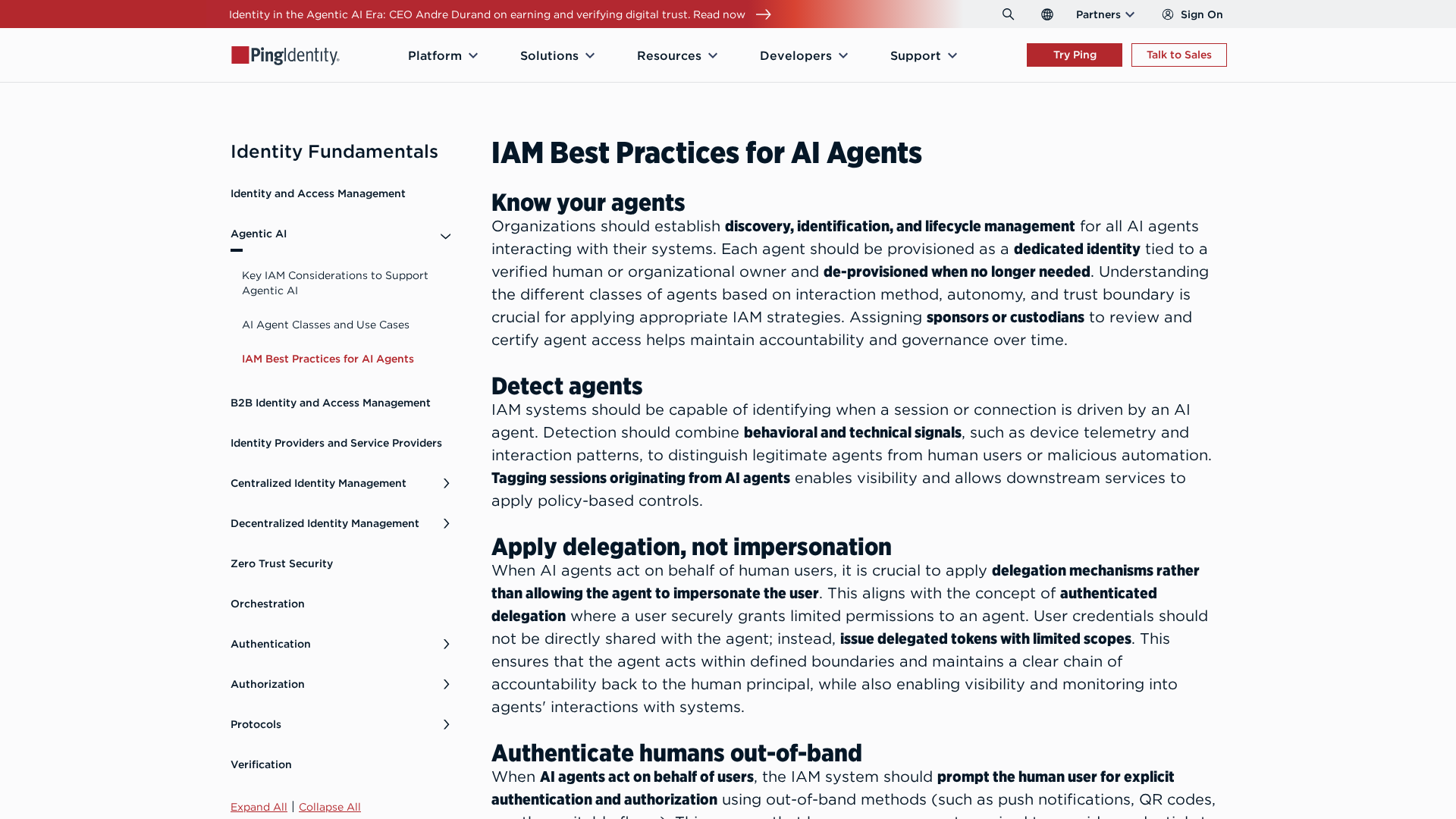
Best-practices for securing AI agents with identity management, delegated access, least privilege, and human oversight.

Cannot access the article content due to an access-denied error, preventing summarization.
A practical, step-by-step guide to fine-tuning large language models with open-source NLP tools.

A quick preview of POE-POE's pros and cons as seen in G2 reviews.