Topic Overview
Compact multilingual large language models (LLMs) — exemplified by families such as Cohere’s Tiny Aya — are parameter‑efficient models designed to run locally on edge devices, workstations, and private servers. This topic covers how these smaller LLMs are being used for translation and localization tasks, why organizations are deploying them at the edge or in private clusters, and how they integrate with modern development and governance tooling. Relevance in 2026 stems from converging trends: stricter data‑privacy expectations and regulations, demand for offline or low‑latency experiences, and improvements in quantization and compiler toolchains that make local inference practical. Compact LLMs reduce cloud costs and exposure of sensitive text, enabling on‑premise translation, client‑side assistants, and fallback translation when connectivity is limited. Key tools and roles: compact models (e.g., Tiny Aya) supply the core multilingual inference; Stable Code-style models provide edge‑ready, instruction‑tuned code completions for developer workflows; JetBrains AI Assistant embeds context‑aware help inside IDEs; MindStudio and StackAI provide no‑code/low‑code visual pipelines for designing, deploying, and governing local agents; Perplexity-style engines remain useful for web‑grounded retrieval and cloud augmentation; Intlayer offers i18n CMS integration to tie model outputs into componentized localization pipelines. Practical patterns include hybrid architectures (local compact LLM for private inference with cloud fallback for heavy tasks), model distillation and instruction tuning for domain fidelity, and integration with localization tooling for continuous delivery of translations. Trade‑offs are lower raw capacity versus larger models and the added engineering to quantize, adapt, and monitor local deployments. Overall, compact multilingual LLMs enable more private, responsive, and cost‑controlled translation/localization when paired with deployment and governance platforms.
Tool Rankings – Top 6

Edge-ready code language models for fast, private, and instruction‑tuned code completion.

No-code/low-code visual platform to design, test, deploy, and operate AI agents rapidly, with enterprise controls and a
In‑IDE AI copilot for context-aware code generation, explanations, and refactorings.

End-to-end no-code/low-code enterprise platform for building, deploying, and governing AI agents that automate work onun
AI-powered answer engine delivering real-time, sourced answers and developer APIs.
Internationalization focused on scalability for your SaaS
Latest Articles (28)
フレームワークを問わず動く、軽量なMDX風パーサーでコンテンツ管理を簡素化。
設定不要で動く、React/Vue/Svelte対応のクロスフレームワークMDXパーサーIntlayerの全体像と使い方。
Новый кросс-фреймворк Intlayer: лёгкий MD/MDX парсер с i18n и универсальной поддержкой фреймворков.
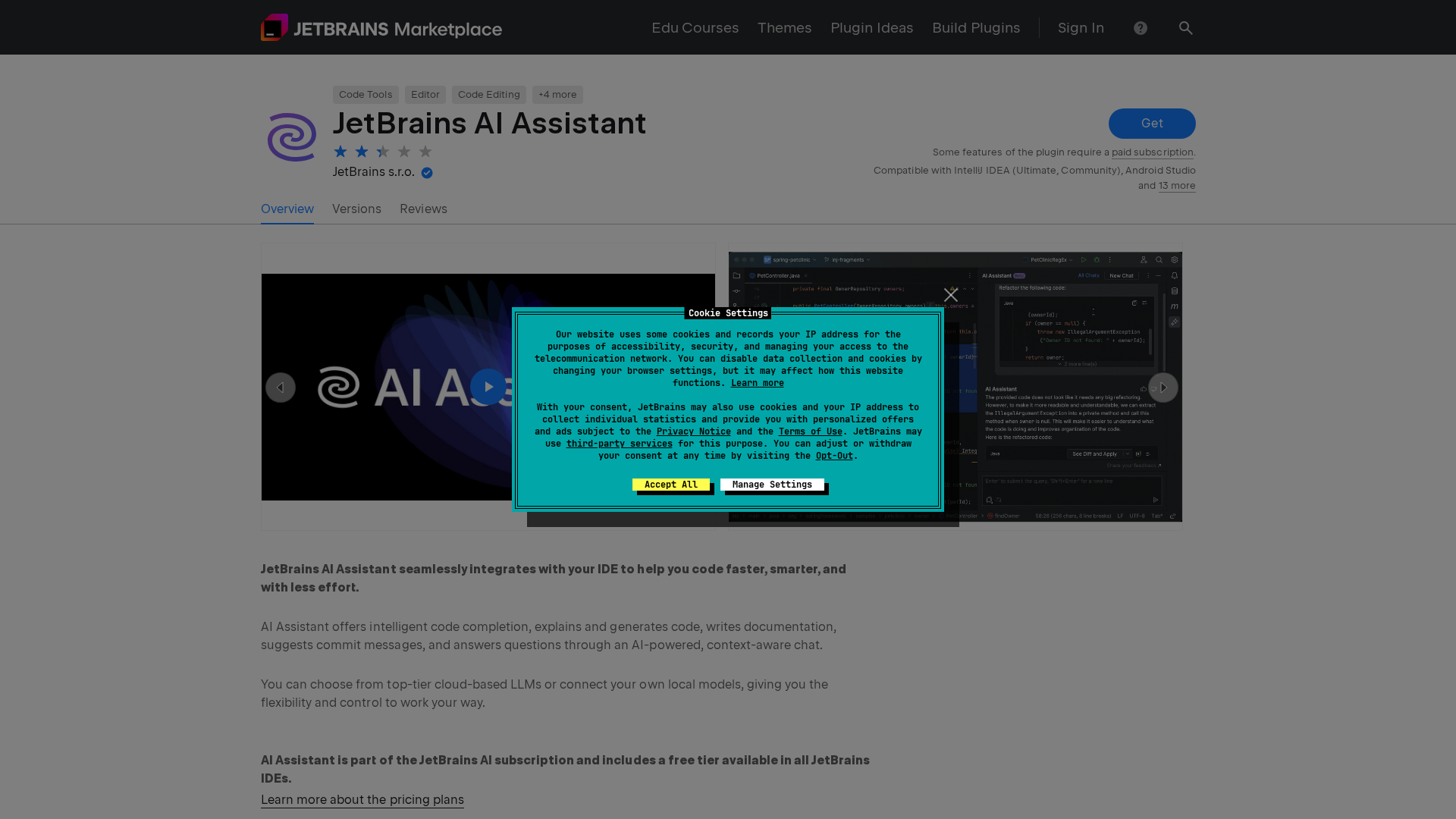
AI-powered coding assistant integrated into IntelliJ IDEs to generate code, explain concepts, and streamline development.
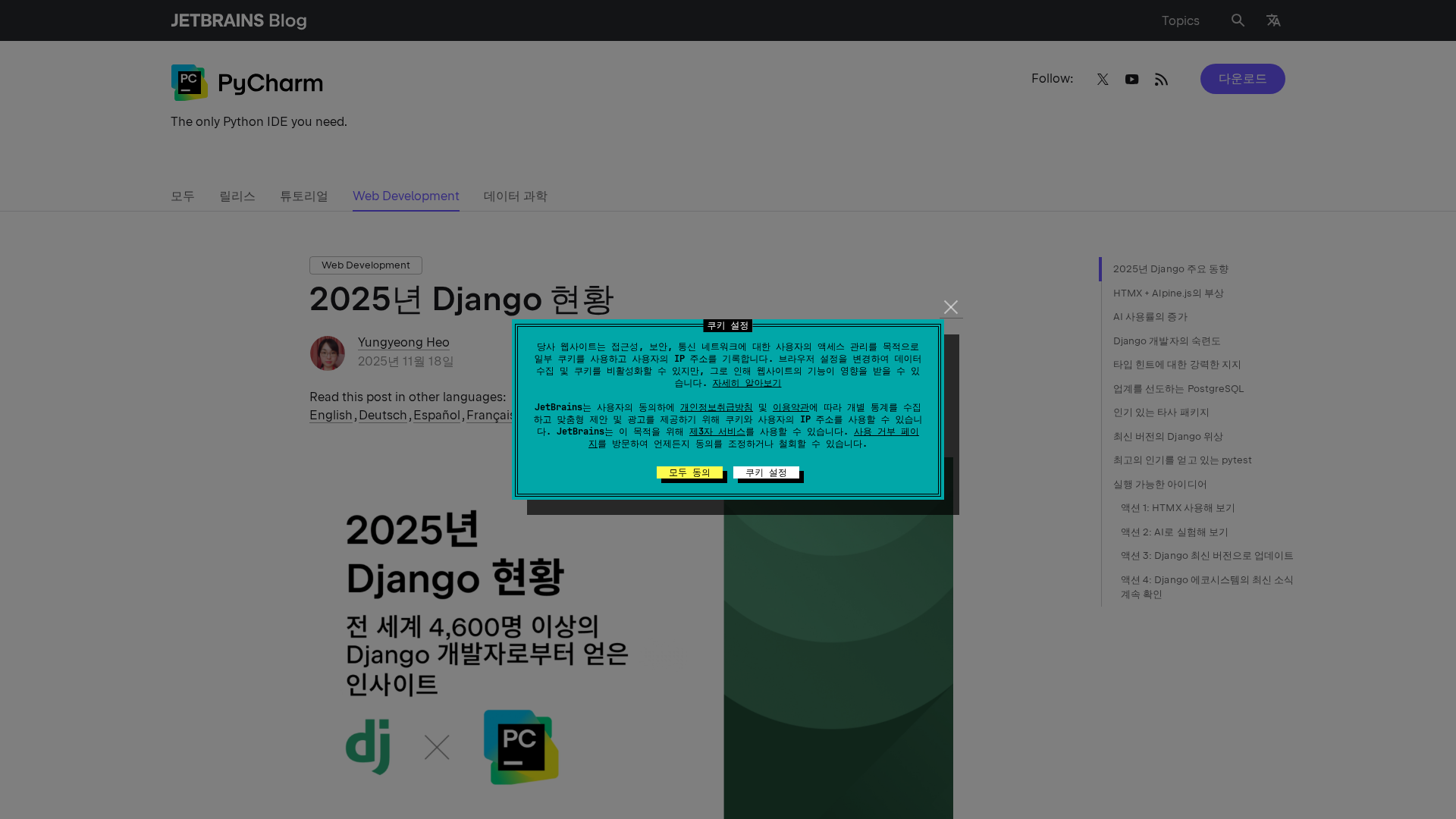
Django의 2025년 트렌드와 설문조사 결과를 분석해 HTMX/Alpine.js의 부상과 AI 도구의 확산 등 주요 인사이트를 제시합니다.