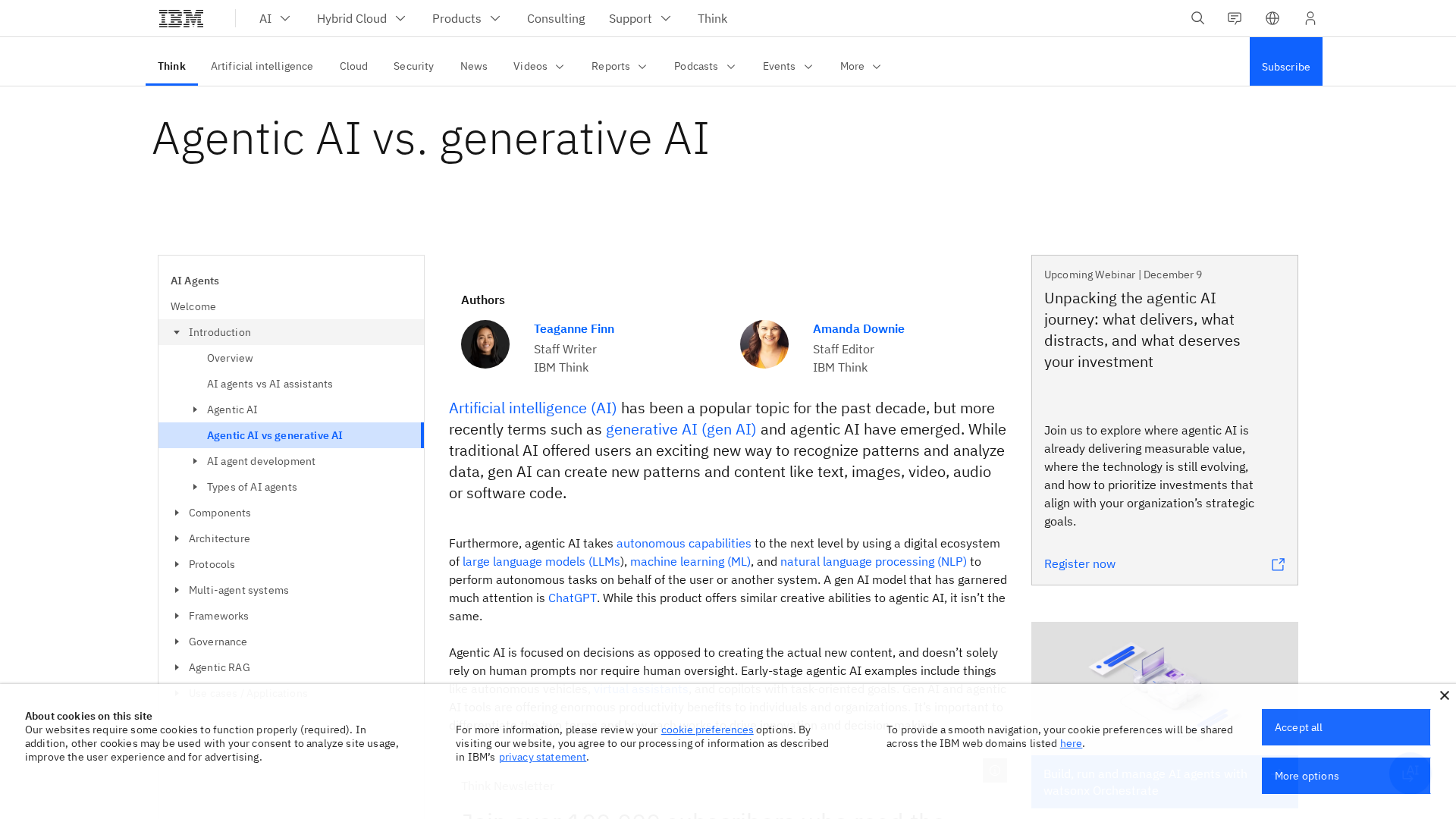
Topic Overview
This topic examines the growing class of agentic AI assistants and multi‑agent platforms—systems that combine language models, tool use, stateful memory, and orchestration to carry out multi‑step tasks. It covers the ecosystems that produce them (agent frameworks and developer tooling), marketplaces that distribute reusable agents, personal AI assistants embedded in user apps, and enterprise automation platforms that operationalize multi‑agent workflows. Relevance and timing: by late 2025 major AI vendors and startups are standardizing agentic patterns—examples include vendor assistants and orchestration projects from Anthropic (Interviewer), Google (Gemini), OpenAI (Operator), and vertical offerings such as Procure AI. At the same time, open platforms and frameworks have matured, making it easier to prototype, evaluate, and deploy agents while raising new questions around safety, governance, observability, and data privacy. Key tools and roles: LangChain provides an engineering stack and open‑source frameworks for building, debugging, and deploying stateful agents; AutoGPT and AgentGPT enable no‑code or lightly coded autonomous agents and workflow automation; GPTConsole and platforms like Replit and Windsurf focus on developer workflows, lifecycle management, and agentic coding productivity; Claude (Anthropic), IBM watsonx Assistant, and Microsoft 365 Copilot represent conversational and enterprise assistants that embed agentic capabilities for knowledge work and automation. What to compare: evaluate agent composition (single vs. multi‑agent), state and memory models, tool and API integration, observability and failure modes, deployment options (cloud, self‑hosted), governance controls, and marketplace ecosystems for reusable agents. Understanding these dimensions helps teams choose between building bespoke agents with frameworks like LangChain or adopting managed, enterprise‑grade assistants and automation platforms that prioritize integration and compliance.
Tool Rankings – Top 6

Engineering platform and open-source frameworks to build, test, and deploy reliable AI agents.

Platform to build, deploy and run autonomous AI agents and automation workflows (self-hosted or cloud-hosted).

Developer-focused platform (SDK, API, CLI, web) to create, share and monetize production-ready AI agents.
Anthropic's Claude family: conversational and developer AI assistants for research, writing, code, and analysis.

Enterprise virtual agents and AI assistants built with watsonx LLMs for no-code and developer-driven automation.
AI assistant integrated across Microsoft 365 apps to boost productivity, creativity, and data insights.
Latest Articles (99)
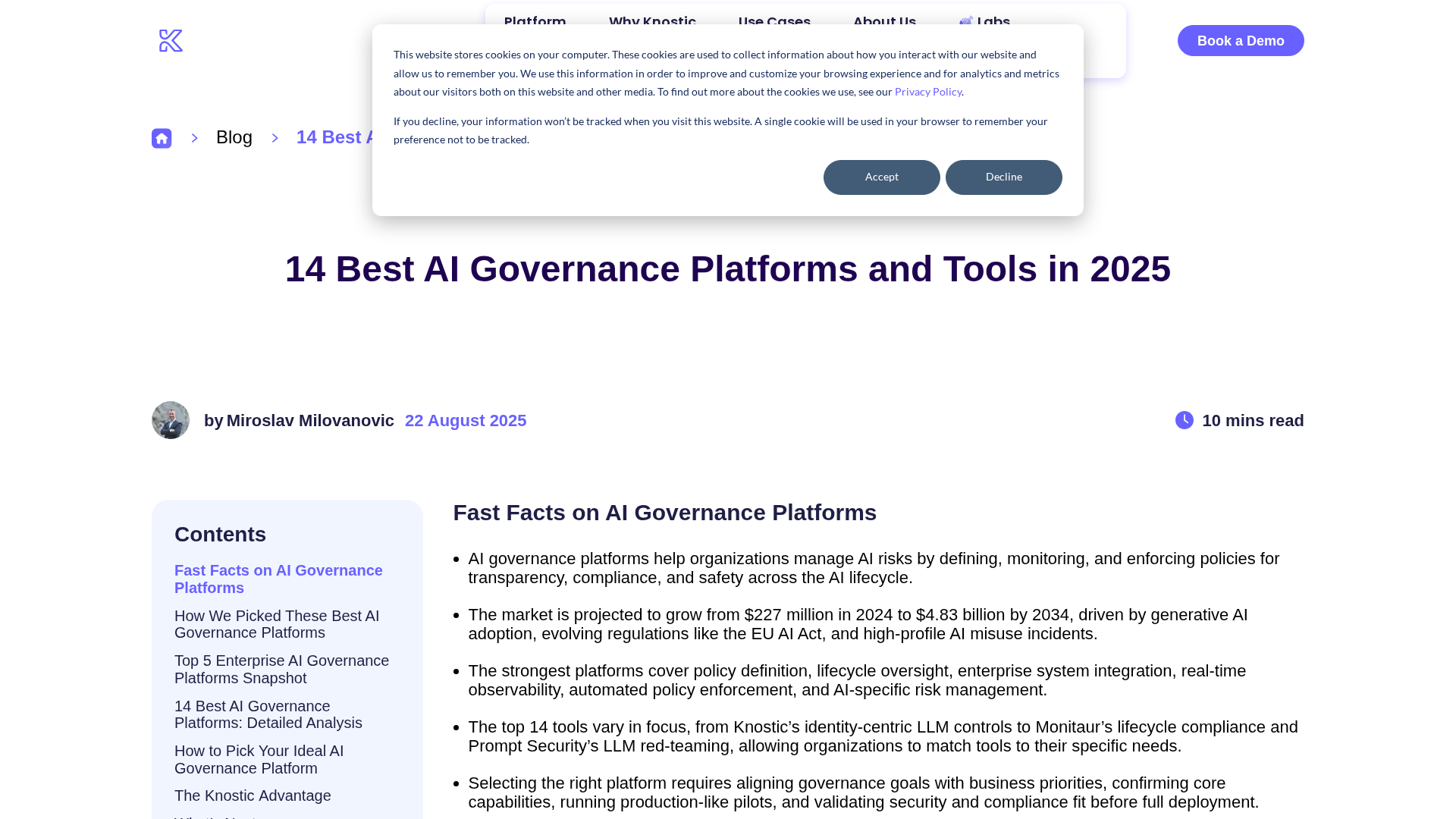
A vendor‑agnostic guide to the 14 best AI governance platforms in 2025, with criteria, comparisons, and practical buying guidance.
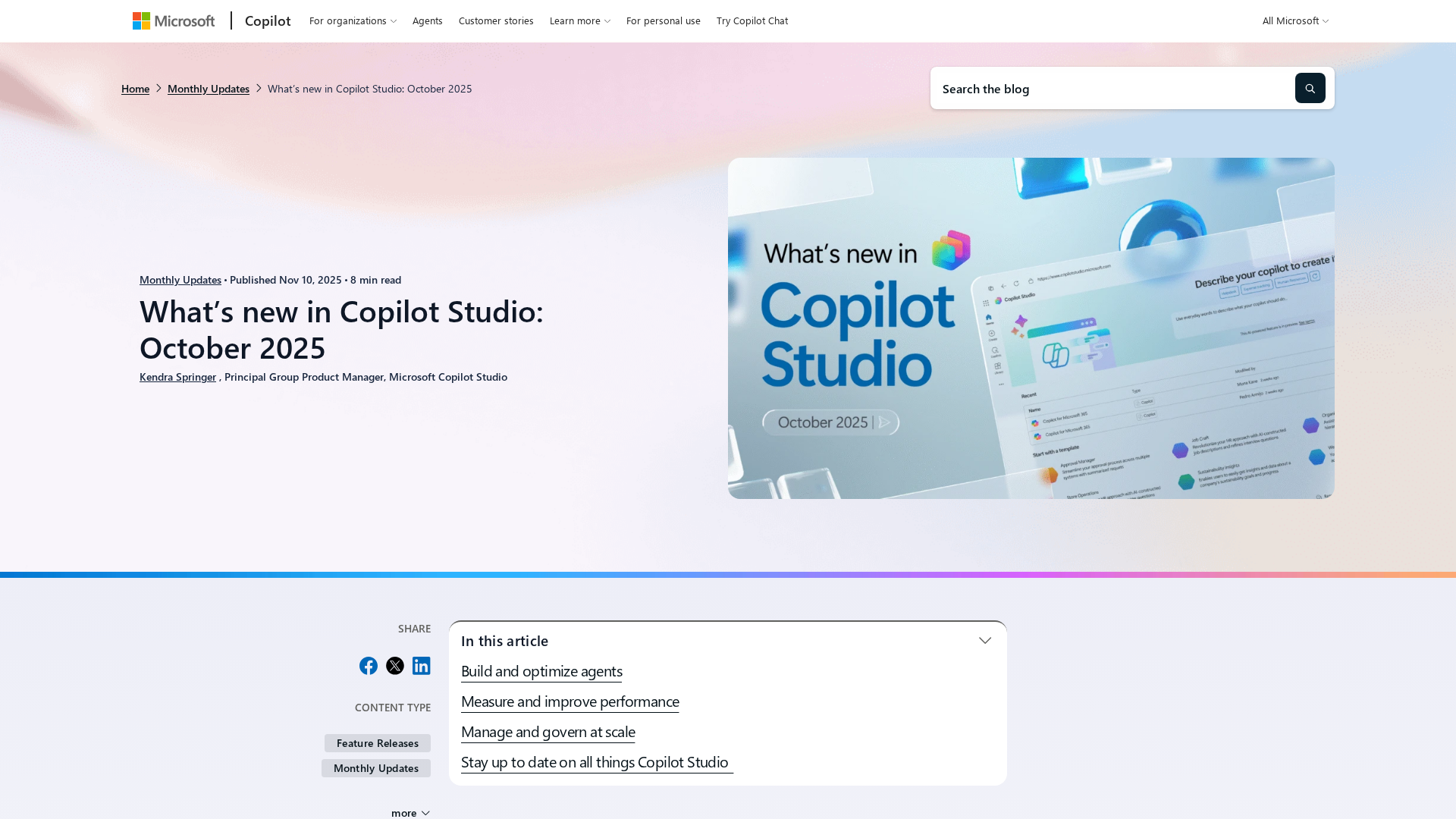
A comprehensive October 2025 roundup of Copilot Studio’s new testing, model, and governance features.
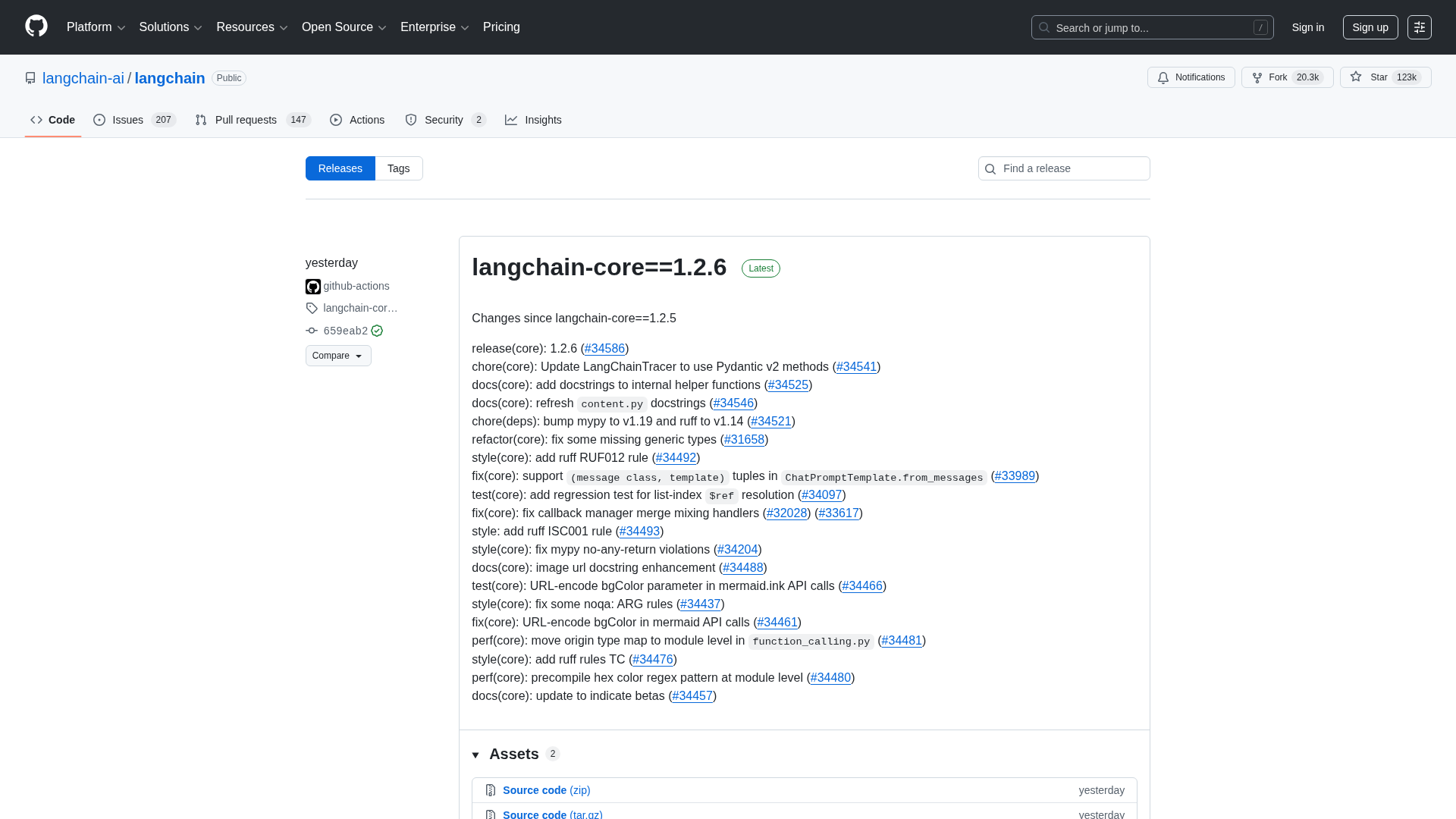
A comprehensive LangChain releases roundup detailing Core 1.2.6 and interconnected updates across XAI, OpenAI, Classic, and tests.

Cannot access the article content due to an access-denied error, preventing summarization.
Adobe nears a $19 billion deal to acquire Semrush, expanding its marketing software capabilities, according to WSJ reports.