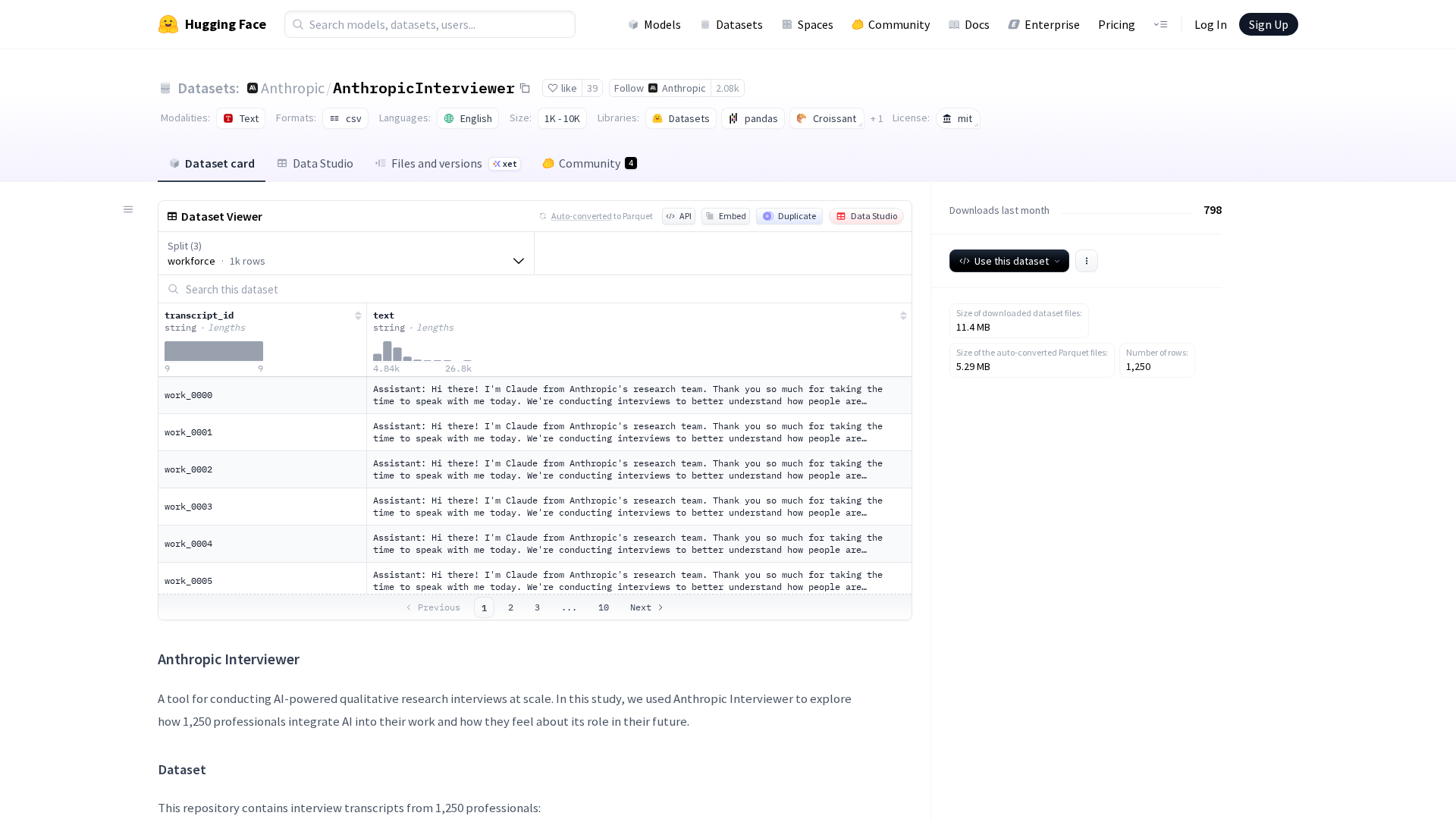
Topic Overview
Conversational survey and interviewer AI tools are systems that conduct, transcribe and analyze spoken or chat-based interviews for public opinion research. As of 2025-12-05, the category centers on LLM-powered “interviewers” (e.g., Anthropic’s Interviewer), real‑time voice agents, transcription and capture services, and agent frameworks/marketplaces that glue those pieces together. These tools accelerate telephone and remote interviewing, automate note-taking and coding, and surface structured metadata for quantitative and qualitative analysis. Key components include: ASR and call handling (ZenCall.ai) to run scalable phone interviews; meeting capture and transcription (Fireflies, Recall.ai) to preserve recordings, speakers and timestamps; realistic TTS for conversational prompts and multilingual interviews (Murf AI); and agent platforms (AgentGPT, agent frameworks/marketplaces) to orchestrate multi-step study workflows. Combined, they enable continuous polling, longitudinal interviews, and quick-turn public-opinion checks while exporting transcripts and actional insights for analysts. Relevance and timeliness: researchers and pollsters face pressure for faster, lower-cost data collection and richer conversational context. Advances in LLM dialogue management and real‑time speech stacks have made automated interviewing technically viable, while growing regulatory focus on consent, data minimization and algorithmic transparency requires built-in privacy and bias-mitigation measures. Practical adoption hinges on sampling integrity, mode effects, verification workflows, and human-in-the-loop review to protect data quality. For teams exploring conversational survey AI, evaluate: transcription accuracy, multilingual TTS, dialogue control and repeatability, metadata export, security/compliance controls, and integrations with analytics pipelines or agent marketplaces. These factors determine whether automated interviewers supplement or replace traditional interviewer-led fieldwork.
Tool Rankings – Top 5

AI-powered phone agents that answer, route, and manage calls in real time (speech-to-text + LLM + text-to-speech).
AI meeting note taker that joins meetings, transcribes audio, generates summaries, extracts insights and action items, &

Realistic AI text-to-speech, dubbing, and voice APIs with 200+ voices and multilingual support.

API and SDK platform to capture, transcribe, stream, and surface meeting recordings and metadata (Zoom, Meet, Teams, etc

A browser-based platform to create and deploy autonomous AI agents with simple goals.
Latest Articles (34)
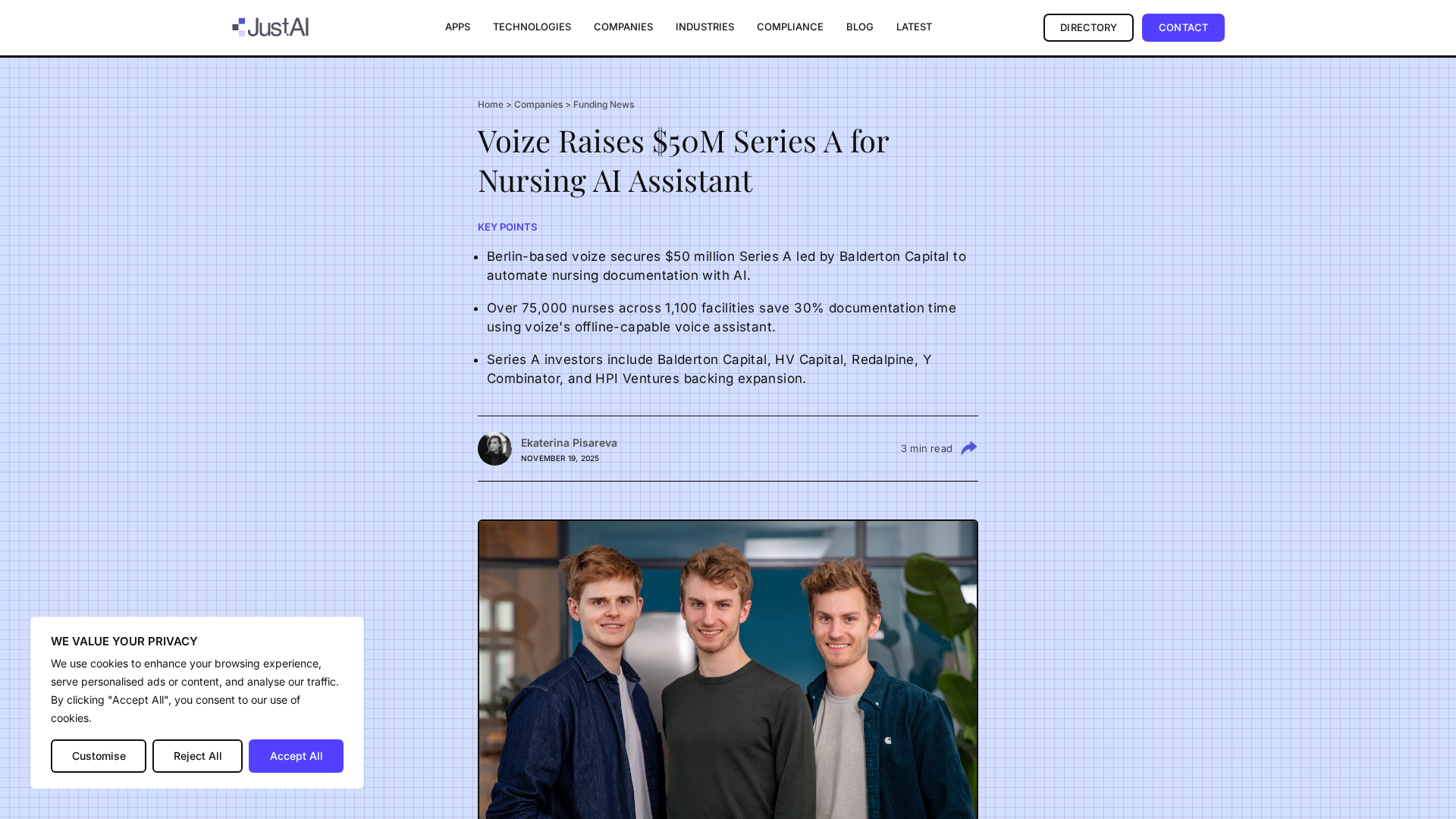
Berlin-based Voize raises $50M Series A to expand its offline nursing AI assistant that speeds documentation.
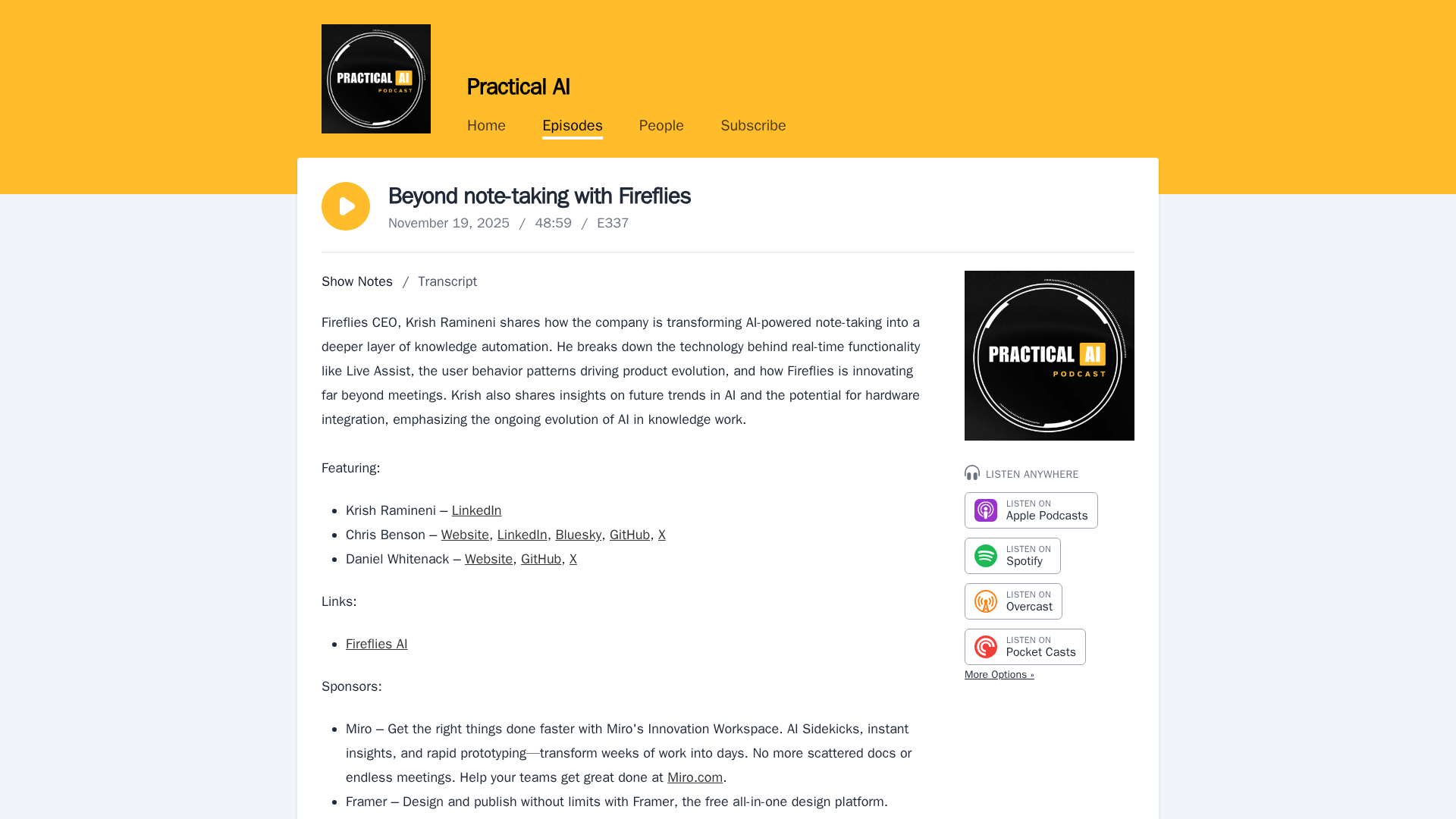
A deep dive into Fireflies' Live Assist and AI-powered knowledge automation with Krish Ramineni and guests, exploring futures trends and product evolution.
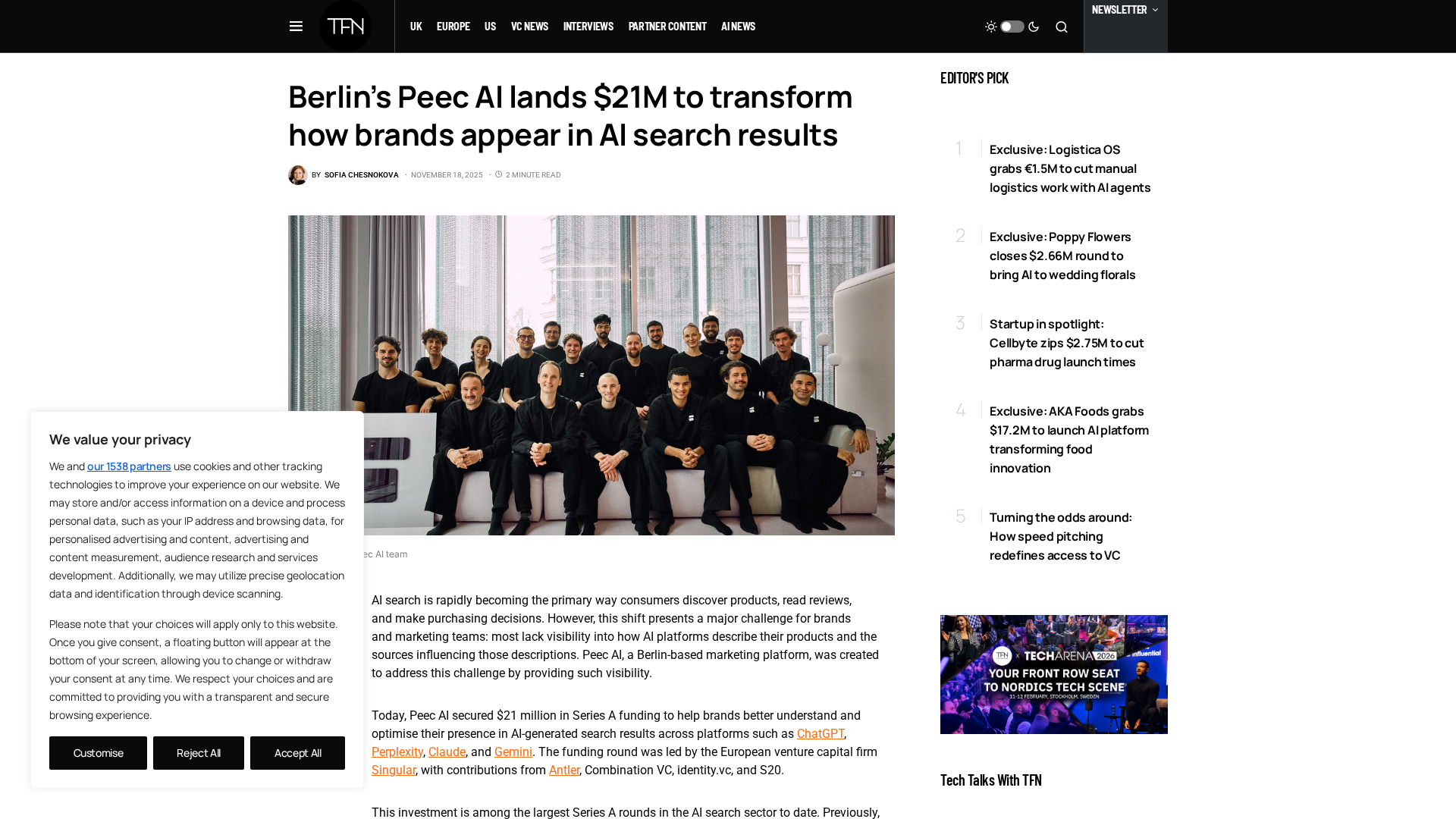
Berlin’s Peec AI secures $21M Series A to give brands real-time visibility into AI-generated search results across major platforms.
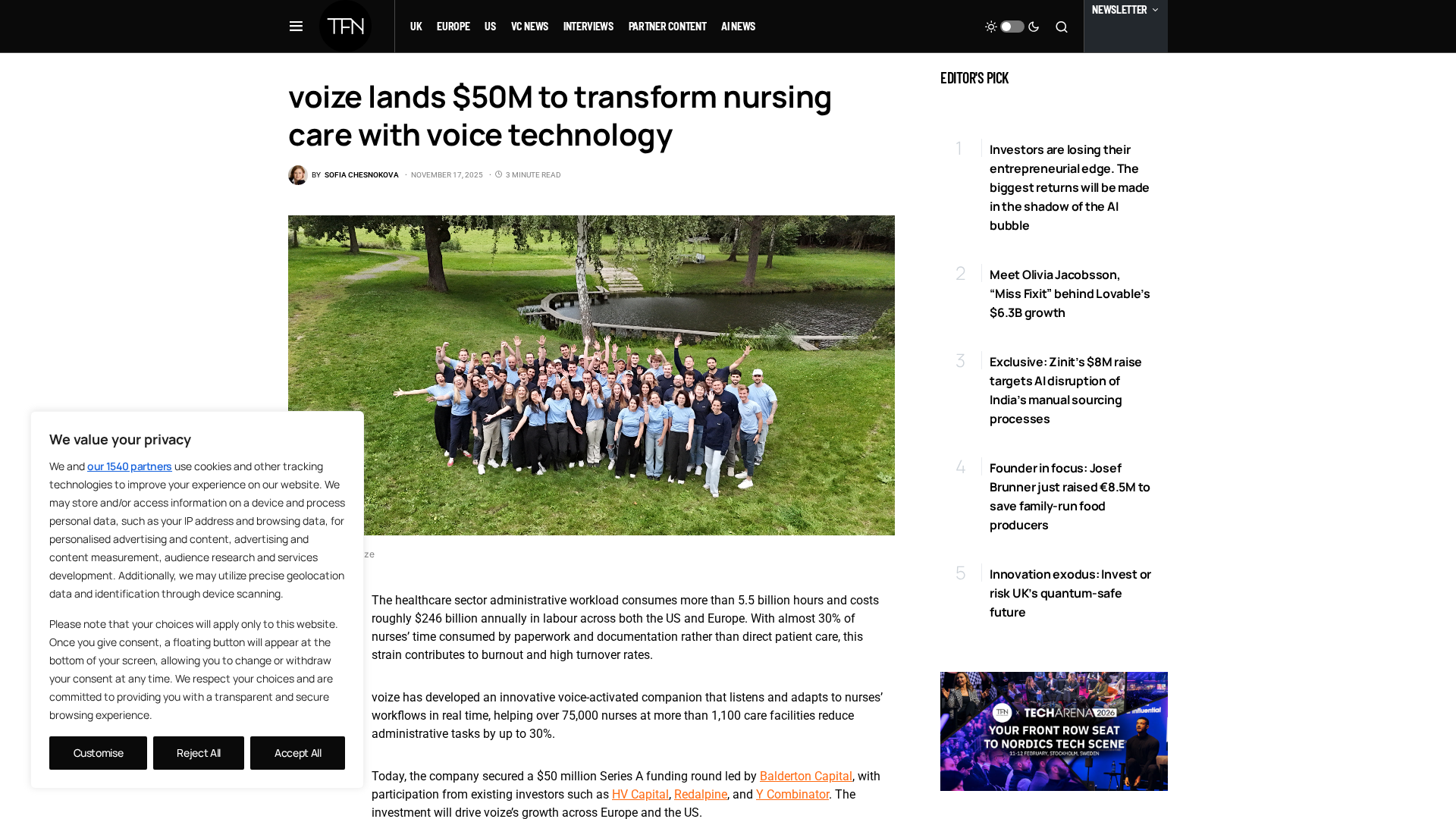
Voize raises $50M Series A to deploy offline, voice-enabled AI that reduces nursing admin work across Europe and the US.
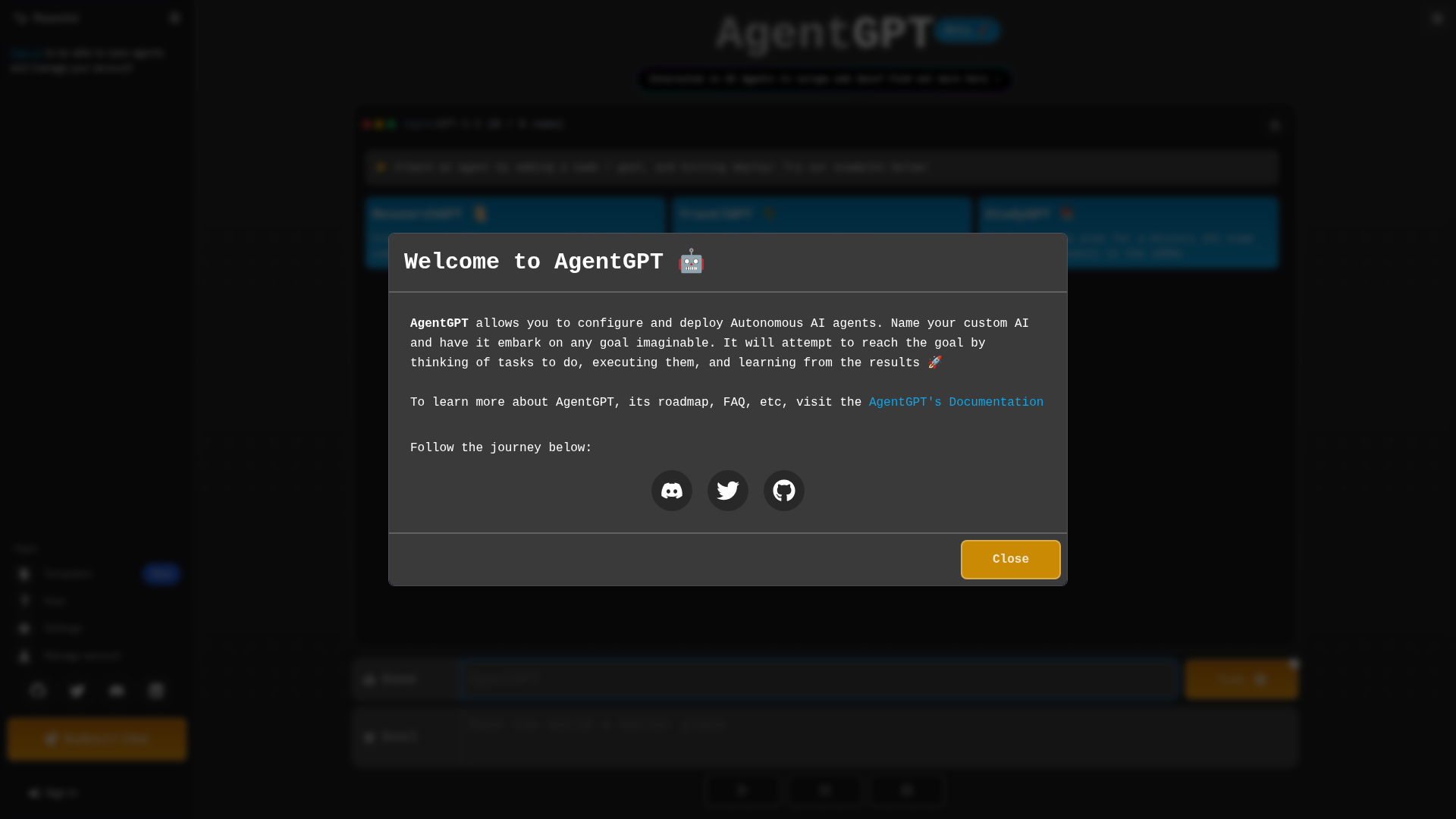
A browser-based platform to create and deploy autonomous AI agents with simple prompts.