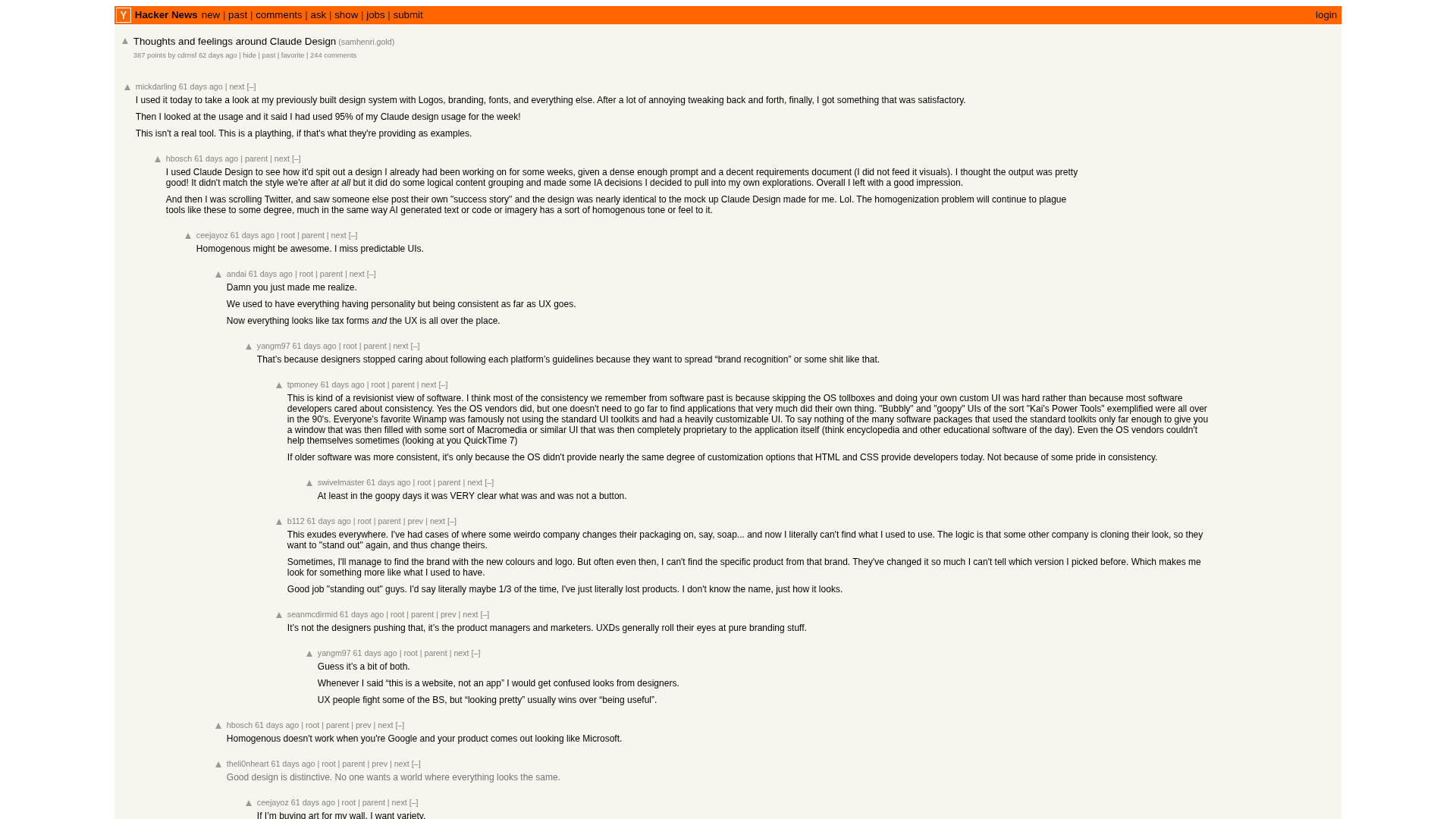
Topic Overview
Design‑to‑Code & Creative Workflows examines how AI and low‑code platforms are changing the path from visual design to running interfaces — from rapid prototyping to production handoff. The topic covers AI UI design tools and Figma AI plugins that extract components and layout intent, conversational assistants (Claude family) that translate design briefs into implementation tasks, in‑IDE copilots (JetBrains AI Assistant, Tabnine) that generate and refactor code with project context, and frameworks (LangChain) and model families (Google Gemini, Salesforce CodeT5) that underpin automation and agentic pipelines. This area is timely because teams are increasingly focused on velocity, consistency, and governance: designers want faster iteration and fidelity, developers need context‑aware scaffolding rather than one‑off assets, and organizations require private deployments and observability for generated code. Key patterns include automated component generation from design systems, multimodal prompts that combine screenshots and natural language, in‑editor synthesis and tests, and orchestration layers that connect design tools to CI/CD and low‑code runtime platforms. Practically, expect a mix of cloud APIs and on‑premise options for enterprises (to address IP and compliance), plugin ecosystems around design tools like Figma for seamless handoff, and developer‑centric assistants that keep generated code consistent with repository context. The emphasis is on pragmatic automation — reducing repetitive work, surfacing implementation tradeoffs, and integrating generated artifacts into existing workflows — rather than fully replacing designers or engineers. This topic helps teams evaluate tradeoffs across AI code generation tools, AI code assistants, low‑code workflow platforms, and website prototyping solutions when adopting design‑to‑code practices.
Tool Rankings – Top 6

A collaborative, web-first design platform for teams to design, prototype, and ship products.
Anthropic's Claude family: conversational and developer AI assistants for research, writing, code, and analysis.
In‑IDE AI copilot for context-aware code generation, explanations, and refactorings.

Enterprise-focused AI coding assistant emphasizing private/self-hosted deployments, governance, and context-aware code.

An open-source framework and platform to build, observe, and deploy reliable AI agents.

Google’s multimodal family of generative AI models and APIs for developers and enterprises.
Latest Articles (53)
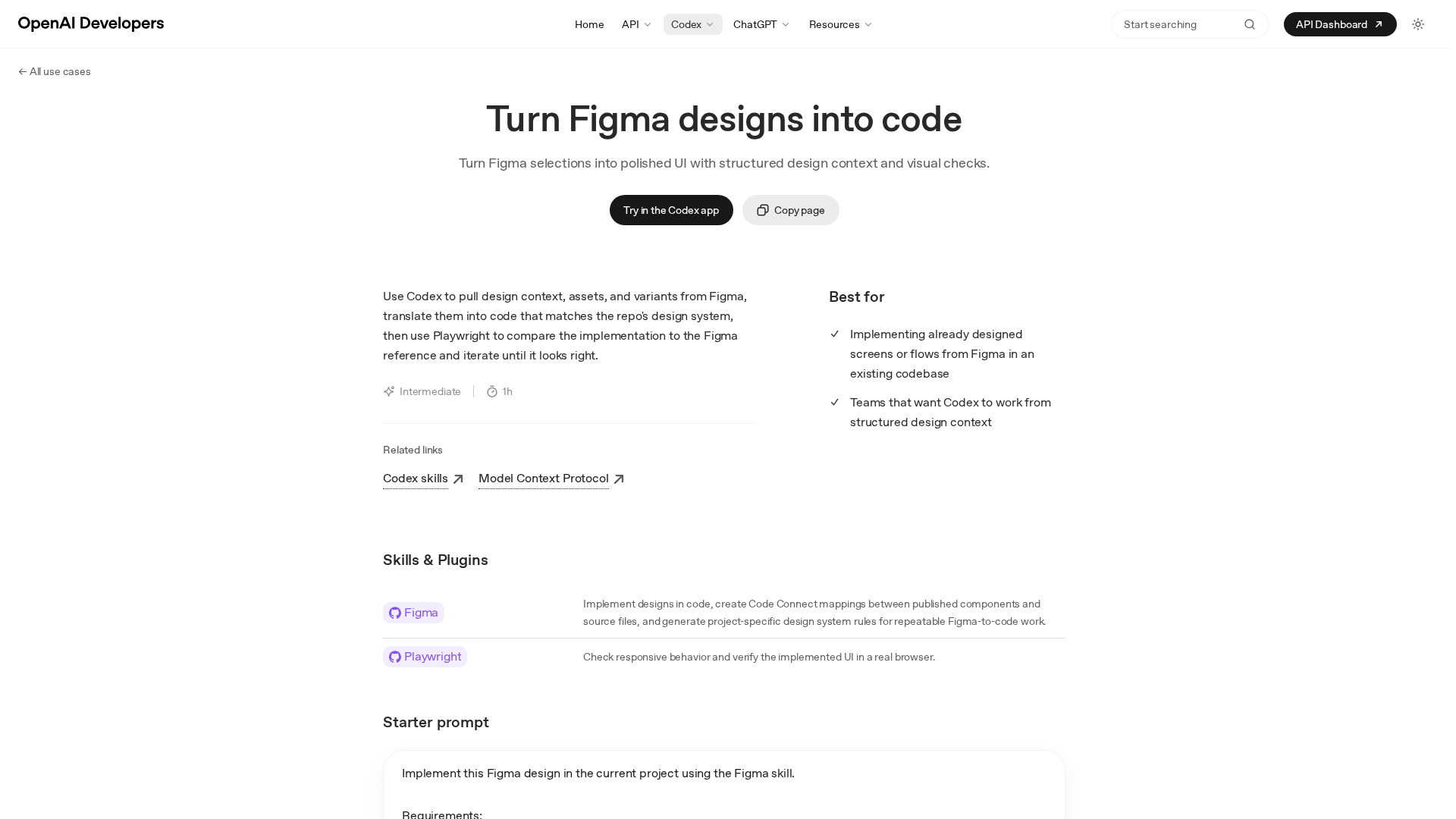
Turn precise Figma designs into production-ready UI by Codex, with design-context, assets, and automated visual checks.
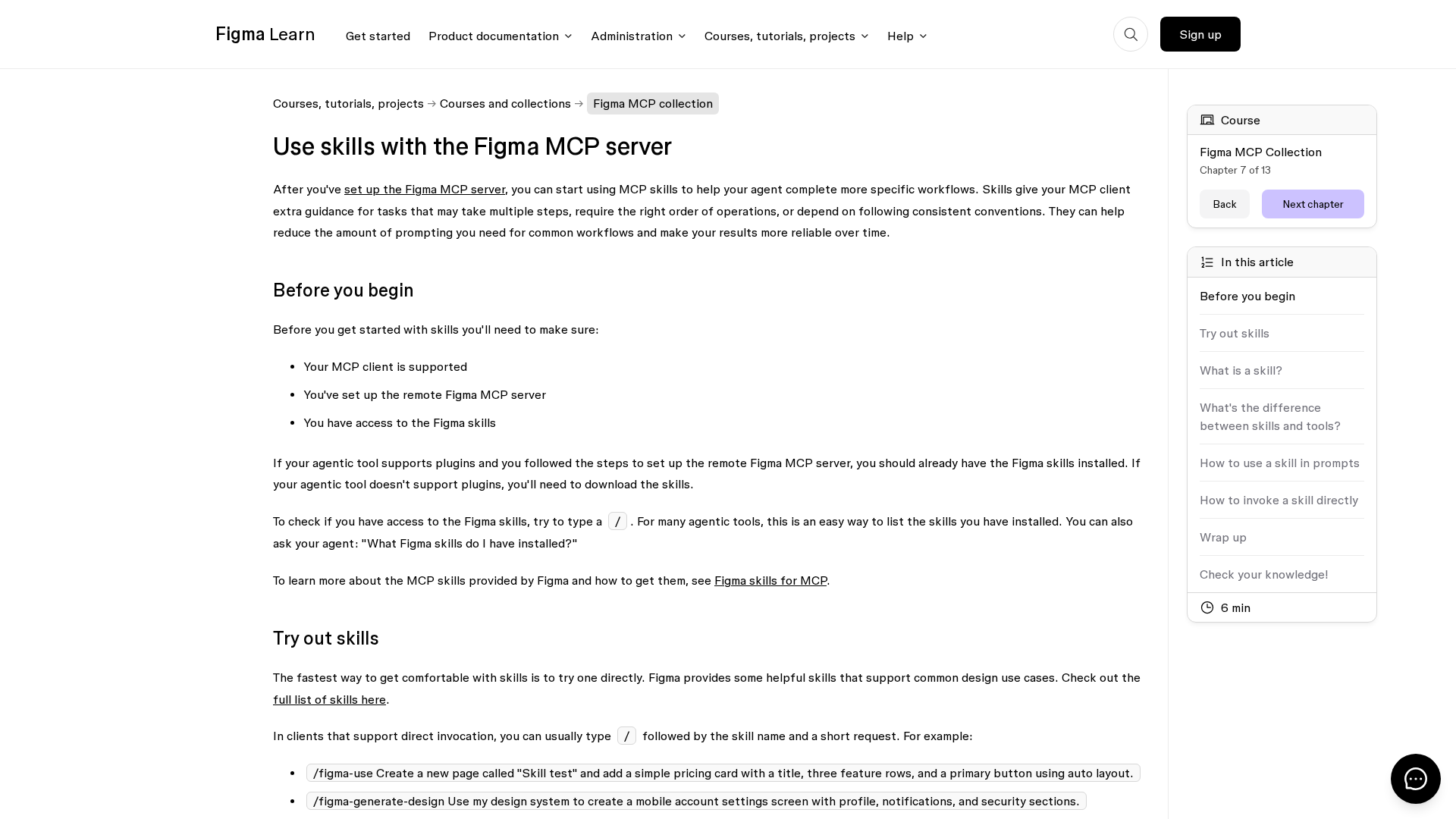
Learn how Figma MCP skills guide your agent through multi-step design workflows with the MCP server.
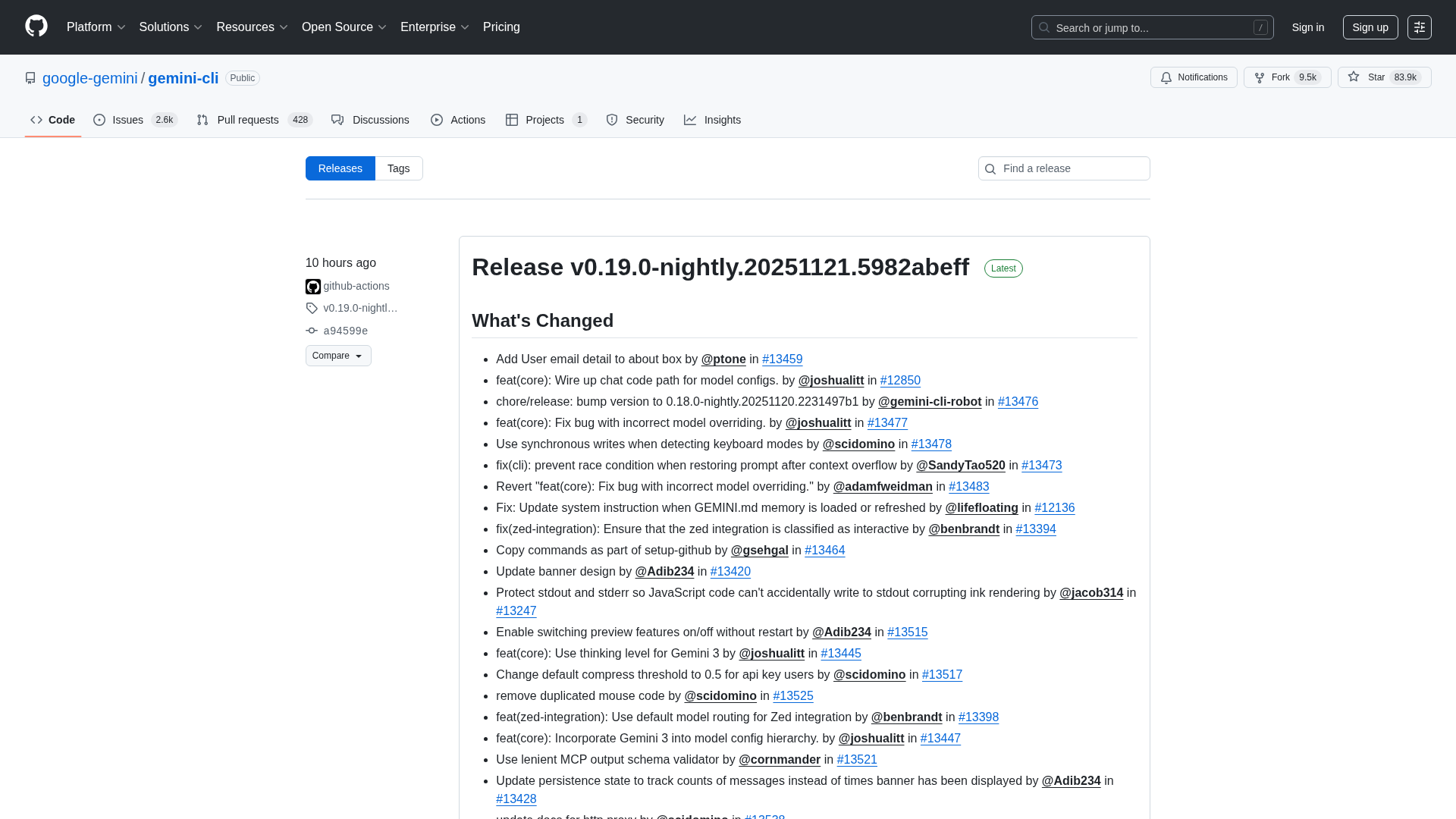
Overview of the Gemini CLI v0.36.0-preview release series, highlighting architectural, CLI, and UI changelogs across multiple pre-release versions.
Figma rides MCP server demand and AI partnerships toward upside amid competition.
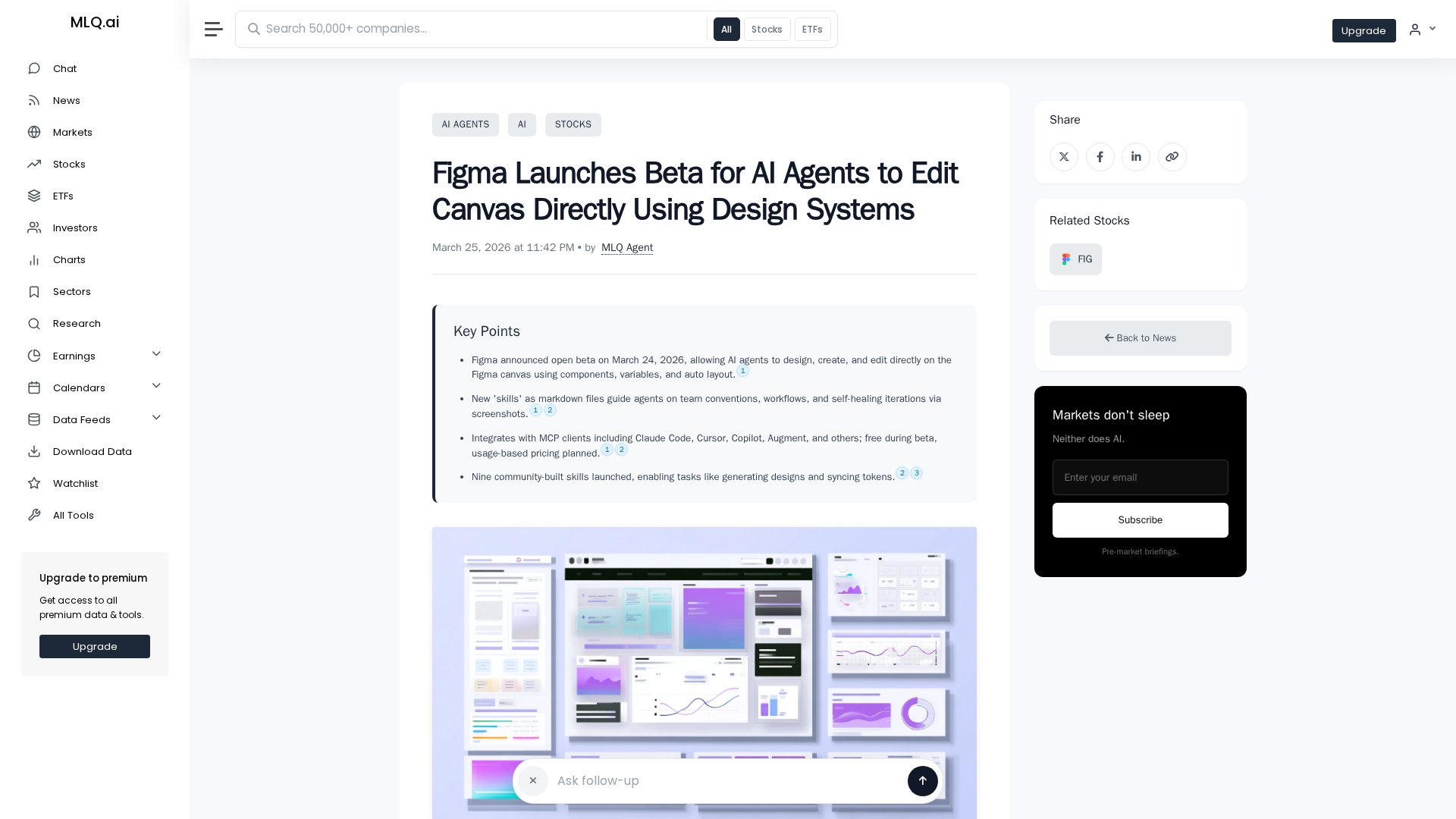
Figma opens an open beta letting AI agents design and edit on the canvas using design system components.