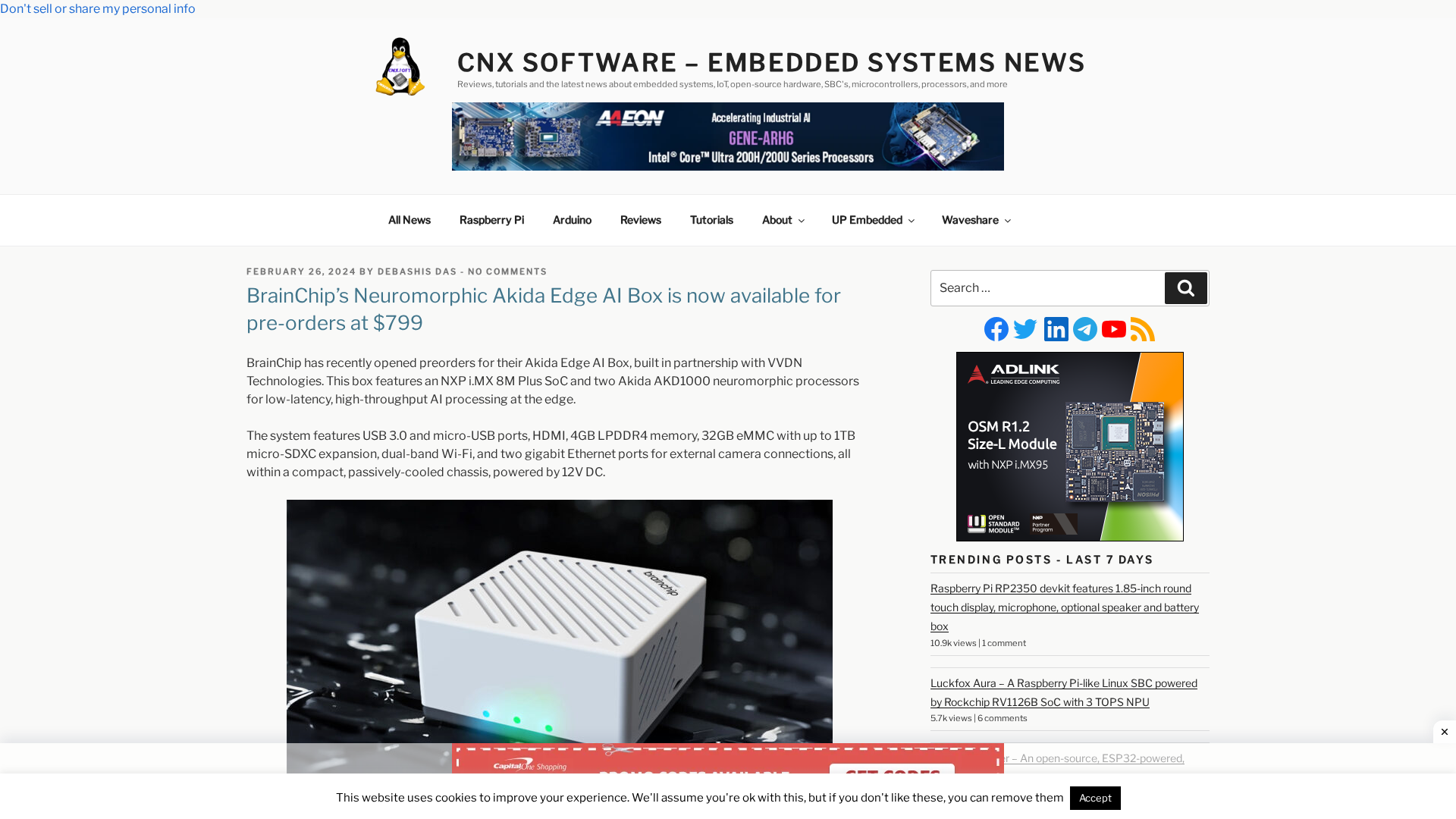
Topic Overview
This topic examines the growing split between edge AI accelerators and on‑device models (including neuromorphic designs like BrainChip’s Akida, NPUs and FPGAs) and cloud‑first accelerators (GPUs, TPUs and large centralized inference fleets). Edge solutions prioritize low latency, reduced bandwidth, privacy and resilience for vision platforms and autonomy systems; cloud‑first approaches favor raw throughput, centralized model orchestration and large‑scale retraining. Relevance in late 2025: regulation, cost pressure on cloud egress, and mature model compression/quantization toolchains have accelerated adoption of on‑device inference for camera‑based vision and mission‑critical autonomy. Decentralized AI infrastructure patterns (local-first model serving, OTA updates, provenance and governance) are now practical for enterprises and defense platforms that need deterministic behavior and data locality. Key tools and roles: BrainChip and other edge accelerators provide event‑driven or highly quantized inference kernels tuned for power‑constrained vision; cloud‑first accelerators (NVIDIA/Google-class stacks) remain essential for large model training and centralized services. Developer and deployment tooling bridges both worlds: Shield AI’s Hivemind/EdgeOS illustrates autonomy stacks that combine deterministic middleware with on‑device behaviors; Tabby, Cline and Tabnine represent local‑first/self‑hosted coding assistants that enable private model serving, auditability and repeatable build pipelines; Windsurf and Warp are agentic developer environments that streamline model iteration and testing for heterogeneous targets. Practical tradeoffs include model fidelity vs power/latency, operational complexity of diverse hardware, and governance for decentralized deployments. Choosing between edge accelerators and cloud‑first approaches depends on application needs (real‑time vision, privacy, resilience) and the maturity of toolchains to compile, verify and update models across distributed infrastructure.
Tool Rankings – Top 6

Mission-driven developer of Hivemind autonomy software and autonomy-enabled platforms for defense and enterprise.
Open-source, client-side AI coding agent that plans, executes and audits multi-step coding tasks.
.avif)
Open-source, self-hosted AI coding assistant with IDE extensions, model serving, and local-first/cloud deployment.

AI-native IDE and agentic coding platform (Windsurf Editor) with Cascade agents, live previews, and multi-model support.

Agentic Development Environment (ADE) — a modern terminal + IDE with built-in AI agents to accelerate developer flows.

Enterprise-focused AI coding assistant emphasizing private/self-hosted deployments, governance, and context-aware code.
Latest Articles (28)

Meta and Sify plan a 500 MW hyperscale data center in Visakhapatnam with the Waterworth subsea cable landing.

Meta may partner with Sify to lease a 500 MW Vishakhapatnam data center in a Rs 15,266 crore project linked to the Waterworth subsea cable.
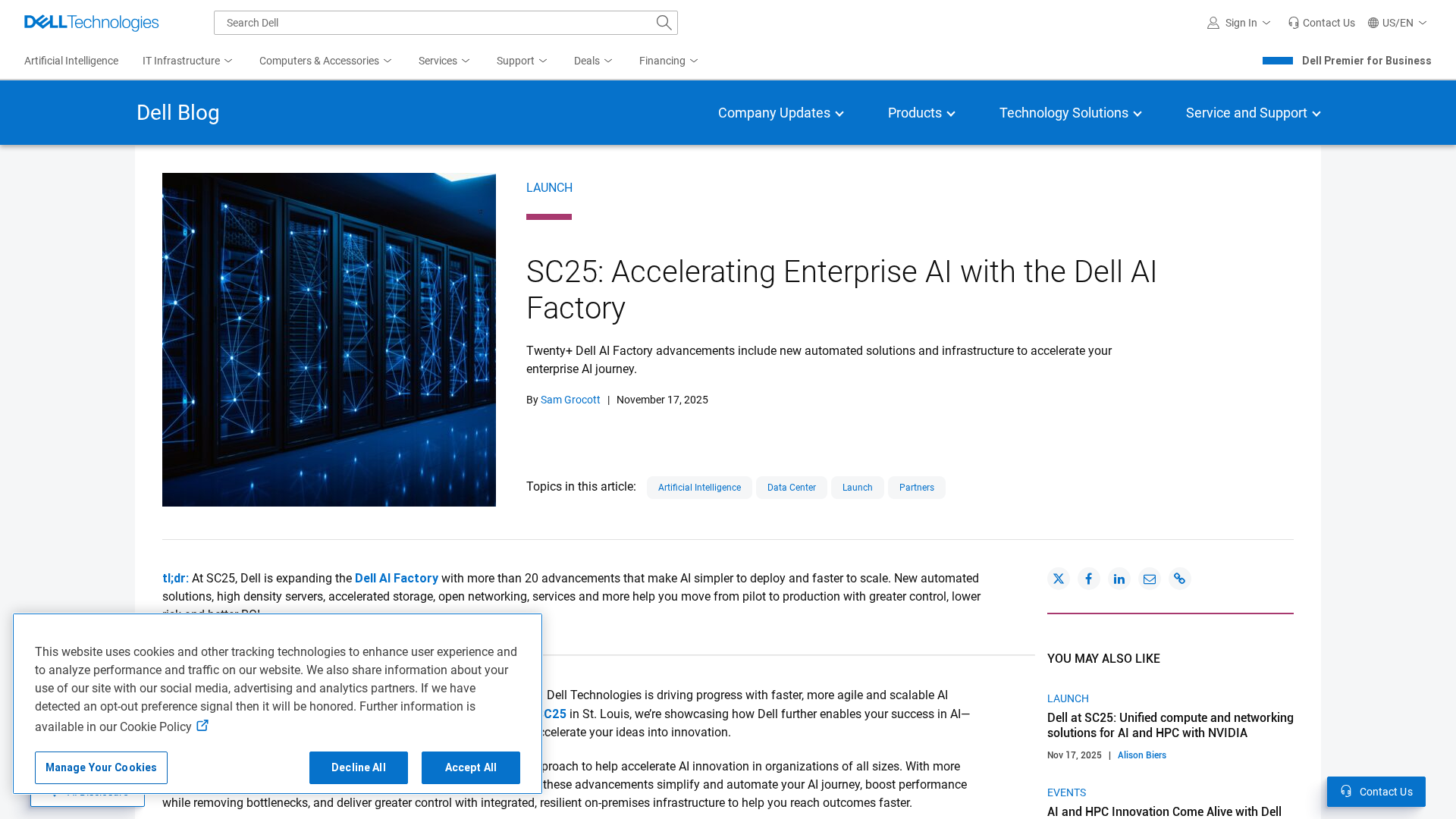
Dell unveils 20+ advancements to its AI Factory at SC25, boosting automation, GPU-dense hardware, storage and services for faster, safer enterprise AI.
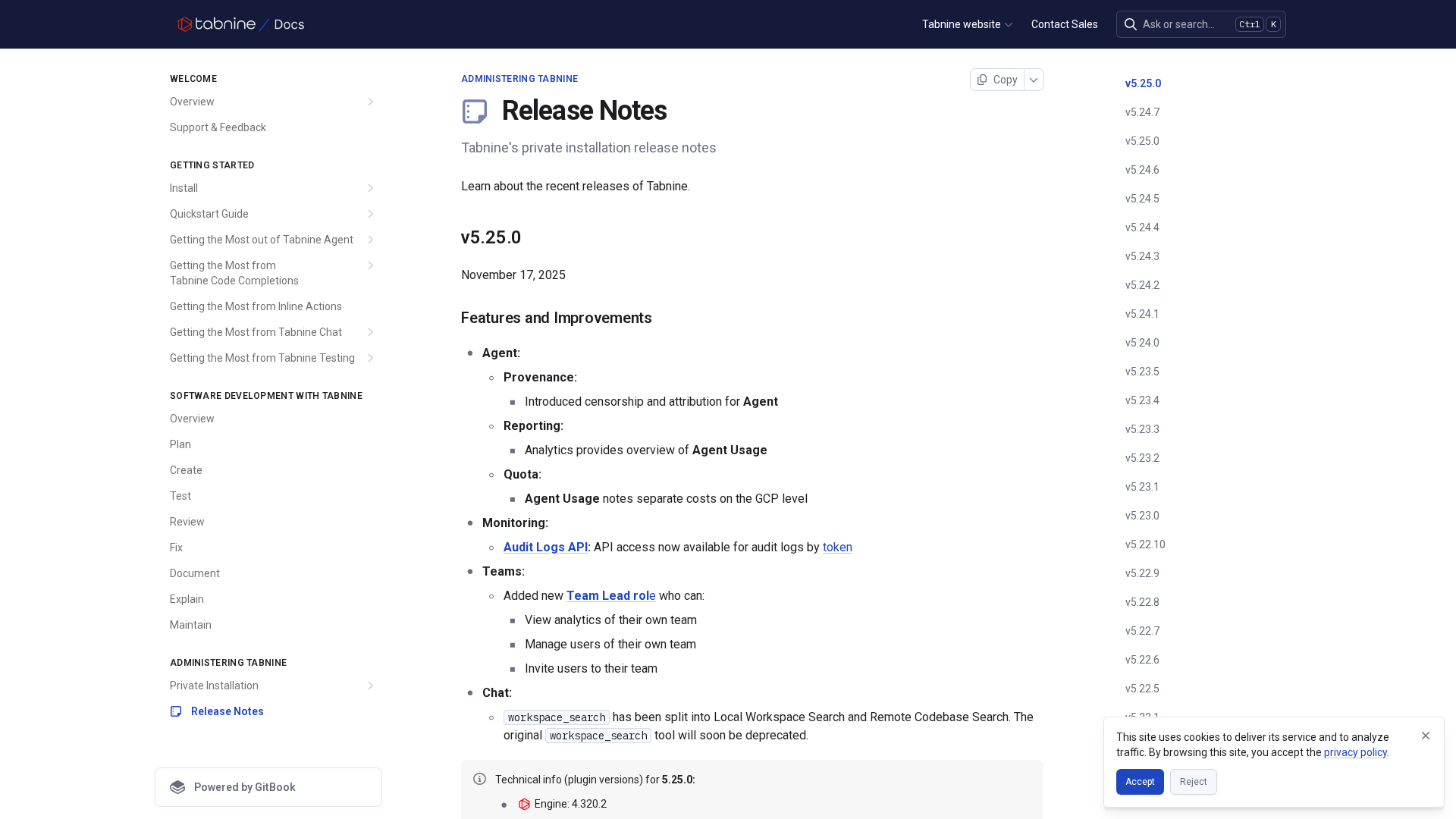
Comprehensive private-installation release notes detailing new features, improvements, and fixes across multiple Tabnine versions.
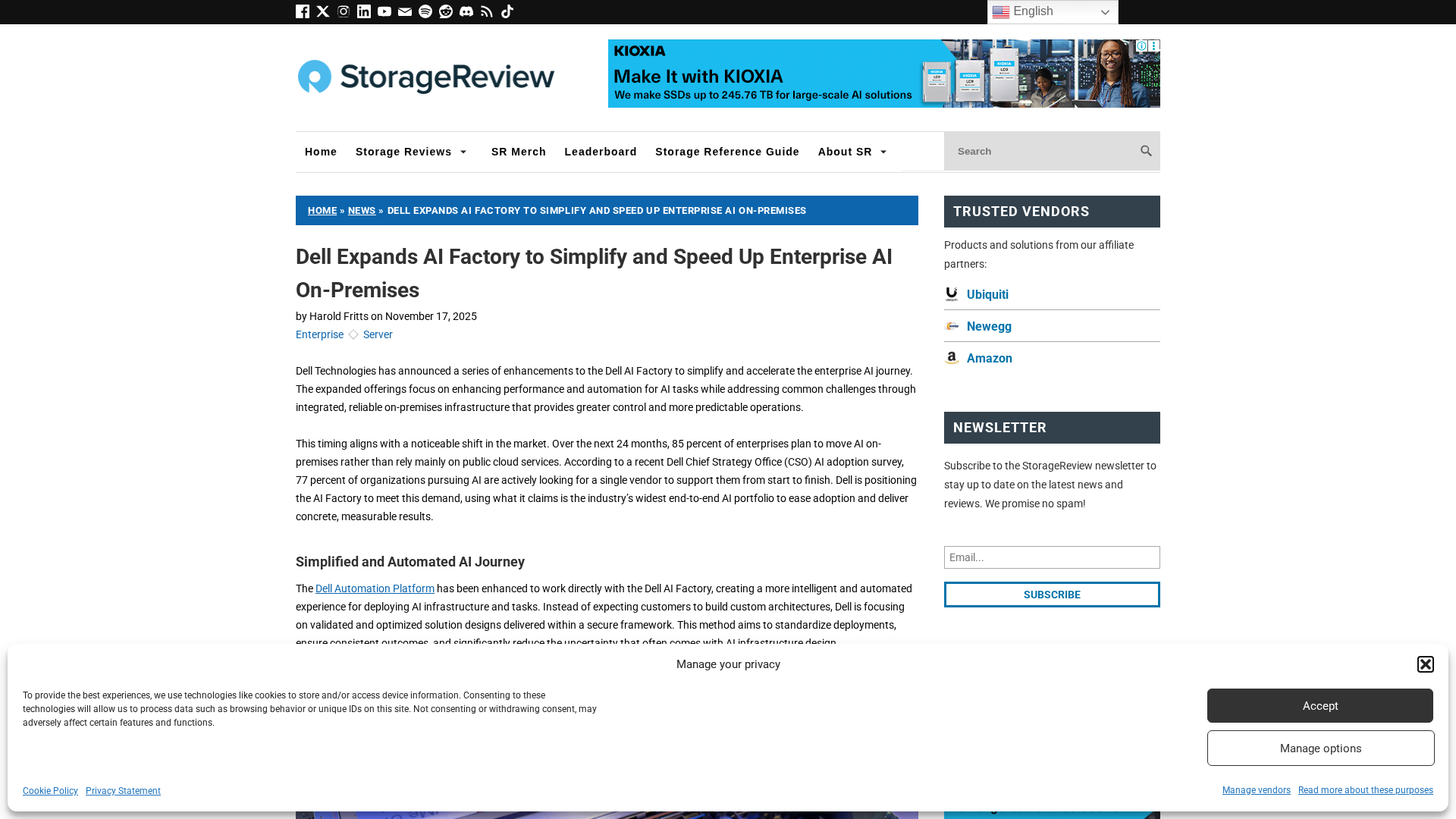
Dell expands its AI Factory with automated on-prem infrastructure, new PowerEdge servers, enhanced storage software, and scalable networking for enterprise AI.