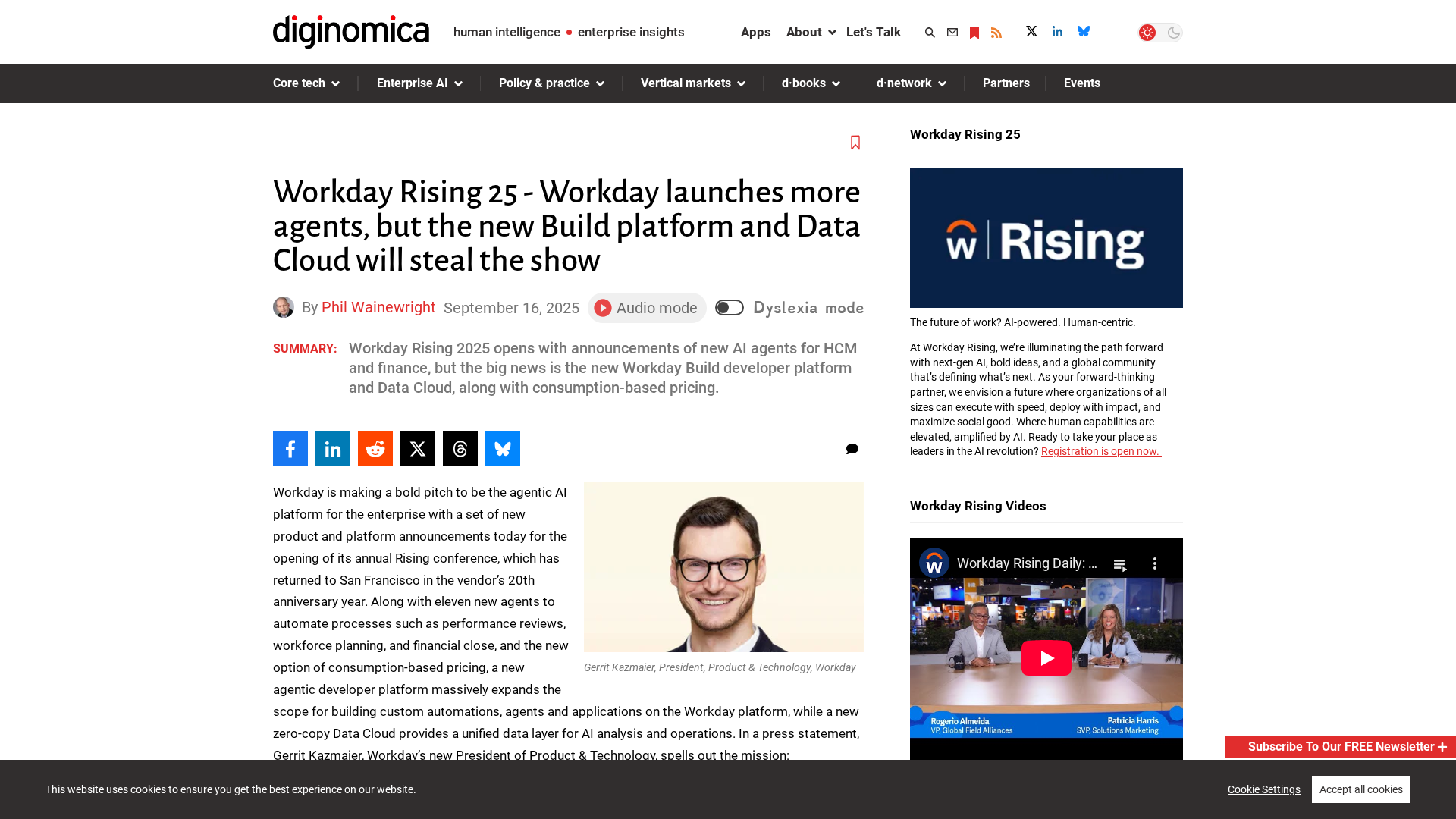
Topic Overview
This topic compares enterprise-grade agent builders and platforms — from domain-specific tools like Workday Agent Builder and Oracle’s agent tooling to general-purpose frameworks and marketplaces — and explains how organisations choose, build, deploy, and govern agentic automation. As of 2026, companies are moving beyond single‑agent proofs of concept to production systems that require multi‑agent orchestration, lifecycle governance, observability, secure model hosting, and developer workflows. Key categories include agent frameworks (LangChain’s open-source engineering stack and LangGraph for stateful agent flows), cloud model and deployment platforms (Google Vertex AI for training, fine‑tuning, hosting and monitoring), low‑code/no‑code enterprise platforms (Kore.ai, StackAI, Relevance AI) and specialised agent builders embedded in enterprise apps (Workday Agent Builder for HCM/finance workflows; Oracle’s Digital Assistant and OCI agent services). Agentic automation research and products such as Adept’s ACT‑1 emphasize interface‑level action capabilities for automating multistep software tasks. Developer tooling and governance are handled by solutions like GitHub Copilot, Tabby (self‑hosted coding assistants), and Qodo (quality‑first code review and SDLC governance), which integrate into agent development pipelines. The practical tradeoffs are clear: low‑code platforms accelerate business‑user adoption and governance, pro‑code frameworks give engineering control over state, evaluation and integrations, and cloud platforms supply scalable model Ops and compliance controls. Important 2026 considerations include reproducible testing, observability of multi‑agent workflows, data residency and privacy controls, and tooling for continuous evaluation and safety. This comparison highlights how organisations balance speed, control and governance when selecting an enterprise agent builder or platform.
Tool Rankings – Top 6

Enterprise AI agent platform for building, deploying and orchestrating multi-agent workflows with governance, observabil

Engineering platform and open-source frameworks to build, test, and deploy reliable AI agents.

Unified, fully-managed Google Cloud platform for building, training, deploying, and monitoring ML and GenAI models.
End-to-end no-code/low-code enterprise platform for building, deploying, and governing AI agents that automate work onun
Agentic AI (ACT-1) that observes and acts inside software interfaces to automate multistep workflows for enterprises.

Enterprise-grade no-code/low-code platform to build, deploy, and manage autonomous AI agents and workflows.
Latest Articles (94)
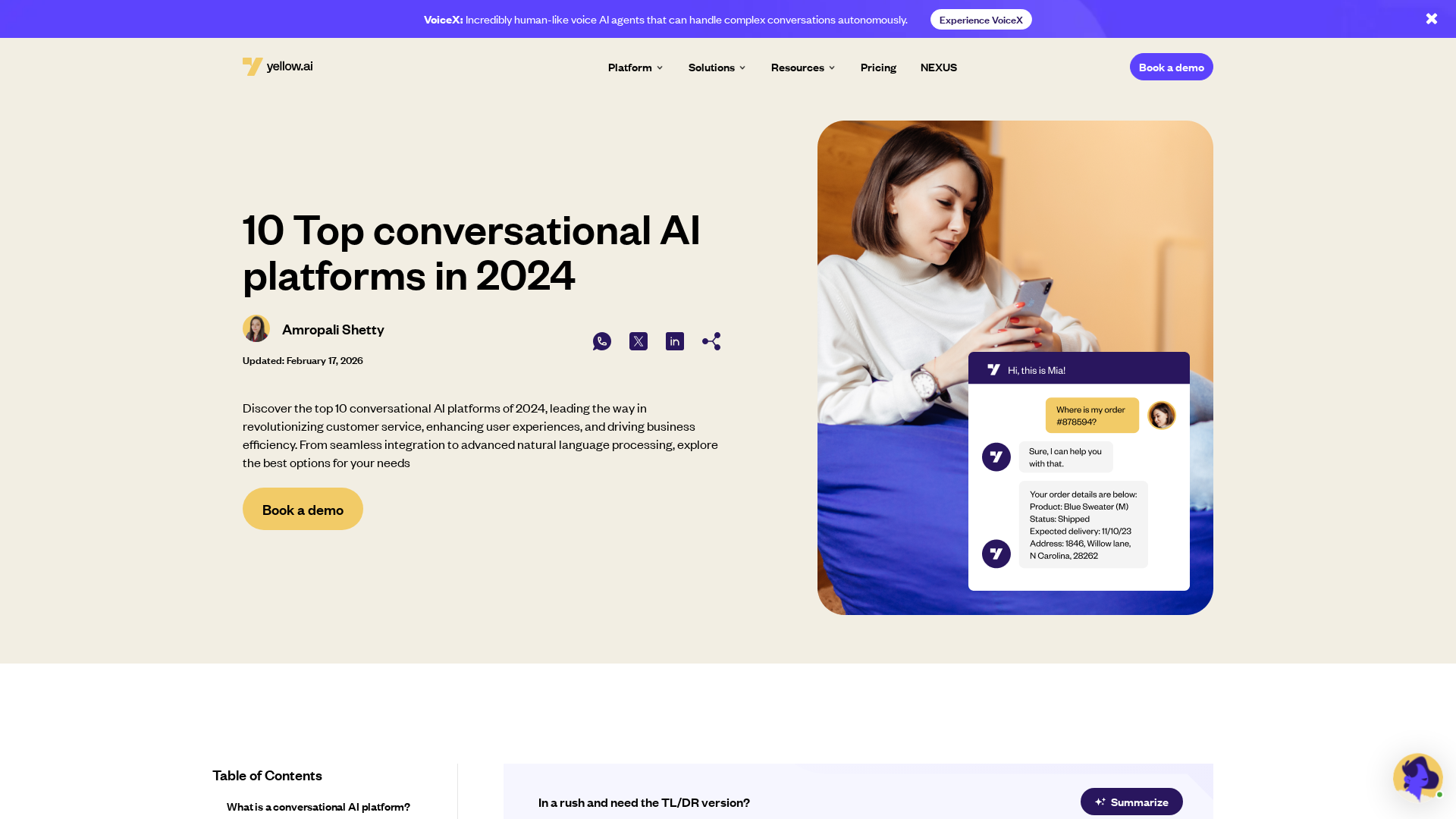
A concise guide to the top 10 conversational AI platforms in 2024, with features, benefits, and use cases.
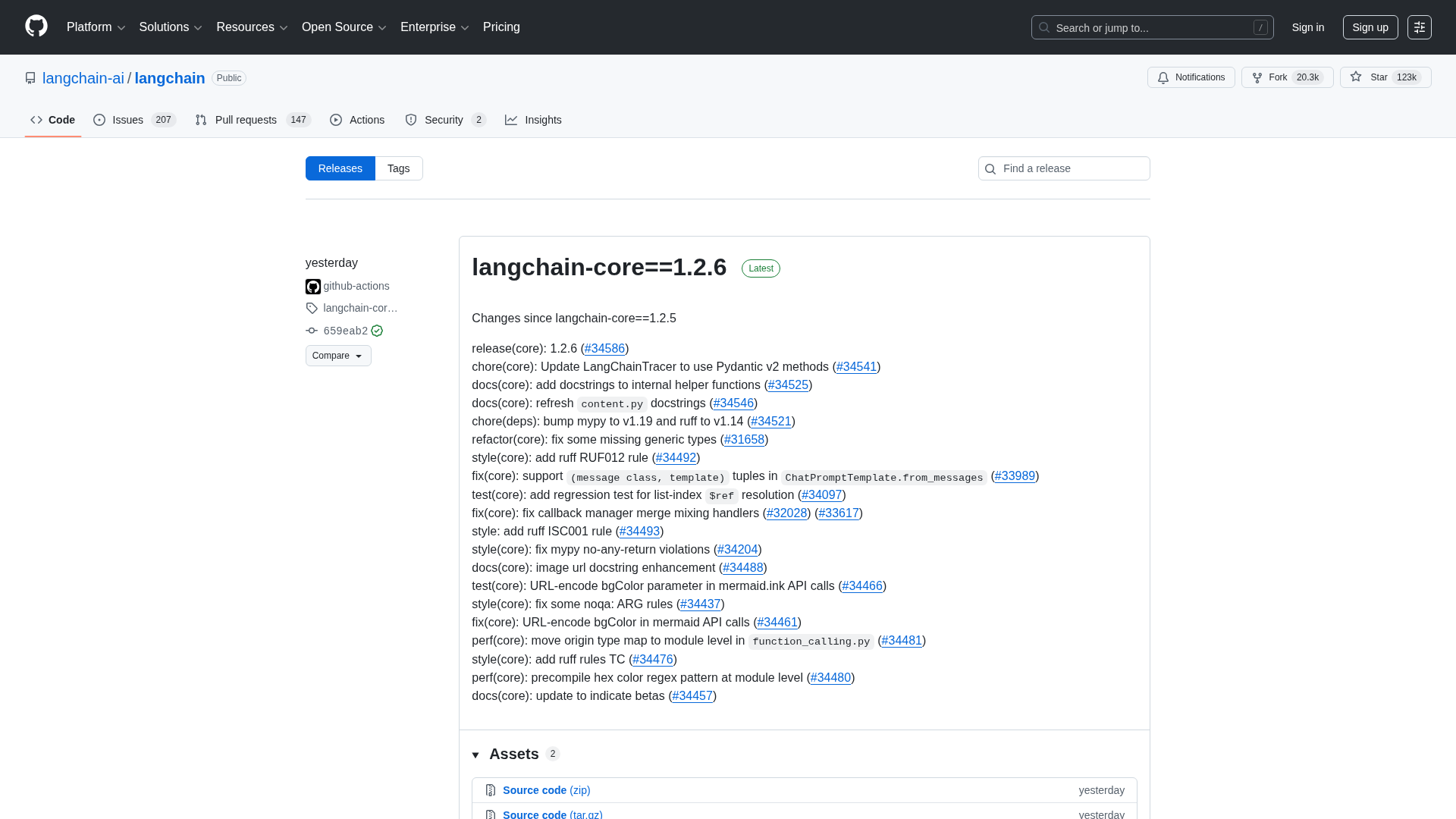
A comprehensive LangChain releases roundup detailing Core 1.2.6 and interconnected updates across XAI, OpenAI, Classic, and tests.
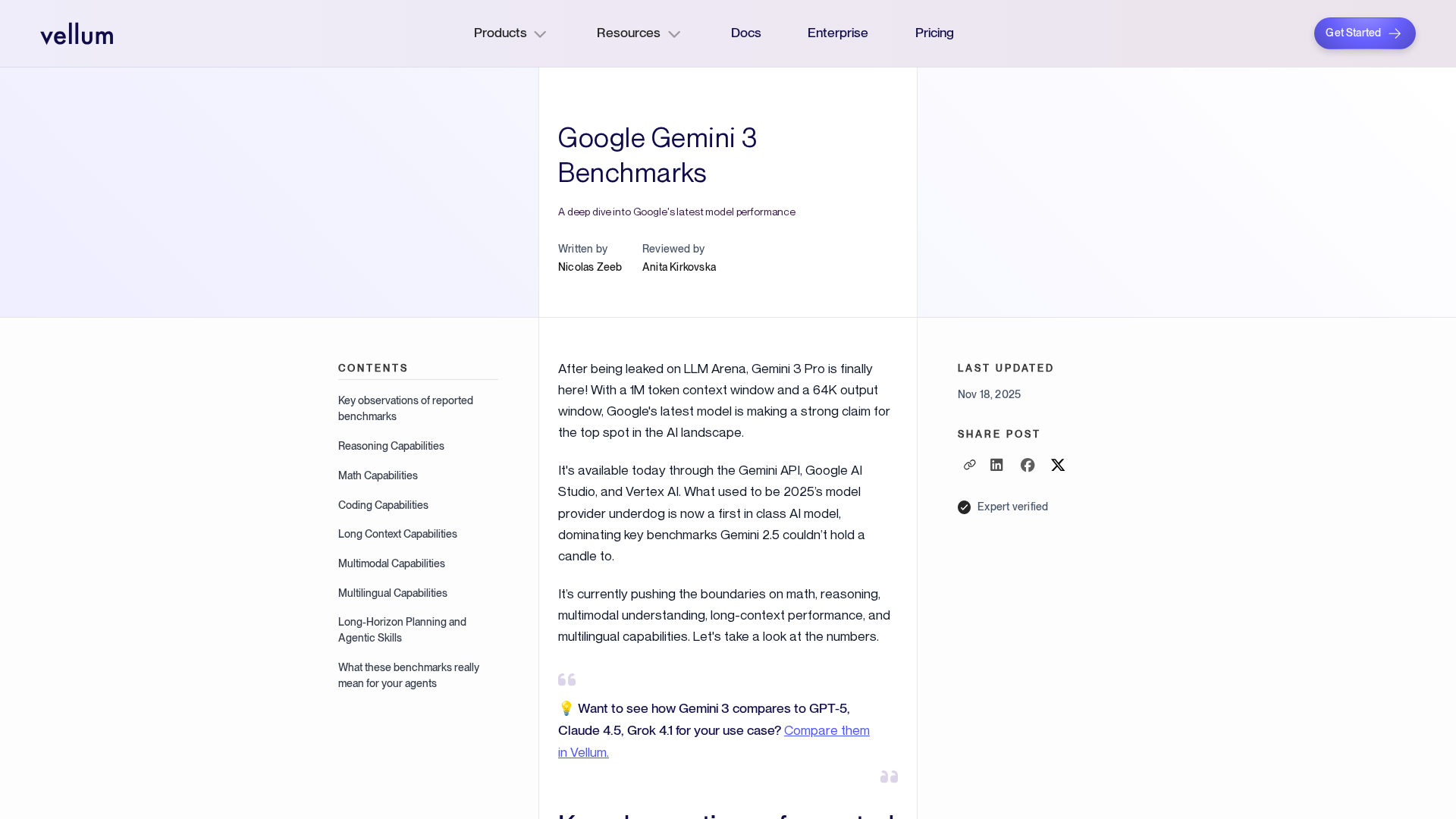
In-depth look at Gemini 3 Pro benchmarks across reasoning, math, multimodal, and agentic capabilities with implications for building AI agents.
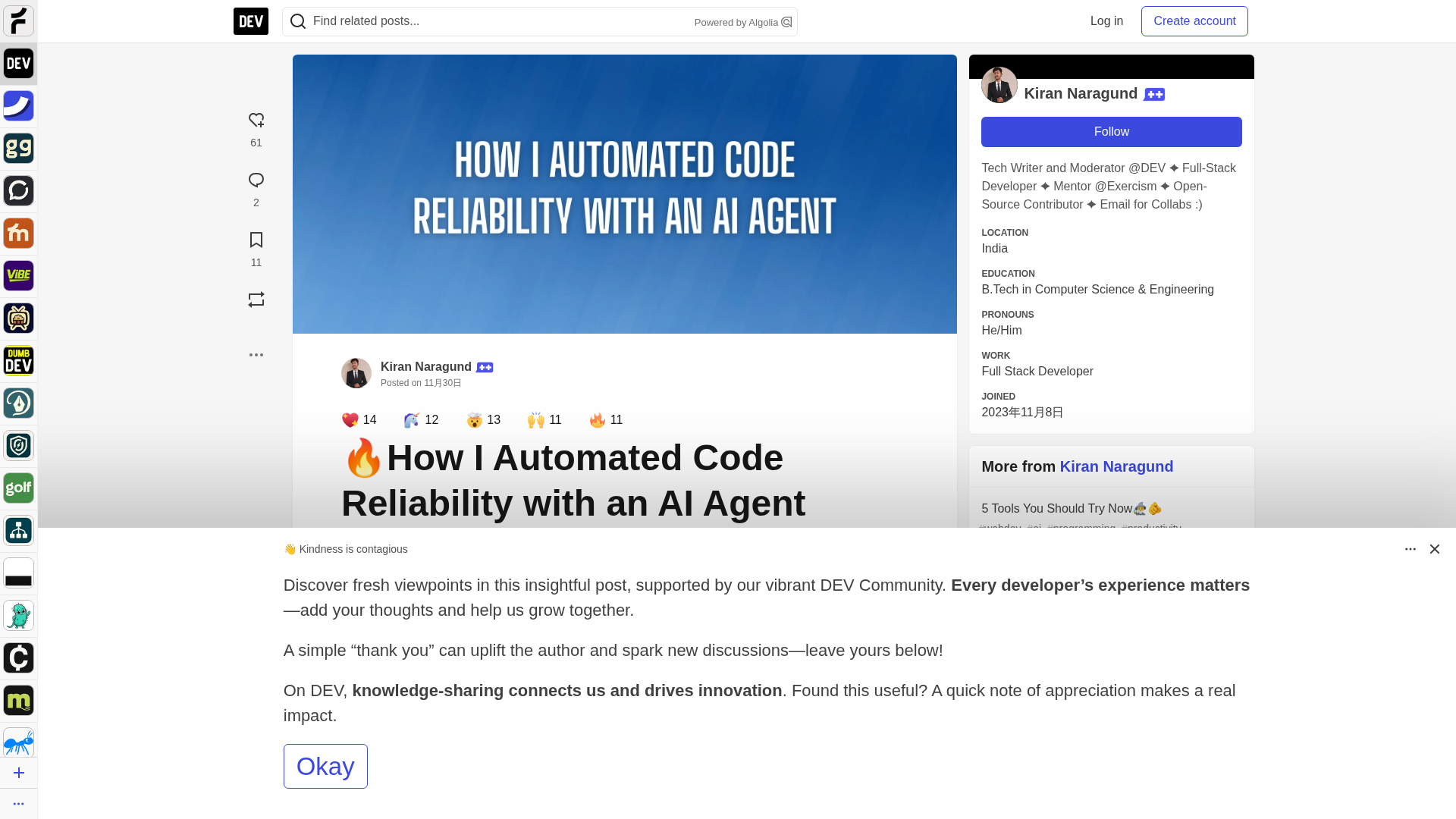
A step-by-step guide to building an AI-powered Reliability Guardian that reviews code locally and in CI with Qodo Command.
A developer chronicles switching to Zed on Linux, prototyping on a phone, and a late-night video correction.