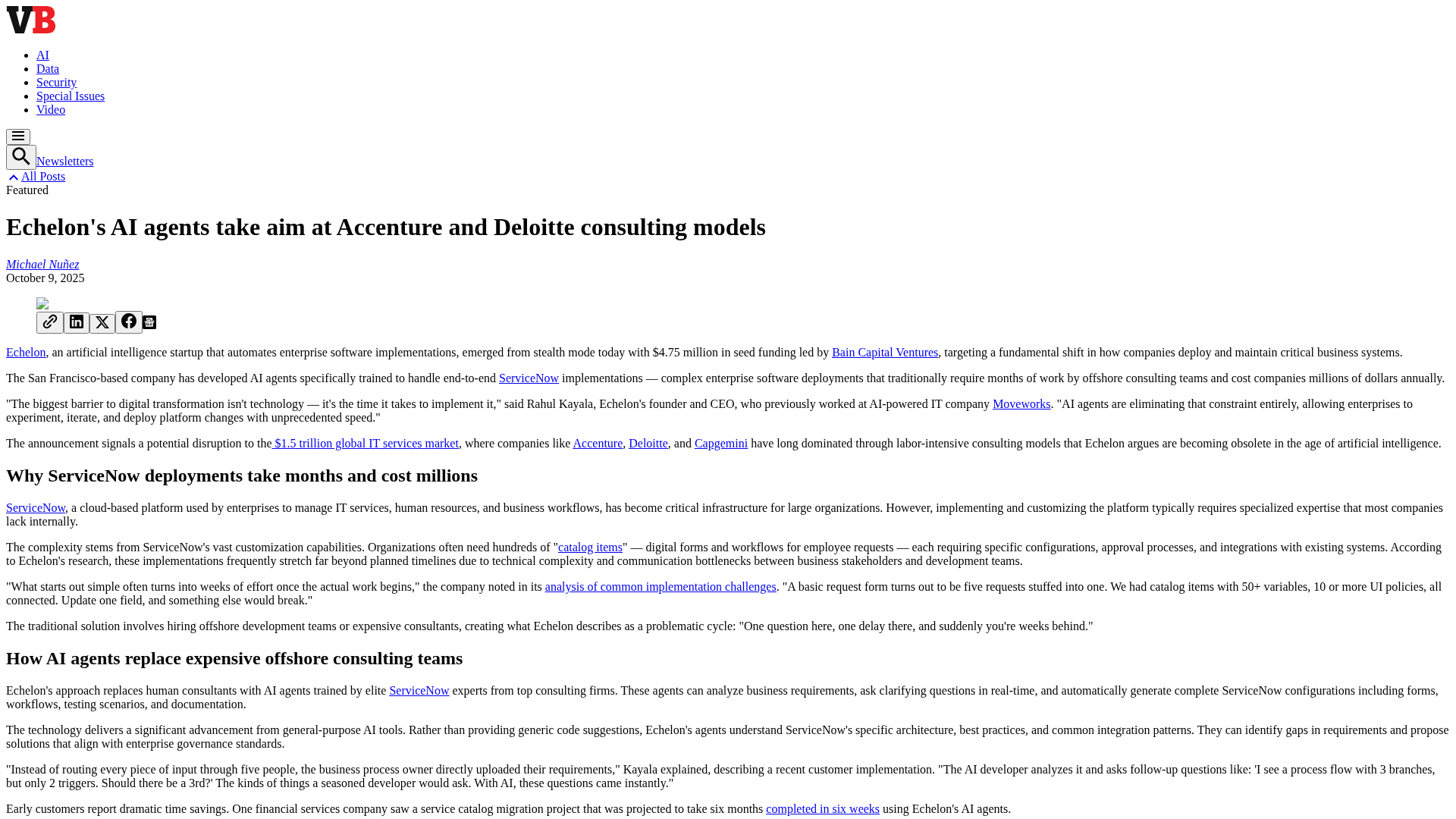
Topic Overview
This topic covers the emerging ecosystem of enterprise AI agent platforms, agent marketplaces, and developer frameworks that organizations use to build, deploy, orchestrate, and govern autonomous and assistant‑style agents. As of 2025‑12‑05, enterprises are evaluating full‑stack offerings (ChatGPT Enterprise and managed programs from systems integrators such as Accenture) alongside cloud platforms and specialist vendors to balance productivity, compliance, and operational control. Key trends include consolidation of LLMs into enterprise suites (ChatGPT Enterprise, Microsoft 365 Copilot) and cloud ML stacks (Google Vertex AI, IBM watsonx Assistant) that offer both no‑code assistant builders and developer APIs for multi‑agent orchestration. Specialist platforms address vertical use cases — Observe.AI and Skit.ai for contact centers and compliance‑sensitive voice agents — while marketplaces and lightweight builders (Agentverse, AgentGPT) provide templates and discovery for rapid prototyping. Developer‑centric tools like Warp’s Agentic Development Environment integrate agent workflows into IDEs and terminals, accelerating engineering and observability flows. Practical distinctions to consider: no‑code assistants speed business adoption but can limit customization; cloud ML platforms provide model lifecycle, fine‑tuning, and governance controls; marketplaces accelerate reuse and discovery but introduce onboarding and security considerations. Systems integrators and managed agent programs (e.g., Accenture) remain important for complex orchestration, enterprise integration, and change management. Decision factors for 2025 deployments include data governance, model provenance, observability/QA for agent behavior, runtime orchestration across services, and support for voice and real‑time assist in contact centers. This landscape is pragmatic and rapidly evolving: organizations must weigh platform capabilities, vendor roles, and operational controls when choosing between integrated suites, specialist vendors, marketplaces, and developer frameworks.
Tool Rankings – Top 6
AI assistant integrated across Microsoft 365 apps to boost productivity, creativity, and data insights.

Enterprise virtual agents and AI assistants built with watsonx LLMs for no-code and developer-driven automation.

Unified, fully-managed Google Cloud platform for building, training, deploying, and monitoring ML and GenAI models.

Skit.ai is an AI-native, omnichannel conversational platform focused on debt collections and contact-center automation,‑

Enterprise conversation-intelligence and GenAI platform for contact centers: voice agents, real-time assist, auto QA, &洞
Cloud platform and marketplace for building, deploying, listing and monitoring autonomous AI agents.
Latest Articles (76)
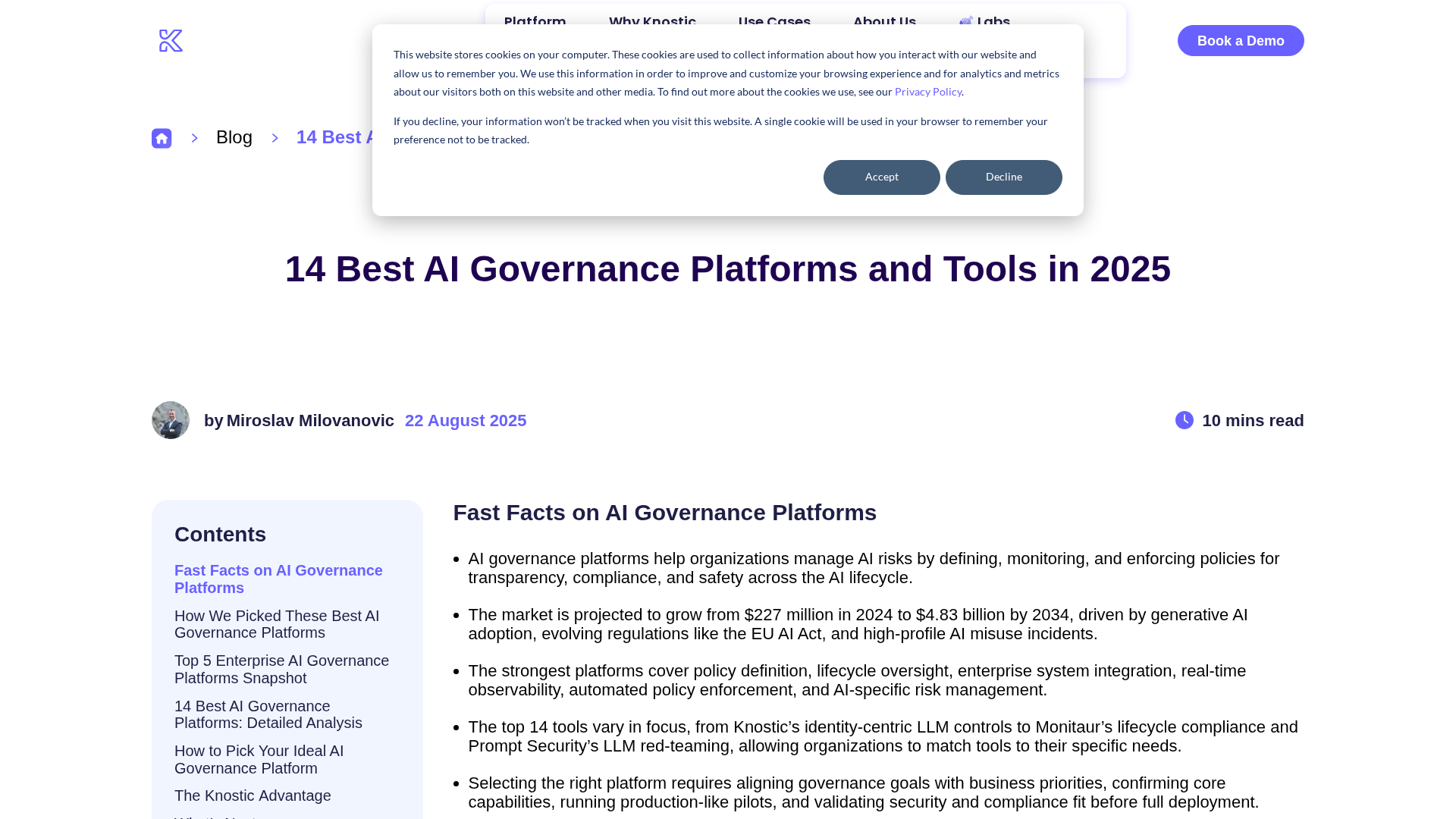
A vendor‑agnostic guide to the 14 best AI governance platforms in 2025, with criteria, comparisons, and practical buying guidance.
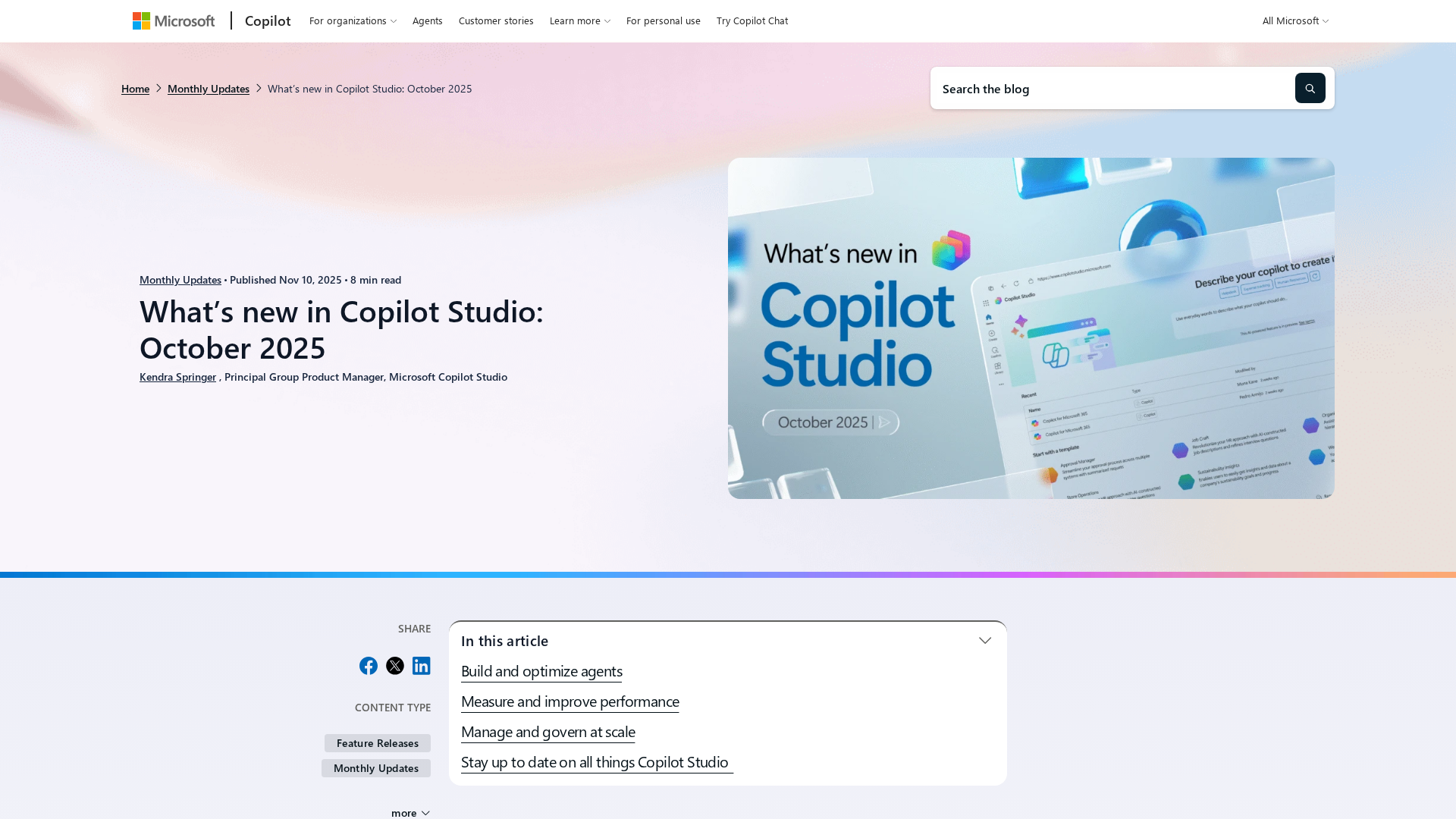
A comprehensive October 2025 roundup of Copilot Studio’s new testing, model, and governance features.
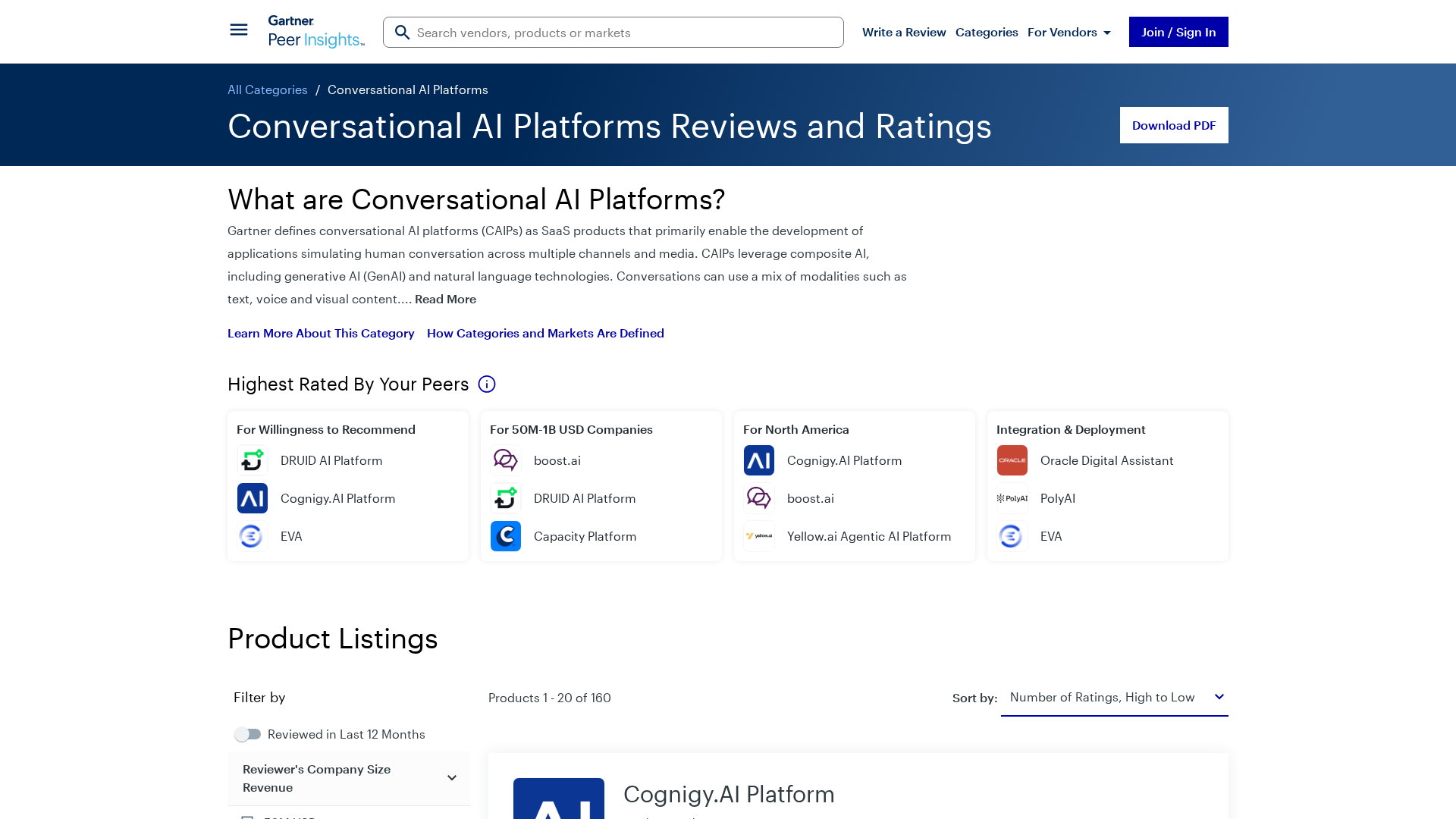
Gartner’s market view on conversational AI platforms, outlining trends, vendors, and buyer guidance.
Adobe nears a $19 billion deal to acquire Semrush, expanding its marketing software capabilities, according to WSJ reports.
Wolters Kluwer expands UpToDate Expert AI with UpToDate Lexidrug to bolster drug information and medication decision support.