Topic Overview
This topic covers the evolution of enterprise AI agent platforms and marketplaces—focusing on Anthropic’s Claude family, OpenAI’s GPT‑Enterprise, Google’s Gemini, and data integrations with Snowflake—and how they shape agent development, deployment, and governance. By 2026, organizations are moving from isolated LLM usage to production agent architectures that combine multimodal models, retrieval from enterprise data stores, orchestration frameworks, and curated marketplaces of prebuilt agents. Key tool patterns include: conversational and developer assistants (Claude) for research, writing and analysis; multimodal, API‑driven models (Gemini) accessible via Google AI Studio and Vertex AI; enterprise‑grade OpenAI offerings (GPT‑Enterprise) focused on security, SLAs and fine‑tuning; and Snowflake integrations that provide secure vector search, Snowpark compute and governed data access for retrieval‑augmented agents. Complementary platforms and frameworks span no‑code/low‑code agent builders (StackAI), developer SDKs and orchestration libraries (LangChain), enterprise virtual agent products (IBM watsonx Assistant), and integrated workspaces with automation (Notion). Current trends reflected across these tools include tighter data‑to‑model pipelines (Snowflake→agent), multi‑model orchestration, marketplaces for reusable agents and connectors, and stronger emphasis on observability, testing and compliance. Practically, enterprises select combinations—developer frameworks for custom agents, no‑code platforms for rapid rollout, and Snowflake or other data clouds for secure context—while relying on provider features for governance, access controls, and performance. Understanding tradeoffs between control, speed to production, and data security is central when comparing platforms, agent frameworks, and marketplaces for enterprise automation.
Tool Rankings – Top 6
Anthropic's Claude family: conversational and developer AI assistants for research, writing, code, and analysis.

Google’s multimodal family of generative AI models and APIs for developers and enterprises.
End-to-end no-code/low-code enterprise platform for building, deploying, and governing AI agents that automate work onun

An open-source framework and platform to build, observe, and deploy reliable AI agents.

Enterprise virtual agents and AI assistants built with watsonx LLMs for no-code and developer-driven automation.
A single, block-based AI-enabled workspace that combines docs, knowledge, databases, automation, and integrations to sup
Latest Articles (58)
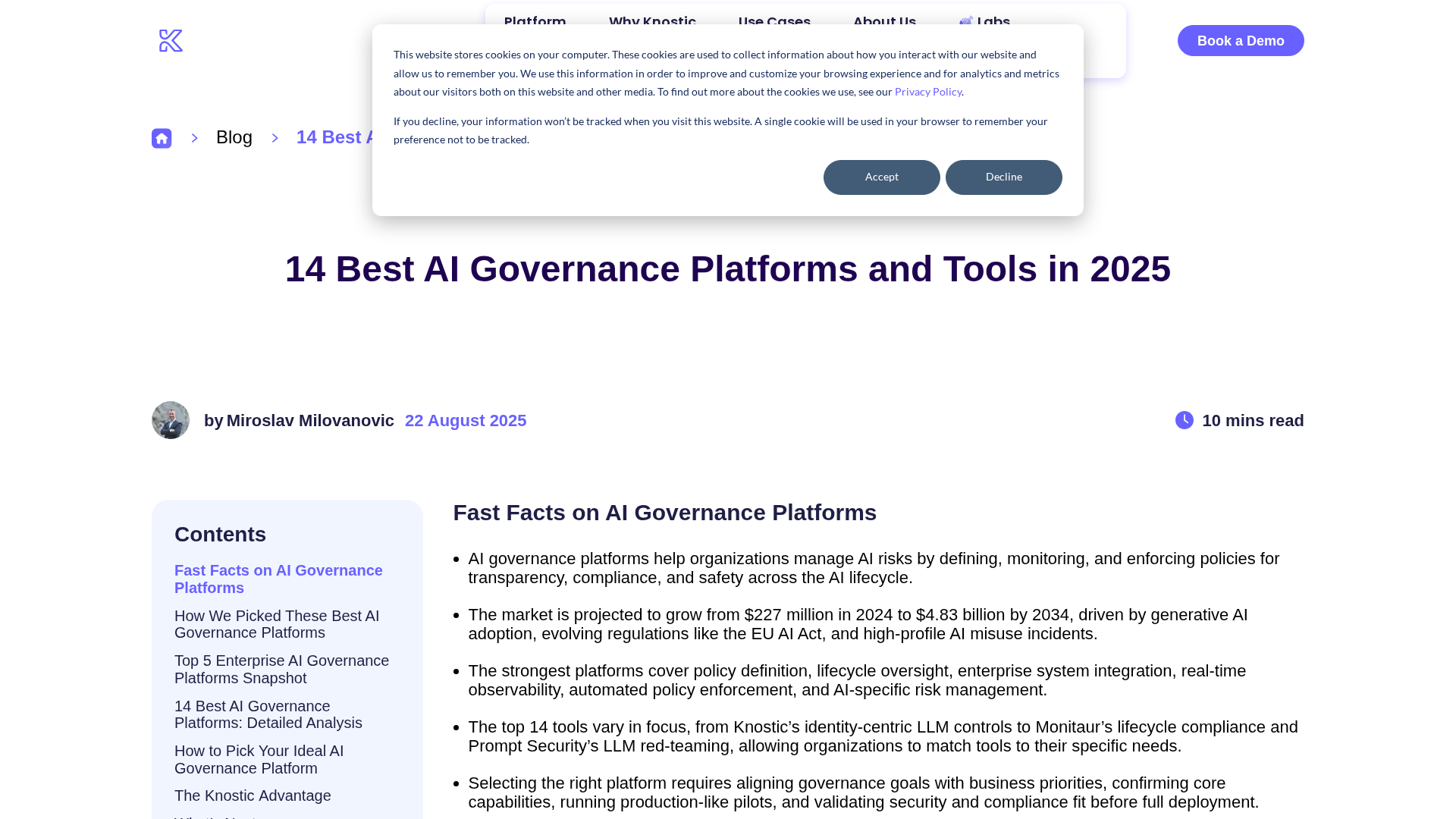
A vendor‑agnostic guide to the 14 best AI governance platforms in 2025, with criteria, comparisons, and practical buying guidance.
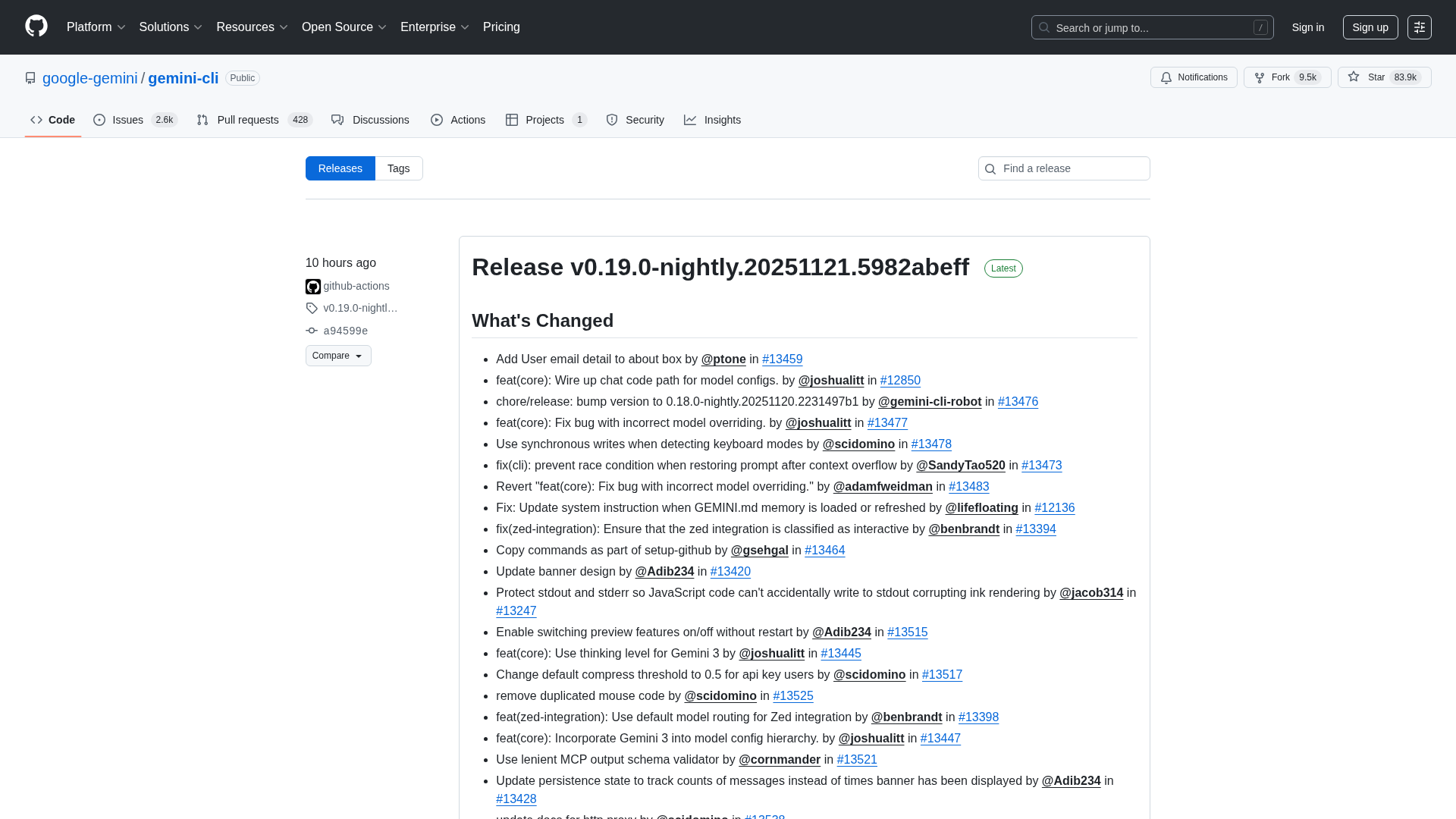
Overview of the Gemini CLI v0.36.0-preview release series, highlighting architectural, CLI, and UI changelogs across multiple pre-release versions.
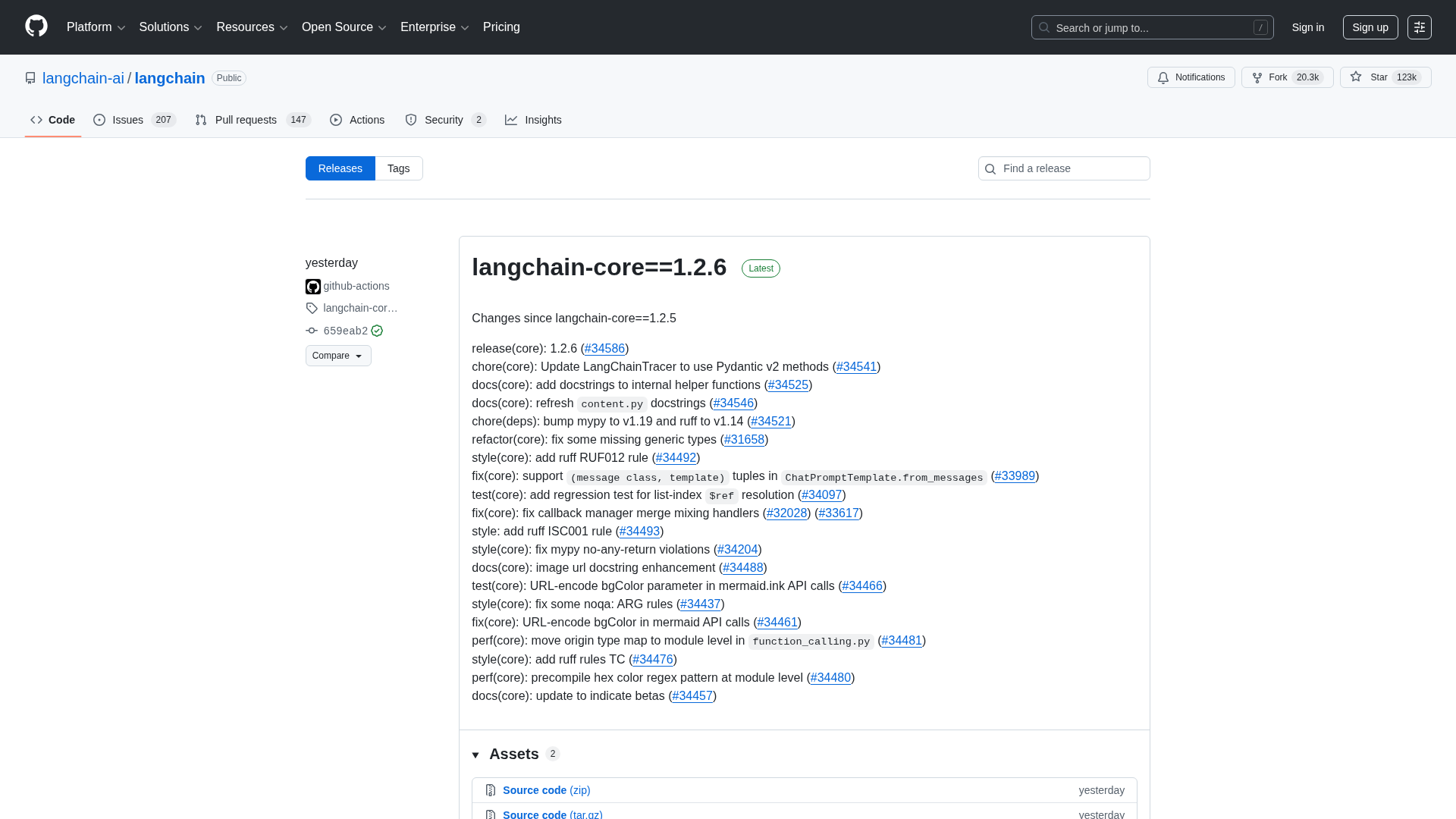
A comprehensive LangChain releases roundup detailing Core 1.2.6 and interconnected updates across XAI, OpenAI, Classic, and tests.
A reproducible bug where LangGraph with Gemini ignores tool results when a PDF is provided, even though the tool call succeeds.
A CLI tool to pull LangSmith traces and threads directly into your terminal for fast debugging and automation.