
Topic Overview
Enterprise AI agent platforms encompass the stacks, marketplaces and frameworks used to build, deploy and operate autonomous or semi‑autonomous agents across business workflows. In 2026 this space centers on stateful agent engineering, multi‑agent orchestration, and tighter integration with developer and productivity tools. Key categories include agent frameworks (LangChain’s engineering platform and LangGraph state management), AI automation platforms and orchestration (IBM watsonx Assistant’s no‑code and developer-driven multi‑agent flows), and agent marketplaces and monetization layers (developer SDKs and platforms like GPTConsole that provide lifecycle, event chaining and memory services). Practical deployments increasingly surface inside IDEs and terminals (Windsurf’s AI‑native IDE, Warp’s Agentic Development Environment) and productivity suites (Microsoft 365 Copilot embedded across Office apps), while dedicated coding assistants (GitHub Copilot, Tabnine) emphasize latency, context retention and enterprise governance or self‑hosted options. Market signals such as platform consolidation (noted in the Deci.ai → NVIDIA transition) and growing commercial and research investment — including Meta‑backed systems contributing models and infrastructure — underscore both vendor competition and the need for interoperability. Enterprises evaluating platforms should weigh factors beyond model quality: state management, multi‑agent coordination, operational tooling (deploy/debug/evaluate), security/compliance, and options for private hosting or governance. The current landscape is pragmatic: toolchains are maturing toward production reliability while marketplaces and frameworks aim to reduce integration costs, but integration complexity and evaluation standards remain key adoption barriers.
Tool Rankings – Top 6

Engineering platform and open-source frameworks to build, test, and deploy reliable AI agents.
AI assistant integrated across Microsoft 365 apps to boost productivity, creativity, and data insights.

Enterprise virtual agents and AI assistants built with watsonx LLMs for no-code and developer-driven automation.

AI-native IDE and agentic coding platform (Windsurf Editor) with Cascade agents, live previews, and multi-model support.

An AI pair programmer that gives code completions, chat help, and autonomous agent workflows across editors, theterminal

Enterprise-focused AI coding assistant emphasizing private/self-hosted deployments, governance, and context-aware code.
Latest Articles (70)
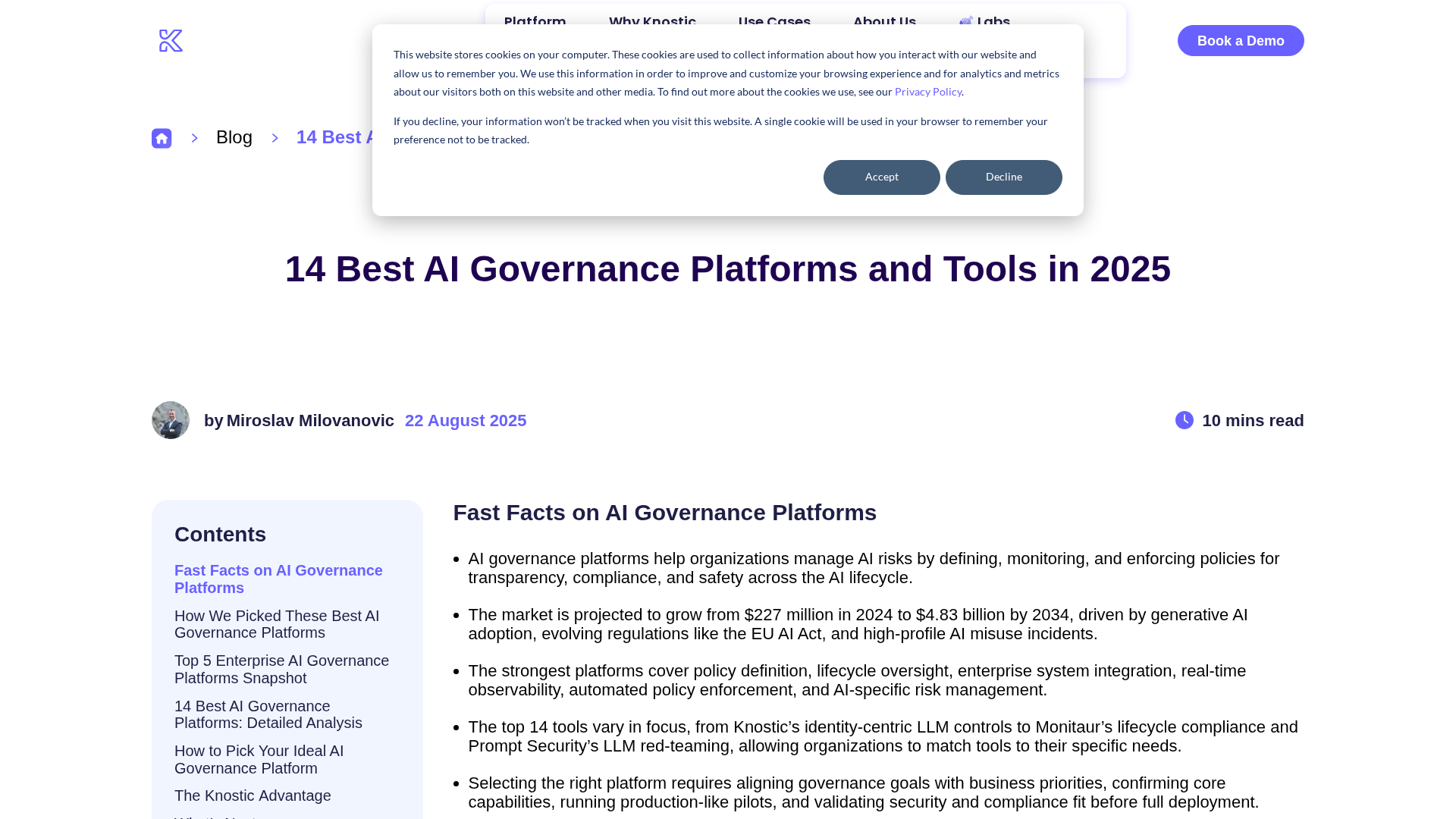
A vendor‑agnostic guide to the 14 best AI governance platforms in 2025, with criteria, comparisons, and practical buying guidance.
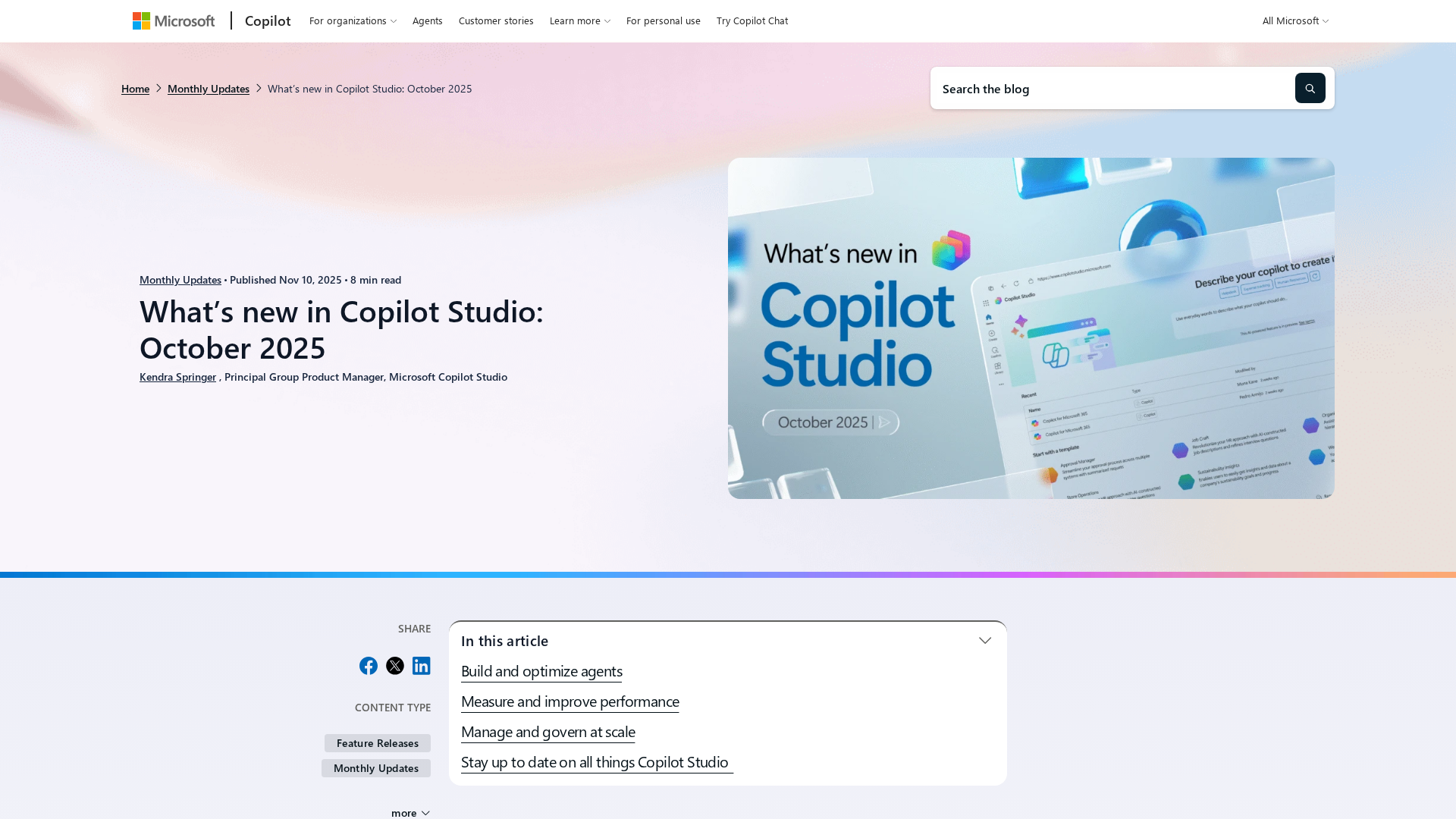
A comprehensive October 2025 roundup of Copilot Studio’s new testing, model, and governance features.
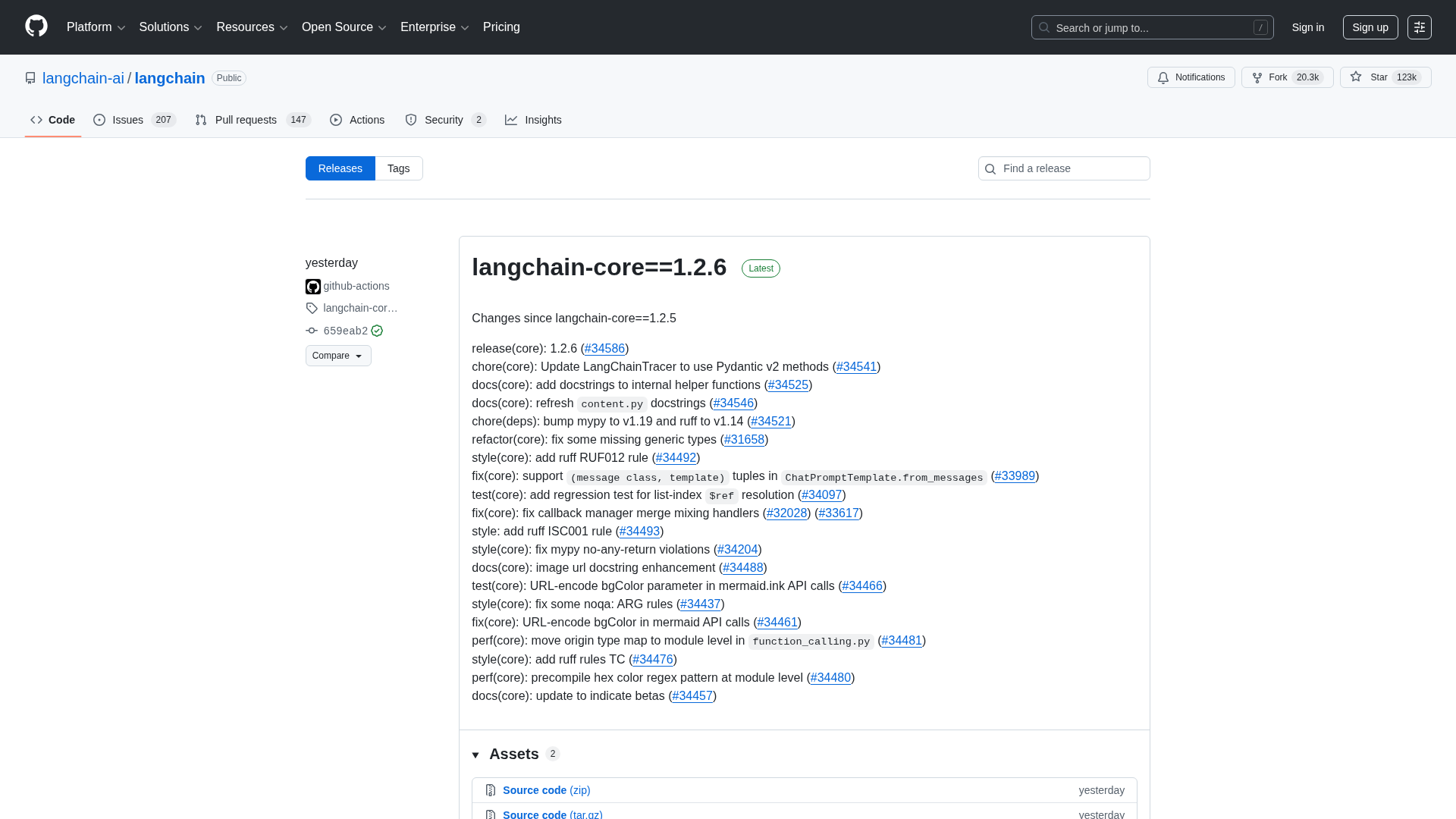
A comprehensive LangChain releases roundup detailing Core 1.2.6 and interconnected updates across XAI, OpenAI, Classic, and tests.

Cannot access the article content due to an access-denied error, preventing summarization.
Adobe nears a $19 billion deal to acquire Semrush, expanding its marketing software capabilities, according to WSJ reports.