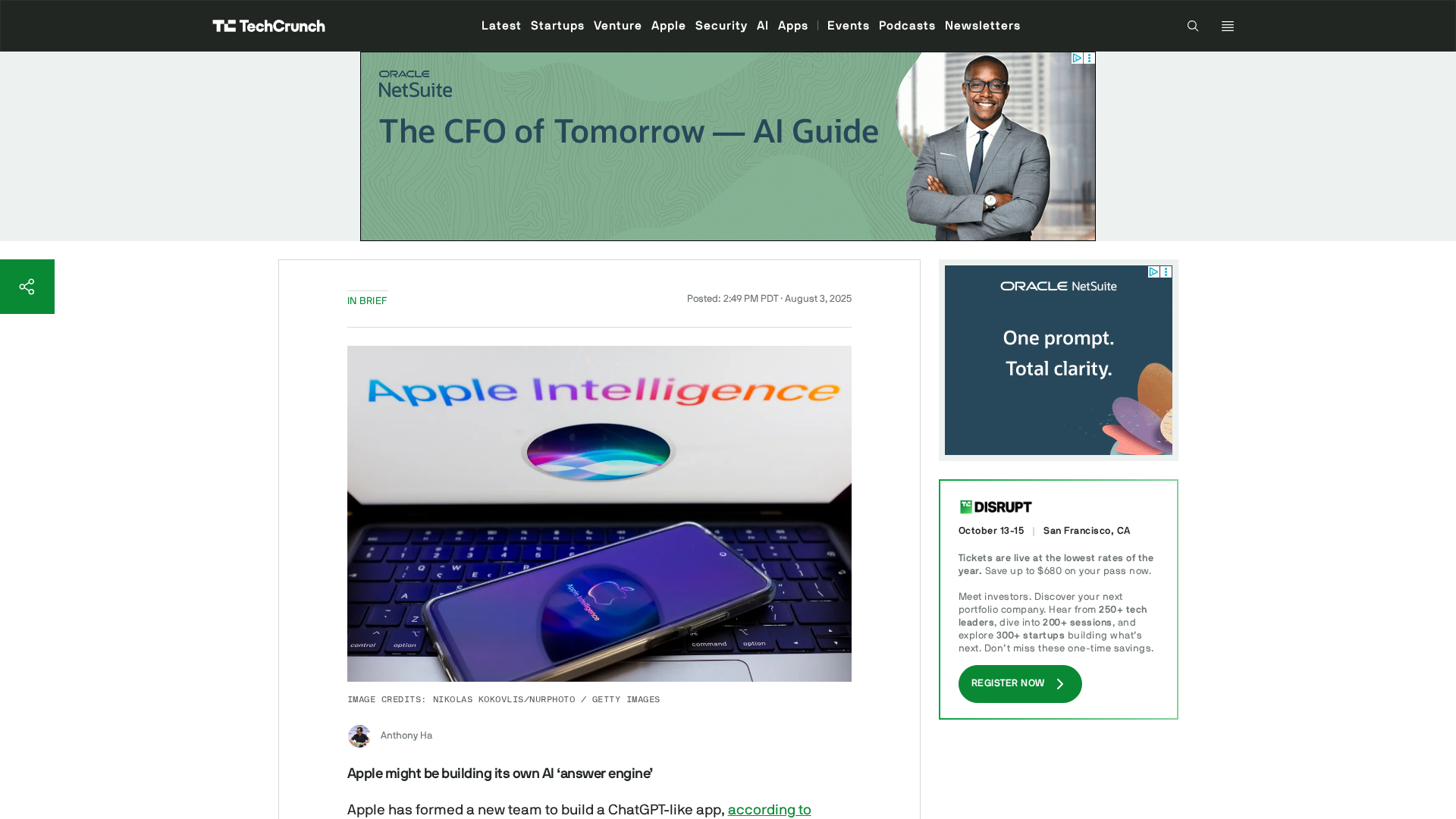
Topic Overview
Enterprise Gen-AI answer engines and knowledge platforms are systems that turn corporate data into short, sourced answers, automated workflows, and task‑oriented agents. As of early 2026 this category sits at the intersection of enterprise search, knowledge-management, and AI data platforms: model providers (Google Gemini, Anthropic, Apple’s emerging answer engine efforts), developer frameworks (LangChain), no‑code/low‑code agent studios (MindStudio, StackAI), infrastructure and MLOps (Together AI, Xilos), and embedded workflow and UX layers (Notion, n8n, Observe.AI, IBM watsonx Assistant). Relevance is driven by rising demand for accountable, production‑grade AI: organizations want concise, multimodal answers with provenance, auditable model selection, data residency controls, and integrations into contact centers, service desks, and process automation. Key technical patterns include retrieval‑augmented generation with vector search, agentic orchestrations that call APIs and databases, continuous fine‑tuning and evaluation, and observability for hallucination mitigation and compliance. LangChain and similar SDKs standardize agent and retrieval patterns; Together AI and Xilos address scalable training and inference; StackAI and MindStudio reduce build time with governed no‑code interfaces; Notion and watsonx Assistant act as end‑user knowledge/workspace layers; n8n and Observe.AI embed answers into workflows and real‑time agent assist. Buyers should evaluate accuracy, provenance, governance, deployment model (cloud vs hybrid/on‑prem), and integration with existing search and data platforms. The market trend favors modular stacks where curated knowledge, vector search, model choice, and agent orchestration are composed to meet enterprise SLAs rather than one‑size‑fits‑all offerings.
Tool Rankings – Top 6

An open-source framework and platform to build, observe, and deploy reliable AI agents.

Google’s multimodal family of generative AI models and APIs for developers and enterprises.

Enterprise virtual agents and AI assistants built with watsonx LLMs for no-code and developer-driven automation.
A single, block-based AI-enabled workspace that combines docs, knowledge, databases, automation, and integrations to sup

No-code/low-code visual platform to design, test, deploy, and operate AI agents rapidly, with enterprise controls and a

Enterprise conversation-intelligence and GenAI platform for contact centers: voice agents, real-time assist, auto QA, &洞
Latest Articles (82)
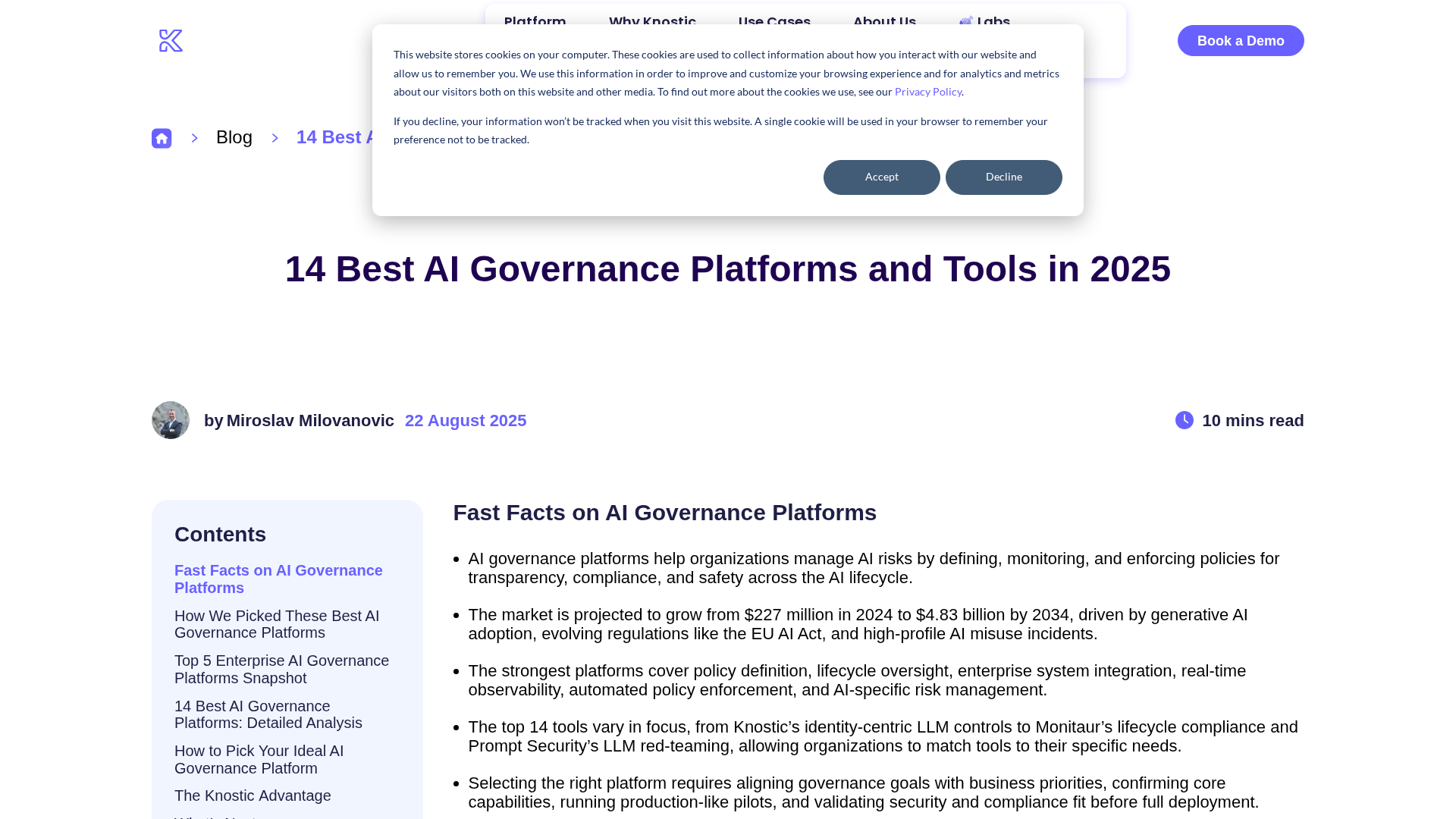
A vendor‑agnostic guide to the 14 best AI governance platforms in 2025, with criteria, comparisons, and practical buying guidance.
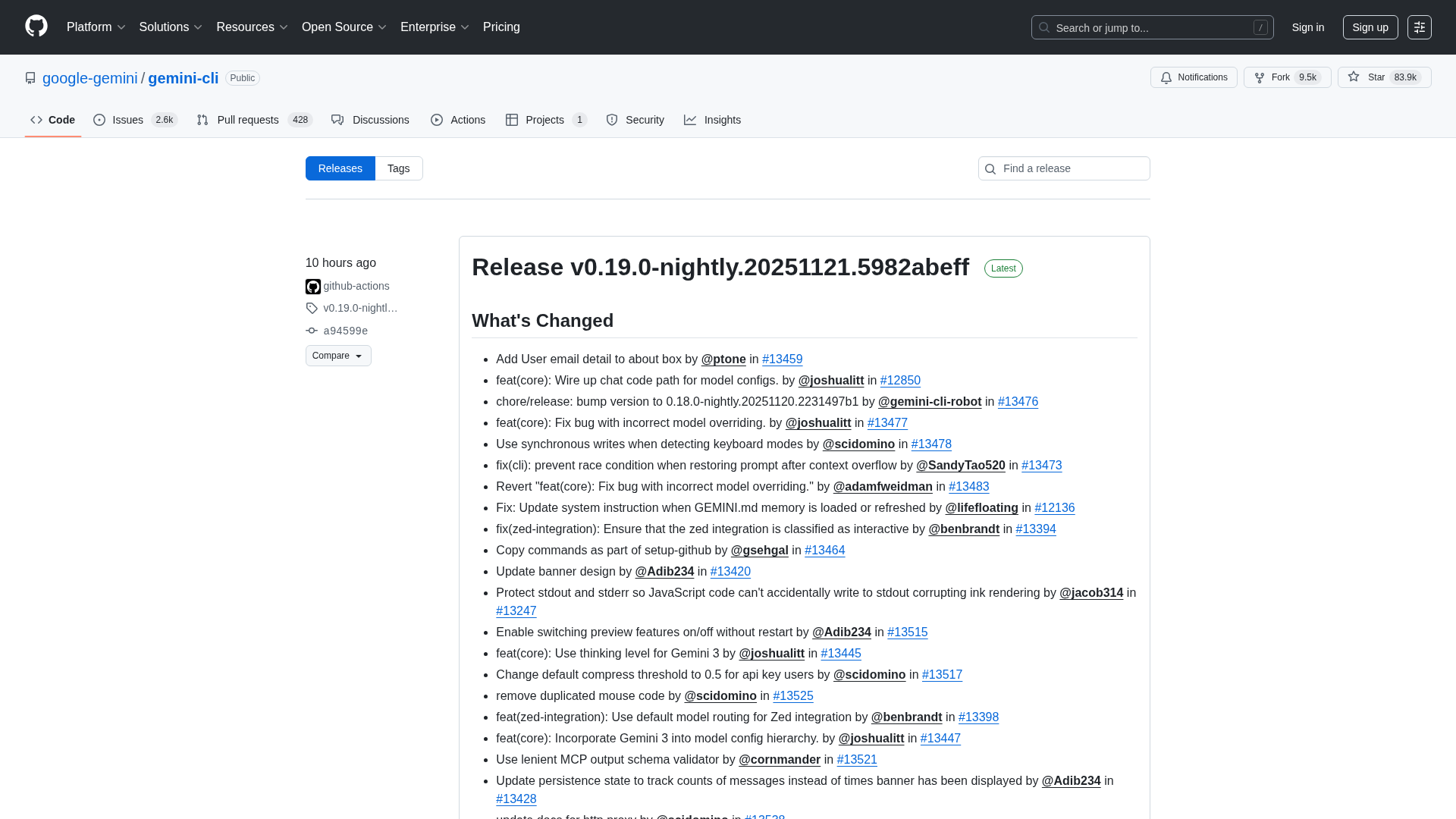
Overview of the Gemini CLI v0.36.0-preview release series, highlighting architectural, CLI, and UI changelogs across multiple pre-release versions.
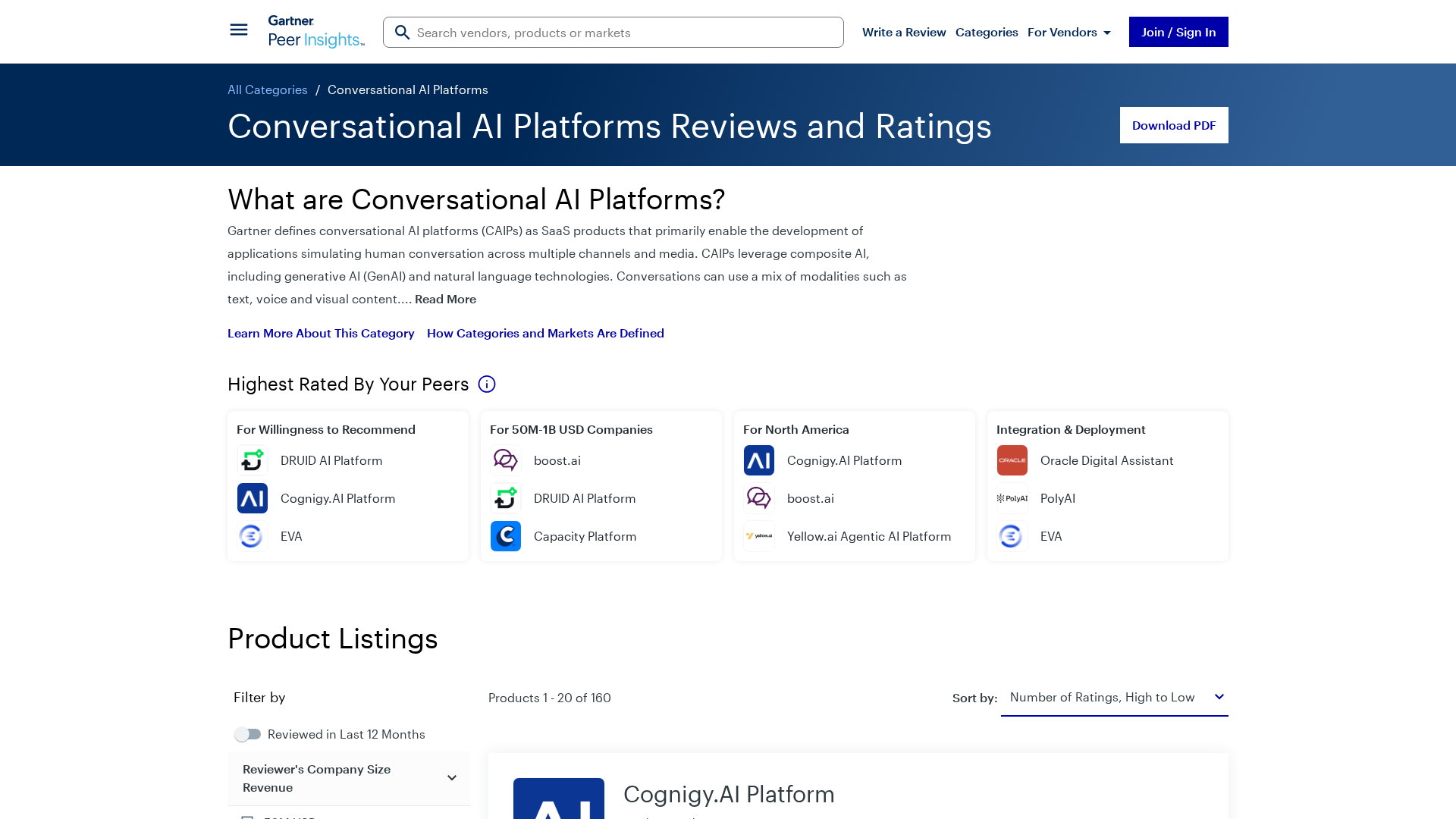
Gartner’s market view on conversational AI platforms, outlining trends, vendors, and buyer guidance.
OpenAI’s bypass moment underscores the need for governance that survives inevitable user bypass and hardens system controls.
A call to enable safe AI use at work via sanctioned access, real-time data protections, and frictionless governance.