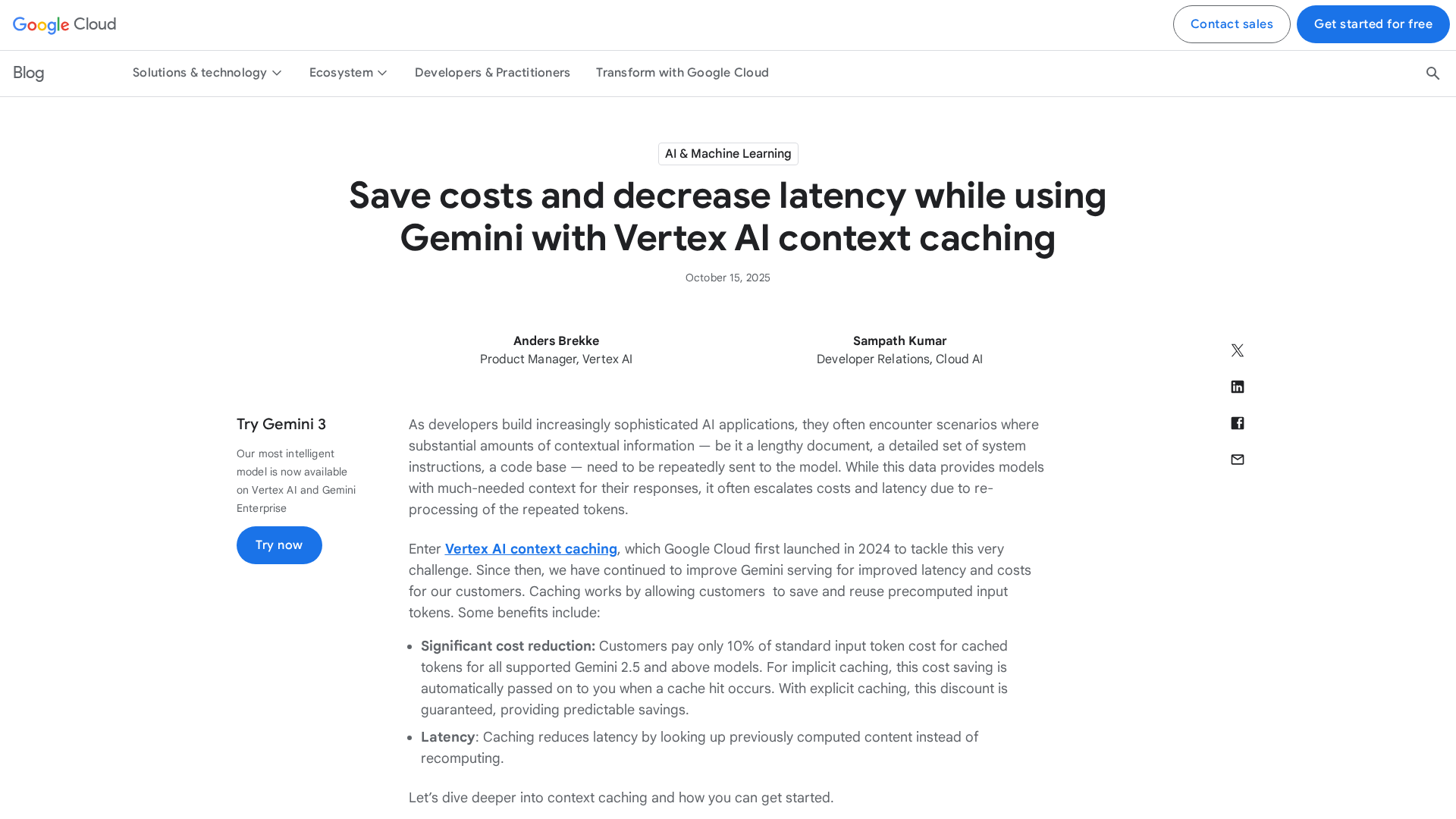
Topic Overview
Enterprise knowledge, document organization, and AI-powered productivity platforms cover the systems and workflows companies use to capture, structure, search, and act on institutional information. In 2026 this topic centers on integrating personal knowledge management (PKM) workflows, enterprise search, and real-time meeting assistants with large language models and retrieval-augmented generation (RAG) to make documents and conversations directly actionable. Key trends include embedding vector search and RAG into content stores, deploying multimodal models for richer document understanding, and balancing cloud AI services with privacy and customization needs. Representative tools illustrate these directions: Microsoft 365 Copilot brings generative assistance into Word, Excel, Teams, SharePoint and OneDrive to contextualize enterprise data; Notion provides a block-based, AI-enabled workspace for note-taking, databases, and lightweight automation; Google’s Gemini models and Vertex AI offer multimodal model capabilities and managed model lifecycle services for enterprise deployments. Claude (Anthropic) and Cohere supply conversational and customizable LLMs and embeddings for private, enterprise-tailored assistants, while IBM watsonx Assistant focuses on no-code and developer-driven virtual agents and orchestrations. Specialist utilities like ChatPDF and PDF.ai convert static documents into conversational knowledge sources for quick summaries, citations, and multi-document queries. For organizations, the practical focus is reducing search friction, preventing knowledge silos, improving meeting outcomes, and operationalizing compliance and provenance. Adoption decisions hinge on integration with existing content systems, data governance, model customization, and the ability to surface precise, auditable answers rather than generic summaries. This convergence of PKM, enterprise search, and meeting AI is maturing into pragmatic platforms that prioritize retrieval accuracy, interoperability, and enterprise controls.
Tool Rankings – Top 6
AI assistant integrated across Microsoft 365 apps to boost productivity, creativity, and data insights.
A single, block-based AI-enabled workspace that combines docs, knowledge, databases, automation, and integrations to sup

Google’s multimodal family of generative AI models and APIs for developers and enterprises.

Unified, fully-managed Google Cloud platform for building, training, deploying, and monitoring ML and GenAI models.
Anthropic's Claude family: conversational and developer AI assistants for research, writing, code, and analysis.

Enterprise virtual agents and AI assistants built with watsonx LLMs for no-code and developer-driven automation.
Latest Articles (107)
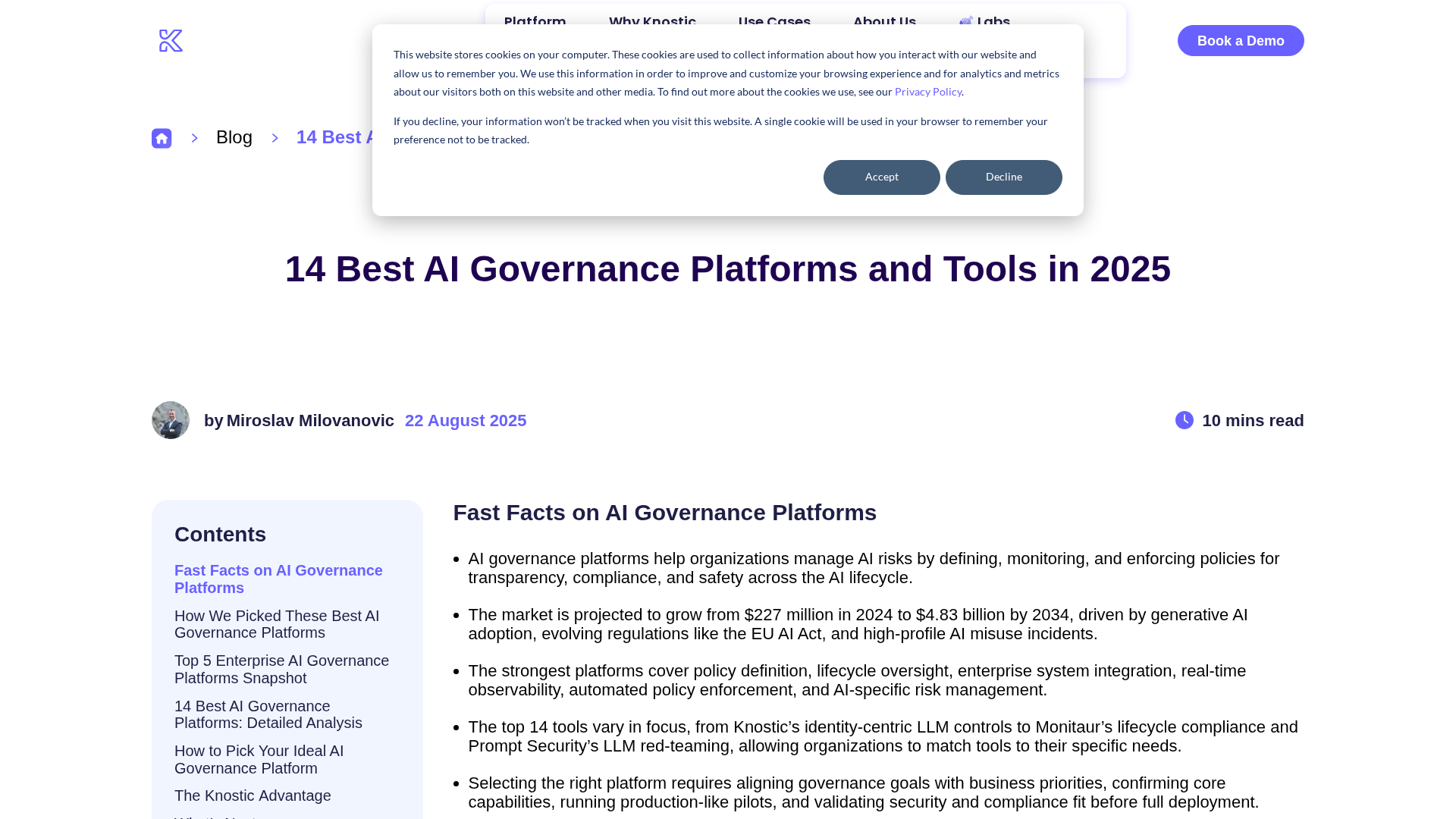
A vendor‑agnostic guide to the 14 best AI governance platforms in 2025, with criteria, comparisons, and practical buying guidance.
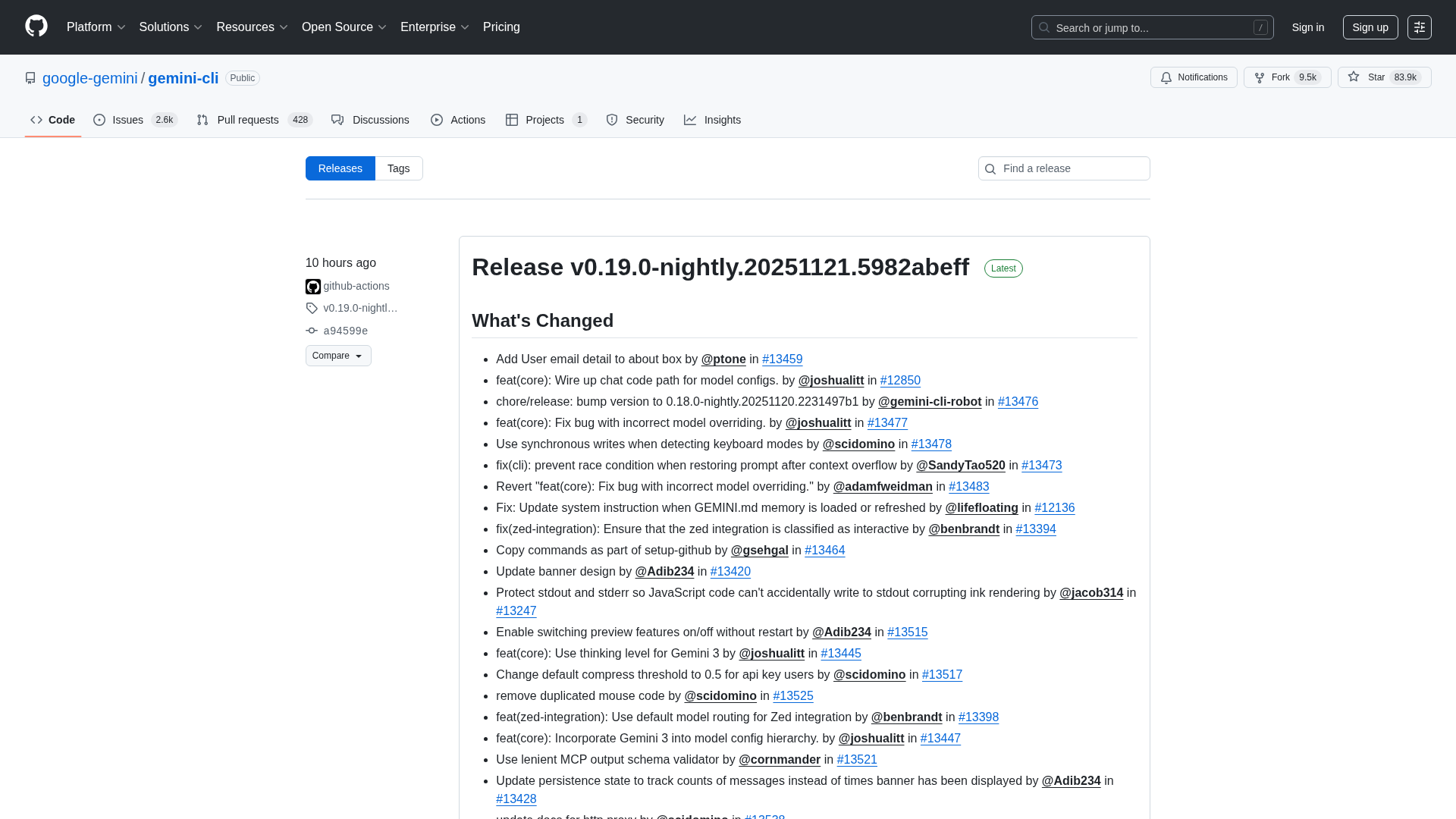
Overview of the Gemini CLI v0.36.0-preview release series, highlighting architectural, CLI, and UI changelogs across multiple pre-release versions.
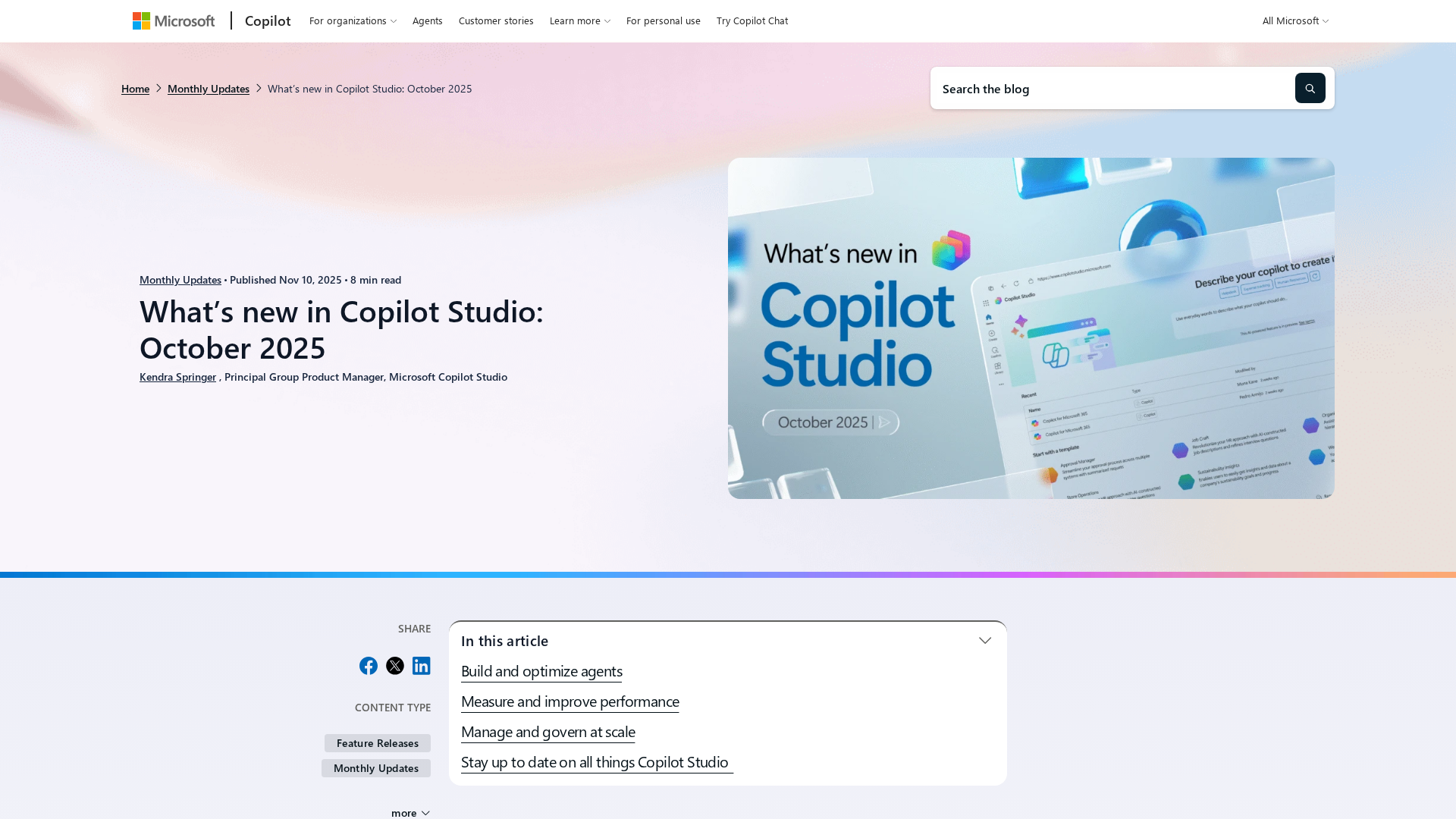
A comprehensive October 2025 roundup of Copilot Studio’s new testing, model, and governance features.
Adobe nears a $19 billion deal to acquire Semrush, expanding its marketing software capabilities, according to WSJ reports.
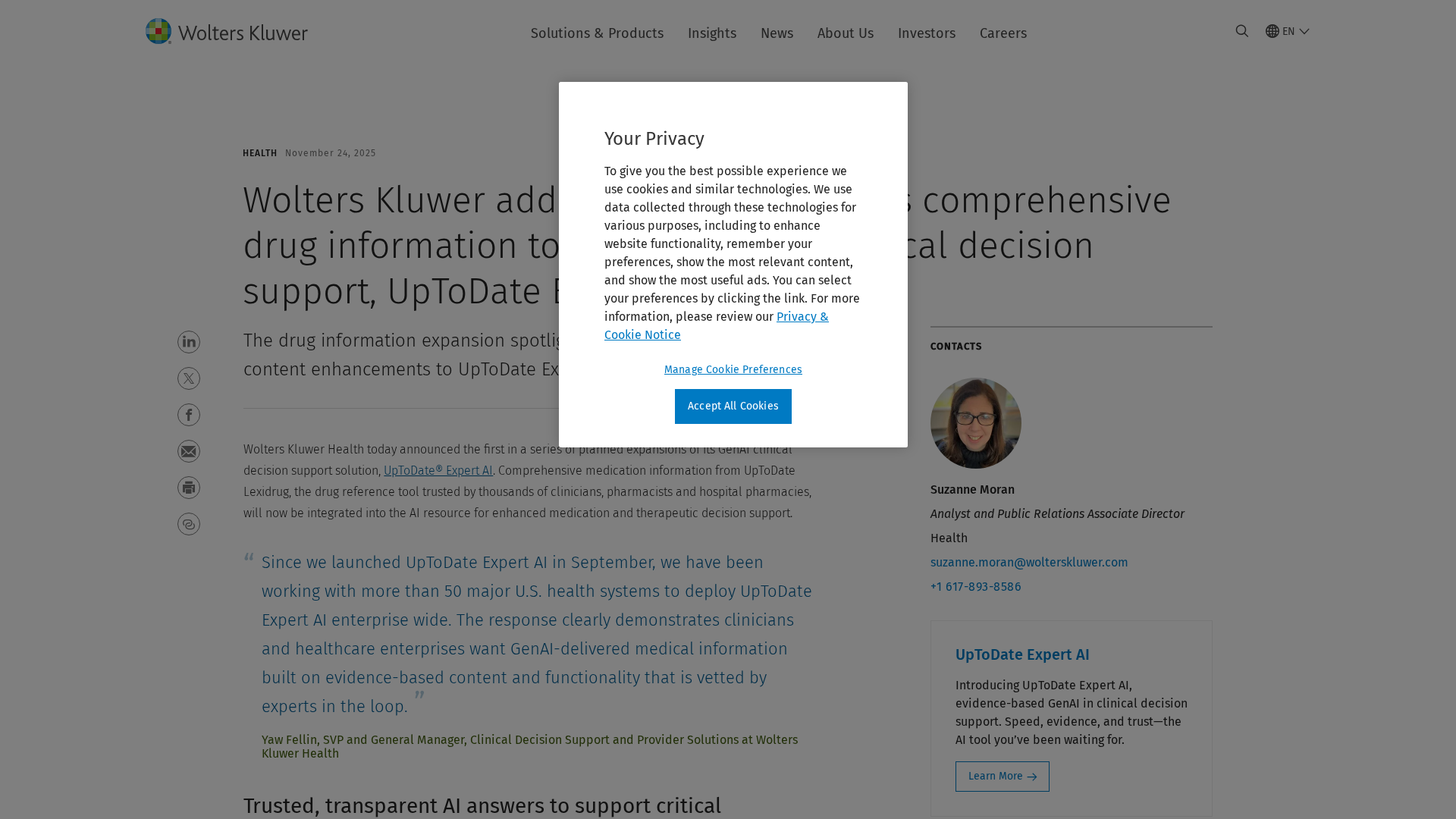
Wolters Kluwer expands UpToDate Expert AI with UpToDate Lexidrug to bolster drug information and medication decision support.