
Topic Overview
This topic examines contemporary face and image recognition platforms and APIs, focusing on the full pipeline: data labeling, model training and fine‑tuning, embedding and retrieval, edge deployment, and marketplace discovery. As of 2026, real‑world deployments emphasize on‑device inference for latency and privacy, managed cloud tooling for large‑scale training, and vector‑search architectures to support multimodal retrieval and RAG-style workflows. Regulatory scrutiny and fairness testing have made evaluation, monitoring, and human‑in‑the‑loop annotation core operational requirements. Key tool categories and examples: Edge AI Vision Platforms (e.g., Gather AI) enable continuous visual monitoring and on‑site inference for logistics and robotics; Image Annotation Tools (e.g., Labelbox) provide labeling workflows, quality controls, and managed data services that feed model training; AI Tool Marketplaces and managed platforms (e.g., Vertex AI) unify model discovery, training, deployment and monitoring, while marketplaces increasingly surface prebuilt vision models. Complementary infrastructure includes vector databases (e.g., Pinecone) for production‑grade semantic search and retrieval, enterprise LLM/embedding providers (e.g., Cohere) for secure embeddings and retrieval pipelines, and document/analysis chat front ends (e.g., ChatwithData) for inspection and human review of visual metadata. Practitioners should evaluate vendors on annotation quality, embedding and retrieval performance, privacy/on‑device options, monitoring and bias testing, and integration with vector databases and LLMs for downstream tasks. This comparison aims to help teams choose components that balance accuracy, latency, regulatory constraints, and operational cost across edge and cloud deployments.
Tool Rankings – Top 6

Unified, fully-managed Google Cloud platform for building, training, deploying, and monitoring ML and GenAI models.

A comprehensive AI data factory providing labeling, evaluation, and managed data services.
Fully managed, serverless vector database focused on production-grade semantic search, retrieval-augmented generation (R

AI document-analysis and chat tool integrated into an "AI Chat" platform for natural-language interaction with documents

Enterprise-focused LLM platform offering private, customizable models, embeddings, retrieval, and search.

AI-driven intralogistics platform using autonomous drones and computer vision to digitize warehouses and provide real‑t
Latest Articles (29)
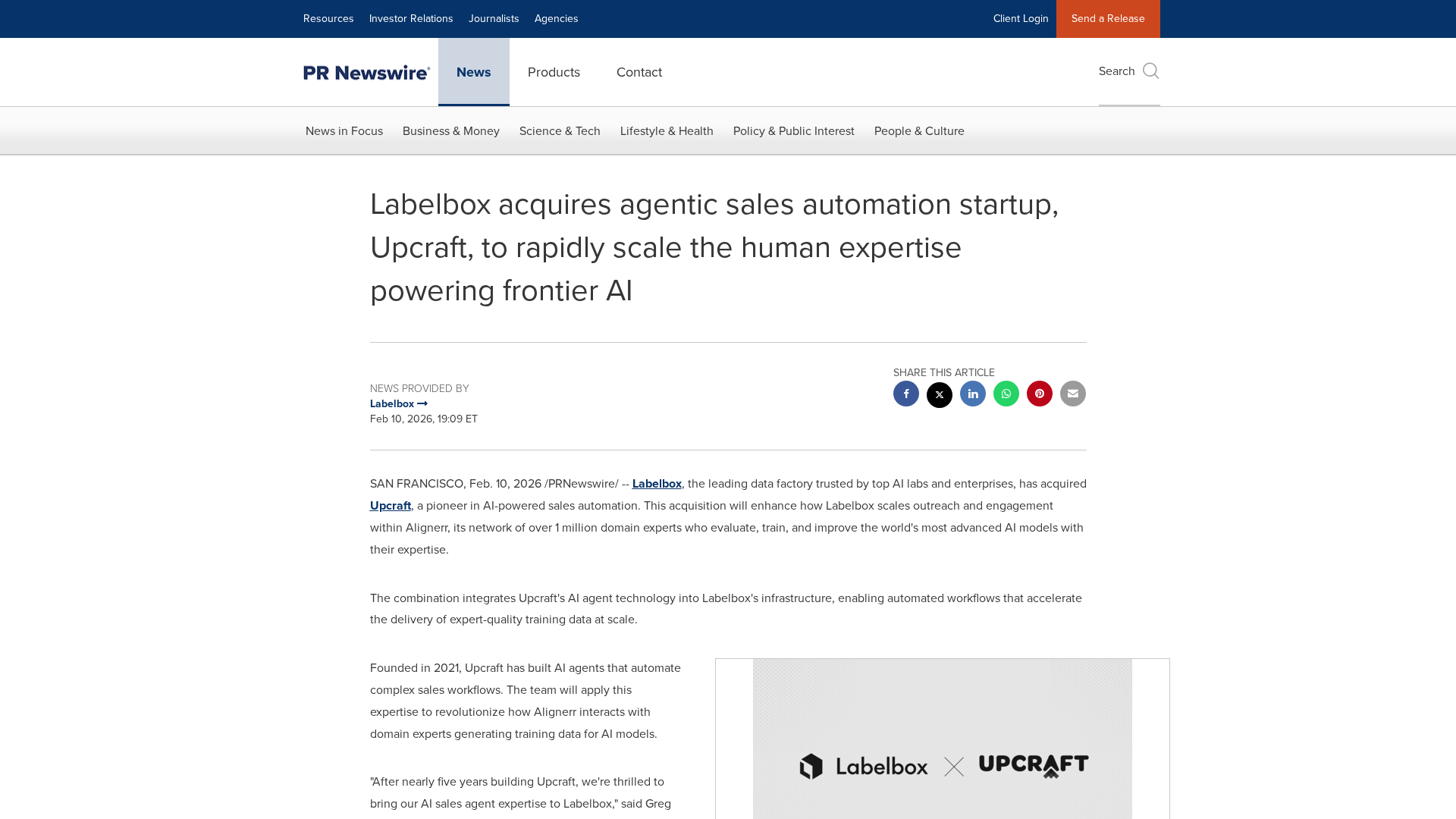
Labelbox acquires Upcraft to automate and scale expert-driven training data for frontier AI.
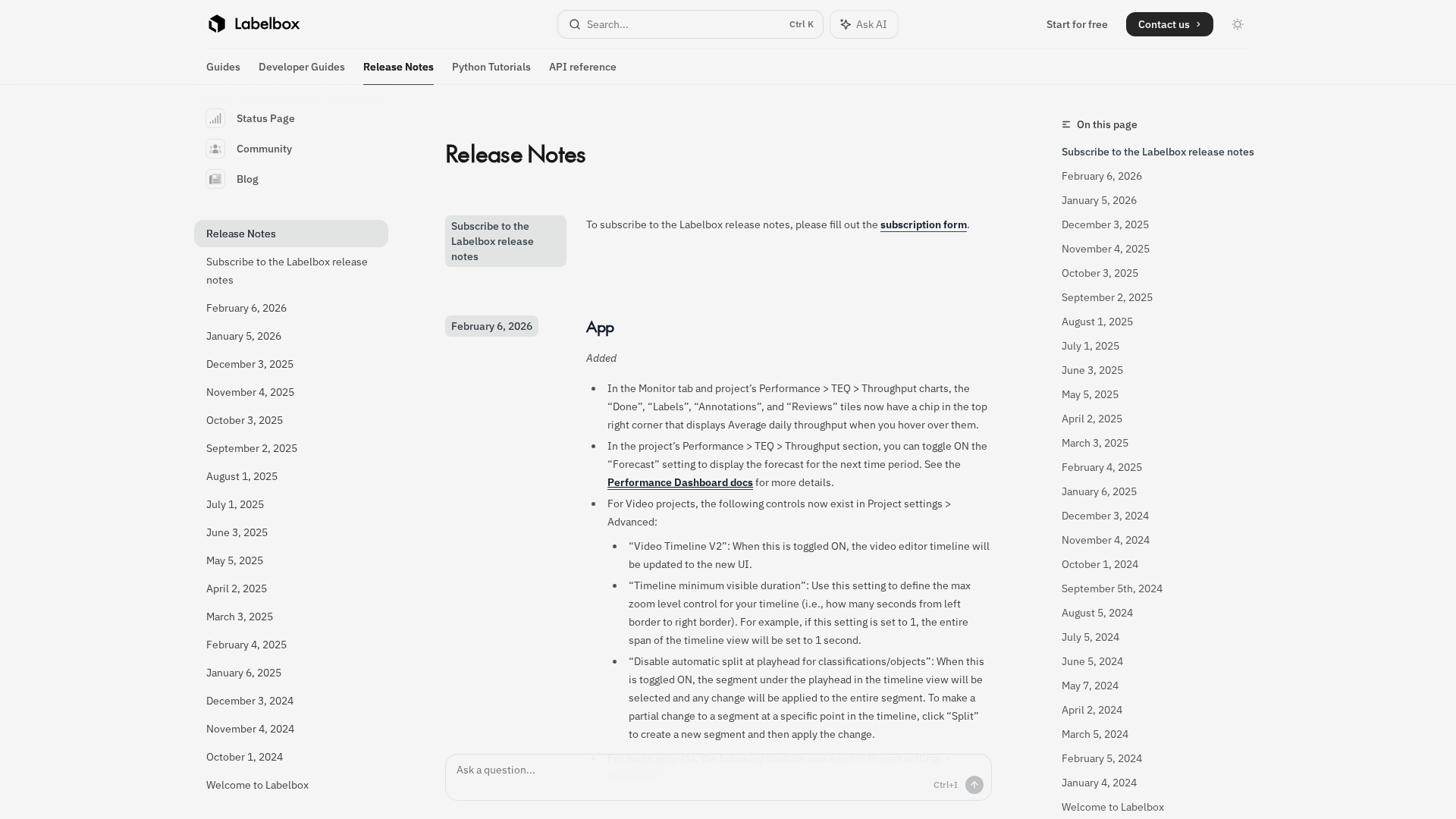
Comprehensive release notes detailing UI upgrades, AI features, timeline editors, and SDK/model changes across Labelbox.
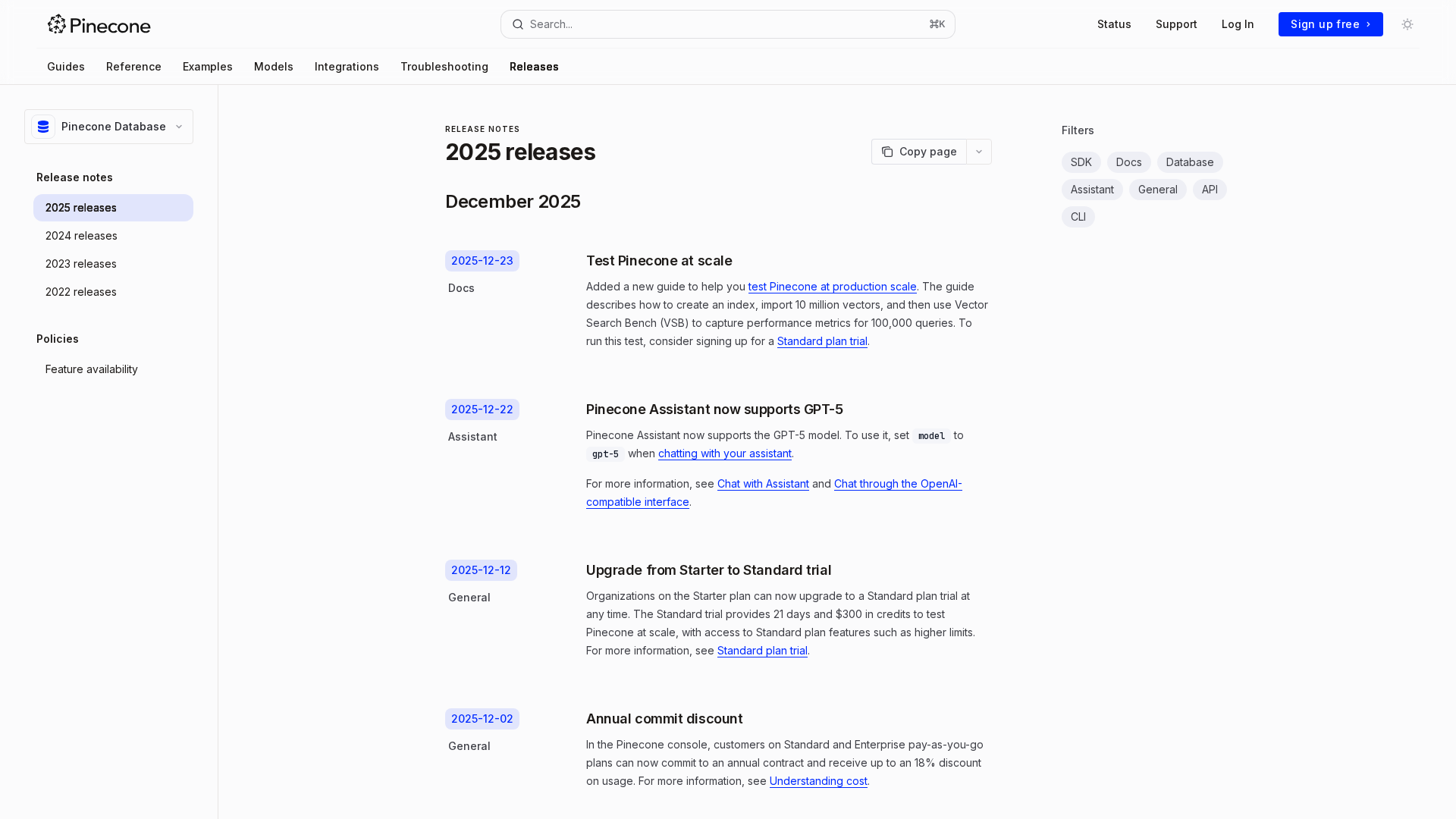
A comprehensive roundup of Pinecone's 2025 releases, features, and SDK updates.
A YouTube channel that makes data literacy approachable through conversations, tutorials, and real-world data storytelling.

A practical, prompt-based playbook showing how Gemini 3 reshapes work, with a 90‑day plan and guardrails.