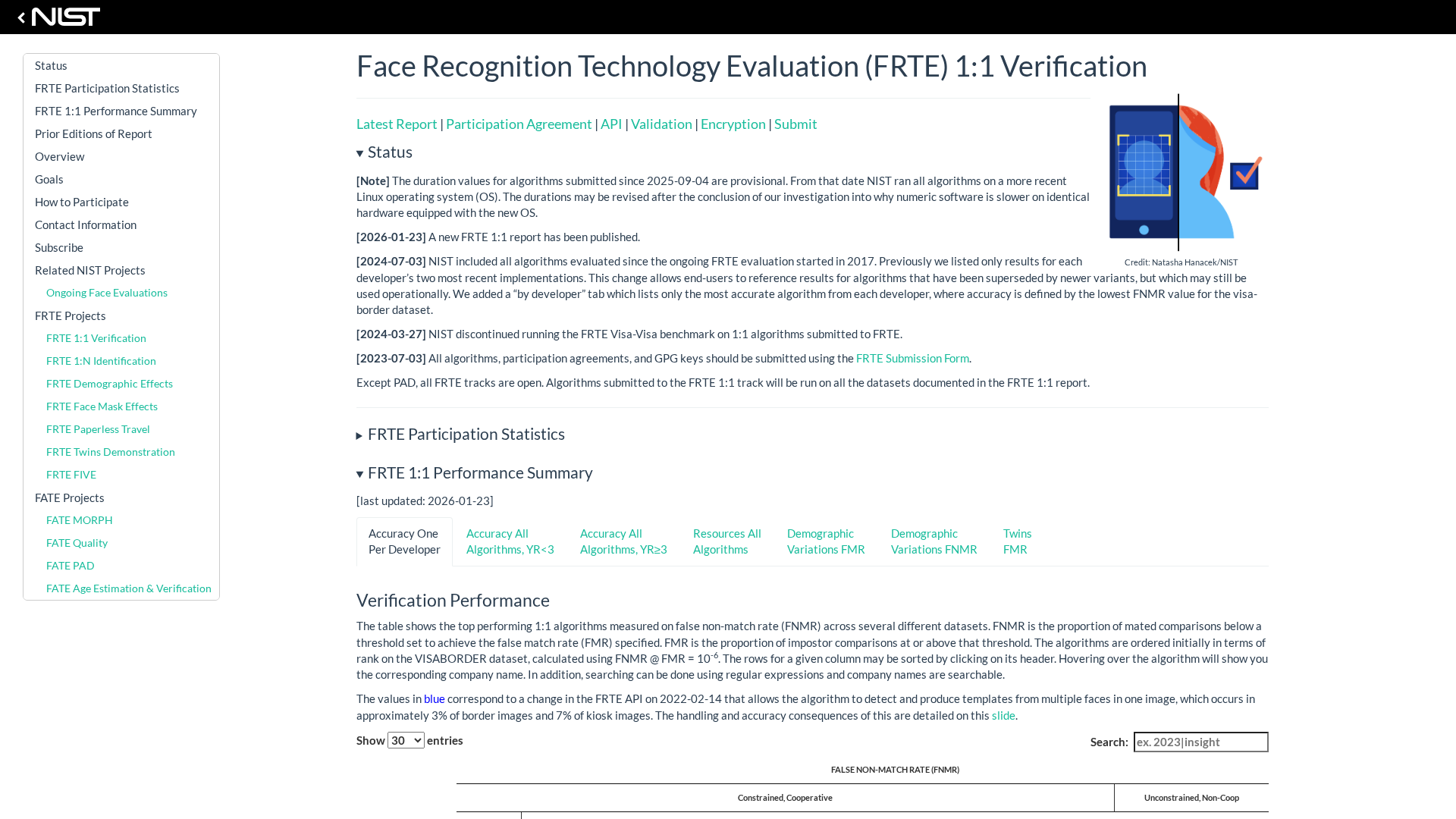
Topic Overview
Face and image recognition APIs cover a spectrum from cloud-hosted multimodal services to edge-embedded vision stacks; choosing between them requires balancing accuracy, latency, and privacy. This topic evaluates how modern APIs are measured (precision, recall, ROC/AUC, bias and fairness metrics), how they are deployed (cloud vs. on-device/edge), and what governance controls are needed to manage risk. Relevance in 2026 stems from two converging trends: widespread adoption of multimodal models and tighter expectations for data governance. Platforms like Google Vertex AI provide end-to-end tooling for training, evaluating, fine‑tuning and deploying vision models at scale, and Google Gemini supplies multimodal image understanding APIs that power higher-level inference. Edge AI vision platforms — exemplified by solutions such as Gather AI’s drone and MHE-mounted camera systems — illustrate how real‑world operations push compute to the edge to meet latency and data‑minimization requirements. No-code and integration tools (Anakin.ai) and document-focused services (PDF.ai) show how image recognition is being embedded across workflows from automated warehouse audits to document extraction and content moderation. Practical comparison should therefore cover: accuracy under realistic conditions, robustness to adversarial inputs and domain shift, privacy-preserving options (on-device inference, federated learning, differential privacy, encryption), auditability (model cards, logging, explainability), and compliance with sectoral regulation. Use cases range from physical security and retail analytics to intralogistics and document automation; each imposes different tolerances for false positives, latency, and data retention. Understanding these trade-offs — not just headline accuracy numbers — is essential for informed selection and responsible deployment of face and image recognition APIs.
Tool Rankings – Top 5

Unified, fully-managed Google Cloud platform for building, training, deploying, and monitoring ML and GenAI models.

AI-driven intralogistics platform using autonomous drones and computer vision to digitize warehouses and provide real‑t

Google’s multimodal family of generative AI models and APIs for developers and enterprises.
Chat with your PDFs using AI to get instant answers, summaries, and key insights.
A no-code AI platform with 1000+ built-in AI apps for content generation, document search, automation, batch processing,
Latest Articles (47)
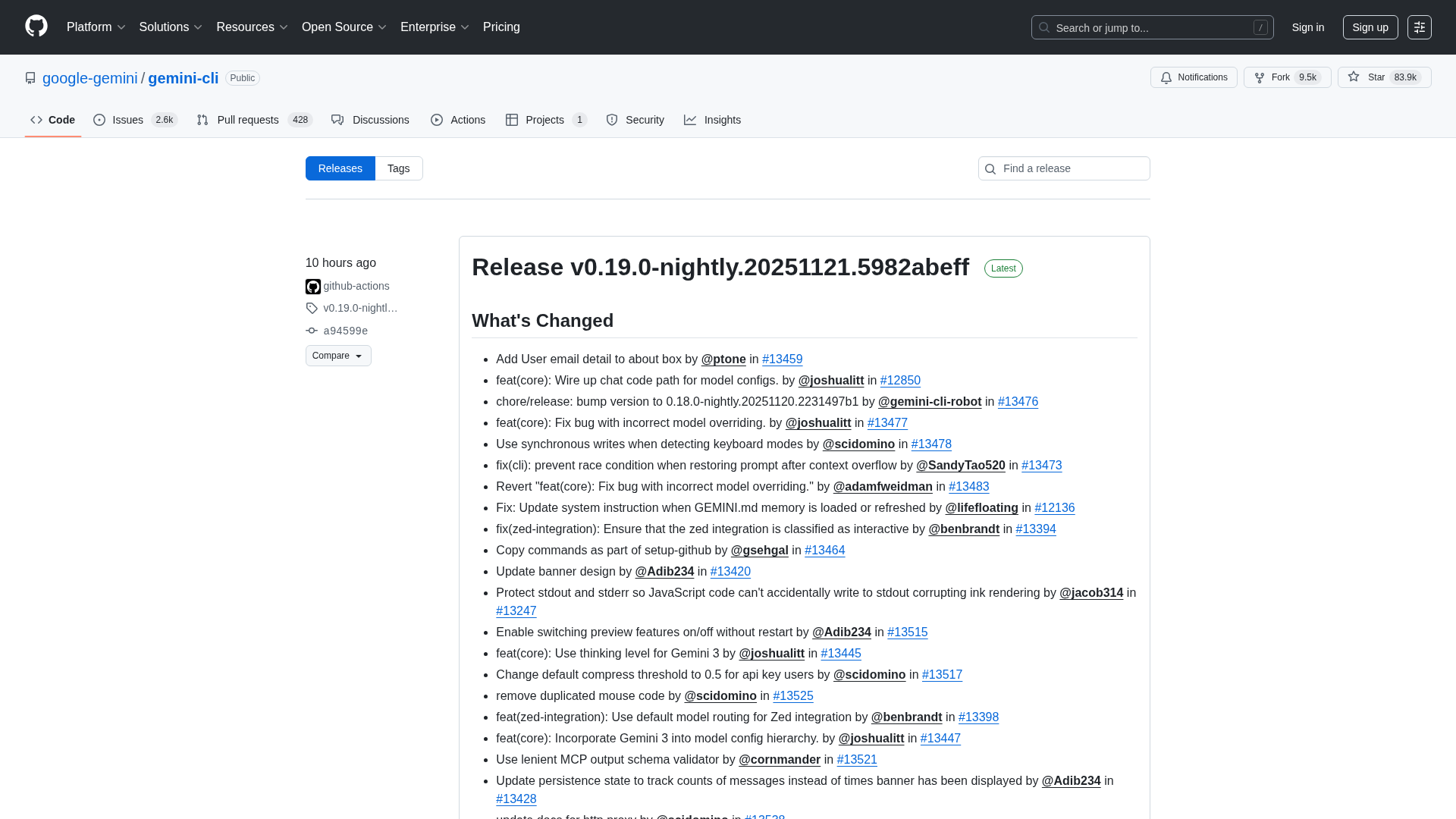
Overview of the Gemini CLI v0.36.0-preview release series, highlighting architectural, CLI, and UI changelogs across multiple pre-release versions.
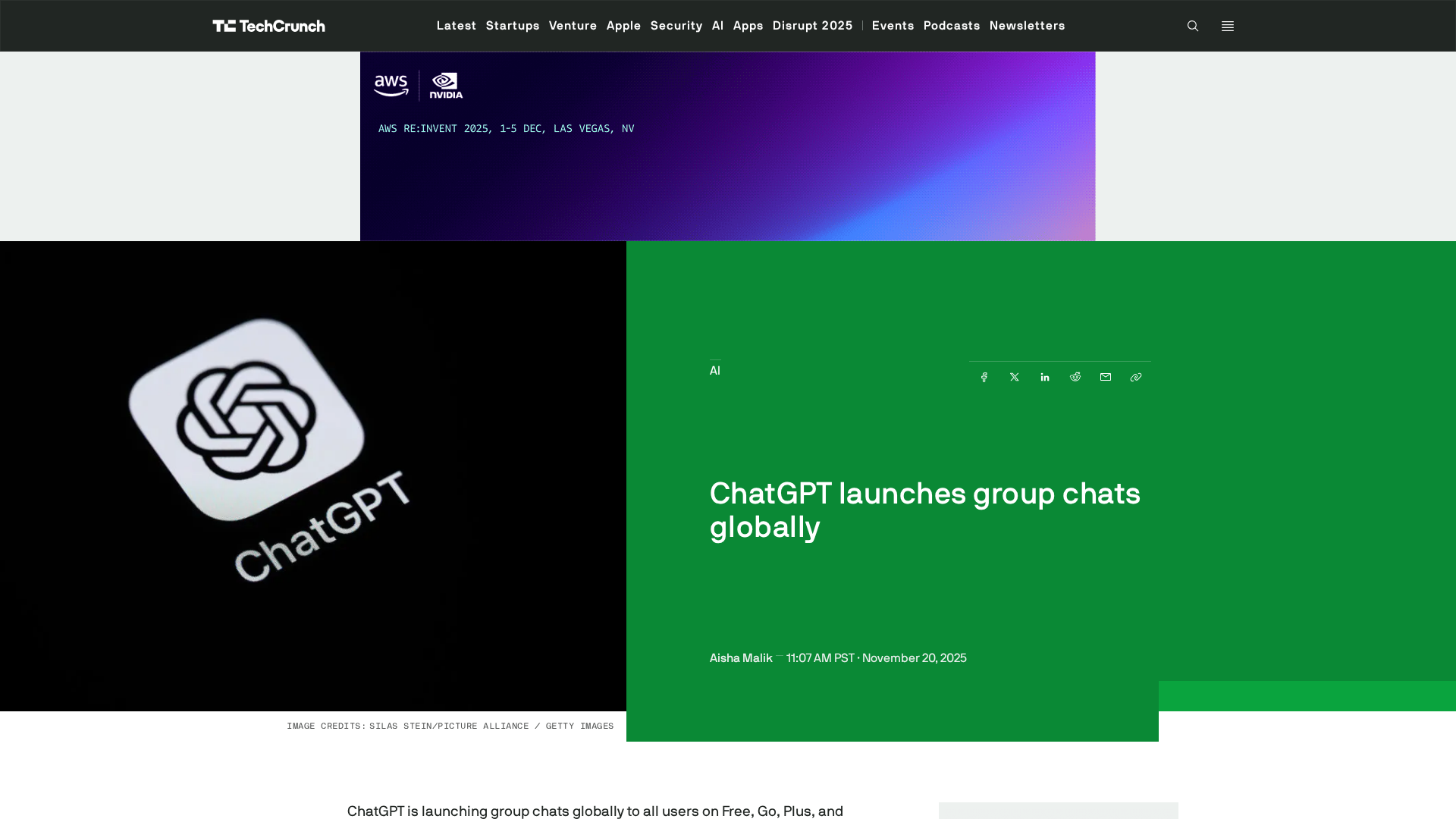
OpenAI rolls out global group chats in ChatGPT, supporting up to 20 participants in shared AI-powered conversations.
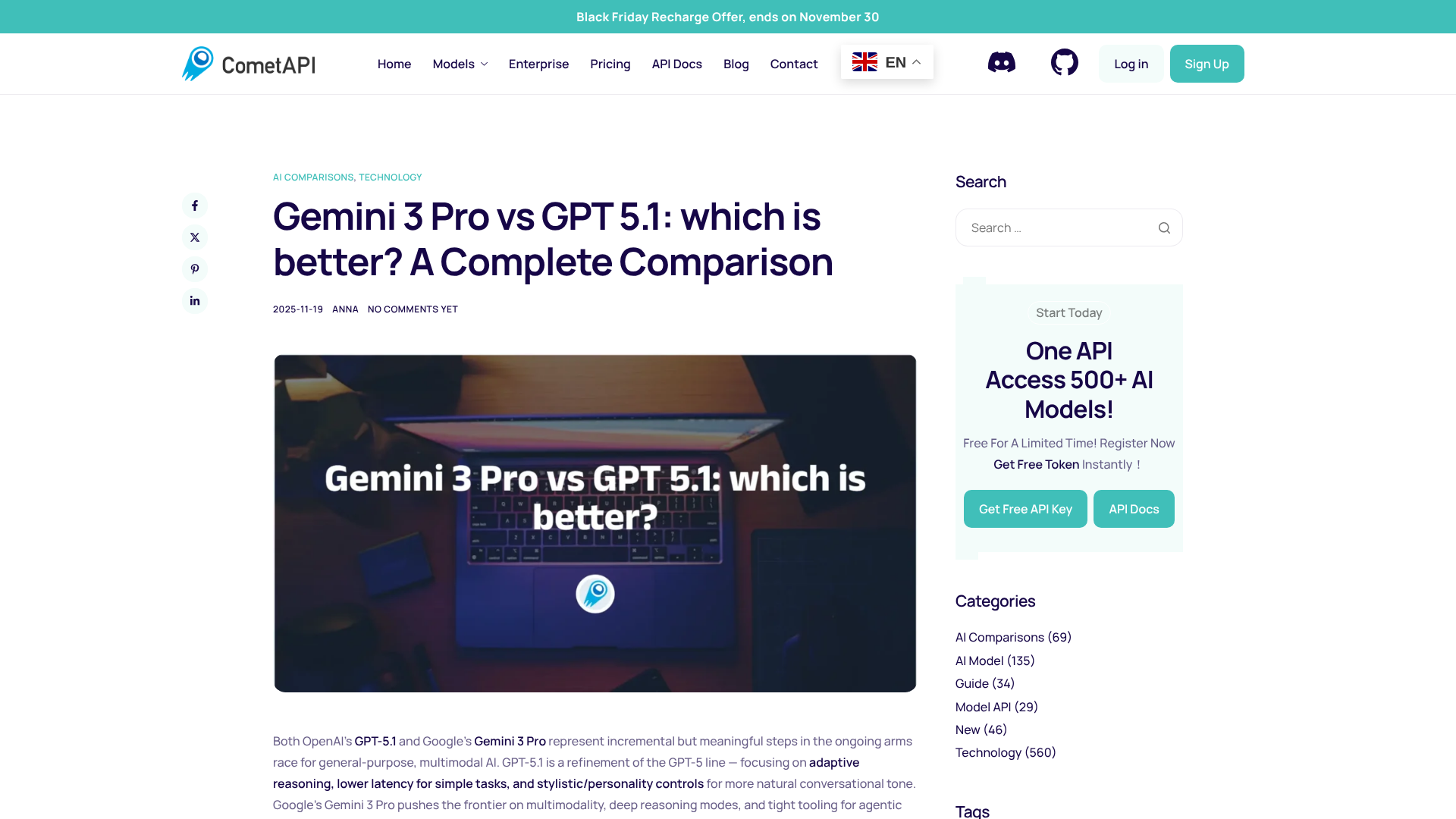
A detailed, use-case-driven comparison of Gemini 3 Pro and GPT-5.1 across context windows, multimodal capabilities, tooling, benchmarks, and pricing.

Gemini 3 Pro debuts in Search and apps, delivering stronger benchmarks and new interactive tools.
Google launches Gemini 3.0 with the Antigravity IDE, aiming to outpace Cursor 2.0 in AI-powered coding.