Topic Overview
This topic surveys how venture capital (including activity from firms such as a16z) is shaping generative AI startups and the product categories investors prioritize in early 2026. The landscape is defined by a few clear vectors: developer-first infrastructure and agent frameworks, cloud-managed model platforms, and enterprise-focused copilots and content automation. Key tools illustrate those trends — LangChain for building, testing and deploying agentic LLM applications; Vertex AI as a unified, fully managed cloud platform for model discovery, training and deployment; and StarCoder as an open-source code LLM enabling alternative model supply. Developer productivity and code generation are represented by GitHub Copilot, while Microsoft 365 Copilot and Notion show the push to embed AI into core enterprise workflows. On the go‑to‑market side, Copy.ai and Jasper demonstrate demand for AI-native content and GTM platforms that unify marketing workflows. Niche utilities such as ChatPDF signal continued interest in document-centric agents and retrieval-augmented experiences. For investors and operators, four tooling categories matter: AI Tool Marketplaces (discovery and distribution of models and apps), Market Intelligence Tools (funding, traction and TAM signals), Competitive Intelligence Tools (feature and positioning tracking), and Generative AI Resources (open-source models, datasets, and integrations). Funding trends favor startups that reduce integration friction, provide observability and governance for models, or offer verticalized copilots that drive measurable ROI. Marketplaces and intelligence tools are increasingly essential to evaluate deal flow and product differentiation as open-source and managed stacks compete. The takeaway: capital is flowing into platforms that lower operational friction and into applications that make AI directly actionable for developers and enterprises, making tracking marketplaces and competitive signals critical for 2026 decision‑making.
Tool Rankings – Top 6

Engineering platform and open-source frameworks to build, test, and deploy reliable AI agents.

Unified, fully-managed Google Cloud platform for building, training, deploying, and monitoring ML and GenAI models.

An AI pair programmer that gives code completions, chat help, and autonomous agent workflows across editors, theterminal
AI assistant integrated across Microsoft 365 apps to boost productivity, creativity, and data insights.

AI-native GTM platform unifying workflows, agents, and content tools for sales and marketing.

AI content-automation platform for marketing teams to produce on‑brand content at scale.
Latest Articles (74)
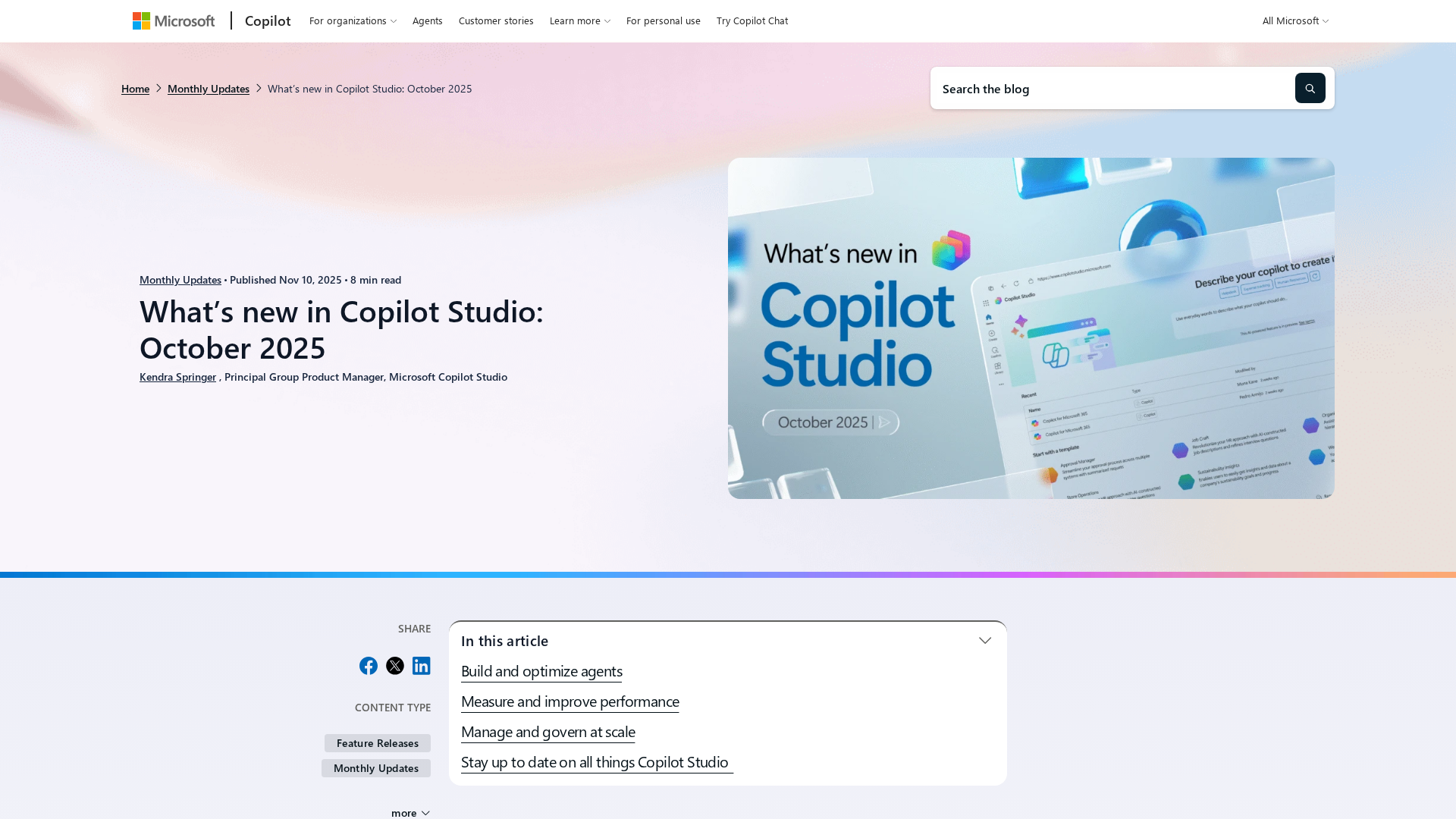
A comprehensive October 2025 roundup of Copilot Studio’s new testing, model, and governance features.
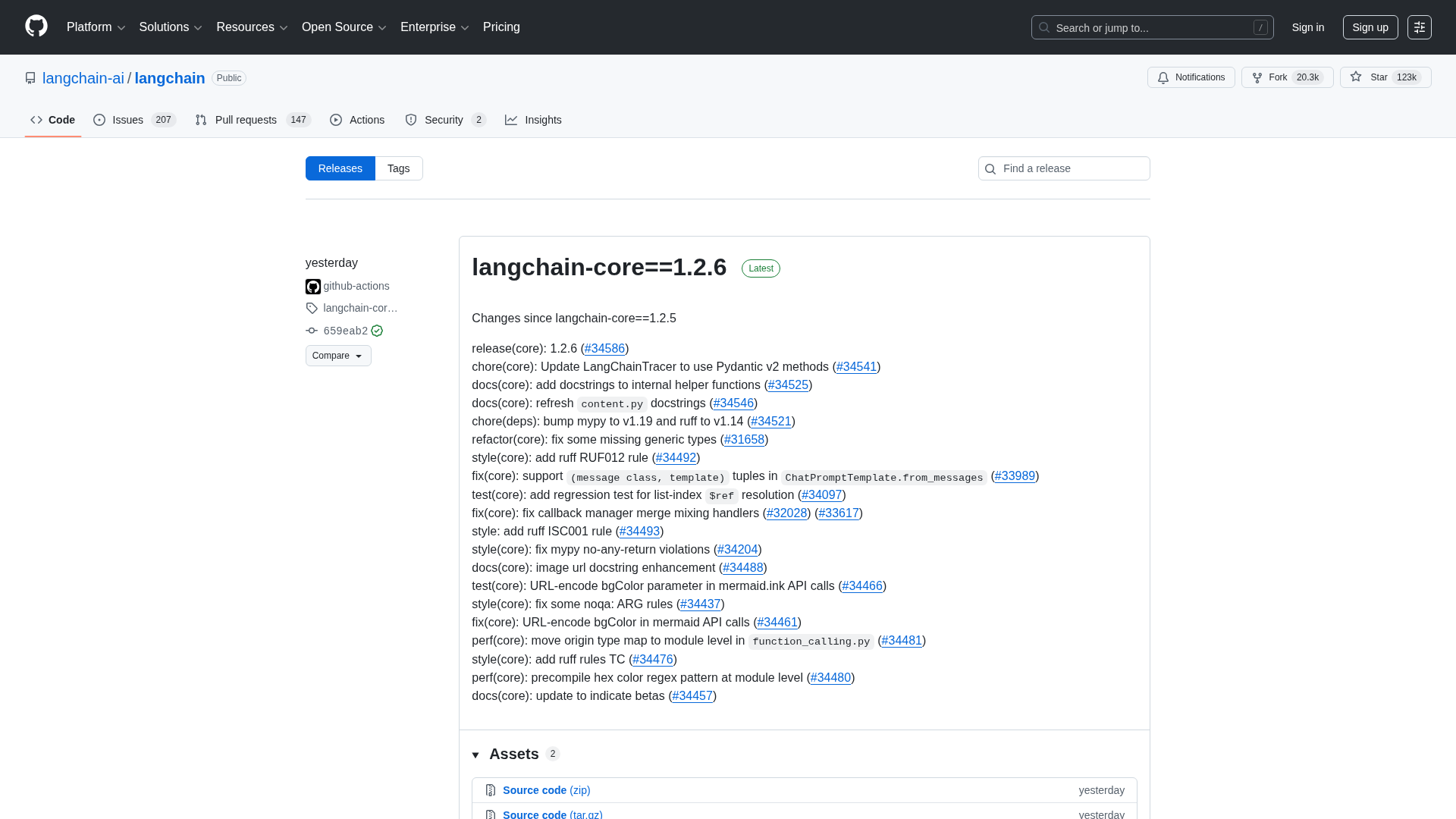
A comprehensive LangChain releases roundup detailing Core 1.2.6 and interconnected updates across XAI, OpenAI, Classic, and tests.

Cannot access the article content due to an access-denied error, preventing summarization.
A quick preview of POE-POE's pros and cons as seen in G2 reviews.