Topic Overview
This topic covers group-collaboration chat AI platforms — from consumer group chat features to enterprise-grade alternatives — that embed generative models into messaging, meeting workflows, and personal assistants. It spans Conversation Intelligence Tools, Messaging Tools, AI Meeting Assistants, and Personal AI Assistants and focuses on capabilities teams need today: shared conversational context, automated summaries and action items, cross-app search, role-aware access controls, and workflow automation. Key tools illustrate the landscape: Microsoft 365 Copilot integrates assistant features across Office apps to surface data insights and accelerate tasks; Google Gemini provides multimodal models and APIs for developers and enterprises building conversational experiences; Notion brings block-based AI into a unified workspace for docs, knowledge bases and databases; Dashworks offers omni-search across apps and data to answer team queries in real time; Kore.ai enables enterprise agent orchestration with governance and observability for multi-agent workflows; Anthropic’s Claude family targets conversational research, writing and analysis use cases; IBM watsonx Assistant focuses on deployable virtual agents with no-code and developer-driven automation. As of 2025-11-25, organizational priorities make these platforms timely: hybrid work and meeting overload create demand for automated meeting intelligence and searchable institutional memory; tighter compliance and data-governance requirements push enterprises toward configurable, auditable assistants and on-prem or private-cloud deployments; and advances in multimodal models and agent orchestration enable richer, context-aware group experiences. Choosing the right platform involves trade-offs among integration depth, model capabilities, data control, and extensibility for custom workflows — factors this topic aims to clarify for buyers and builders.
Tool Rankings – Top 6
AI assistant integrated across Microsoft 365 apps to boost productivity, creativity, and data insights.

Google’s multimodal family of generative AI models and APIs for developers and enterprises.
A single, block-based AI-enabled workspace that combines docs, knowledge, databases, automation, and integrations to sup

An AI-powered omni-search assistant that unifies apps and data to answer team questions in real time.

Enterprise AI agent platform for building, deploying and orchestrating multi-agent workflows with governance, observabil
Anthropic's Claude family: conversational and developer AI assistants for research, writing, code, and analysis.
Latest Articles (94)
A vendor‑agnostic guide to the 14 best AI governance platforms in 2025, with criteria, comparisons, and practical buying guidance.
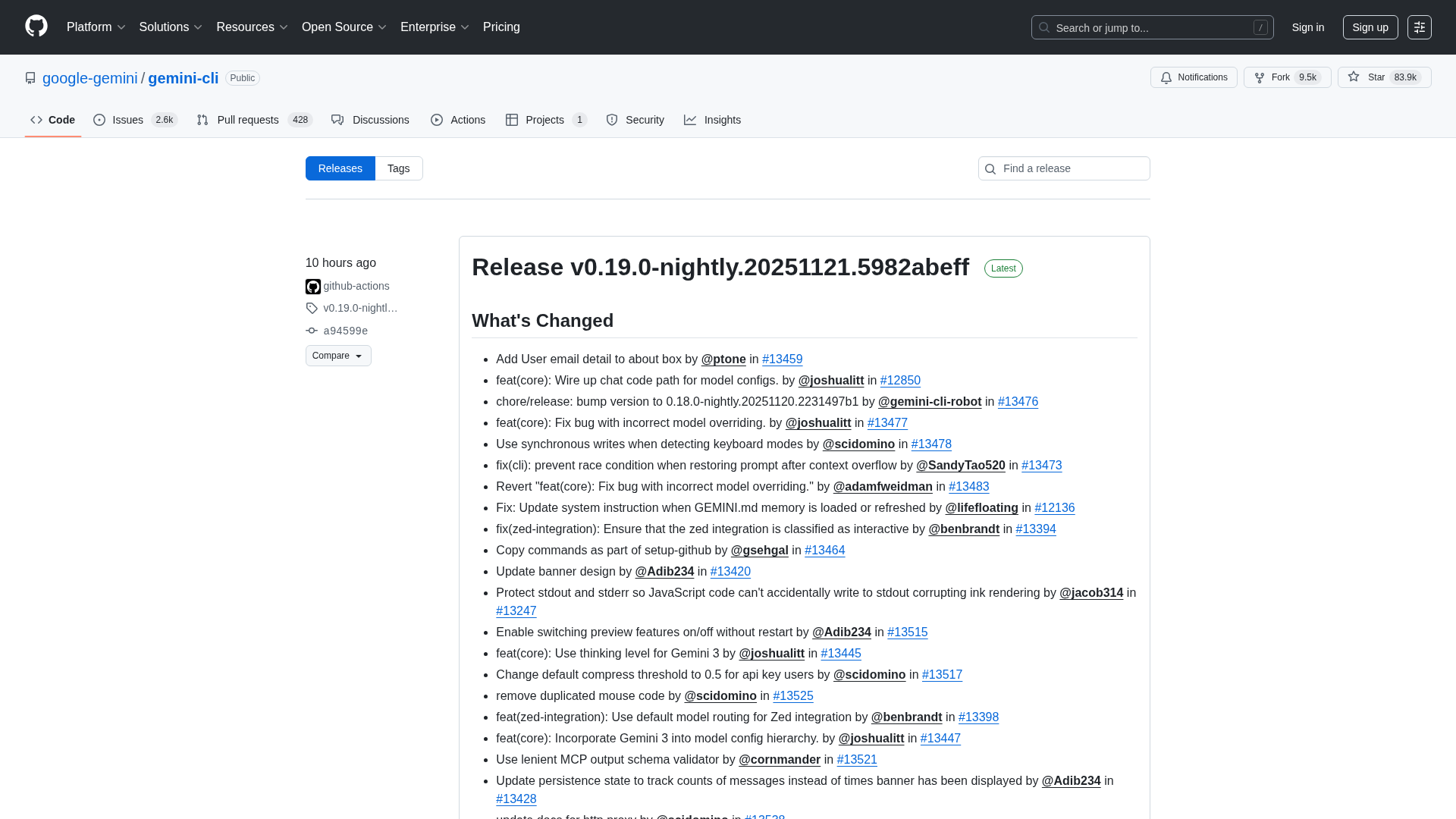
Overview of the Gemini CLI v0.36.0-preview release series, highlighting architectural, CLI, and UI changelogs across multiple pre-release versions.
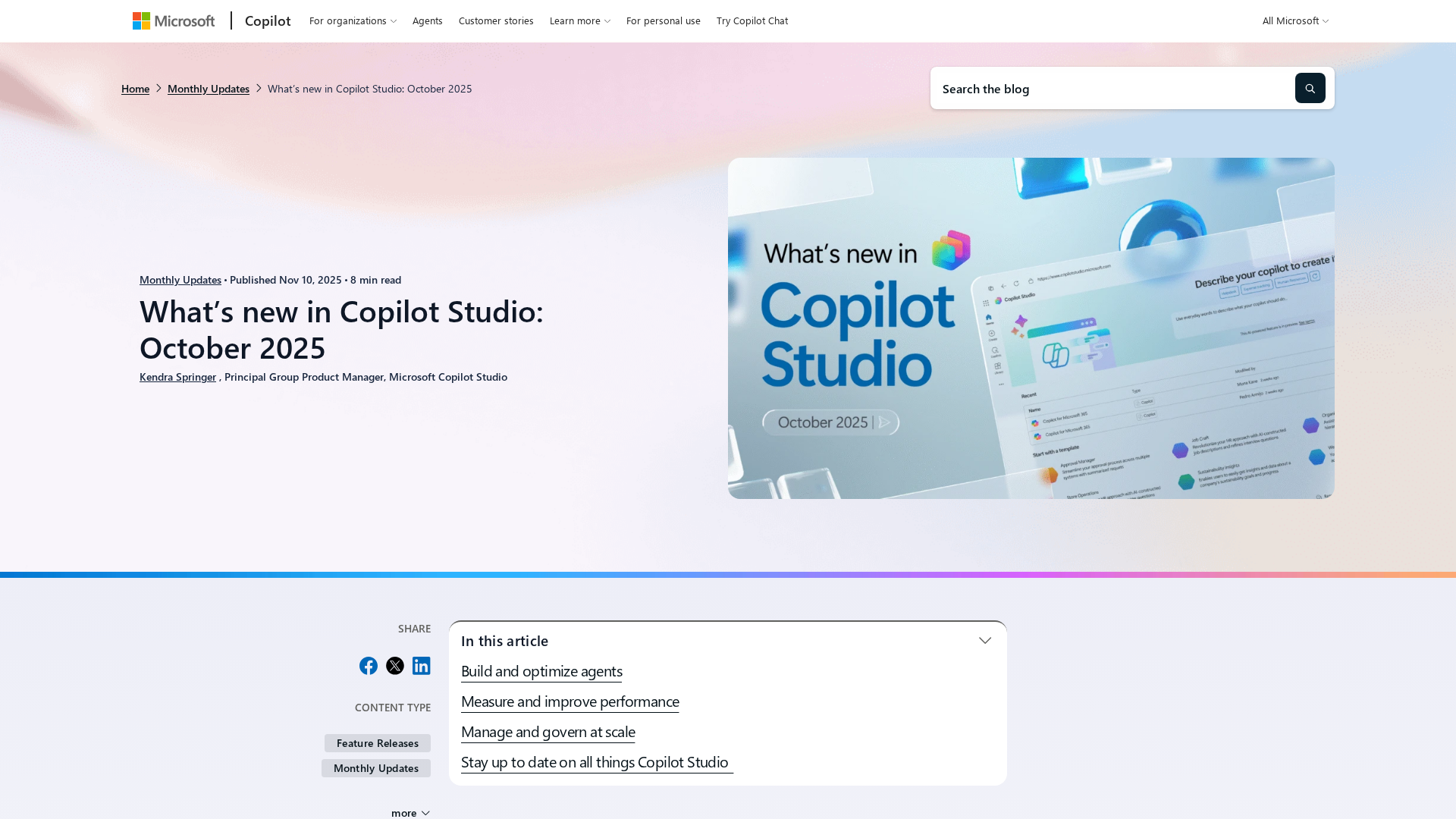
A comprehensive October 2025 roundup of Copilot Studio’s new testing, model, and governance features.
A concise guide to the top 10 conversational AI platforms in 2024, with features, benefits, and use cases.
In-depth look at Gemini 3 Pro benchmarks across reasoning, math, multimodal, and agentic capabilities with implications for building AI agents.