Topic Overview
This topic covers the ecosystem of image generation and face/image-recognition APIs and tools used to build visual search, biometric verification, creative content, and marketing-attribution workflows. By 2026, multimodal generative models and purpose-built vision stacks have converged with data‑ops and vector search to make image-driven applications faster to develop and easier to scale. Key capabilities include image synthesis and editing (generative APIs), supervised annotation and data validation, semantic image retrieval (vector databases), model training and deployment, and low‑latency edge inference for privacy‑sensitive or real‑time use cases. Representative tools: Google’s Gemini family provides multimodal generation and vision-capable APIs accessible through Google AI developer APIs and Studio; Vertex AI offers an end‑to‑end platform for model discovery, training, fine‑tuning and deployment; Labelbox supports annotation, evaluation and managed data services for high-quality training datasets; Pinecone provides a production-grade vector database for fast image similarity and retrieval; Anakin.ai offers no-code apps for content and image generation and automation; Katalis AI combines autonomous agents and human strategists to instrument marketing-attribution and optimization workflows. Edge AI vision platforms (vendor-agnostic) enable on-device inference to reduce latency and improve privacy. Why it matters now: demand for visual AI across marketing attribution, visual search, quality inspection, and security has grown, while regulatory and privacy considerations favor on-device processing and robust annotation practices. Effective systems stitch together annotation pipelines, vector search, multimodal models, and deployment stacks—balancing accuracy, latency, and compliance—to deliver practical image-generation and recognition solutions.
Tool Rankings – Top 6

Google’s multimodal family of generative AI models and APIs for developers and enterprises.

Unified, fully-managed Google Cloud platform for building, training, deploying, and monitoring ML and GenAI models.
A no-code AI platform with 1000+ built-in AI apps for content generation, document search, automation, batch processing,

AI-powered marketing partner combining autonomous agents (LARA, NIKO) with human strategists to automate and optimize e‑

A comprehensive AI data factory providing labeling, evaluation, and managed data services.
Fully managed, serverless vector database focused on production-grade semantic search, retrieval-augmented generation (R
Latest Articles (32)
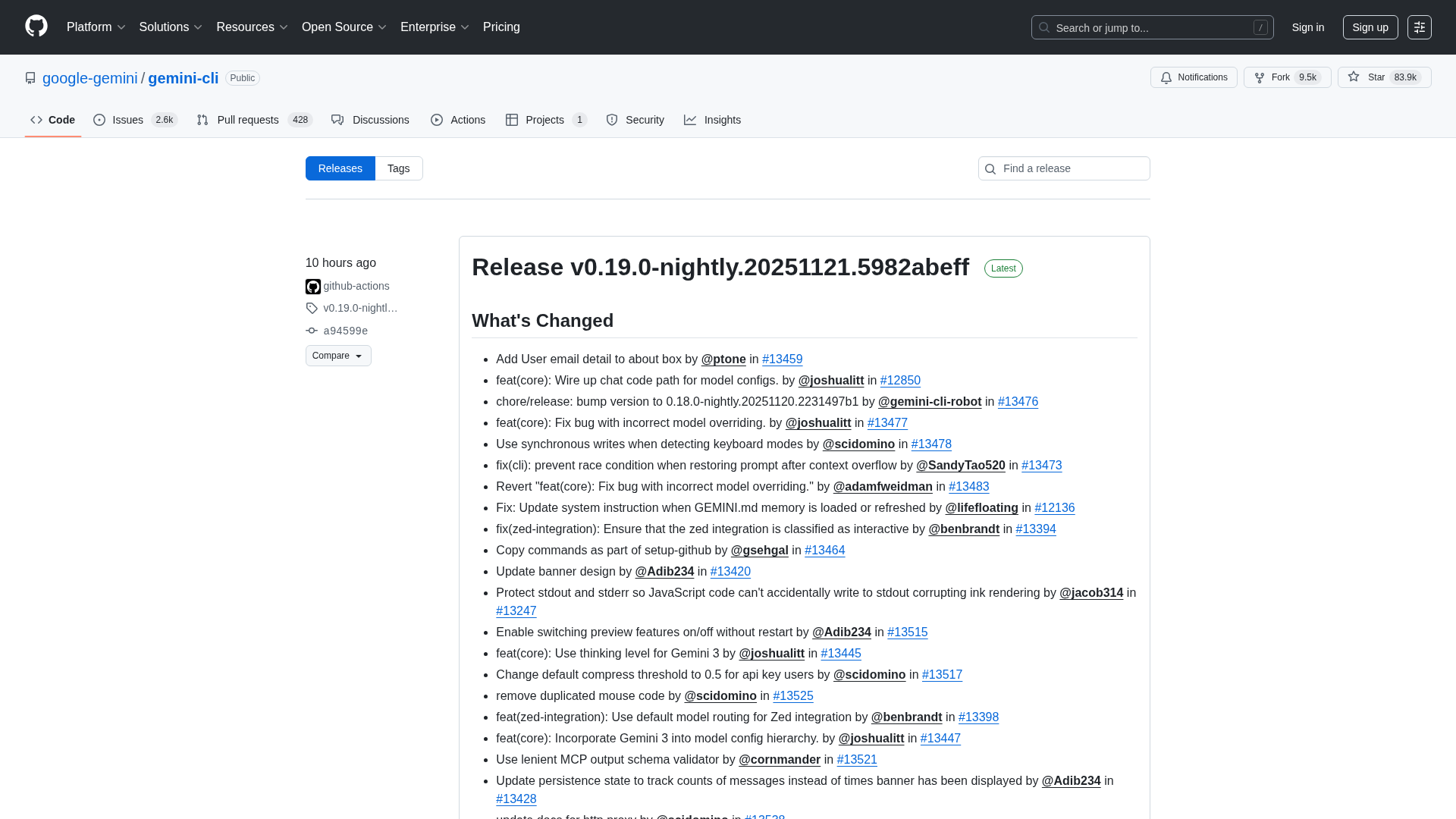
Overview of the Gemini CLI v0.36.0-preview release series, highlighting architectural, CLI, and UI changelogs across multiple pre-release versions.
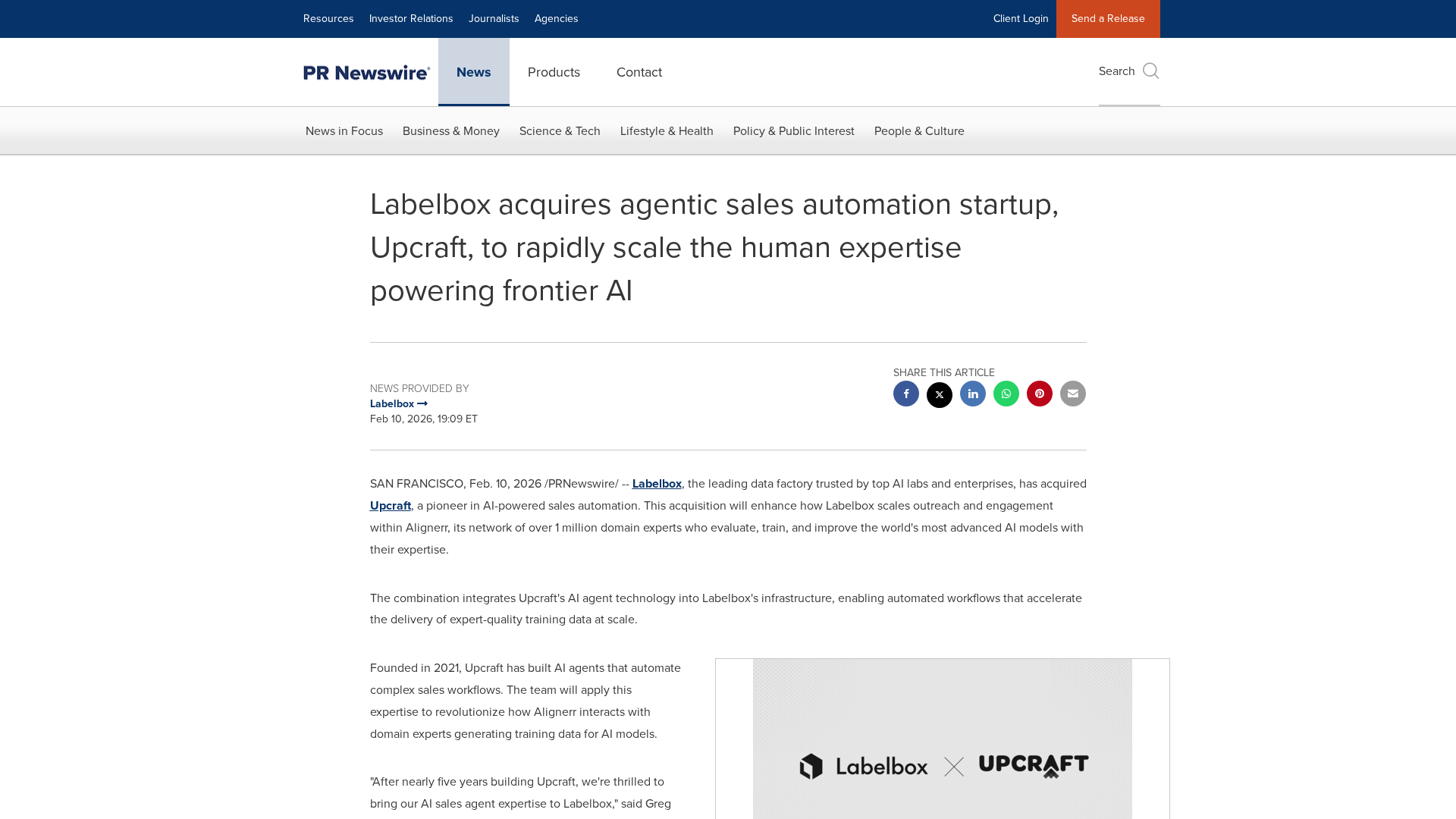
Labelbox acquires Upcraft to automate and scale expert-driven training data for frontier AI.
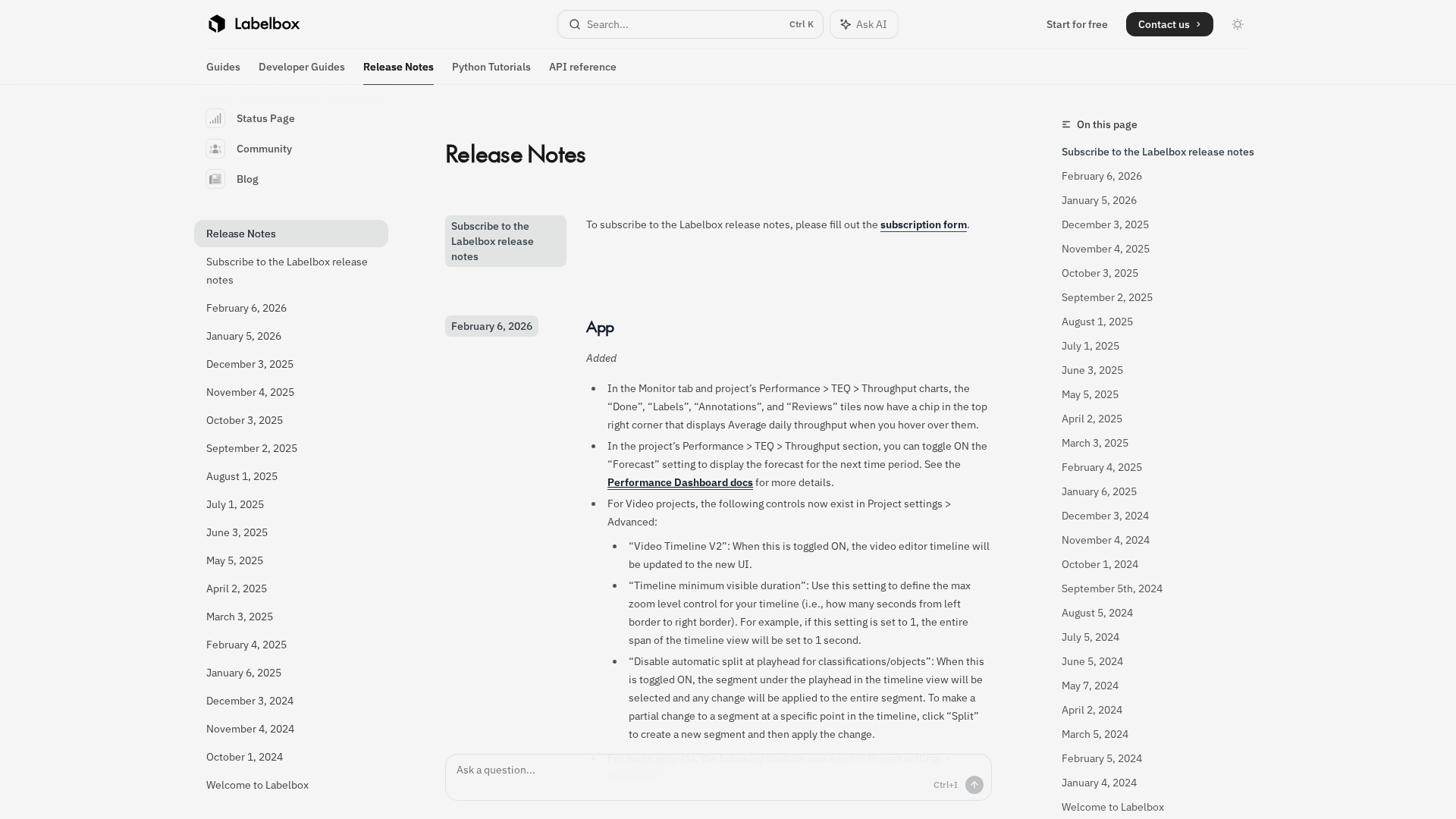
Comprehensive release notes detailing UI upgrades, AI features, timeline editors, and SDK/model changes across Labelbox.
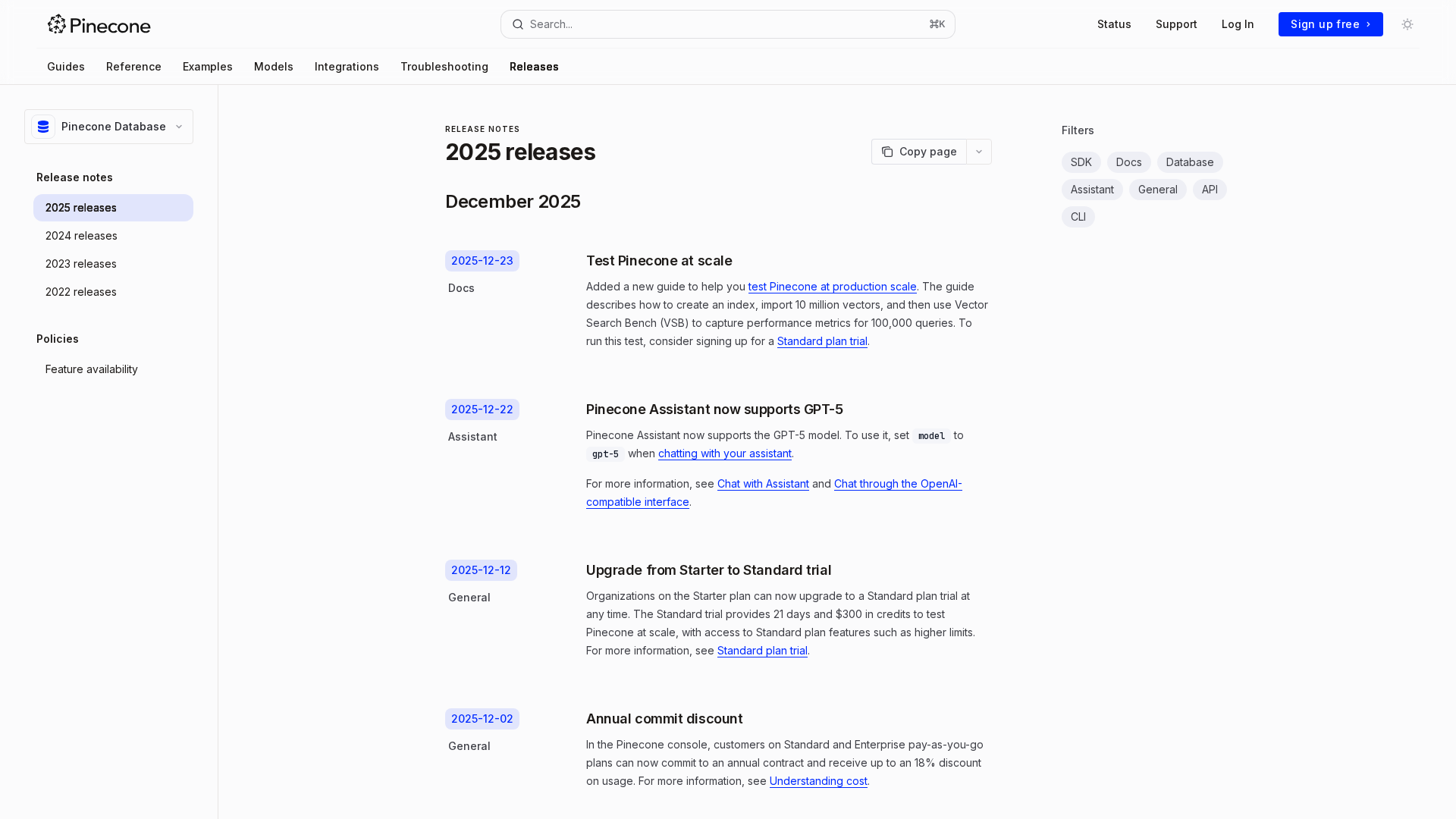
A comprehensive roundup of Pinecone's 2025 releases, features, and SDK updates.
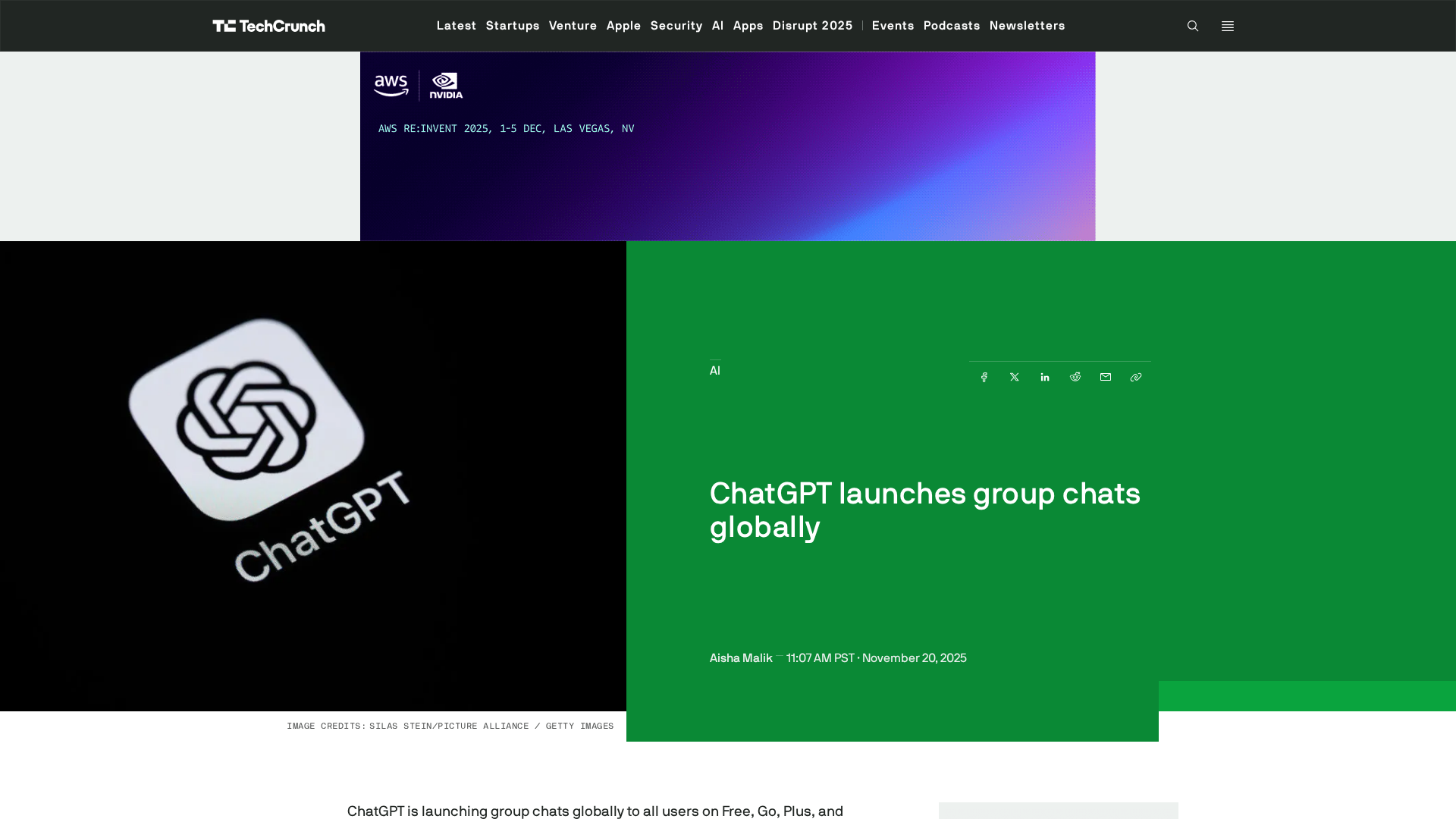
OpenAI rolls out global group chats in ChatGPT, supporting up to 20 participants in shared AI-powered conversations.