Topic Overview
LLM developer tooling and SDKs covers the software libraries, agent frameworks, IDE assistants, testing platforms, and marketplaces that let engineers turn large language models into reliable production services. This space spans AI code assistants (Copilot, Tabnine, JetBrains AI Assistant, Windsurf), engineering frameworks for agentic apps (LangChain with LangGraph state, AutoGPT, GPTConsole), model options for code tasks (Code Llama, Salesforce CodeT5), and platforms for hosting, data, testing and distribution (Replit, Amazon CodeWhisperer/Amazon Q Developer, AI agent marketplaces). Relevance and timing (2026-05-24): vendor updates to core models and developer APIs—including recent major releases and expanded toolkits from leading model providers—have accelerated multi‑model orchestration, stateful agent patterns, and SDKs that embed memory, testing and governance. As teams move from prototypes to production, priorities have shifted toward reproducible evaluation (GenAI test automation), private/self‑hosted and governed deployments (Tabnine, enterprise Copilot setups), integrated IDE workflows (Windsurf, JetBrains, GitHub Copilot), and standardized lifecycles for agent building and monetization (GPTConsole, agent marketplaces). What to expect: compare frameworks by abstraction (low‑level SDK vs opinionated agent runtime), by testing and CI support (automated scenario tests, regression checks), and by deployment model (cloud API, self‑hosted runtime, or hybrid). Toolchains increasingly combine code‑specialized models (Code Llama, CodeT5), in‑IDE copilots, and orchestration layers to handle memory, observability, and safety. For engineers evaluating LLM tooling, the key tradeoffs are control and governance versus speed of integration, multi‑model flexibility, and built‑in testing and lifecycle management.
Tool Rankings – Top 6

Engineering platform and open-source frameworks to build, test, and deploy reliable AI agents.

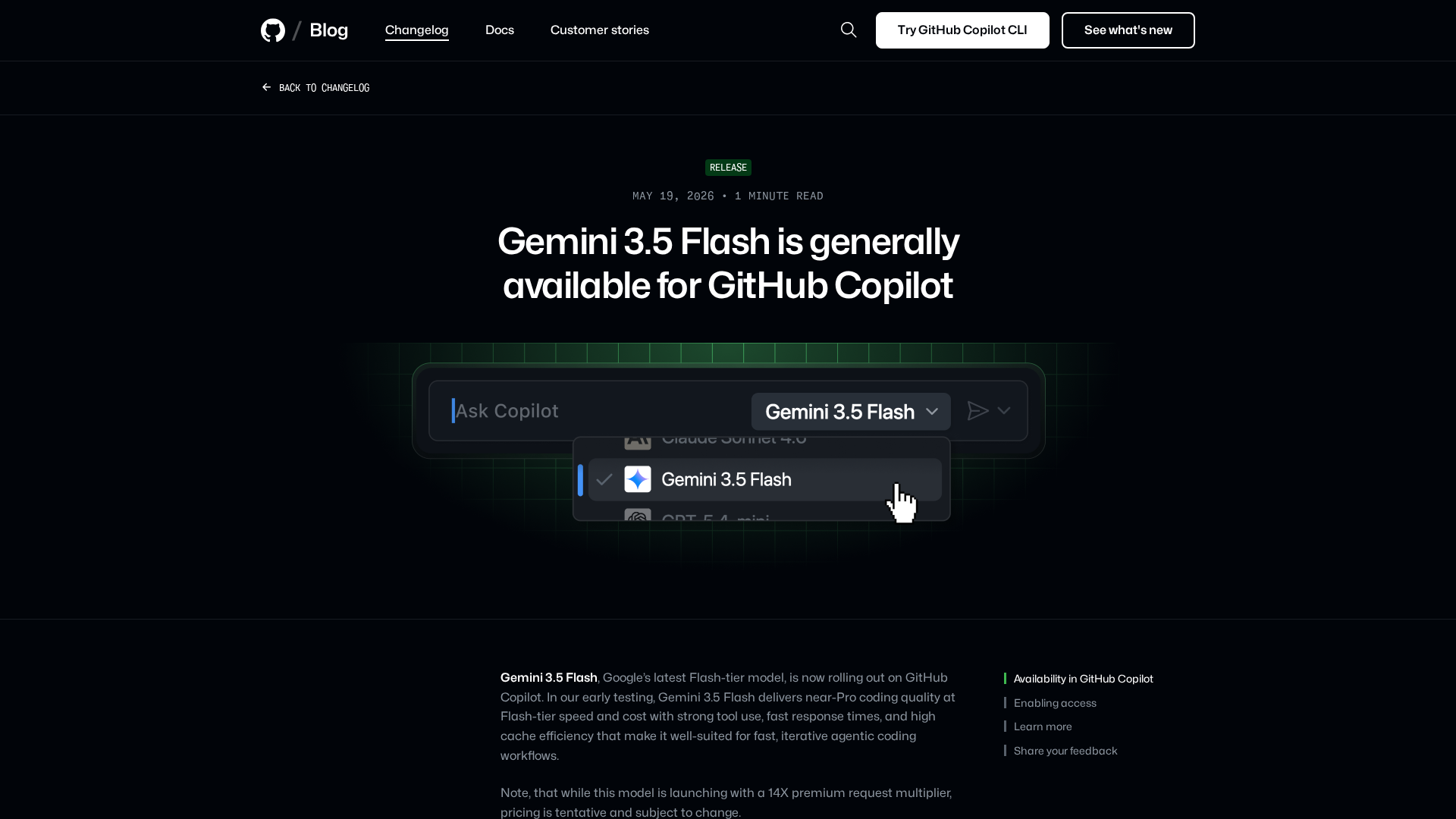
An AI pair programmer that gives code completions, chat help, and autonomous agent workflows across editors, theterminal

Enterprise-focused AI coding assistant emphasizing private/self-hosted deployments, governance, and context-aware code.

AI-native IDE and agentic coding platform (Windsurf Editor) with Cascade agents, live previews, and multi-model support.

AI-driven coding assistant (now integrated with/rolling into Amazon Q Developer) that provides inline code suggestions,

AI-powered online IDE and platform to build, host, and ship apps quickly.
Latest Articles (70)
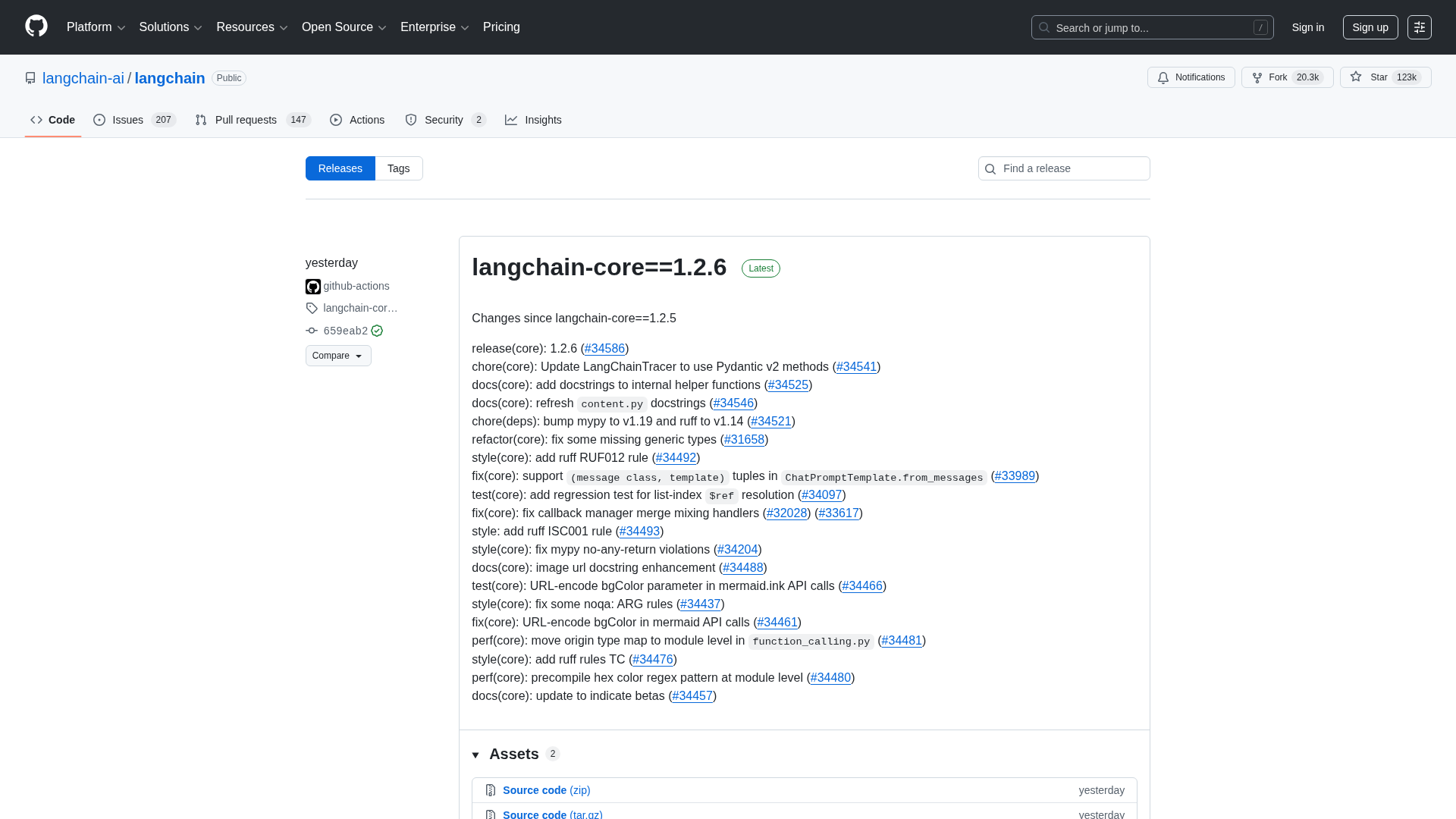
A comprehensive LangChain releases roundup detailing Core 1.2.6 and interconnected updates across XAI, OpenAI, Classic, and tests.

Cannot access the article content due to an access-denied error, preventing summarization.
A quick preview of POE-POE's pros and cons as seen in G2 reviews.
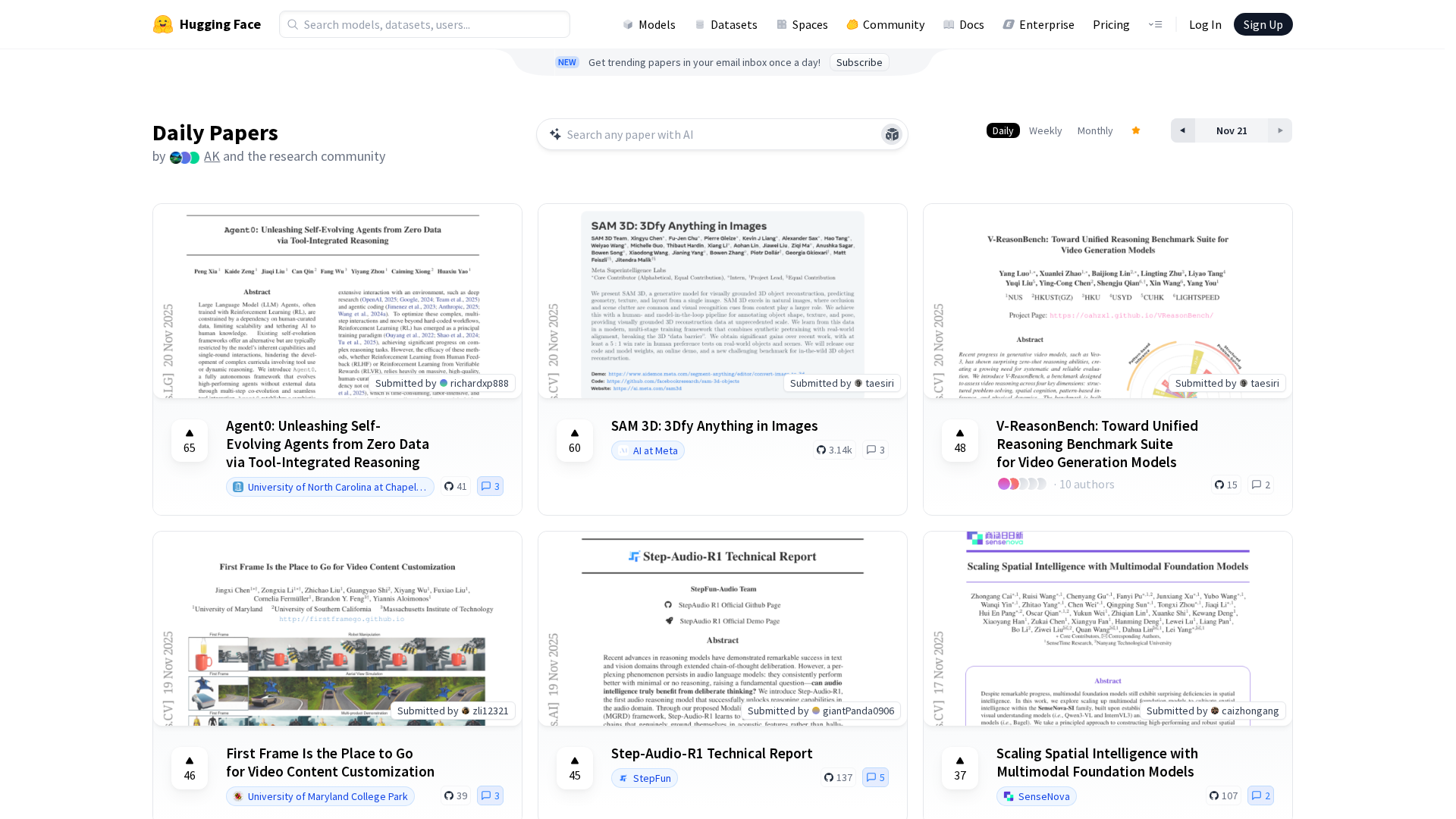
Get daily, curated trending ML papers delivered straight to your inbox.
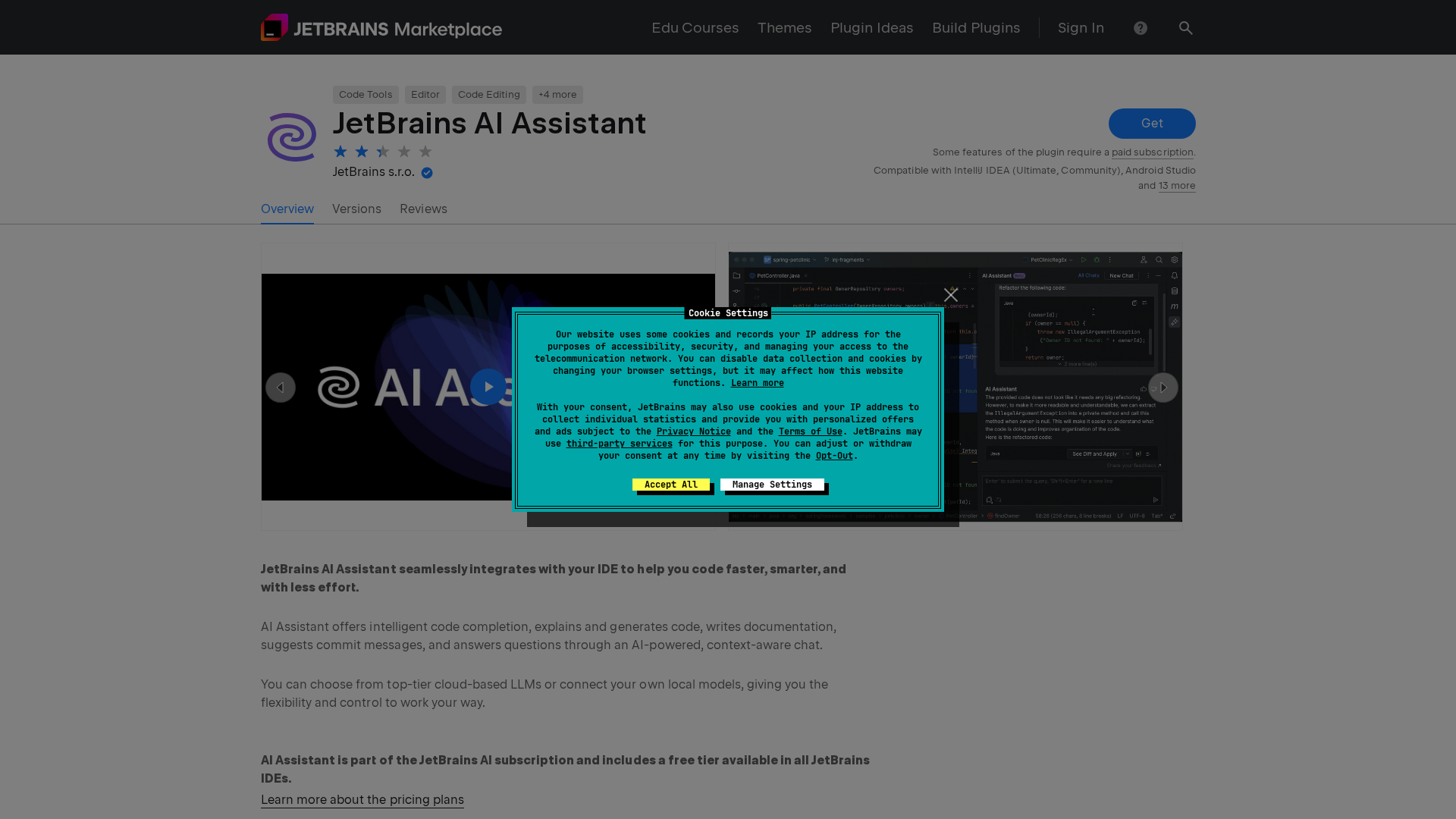
AI-powered coding assistant integrated into IntelliJ IDEs to generate code, explain concepts, and streamline development.