Topic Overview
Multi-agent orchestration frameworks combine agent frameworks, low-code workflow platforms, and AI automation tooling to coordinate LLM-powered agents, rule engines, and human tasks across supply‑chain and enterprise processes. By 2026 this topic centers on building stateful, observable orchestrations that integrate with ERPs, WMS, TMS, and downstream APIs while preserving traceability, cost controls, and compliance. Developer-first frameworks such as LangChain provide open-source SDKs and engineering platforms (including stateful graph abstractions like LangGraph) for building, testing, and deploying reliable agentic applications. Enterprise products like IBM watsonx Assistant focus on no-code and developer-driven virtual assistants and multi-agent orchestrations tailored to regulated environments. End-to-end low-code/low-code platforms such as StackAI target business teams with visual builders, deployment pipelines, and governance controls for agent lifecycle and data handling. Emerging vendors like Tektonic AI introduce hybrid neural–symbolic approaches and a service layer (e.g., PrepMe) to combine learned models with deterministic business rules for higher precision in revenue, order‑to‑cash, and exception handling workflows. Key trends that make this timely: widespread LLM adoption in operations, demand for explainability and audit trails, increasing emphasis on governance and cost management, and a shift toward composable, observable orchestration engines that support mixed-initiative work (agents + humans). Practical implementations prioritize connectors to legacy systems, stateful conversation and task tracking, retry and compensation patterns, and evaluation tooling for safety and performance. Selecting a solution requires balancing developer flexibility, enterprise governance, and the need for deterministic business logic—often leading to hybrid stacks that mix open-source frameworks, low-code orchestration, and symbolic rule services.
Tool Rankings – Top 5

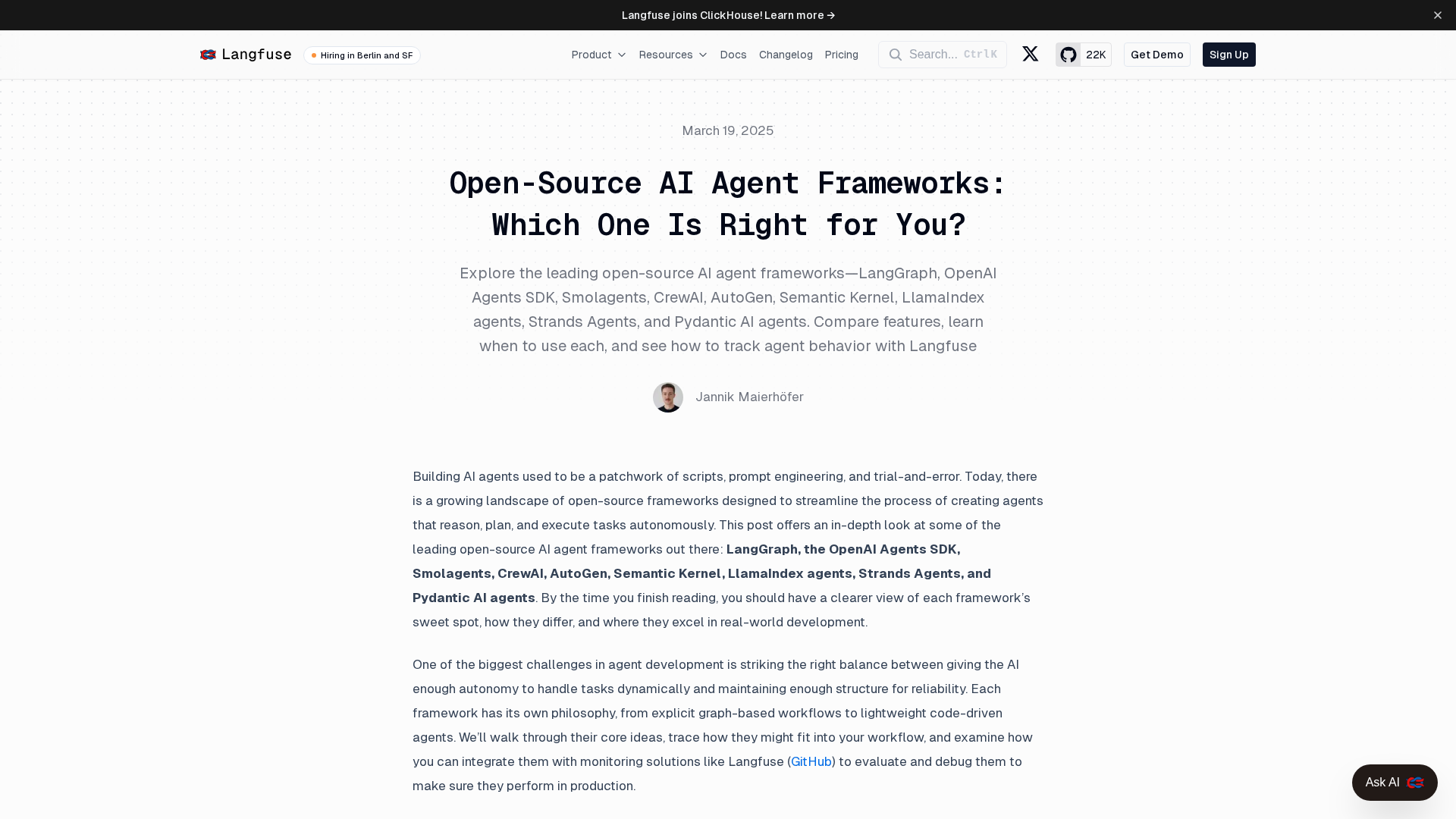
An open-source framework and platform to build, observe, and deploy reliable AI agents.

Enterprise virtual agents and AI assistants built with watsonx LLMs for no-code and developer-driven automation.
End-to-end no-code/low-code enterprise platform for building, deploying, and governing AI agents that automate work onun

Engineering platform and open-source frameworks to build, test, and deploy reliable AI agents.

AI agents and a service layer blending neural and symbolic reasoning to automate enterprise processes; flagship PrepMe:
Latest Articles (72)
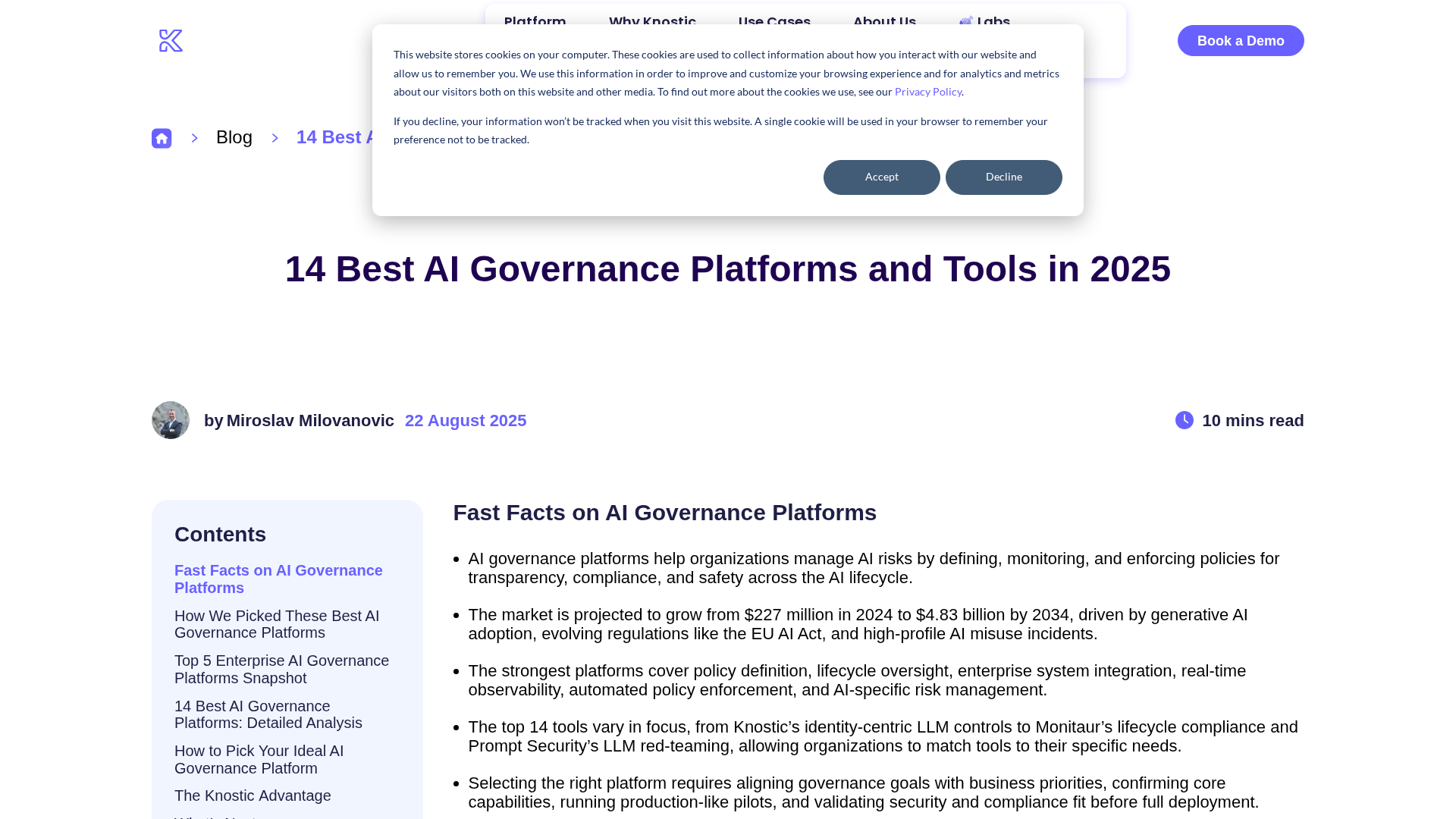
A vendor‑agnostic guide to the 14 best AI governance platforms in 2025, with criteria, comparisons, and practical buying guidance.
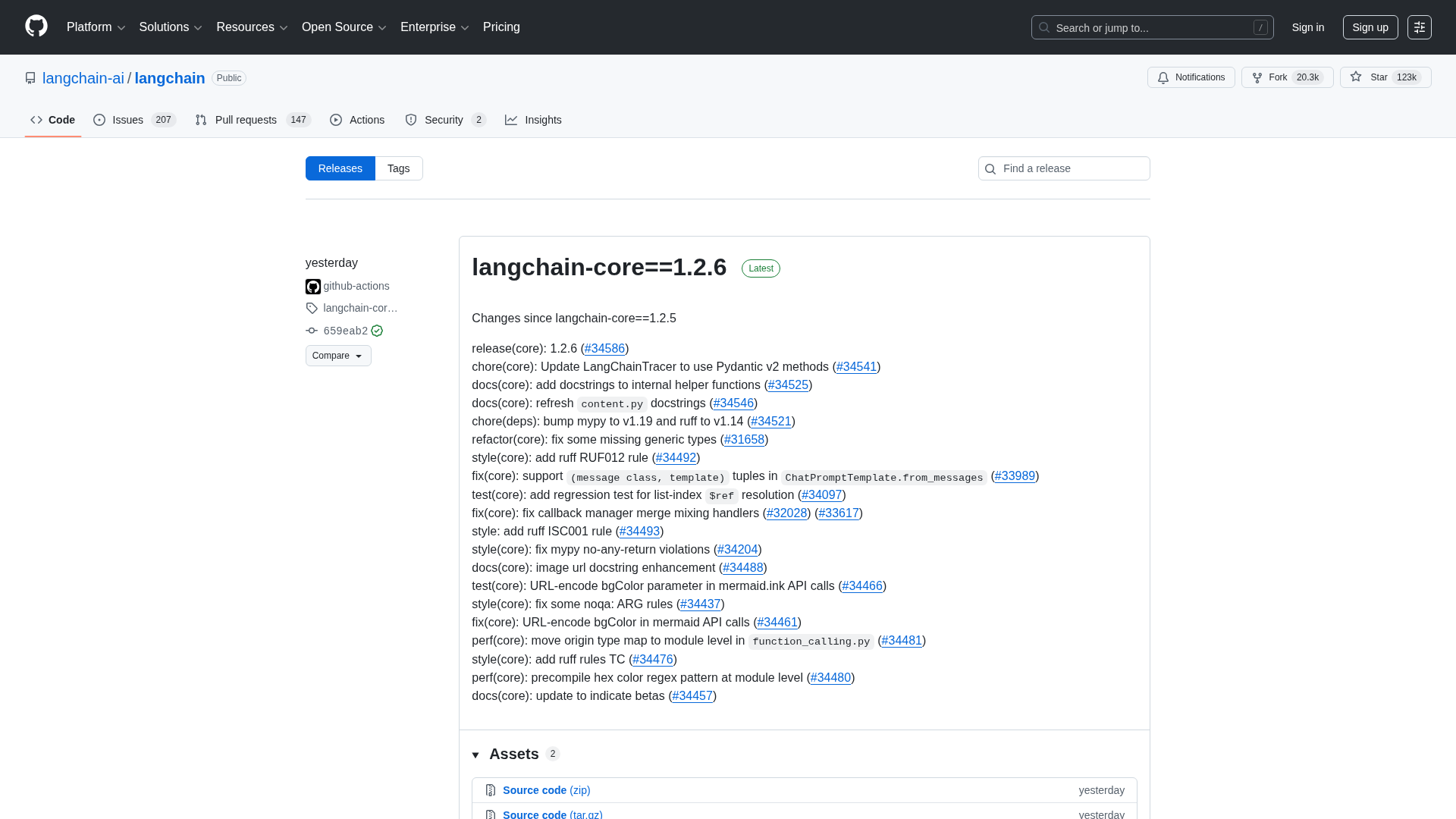
A comprehensive LangChain releases roundup detailing Core 1.2.6 and interconnected updates across XAI, OpenAI, Classic, and tests.
A reproducible bug where LangGraph with Gemini ignores tool results when a PDF is provided, even though the tool call succeeds.
A CLI tool to pull LangSmith traces and threads directly into your terminal for fast debugging and automation.