Topic Overview
Multi-agent orchestration frameworks coordinate multiple LLM-powered components— planners, retrievers, tool executors and monitors—into goal-directed workflows. This topic covers the spectrum from developer-first SDKs to no-code builders and marketplaces, and why those choices matter for production deployments as of 2026-05-02. Developer platforms like LangChain provide standard SDKs, testing hooks and deployment primitives for building reliable agents and composing complex automation. Open, self-hostable projects such as AutoGPT focus on autonomous, long-running workflows, while in-browser/no-code platforms like AgentGPT and Tate-A-Tate lower the barrier to entry by letting users launch goal-based agents with templates or visual builders. LlamaIndex specializes in document-centric agents and retrieval-augmented generation (RAG), an increasingly common pattern for grounding agent behavior in enterprise data. Tooling around agent development is converging: AI-native IDEs and agent platforms (Replit, Windsurf) embed agent workflows into developer loops; quality-first tools (Qodo) and automated test agents (Qagent) address testability and SDLC governance; Copilot-style assistants and agentic workflows are being integrated into coding and CI environments. Meanwhile, marketplaces and agent registries are emerging to enable discovery, composability and reuse of agent components. Key trade-offs include developer control versus usability, self-hosting versus managed operations, and the need for observability, safety, and governance as agents act autonomously. Emerging frameworks such as AgentTeam and JiuwenClaw aim to fill gaps around team-oriented orchestration and orchestration policies, but teams must evaluate interoperability, model heterogeneity, and production readiness when choosing a stack.
Tool Rankings – Top 6

An open-source framework and platform to build, observe, and deploy reliable AI agents.

Platform to build, deploy and run autonomous AI agents and automation workflows (self-hosted or cloud-hosted).

A browser-based platform to create and deploy autonomous AI agents with simple goals.

Developer-focused platform to build AI document agents, orchestrate workflows, and scale RAG across enterprises.

AI-powered online IDE and platform to build, host, and ship apps quickly.

AI-native IDE and agentic coding platform (Windsurf Editor) with Cascade agents, live previews, and multi-model support.
Latest Articles (71)
A missing page reveals Tate-A-Tate’s broad AI tools, integrations, and developer-focused capabilities.
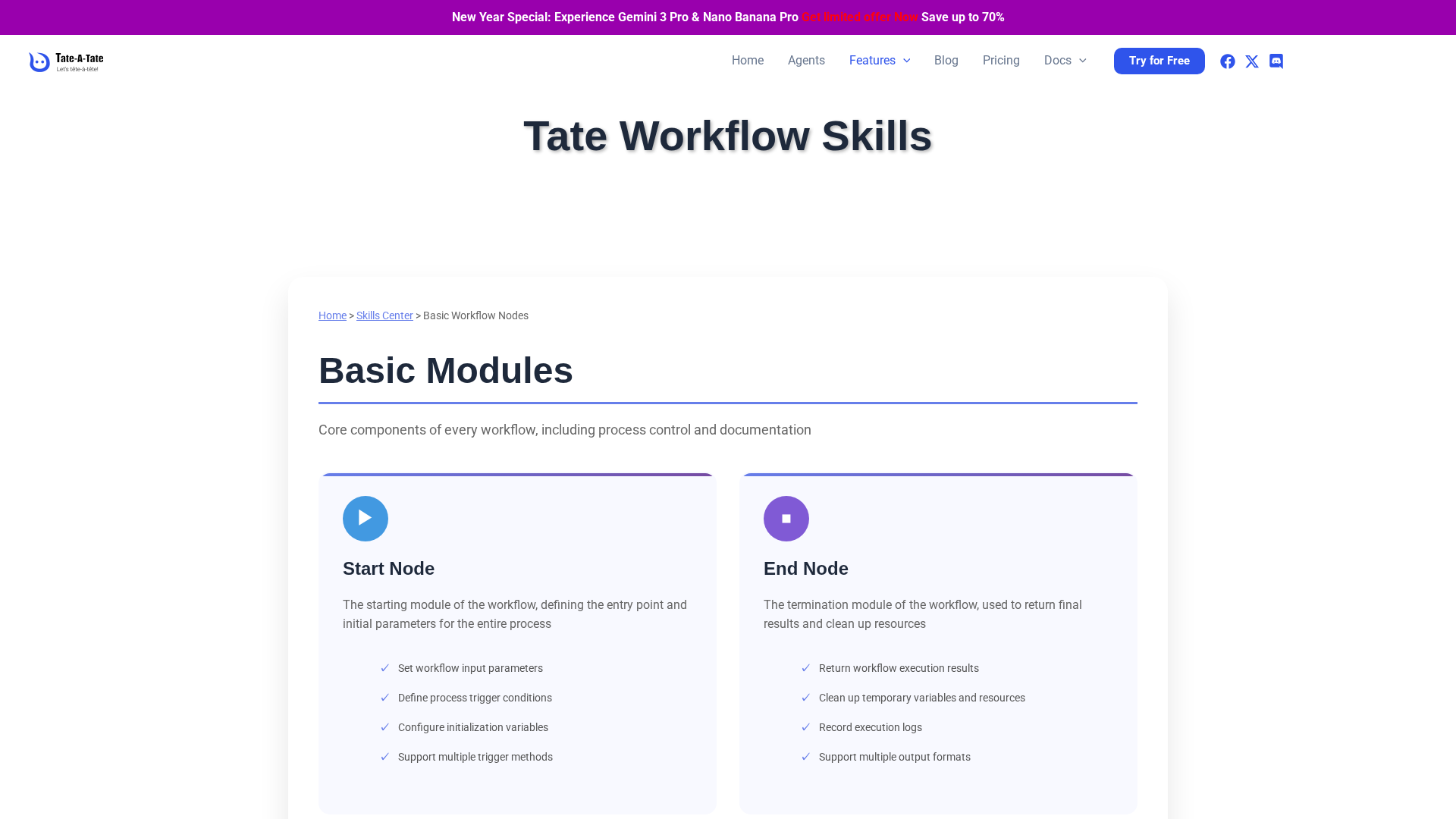
A concise guide to Tate's Basic Workflow Nodes and AI modules for building intelligent workflows.
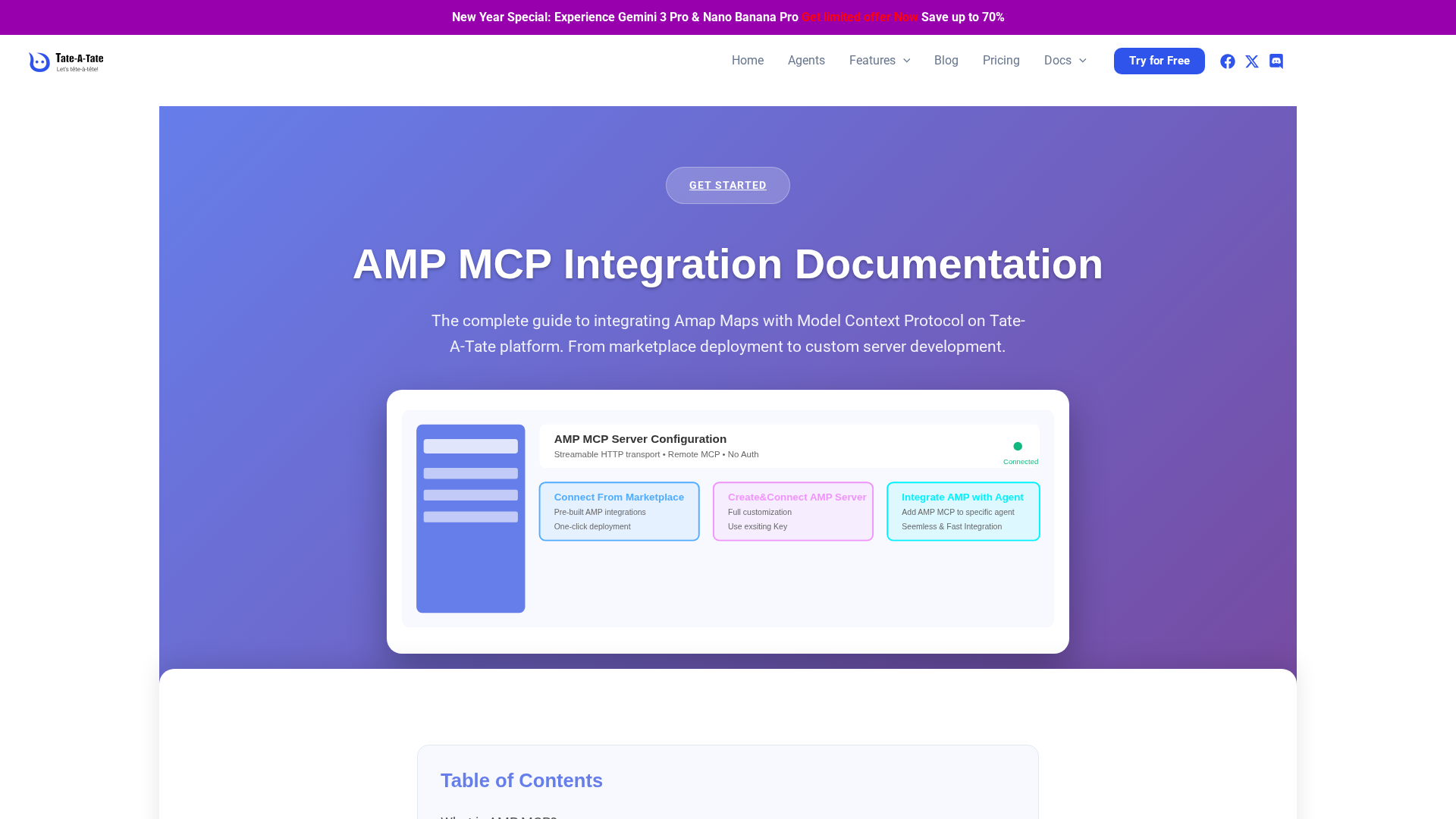
A practical, dual-path guide to integrating AMP MCP with Tate-A-Tate, via marketplace deployment or custom servers.
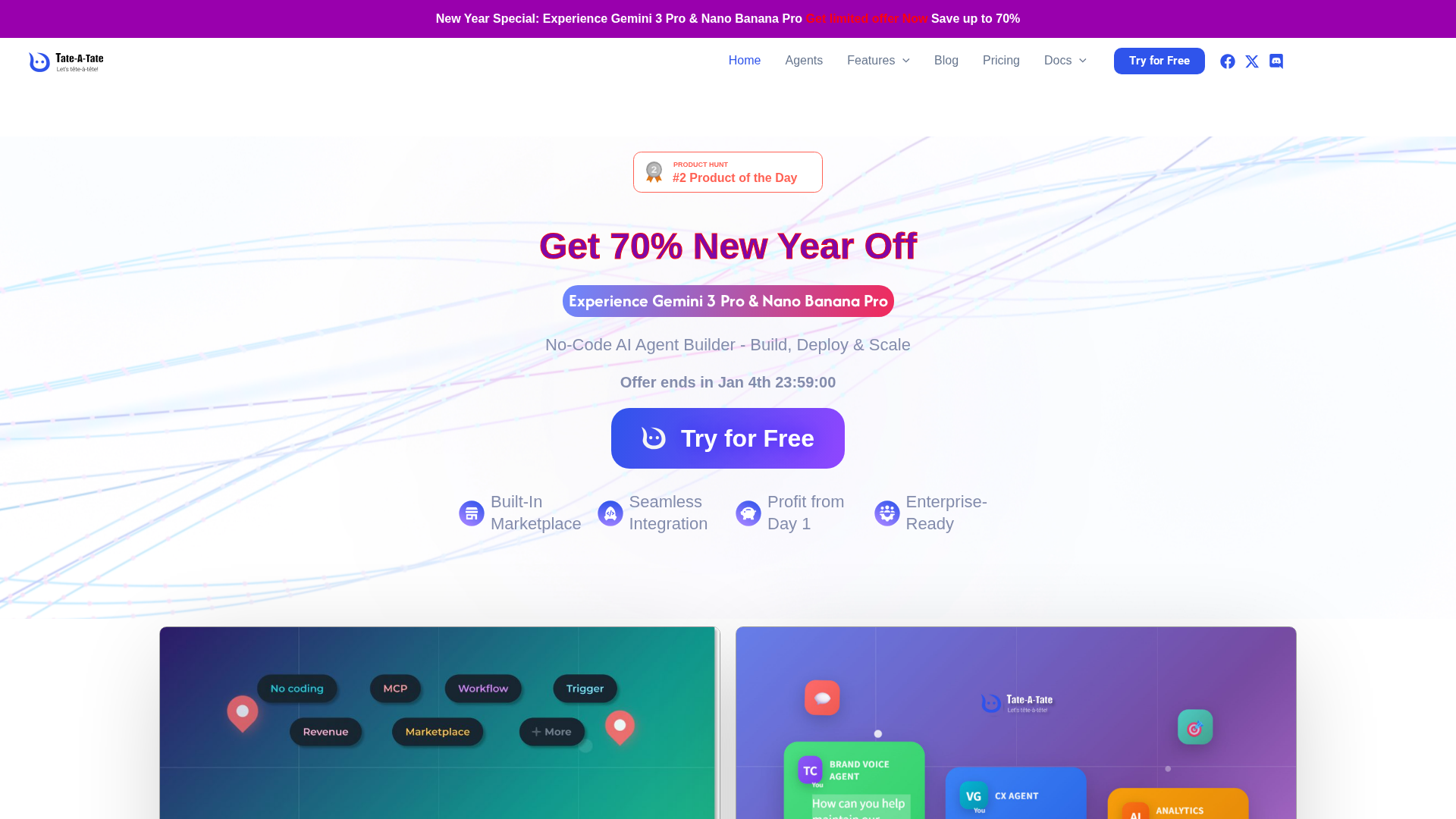
Promotional guide to Tate-A-Tate's no-code AI agent builder with a 70% New Year discount and deployment tutorials.
A clear, enterprise-focused comparison showing why Tate outshines Gumloop in AI automation.