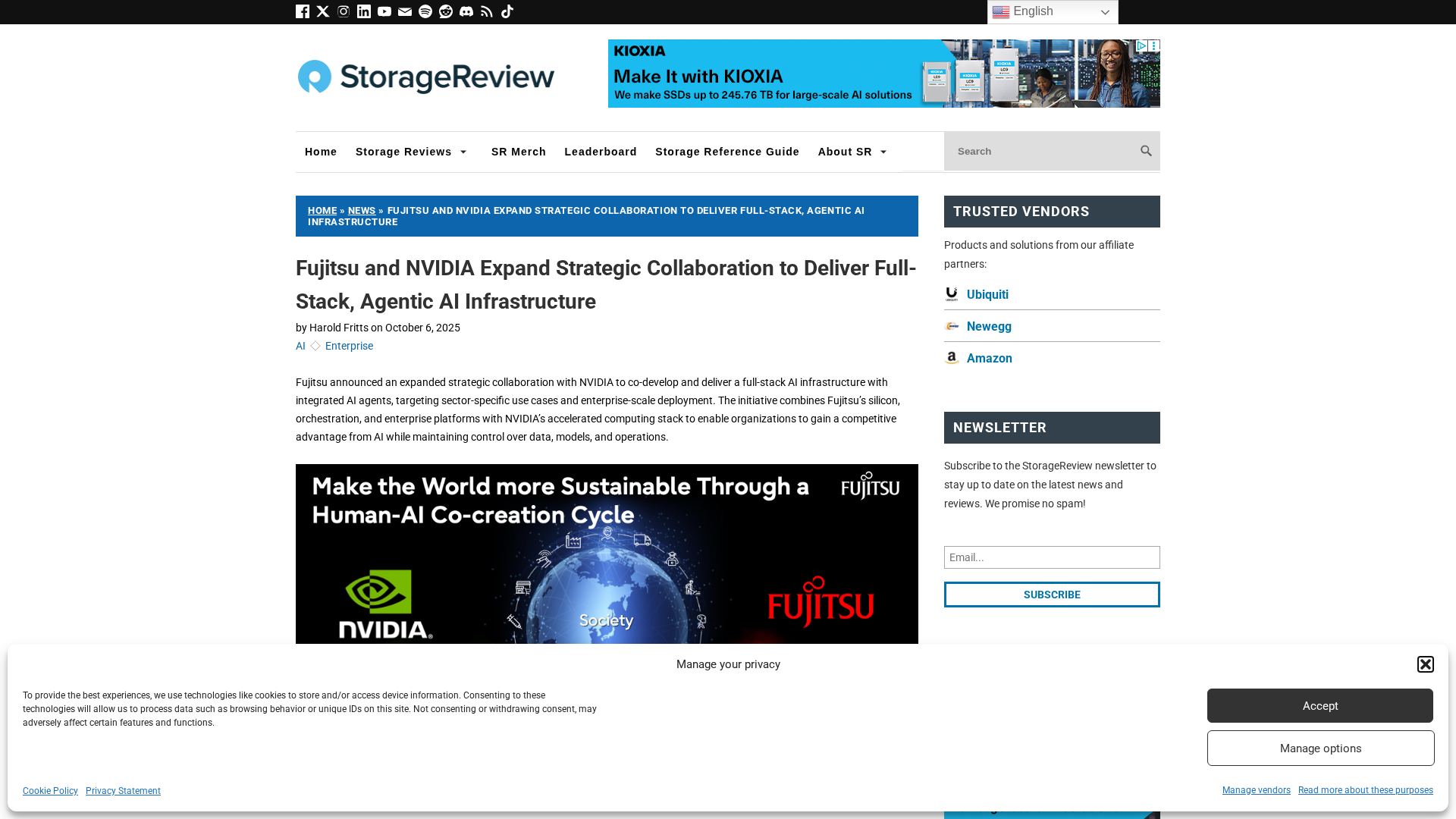
Topic Overview
Multi‑agent orchestration platforms coordinate multiple specialized AI components—chat, retrieval, planning, domain tools, and voice—into end‑to‑end workflows. As of 2026, this space splits between enterprise orchestration offerings such as Fujitsu’s Multi‑AI Agents and a growing set of open and commercial frameworks that emphasize developer SDKs, low‑code builders, runtime observability, and scalable inference. Fujitsu’s Multi‑AI Agents represents the enterprise side of orchestration: focused on integrating heterogeneous models, on‑prem/cloud deployments, and operational controls for regulated environments. Complementary and competing options include LangChain (developer‑first SDKs and deployment tooling for building reliable LLM agents), IBM watsonx Assistant (enterprise virtual agents with no‑code and developer modes for multi‑agent automation), and StackAI (end‑to‑end low‑code/no‑code governance and deployment for business automation). Replit and PolyAI target fast prototyping and specialized delivery—Replit with a web‑native IDE and hosted agents for app builders, PolyAI with voice‑first agents for contact centers. Tektonic AI highlights a hybrid approach that blends neural and symbolic reasoning for predictable business processes, while Together AI addresses the operational need for efficient fine‑tuning and serverless inference at scale. Key market drivers include demand for composability (marketplaces and reusable agent components), governance and observability for multi‑model workflows, cost‑sensitive inference and fine‑tuning, and low‑code interfaces that broaden adoption beyond ML teams. Organizations choosing between Fujitsu’s integrated enterprise orchestration and emerging frameworks should weigh integration, compliance, lifecycle tooling, and the need for hybrid reasoning or specialized interfaces (voice, contact center, developer IDEs) when designing production agent architectures.
Tool Rankings – Top 6

An open-source framework and platform to build, observe, and deploy reliable AI agents.

Enterprise virtual agents and AI assistants built with watsonx LLMs for no-code and developer-driven automation.

End-to-end no-code/low-code enterprise platform for building, deploying, and governing AI agents that automate work onun

AI-powered online IDE and platform to build, host, and ship apps quickly.

AI agents and a service layer blending neural and symbolic reasoning to automate enterprise processes; flagship PrepMe:

A full-stack AI acceleration cloud for fast inference, fine-tuning, and scalable GPU training.
Latest Articles (88)
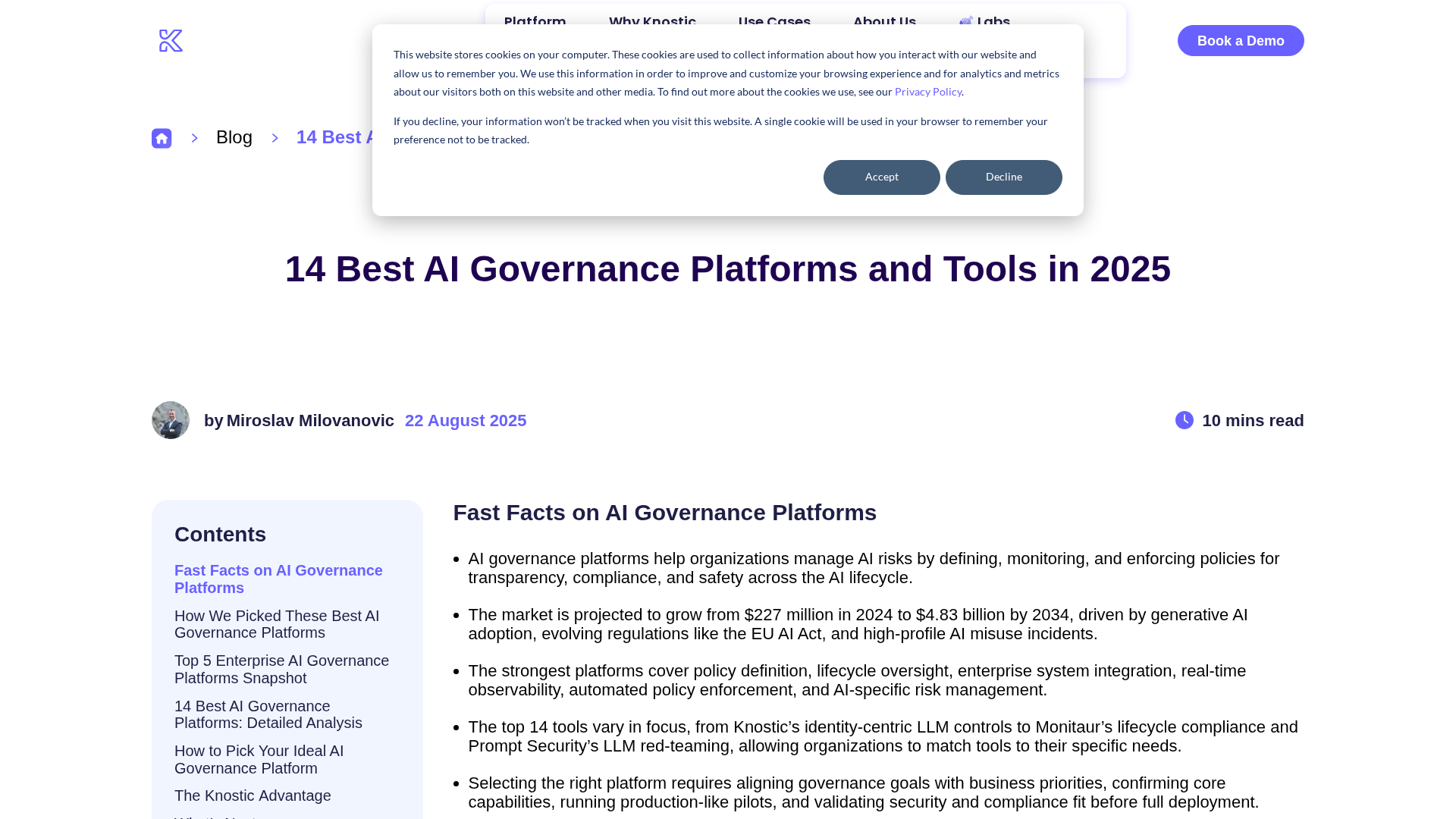
A vendor‑agnostic guide to the 14 best AI governance platforms in 2025, with criteria, comparisons, and practical buying guidance.

Baseten launches an AI training platform to compete with hyperscalers, promising simpler, more transparent ML workflows.
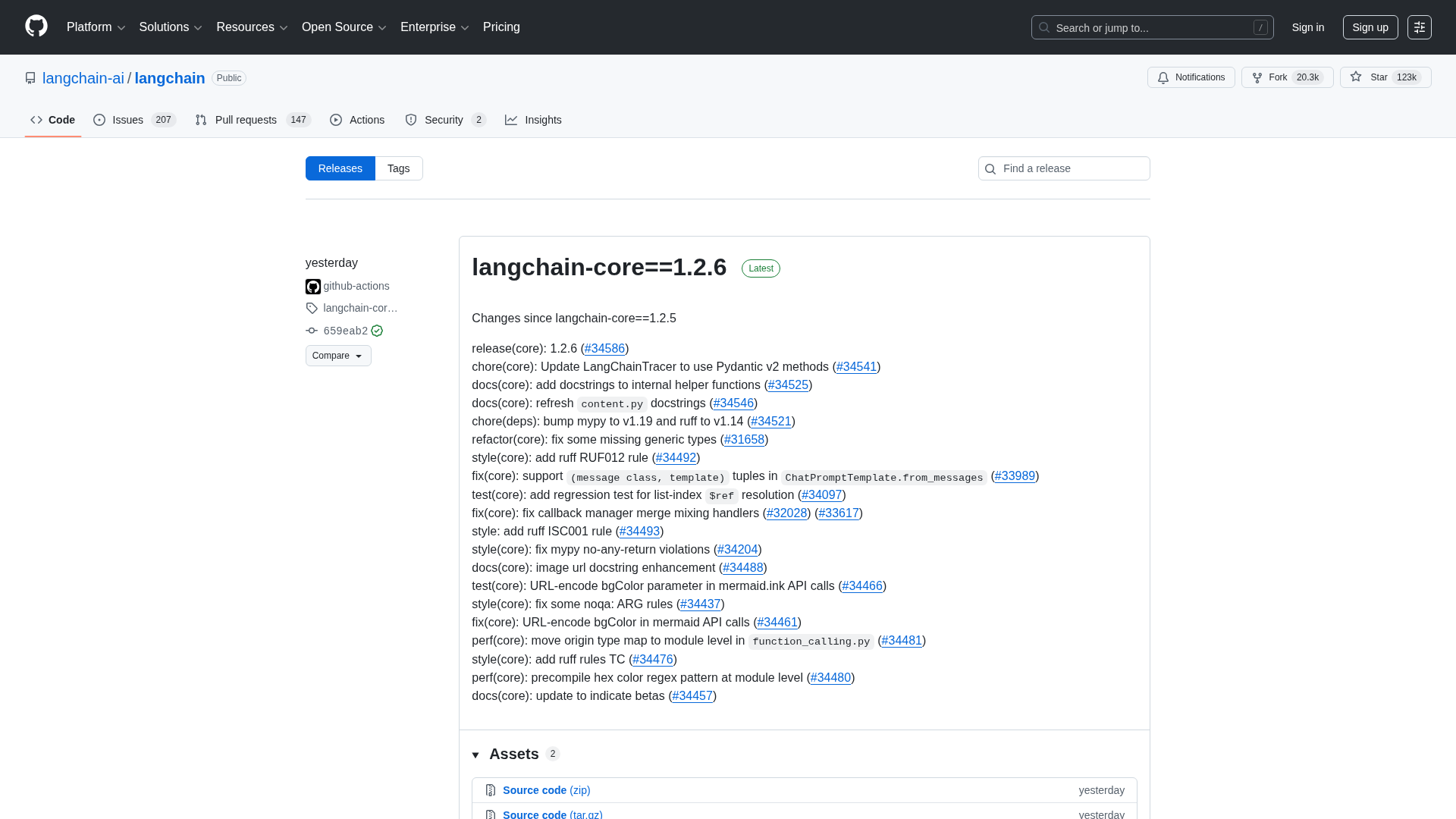
A comprehensive LangChain releases roundup detailing Core 1.2.6 and interconnected updates across XAI, OpenAI, Classic, and tests.
A reproducible bug where LangGraph with Gemini ignores tool results when a PDF is provided, even though the tool call succeeds.
A CLI tool to pull LangSmith traces and threads directly into your terminal for fast debugging and automation.