Topic Overview
This topic examines how multimodal vision and intent-aware computing APIs—exemplified by Google’s Gemini family—are being used to build interfaces that combine visual input, natural language, and agentic workflows across cloud and edge environments. It’s timely as of 2026 because production deployments increasingly require models that handle images/video plus text, run inference at the edge for latency and privacy, and integrate with agent frameworks and data platforms for observability and governance. Google Gemini provides a multimodal stack (models, developer APIs, AI Studio and Vertex AI integrations) aimed at combining vision and language capabilities into application APIs. Competitors and complementary tools span categories: Edge AI Vision Platforms such as Gather AI couple onboard and drone-mounted computer vision with continuous digitization of physical sites; agent frameworks like LangChain and platforms such as Kore.ai support building, orchestrating and governing multi-agent workflows that convert multimodal inputs into intent-driven actions. Infrastructure vendors—Xilos and GPTConsole—focus on agentic orchestration, observability, memory and lifecycle management for production agents. Developer productivity and workplace integration are represented by GitHub Copilot (code and agent workflows) and Notion (knowledge, automation and multimodal content in a single workspace). Key trends include: standardized multimodal APIs and embeddings for fused vision-language representations; edge/cloud hybrid deployments to meet latency and privacy constraints; agent orchestration and observability as first-class requirements; and tighter integration between vision pipelines and downstream data platforms for labeling, retraining and compliance. Understanding these tool categories and their trade-offs—model fidelity vs. edge efficiency, orchestration vs. point solutions, and data governance—helps engineering and product teams choose architectures for intent-aware, multimodal applications.
Tool Rankings – Top 6

Google’s multimodal family of generative AI models and APIs for developers and enterprises.

AI-driven intralogistics platform using autonomous drones and computer vision to digitize warehouses and provide real‑t

An open-source framework and platform to build, observe, and deploy reliable AI agents.

Enterprise AI agent platform for building, deploying and orchestrating multi-agent workflows with governance, observabil
Intelligent Agentic AI Infrastructure

An AI pair programmer that gives code completions, chat help, and autonomous agent workflows across editors, theterminal
Latest Articles (59)
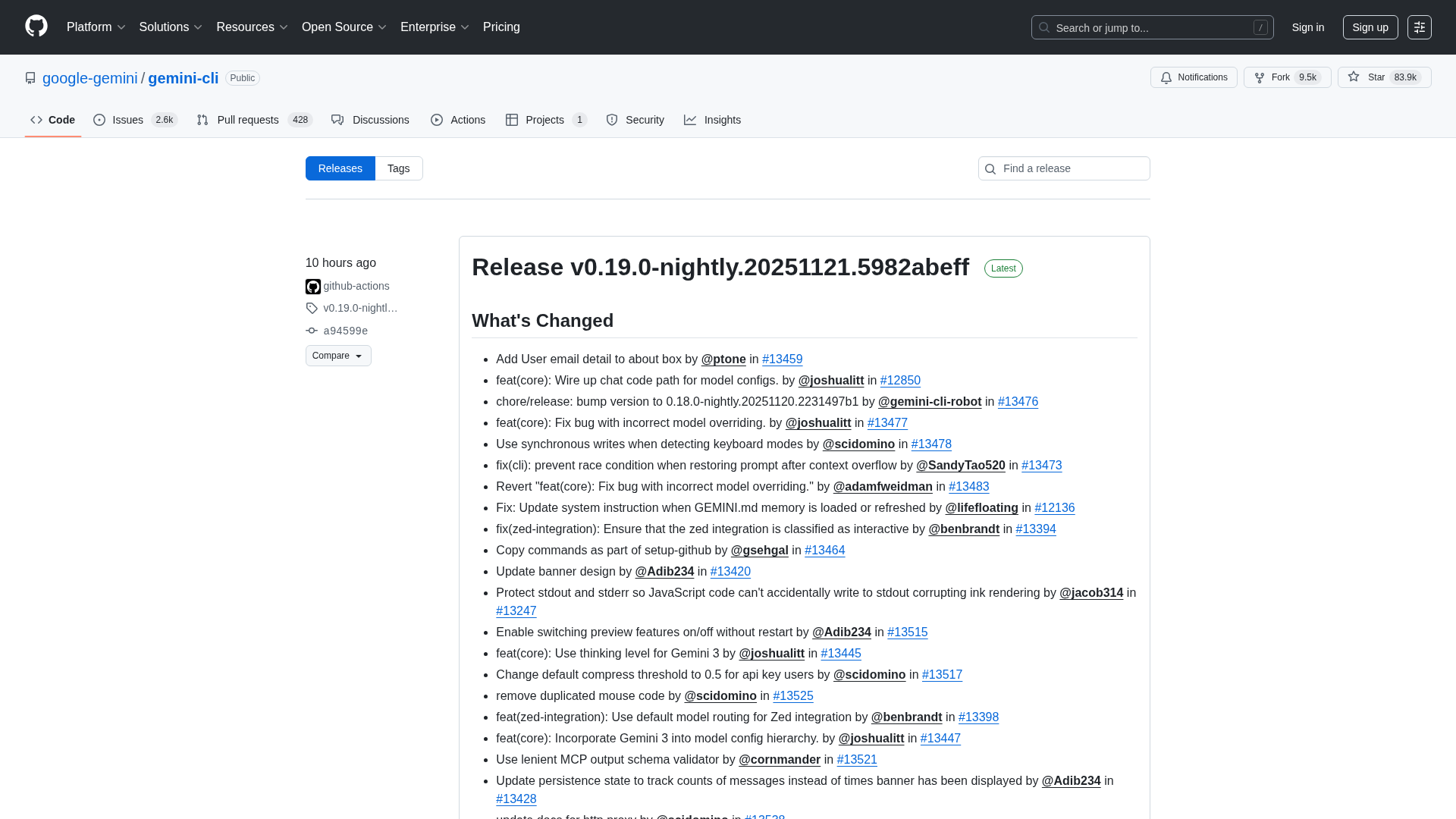
Overview of the Gemini CLI v0.36.0-preview release series, highlighting architectural, CLI, and UI changelogs across multiple pre-release versions.
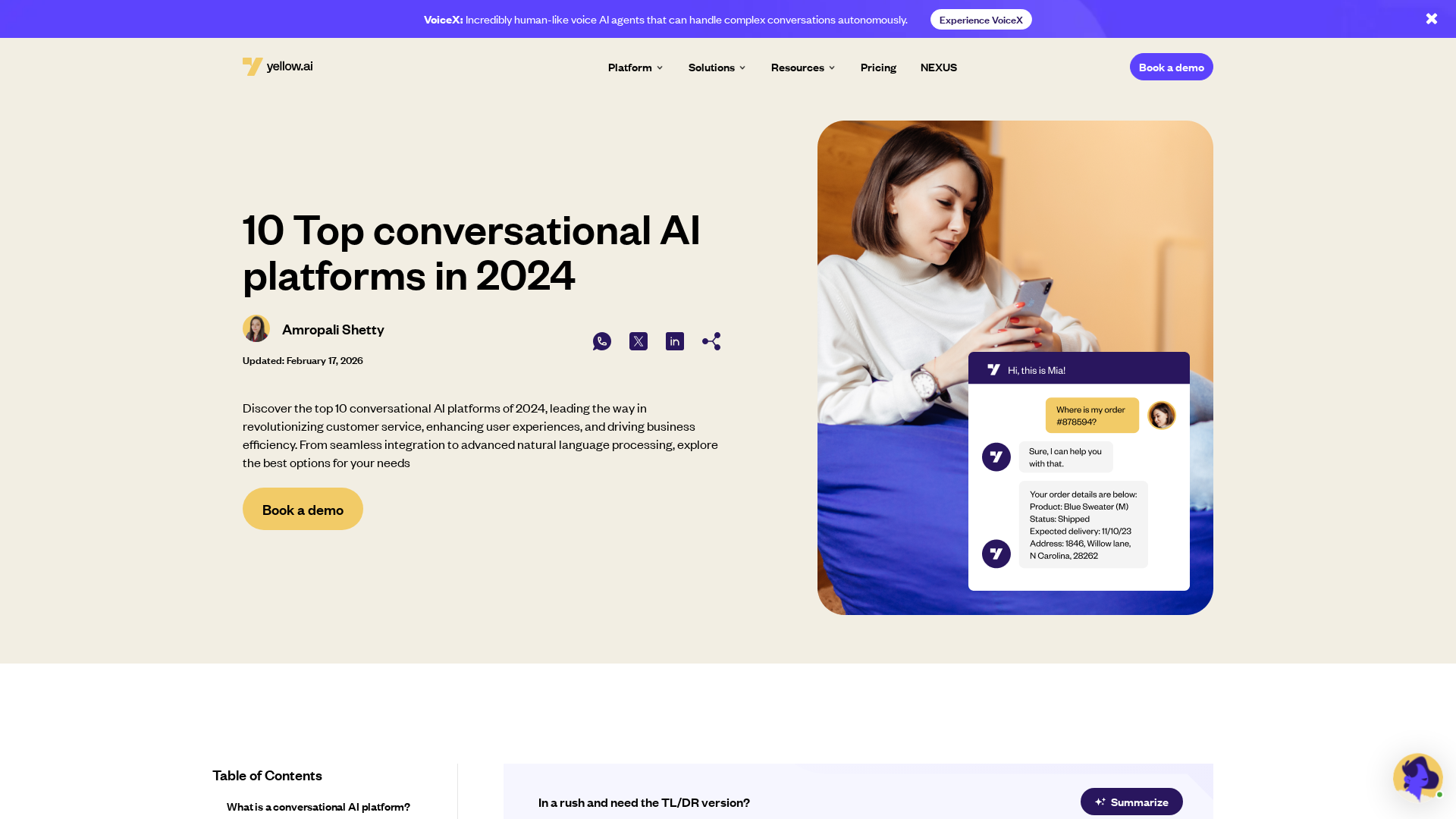
A concise guide to the top 10 conversational AI platforms in 2024, with features, benefits, and use cases.
OpenAI’s bypass moment underscores the need for governance that survives inevitable user bypass and hardens system controls.
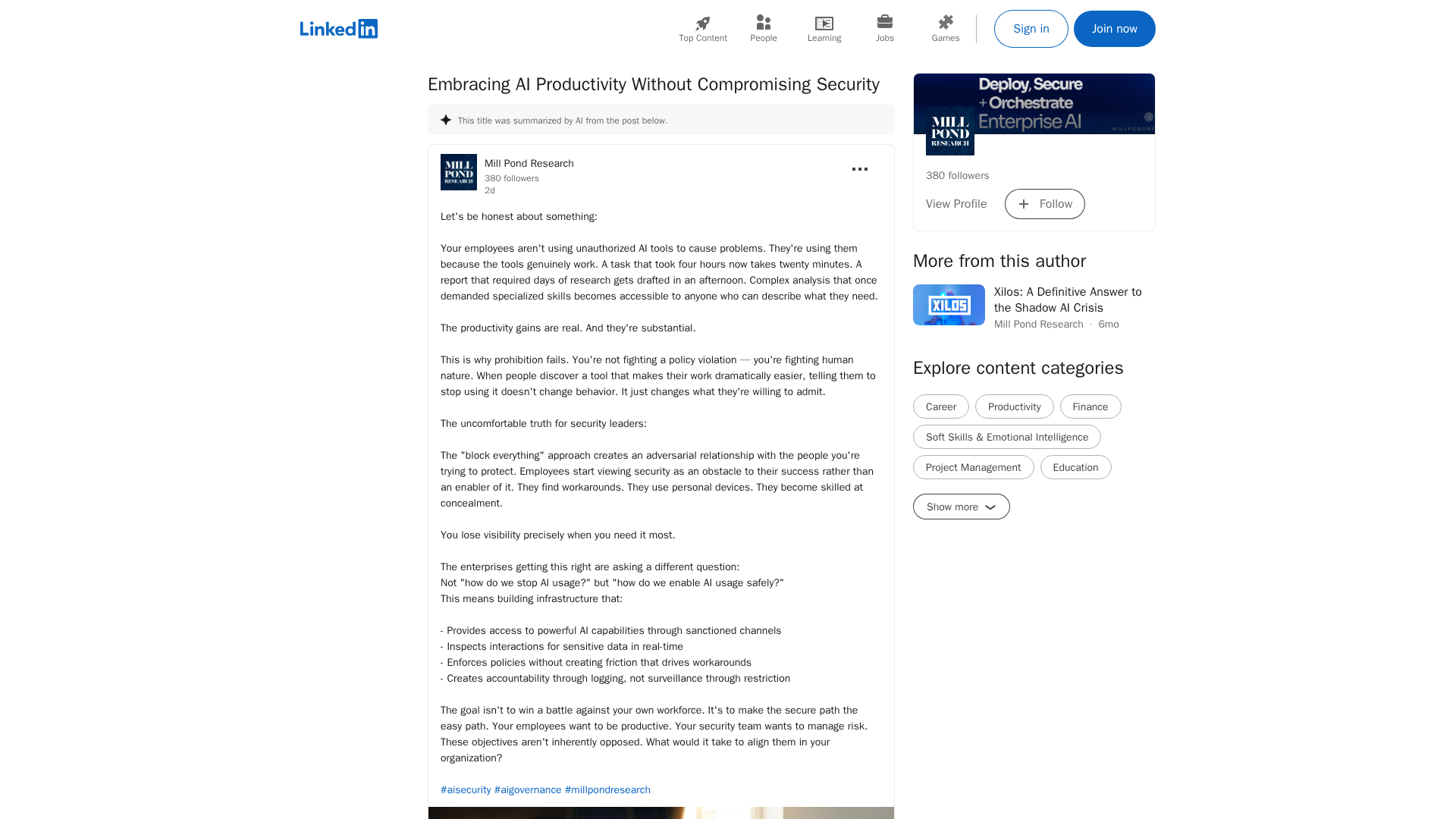
A call to enable safe AI use at work via sanctioned access, real-time data protections, and frictionless governance.
Explores the human role behind AI automation and how Bell Cyber tackles AI hallucinations in security operations.