
Topic Overview
This topic examines how on‑device conversational AI is being integrated into earbuds and other edge devices, and how designers and engineers should weigh latency, privacy, and user experience in 2026. Advances in edge NPUs, model quantization and hybrid edge/cloud architectures have made real‑time voice interaction feasible, but tradeoffs remain between local responsiveness, model capacity, and battery life. Key tool categories and examples illustrate today's landscape: Speech Typing and BlabbyAI demonstrate mature real‑time speech‑to‑text and dictation workflows (browser and extension delivery), enabling instant transcription and input into web apps. Smallest.ai’s Text‑to‑Speech focuses on hyper‑real, low‑latency TTS with voice cloning and emotion control—critical for natural replies in an earbud form factor. On the backend, platforms such as Stability AI provide multimodal generation APIs when richer context or media synthesis is needed, while StackAI offers no‑code/low‑code tooling for building, deploying and governing persistent personal assistants and enterprise agents. Practical comparisons therefore center on measurable criteria: round‑trip latency (turntaking and perceived naturalness), on‑device privacy guarantees versus cloud capability, energy and thermal constraints, speech recognition and TTS fidelity, and UX factors like interruption handling, spatial audio and multimodal fallbacks. Emerging patterns in 2026 favor hybrid designs—local models for wake words, privacy‑sensitive intents and low‑latency responses; cloud or enterprise models for heavy context, personalization, and governance. This topic synthesizes these trends to help practitioners evaluate tradeoffs and choose toolchains that match their latency, privacy, and user‑experience priorities.
Tool Rankings – Top 5
Voice to text with google speech recognition
Hyper-realistic AI voiceovers
Voice typing on any website

Enterprise-focused multimodal generative AI platform offering image, video, 3D, audio, and developer APIs.

End-to-end no-code/low-code enterprise platform for building, deploying, and governing AI agents that automate work onun
Latest Articles (15)
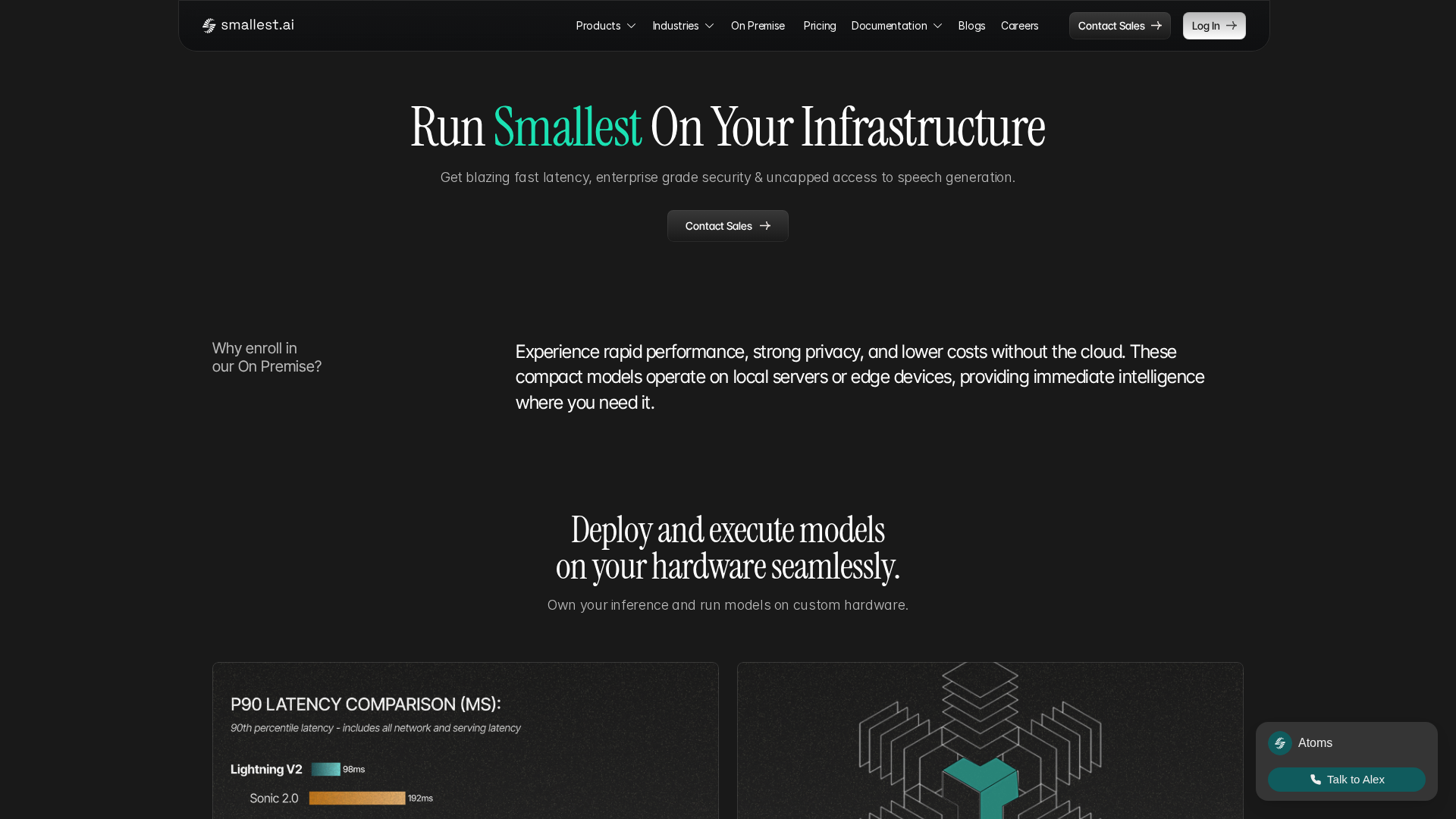
Ultra-fast, on-premise AI voice agents delivering secure, scalable enterprise speech solutions with rapid latency.
Real-time, full-duplex multimodal voice AI for enterprise contact centers with sub-300ms responses.
A browser extension delivering real-time, multilingual speech-to-text across any website with customizable output.
BlabbyAI offers a 99% accurate, auto-punctuating, browser-based voice typing alternative to Dragon NaturallySpeaking.
Real-time voice-to-text with automatic punctuation and mode-based formatting across Word and other Office apps.