Topic Overview
Real‑time multilingual voice AI refers to integrated systems that convert spoken language to text, interpret or translate it with large language or translation models, and synthesize natural speech back to listeners with minimal latency. By 2026‑05‑09, these stacks are widely used across contact centers, remote collaboration, field service and hiring workflows where live, cross‑language interactions matter. Key categories include Text‑to‑Speech tools, Voice Synthesis and Transcription, AI Translation, and Localization platforms. Market offerings illustrate common design choices and use cases: PolyAI focuses on voice‑first, omnichannel conversational agents for enterprise contact centers; TranslatorSage emphasizes near‑instant enterprise translation across 50+ languages and regional dialects; ZenCall.ai and Vocea deliver real‑time phone agents and voice assistants for call routing and appointment workflows; NaitivAI provides desktop real‑time translation and meeting transcripts; Talvin AI applies voice automation to recruitment screening. At the platform level, Google’s Gemini family and IBM watsonx provide developer APIs and enterprise assistants that teams use to build low‑latency multimodal pipelines. Current trends include tighter STT→LLM→TTS orchestration, broader dialect coverage, and hybrid cloud/on‑device deployments to reduce latency and meet privacy requirements. Practical tradeoffs remain: accuracy across accents and low‑resource languages, latency vs. fidelity, regulatory and voice‑consent concerns, and integration with localization/versioning workflows. For buyers, decisions center on language coverage, real‑time SLAs, on‑prem or edge capabilities, and how easily the system outputs connect to translation/localization pipelines. This topic is timely because real‑time multilingual voice AI is moving from pilots into operational deployments that demand predictable performance and governance.
Tool Rankings – Top 6

Voice-first conversational AI for enterprise contact centers, delivering lifelike multilingual agents across voice, chat
AI Voice Assistant for Service Providers
AI-Powered multilingual solutions for business communication
Real time AI Voice Translator

AI-powered phone agents that answer, route, and manage calls in real time (speech-to-text + LLM + text-to-speech).

Put your interviews on autopilot with AI recruiters
Latest Articles (67)
Redirects to the Naitiv AI download page for software installation.
A vendor‑agnostic guide to the 14 best AI governance platforms in 2025, with criteria, comparisons, and practical buying guidance.
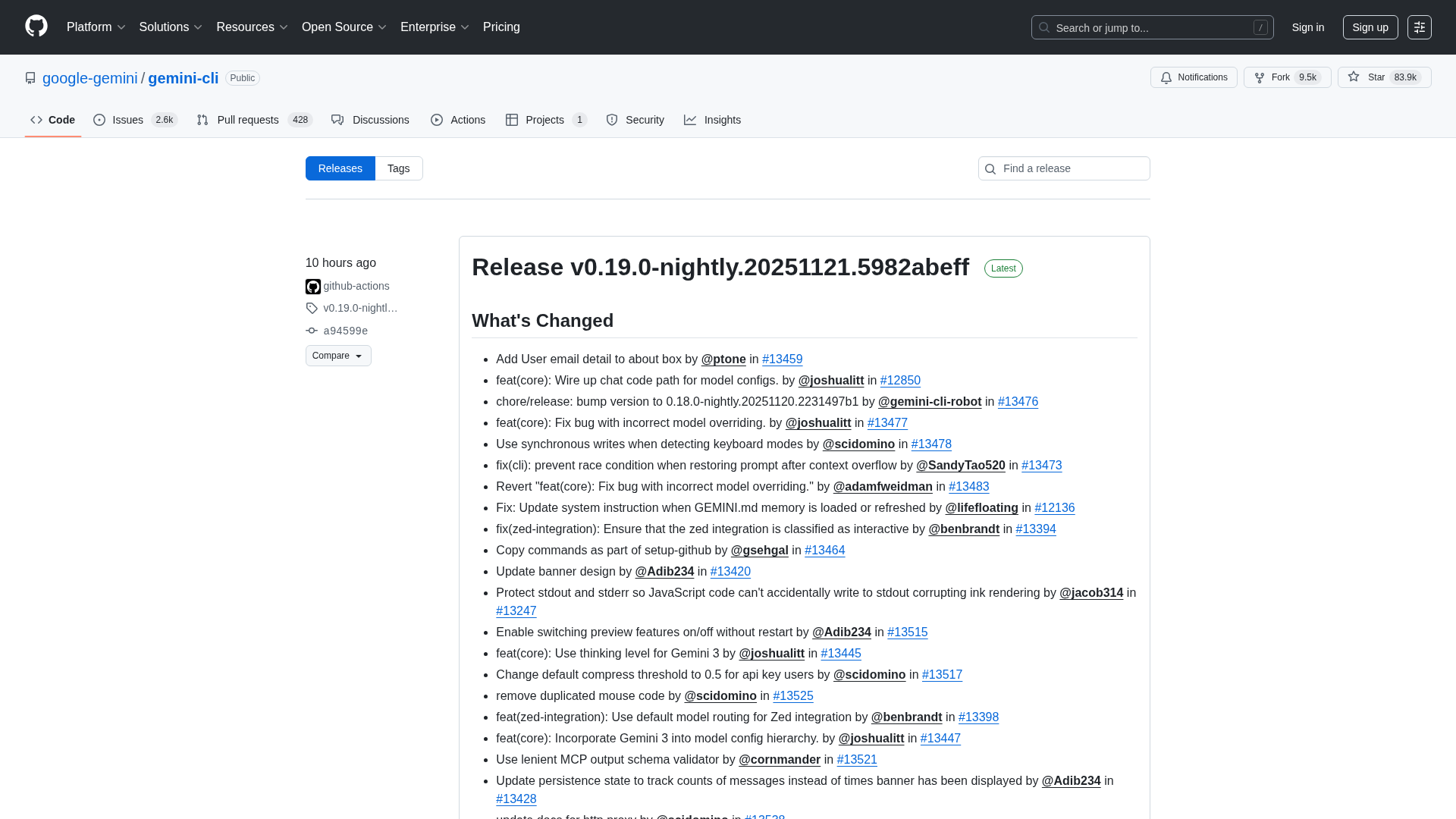
Overview of the Gemini CLI v0.36.0-preview release series, highlighting architectural, CLI, and UI changelogs across multiple pre-release versions.
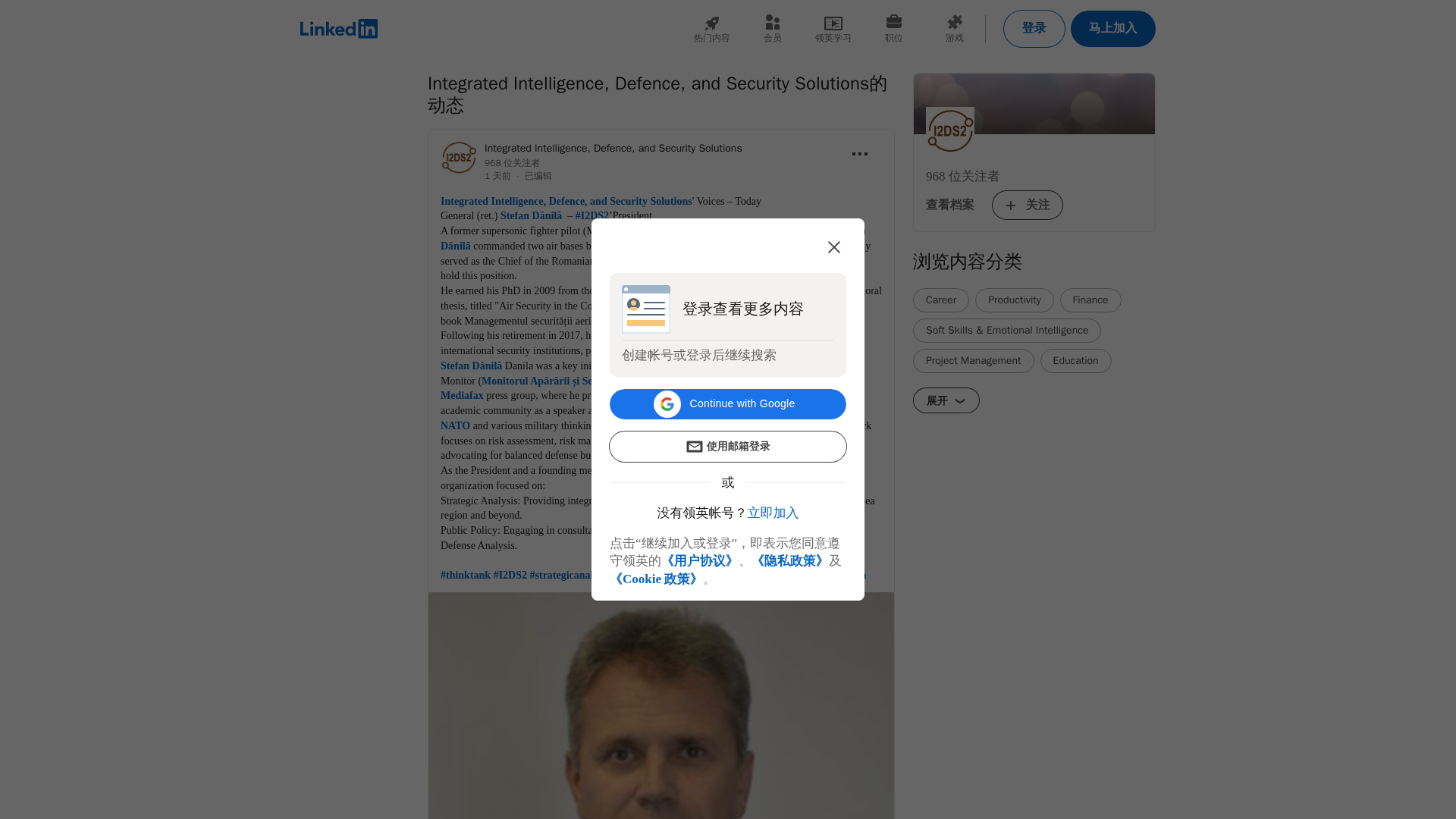
Profile of General (ret.) Stefan Dănilă, founder of I2DS2, and the thinktank’s mission to shape integrated security for the Black Sea.
Trei provocări comune pentru HRBP la început de drum și soluțiile pentru a-ți mări impactul în companii tech.