Topic Overview
This topic covers the tools, workflows, and governance practices needed to produce licensed‑character and IP‑safe content with generative AI — the “OpenAI‑Disney” style use case where brands, studios, and partners must protect rights, likenesses, and creative control. As of late 2025, organizations are prioritizing private/custom models, rights‑cleared data sources, provenance tracking, and deployment controls to meet legal, brand‑safety, and regulatory requirements. Key tool categories include rights‑cleared data platforms and AI tool marketplaces (for licensed training assets and vetted models), generative image and video tools (for multimodal assets), and enterprise LLM/agent platforms that enable controlled, auditable production workflows. Representative platforms from the market illustrate these roles: Cohere and Google Gemini offer private, customizable LLMs and multimodal APIs for fine‑tuning on licensed material; IBM watsonx Assistant, Kore.ai, and Yellow.ai provide enterprise agent frameworks and multi‑agent orchestration for production workflows and approvals; Claude (Anthropic) is used for conversational and developer‑oriented assistants that can enforce policy constraints; Harvey delivers domain‑specific workflows useful for contract, rights, and legal review; Notion and ThinkForce support collaborative creative workflows, knowledge capture, and handoffs between legal, brand, and creative teams. Successful IP‑safe pipelines combine rights‑cleared datasets, model customization with strict guardrails, provenance/watermarking, human review gates, and marketplace/legal workflows for licensing and revenue share. This topic is timely because heightened regulatory scrutiny, brand risk awareness, and maturing multimodal models now make auditable, contract‑aware generative pipelines a practical requirement rather than an optional capability.
Tool Rankings – Top 6

Enterprise virtual agents and AI assistants built with watsonx LLMs for no-code and developer-driven automation.

Enterprise-focused LLM platform offering private, customizable models, embeddings, retrieval, and search.
Anthropic's Claude family: conversational and developer AI assistants for research, writing, code, and analysis.

Google’s multimodal family of generative AI models and APIs for developers and enterprises.

Enterprise AI agent platform for building, deploying and orchestrating multi-agent workflows with governance, observabil

Enterprise agentic AI platform for CX and EX automation, building autonomous, human-like agents across channels.
Latest Articles (111)
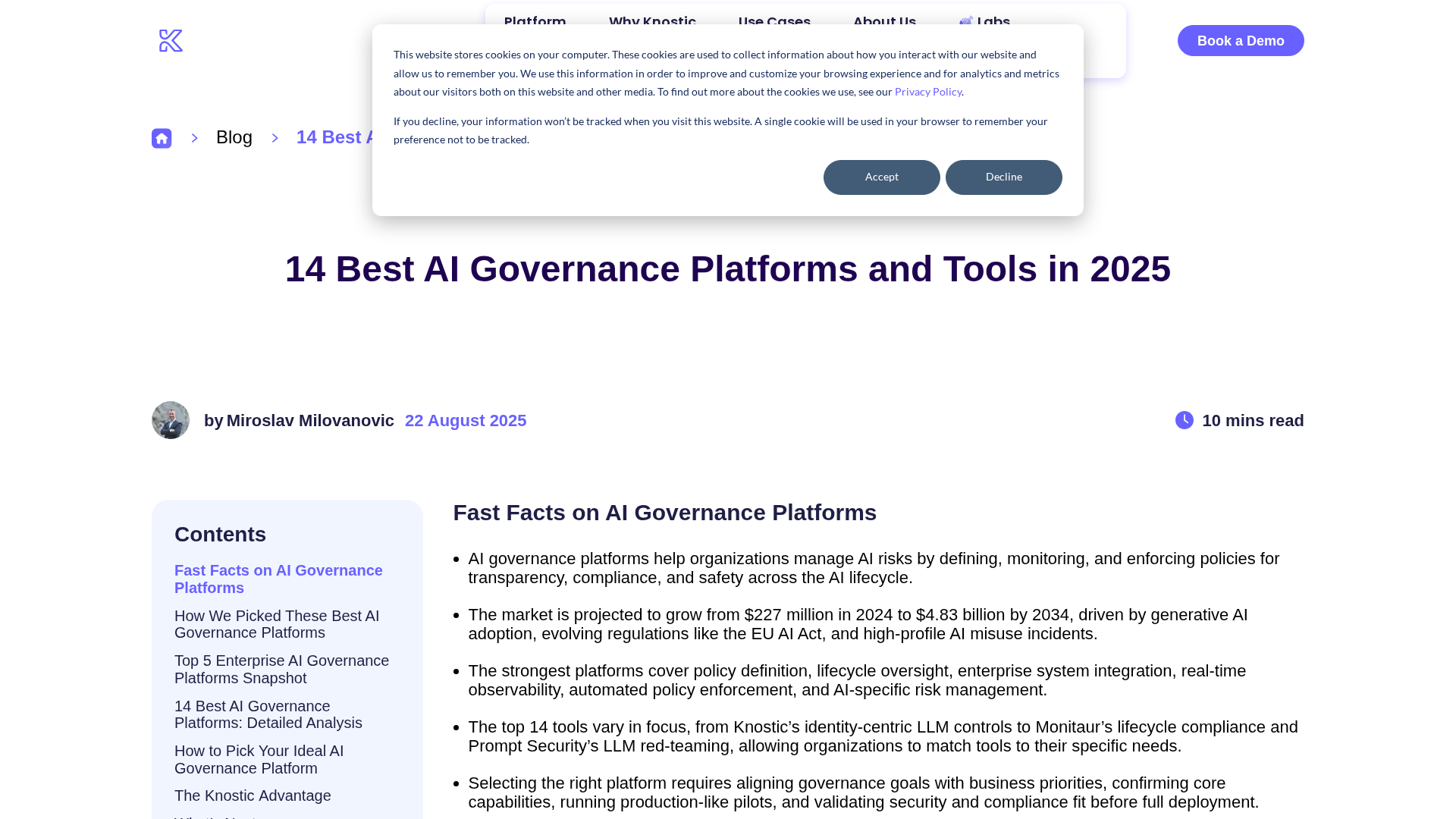
A vendor‑agnostic guide to the 14 best AI governance platforms in 2025, with criteria, comparisons, and practical buying guidance.
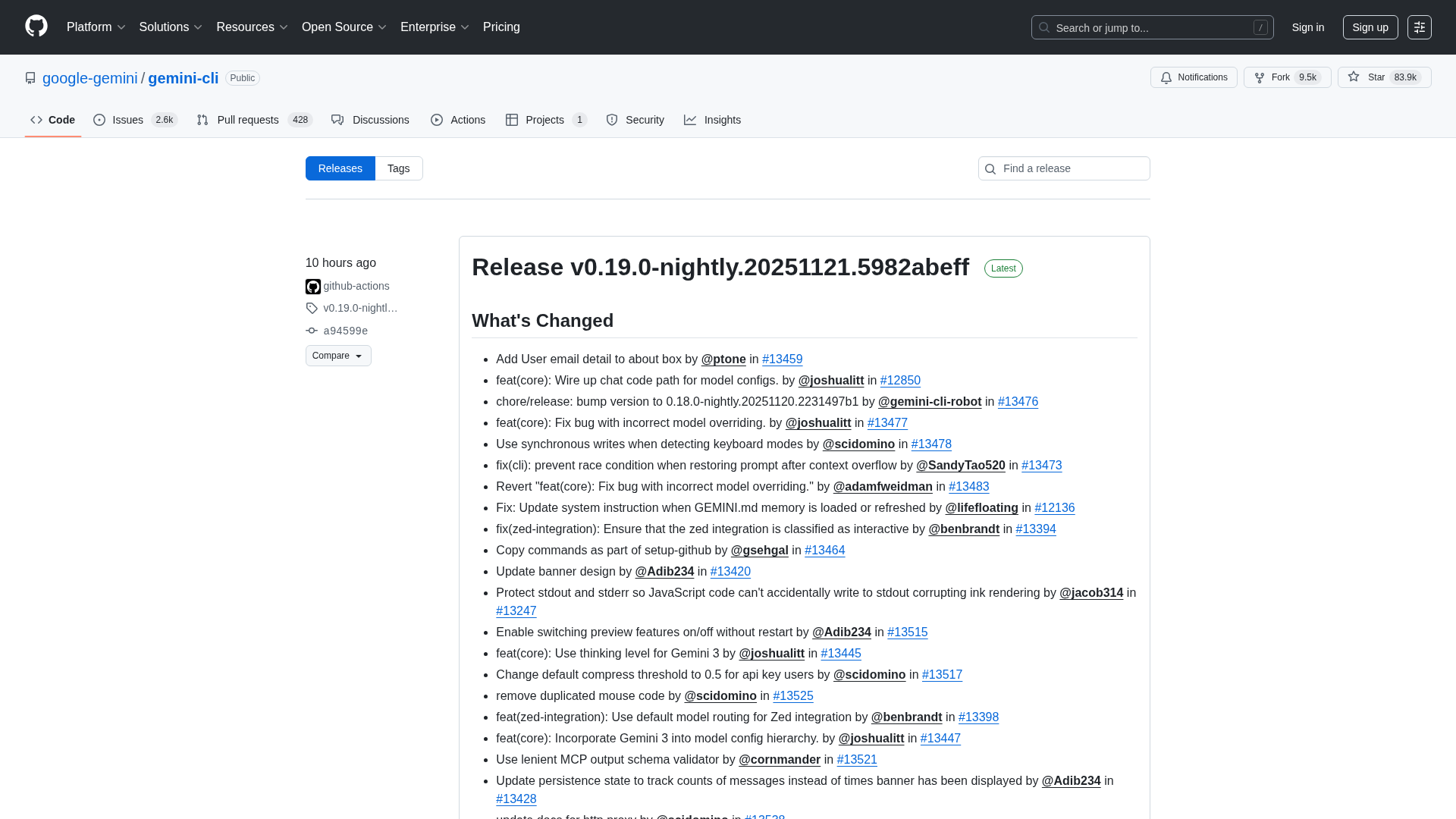
Overview of the Gemini CLI v0.36.0-preview release series, highlighting architectural, CLI, and UI changelogs across multiple pre-release versions.
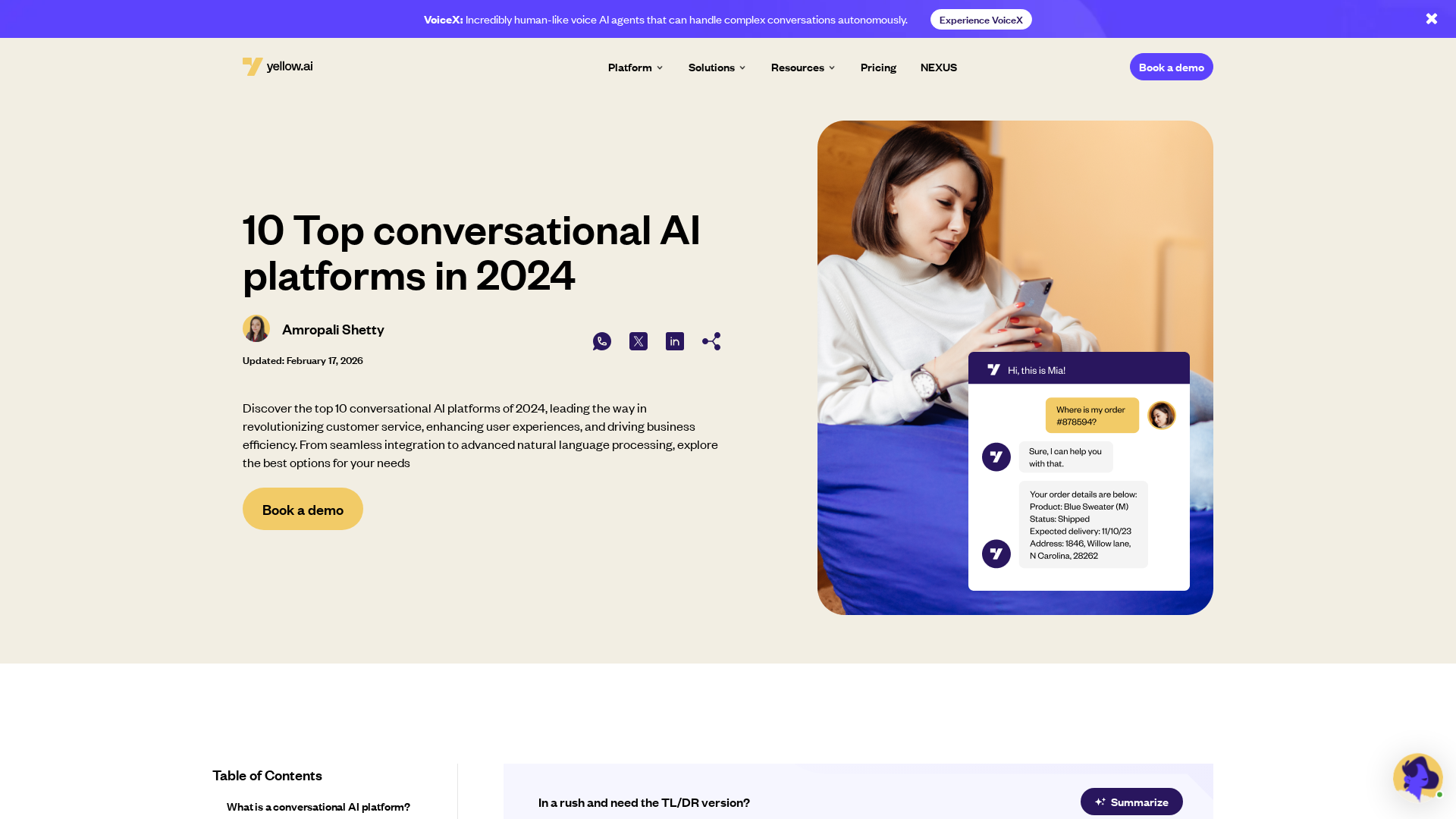
A concise guide to the top 10 conversational AI platforms in 2024, with features, benefits, and use cases.
In-depth look at Gemini 3 Pro benchmarks across reasoning, math, multimodal, and agentic capabilities with implications for building AI agents.

Adobe nears a $19 billion deal to acquire Semrush, expanding its marketing software capabilities, according to WSJ reports.