Topic Overview
Vision‑language models (VLMs) combine visual perception and natural‑language understanding to support coding, multimodal reasoning and real‑world vision workflows. In practice these models can translate UI screenshots into code, explain and debug visual test failures, answer questions about diagrams, and drive autonomous vision pipelines at the edge. As of 2026 this convergence matters because models are more capable, inference is increasingly deployed outside data centers, and developer tooling is integrating multimodal inputs across the software lifecycle. Key tools span cloud models, developer frameworks, IDE assistants and edge platforms. Google Gemini provides multimodal generative APIs and managed infrastructure for building VLM‑enabled apps; LangChain offers composability and orchestration primitives for chaining vision and language steps into agents and pipelines; IBM watsonx Assistant targets enterprise assistants and orchestrations for business workflows; GitHub Copilot and JetBrains AI Assistant embed code generation, contextual explanations and refactorings directly into developer workflows; Replit combines an online IDE with AI agents for rapid prototyping and deployment; and edge offerings such as Gather AI illustrate domain‑specific vision deployments (autonomous drones, warehouse audits) where on‑device inference and computer vision are essential. Practically, VLMs shift workflows toward multimodal prompts, agent orchestration, and hybrid cloud/edge deployment for latency, privacy and cost reasons. Key concerns remain robustness, explainability and secure integration with CI/CD. For teams evaluating options across AI Code Assistants, AI Code Generation Tools and Edge AI Vision Platforms, the current trajectory favors modular stacks—cloud multimodal models plus agent frameworks and in‑IDE copilots—paired with edge runtimes where vision latency and privacy are required.
Tool Rankings – Top 6

Google’s multimodal family of generative AI models and APIs for developers and enterprises.

An open-source framework and platform to build, observe, and deploy reliable AI agents.

Enterprise virtual agents and AI assistants built with watsonx LLMs for no-code and developer-driven automation.

An AI pair programmer that gives code completions, chat help, and autonomous agent workflows across editors, theterminal
In‑IDE AI copilot for context-aware code generation, explanations, and refactorings.

AI-powered online IDE and platform to build, host, and ship apps quickly.
Latest Articles (54)
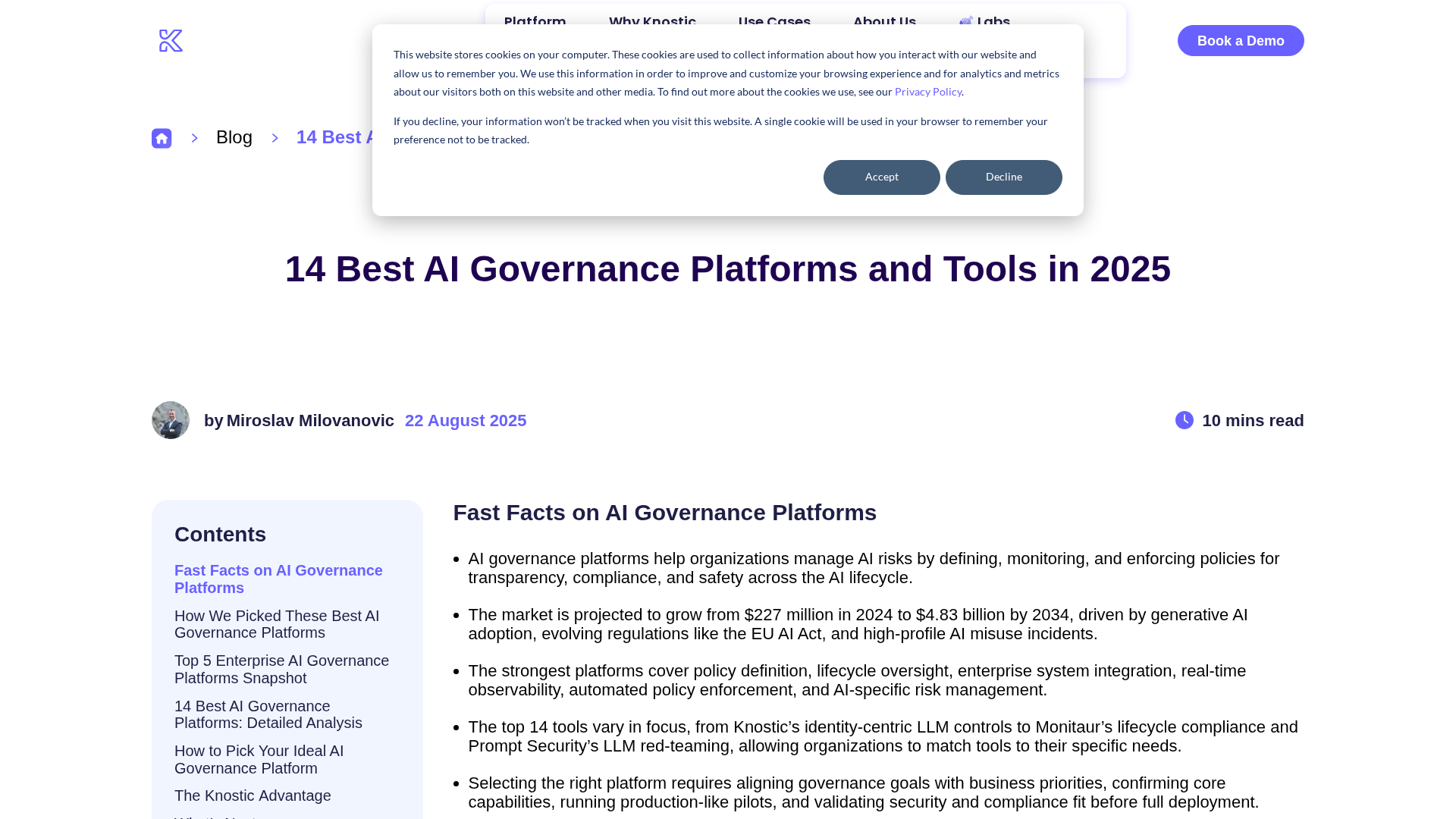
A vendor‑agnostic guide to the 14 best AI governance platforms in 2025, with criteria, comparisons, and practical buying guidance.
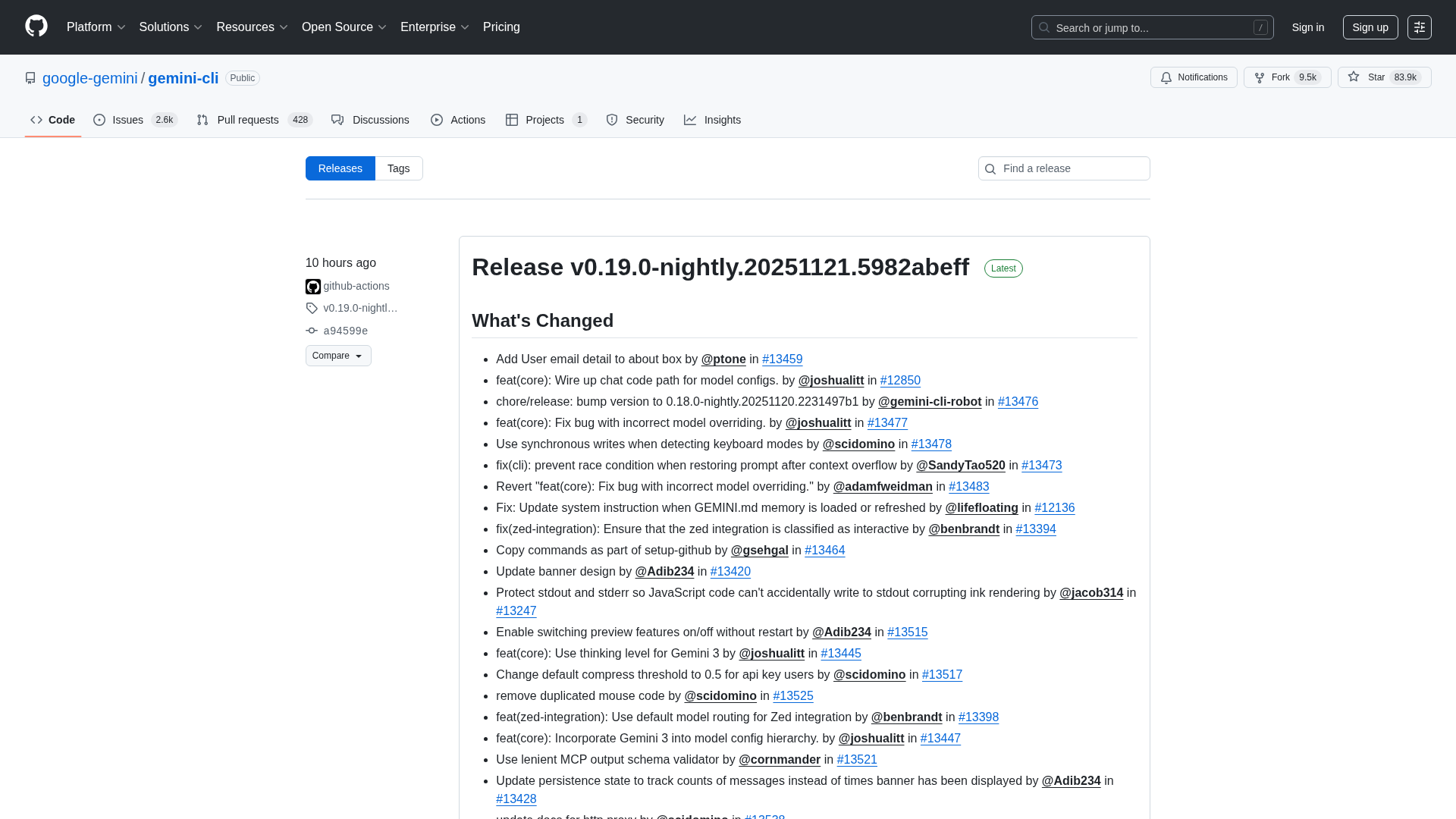
Overview of the Gemini CLI v0.36.0-preview release series, highlighting architectural, CLI, and UI changelogs across multiple pre-release versions.
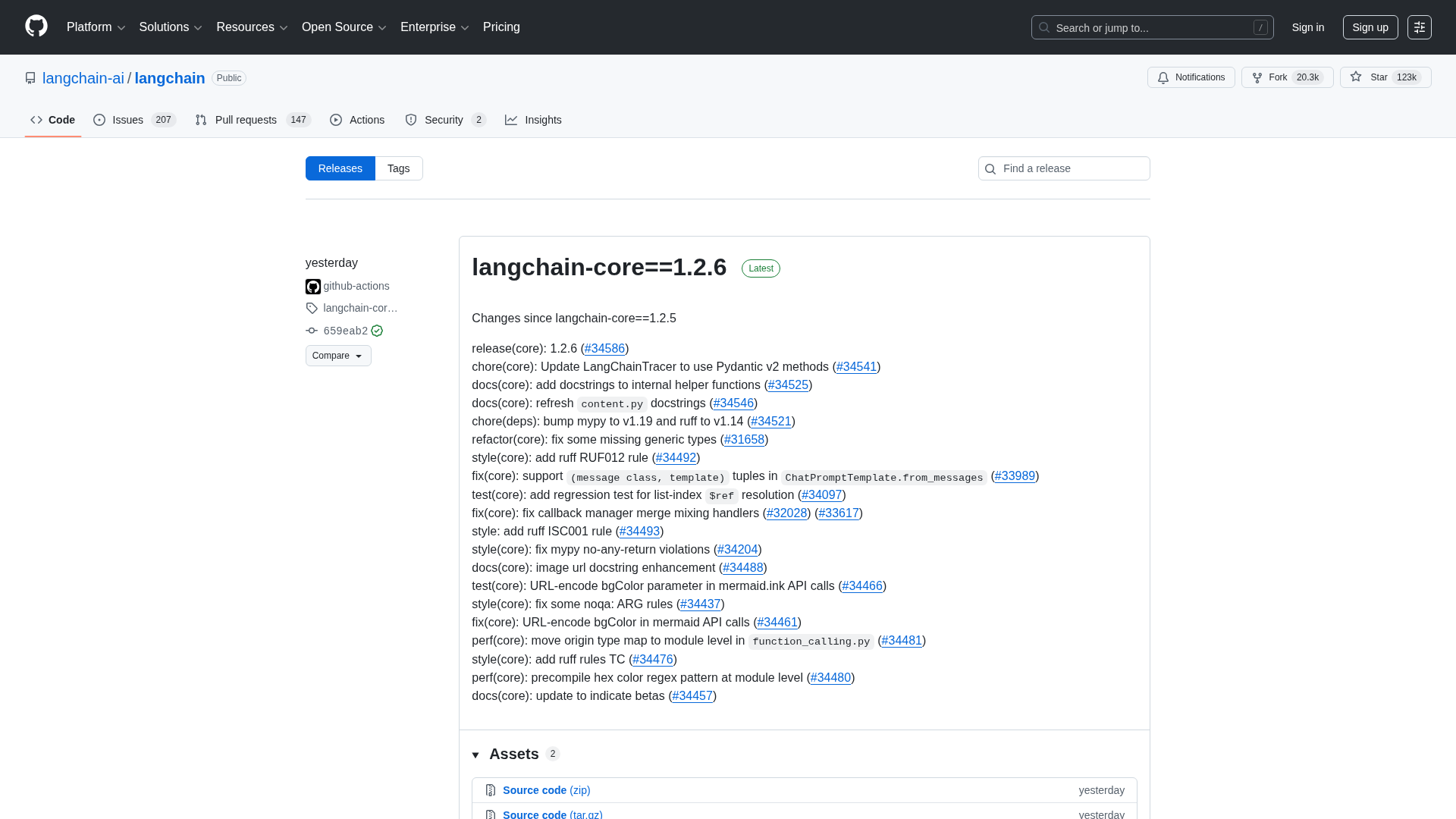
A comprehensive LangChain releases roundup detailing Core 1.2.6 and interconnected updates across XAI, OpenAI, Classic, and tests.
A reproducible bug where LangGraph with Gemini ignores tool results when a PDF is provided, even though the tool call succeeds.
A CLI tool to pull LangSmith traces and threads directly into your terminal for fast debugging and automation.