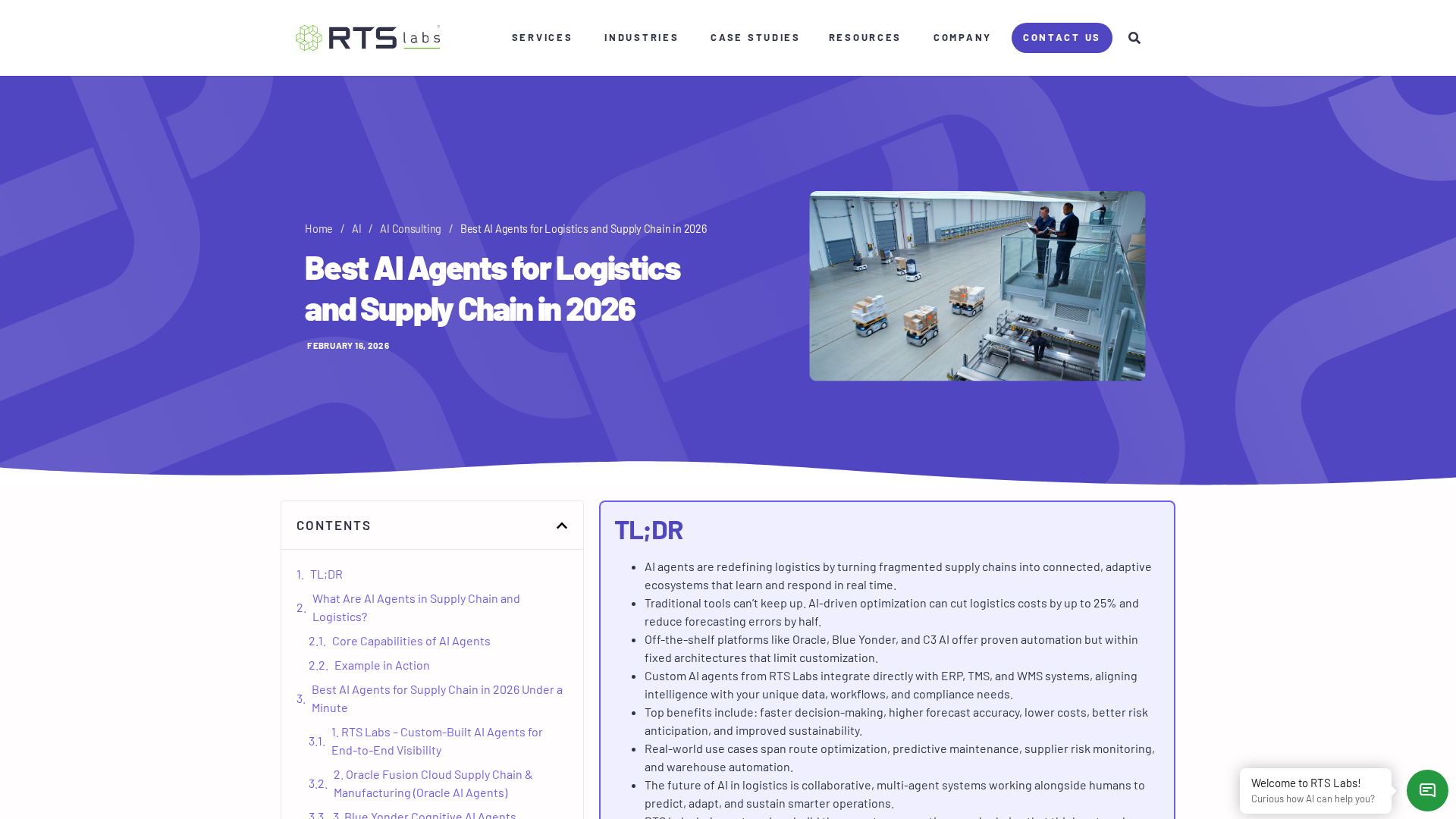
Topic Overview
This topic covers the platforms and tool categories used to build, deploy and orchestrate autonomous AI agents across supply chain and procurement functions. Growing pressure for resilience, cost control and real‑time visibility has accelerated adoption of agent marketplaces, agent frameworks, AI automation platforms and autonomous logistics tools that integrate models, workflows and physical systems. Key offerings span no‑code/low‑code enterprise systems (StackAI) for governed agent deployment; open and self‑hosted agent runtimes (AutoGPT) for experimentation and custom automation; browser‑based quick‑build tools (AgentGPT) for prototyping goal‑driven agents; developer SDK/CLI platforms (GPTConsole) for production lifecycle, memory and event chaining; cloud ML/orchestration services (Vertex AI) for managed model hosting and governance; and robotics/CV intralogistics providers (Gather AI) that digitize warehouses with drones and cameras. Orchestrator platforms in this space coordinate multiple agents, connect agents to ERP/WMS/TMS and procurement systems, and add policy, monitoring and audit trails for compliance. Current trends (through 2026) include hybrid deployment patterns (cloud + edge), tighter integrations between agents and enterprise systems, the rise of agent marketplaces for reusable automations, and increased emphasis on governance, data lineage and cost/latency controls. Practical supply‑chain applications include autonomous inventory audits, automated supplier risk scoring and RFP drafting, dynamic replenishment, and orchestration of mixed human/machine workflows. Adoption considerations focus on integration complexity, security and data privacy, model governance, measurable ROI and operational monitoring. Selecting platforms requires balancing speed of prototyping, developer control, enterprise governance and physical‑world safety when agents interact with logistic hardware.
Tool Rankings – Top 6

End-to-end no-code/low-code enterprise platform for building, deploying, and governing AI agents that automate work onun

Platform to build, deploy and run autonomous AI agents and automation workflows (self-hosted or cloud-hosted).

A browser-based platform to create and deploy autonomous AI agents with simple goals.

Unified, fully-managed Google Cloud platform for building, training, deploying, and monitoring ML and GenAI models.

Developer-focused platform (SDK, API, CLI, web) to create, share and monetize production-ready AI agents.

AI-driven intralogistics platform using autonomous drones and computer vision to digitize warehouses and provide real‑t
Latest Articles (33)
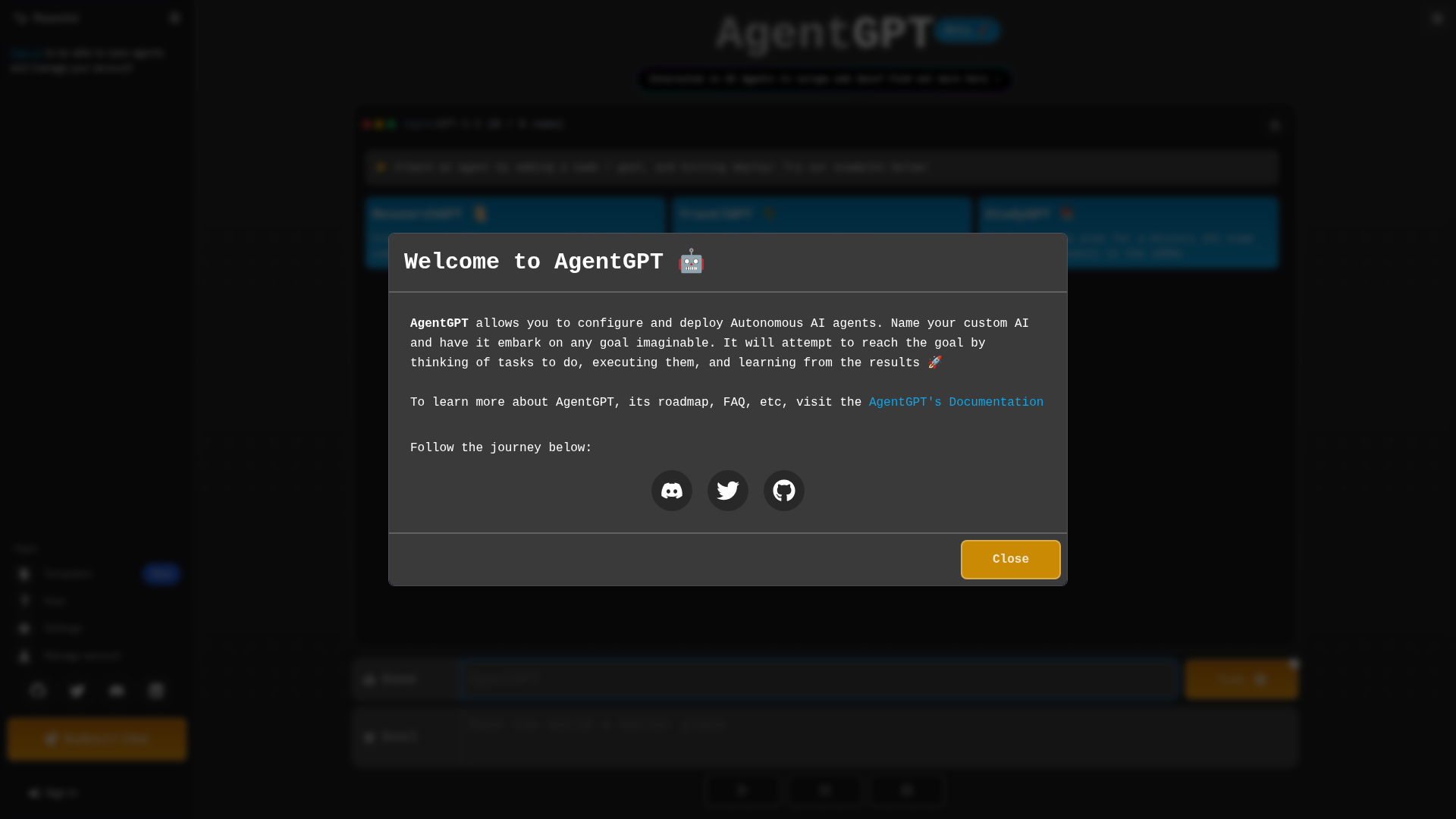
A browser-based platform to create and deploy autonomous AI agents with simple prompts.
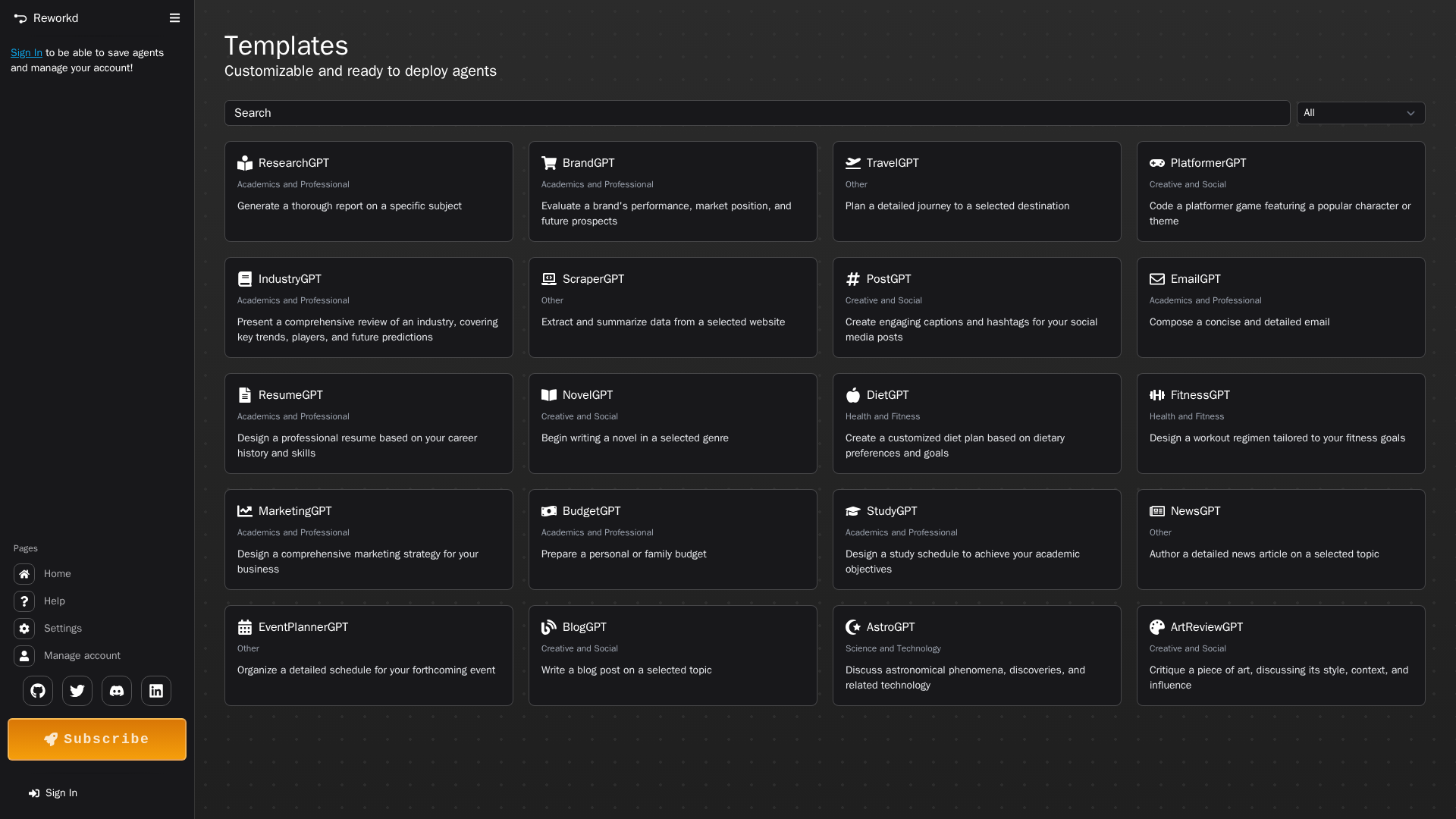
A catalog of customizable in-browser AI agents ready to deploy for research, planning, creativity, health, and more.
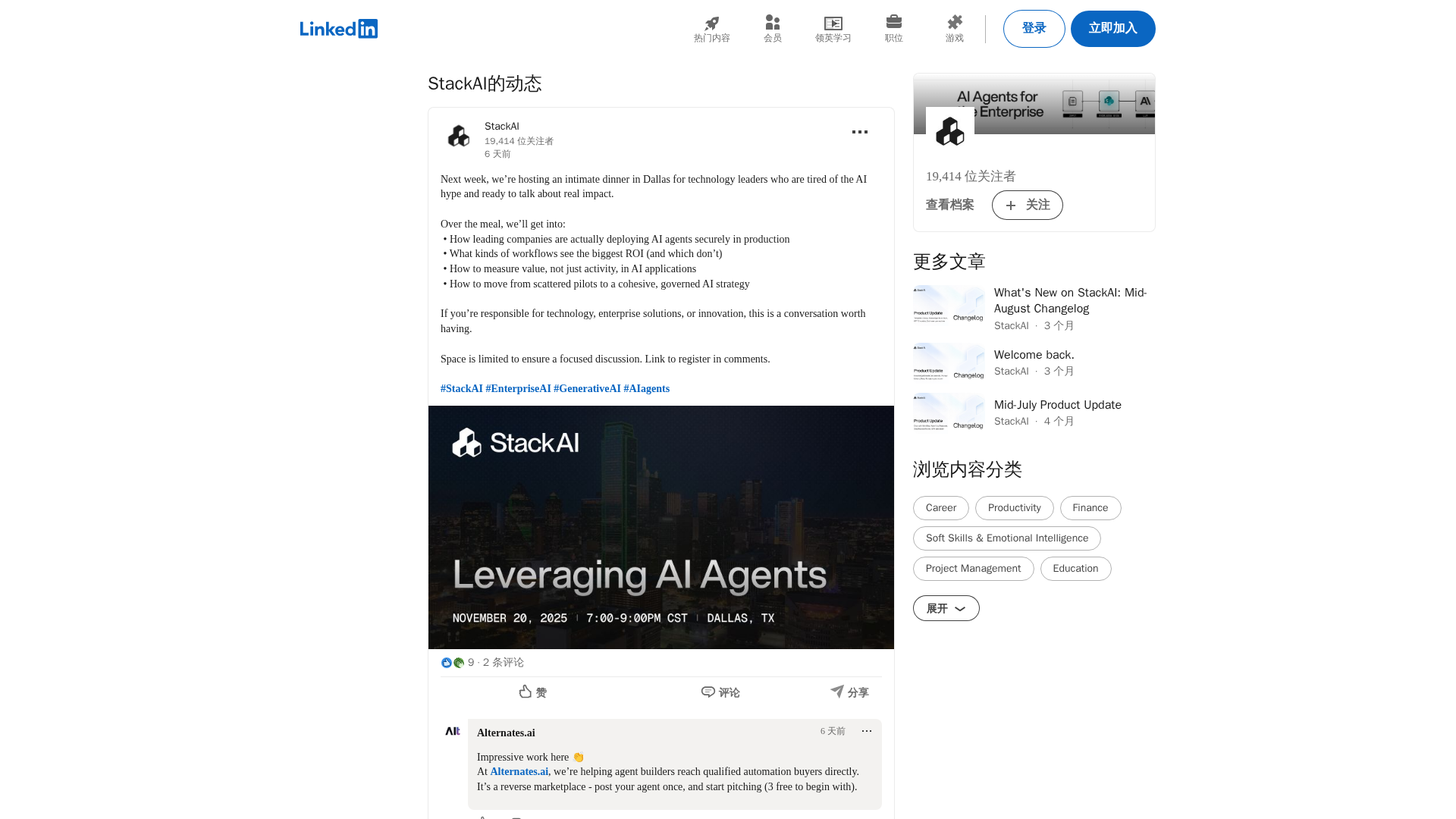
Exclusive Dallas dinner for tech leaders to discuss secure AI agents, ROI-focused workflows, and governance-driven AI strategy.
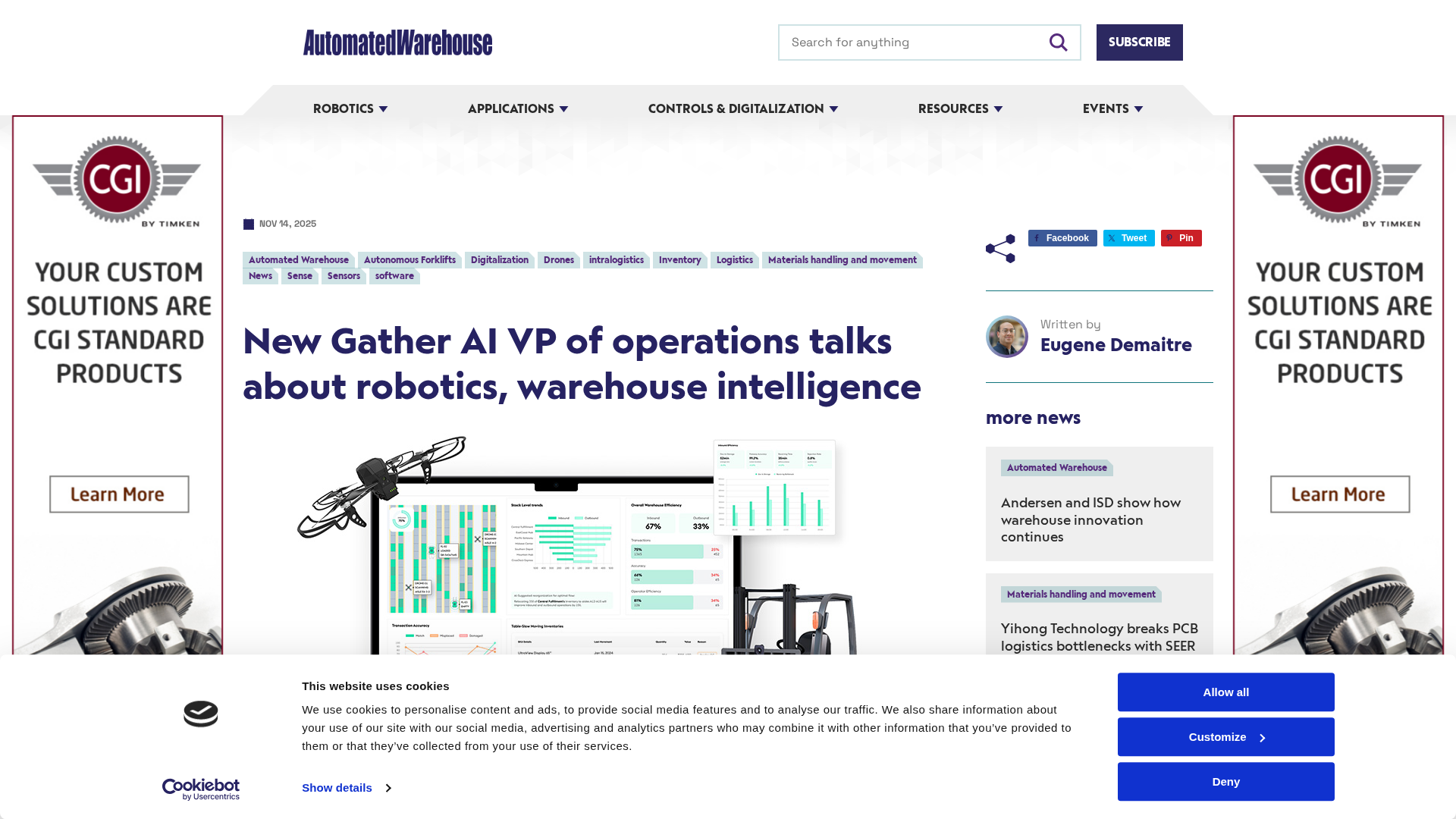
Gather AI appoints Joseph Mirabile as VP of Operations to scale robotics and warehouse intelligence.
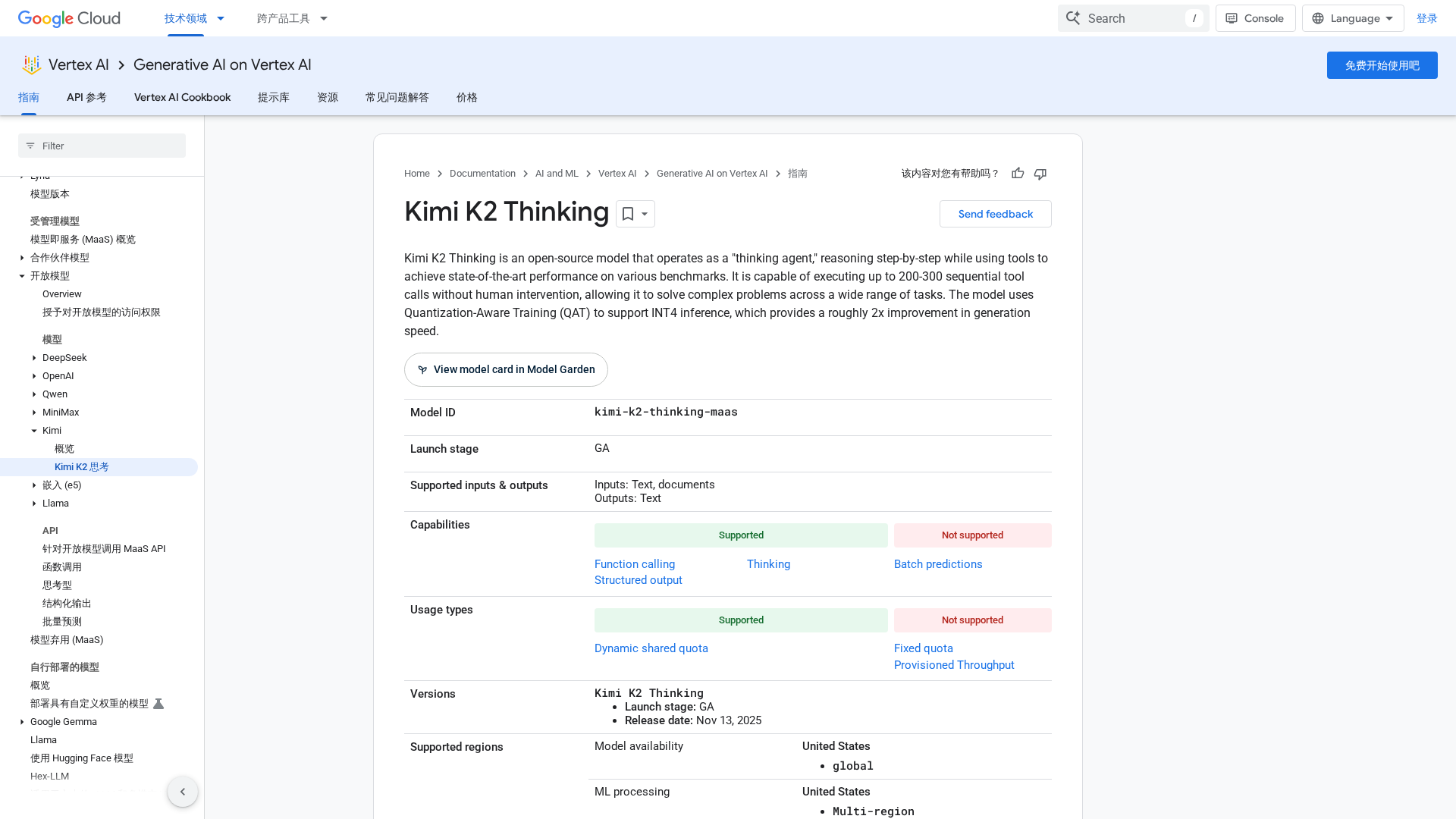
An open-source thinking agent on Vertex AI that performs long chain-of-thought reasoning with autonomous tool use and INT4-accelerated inference.