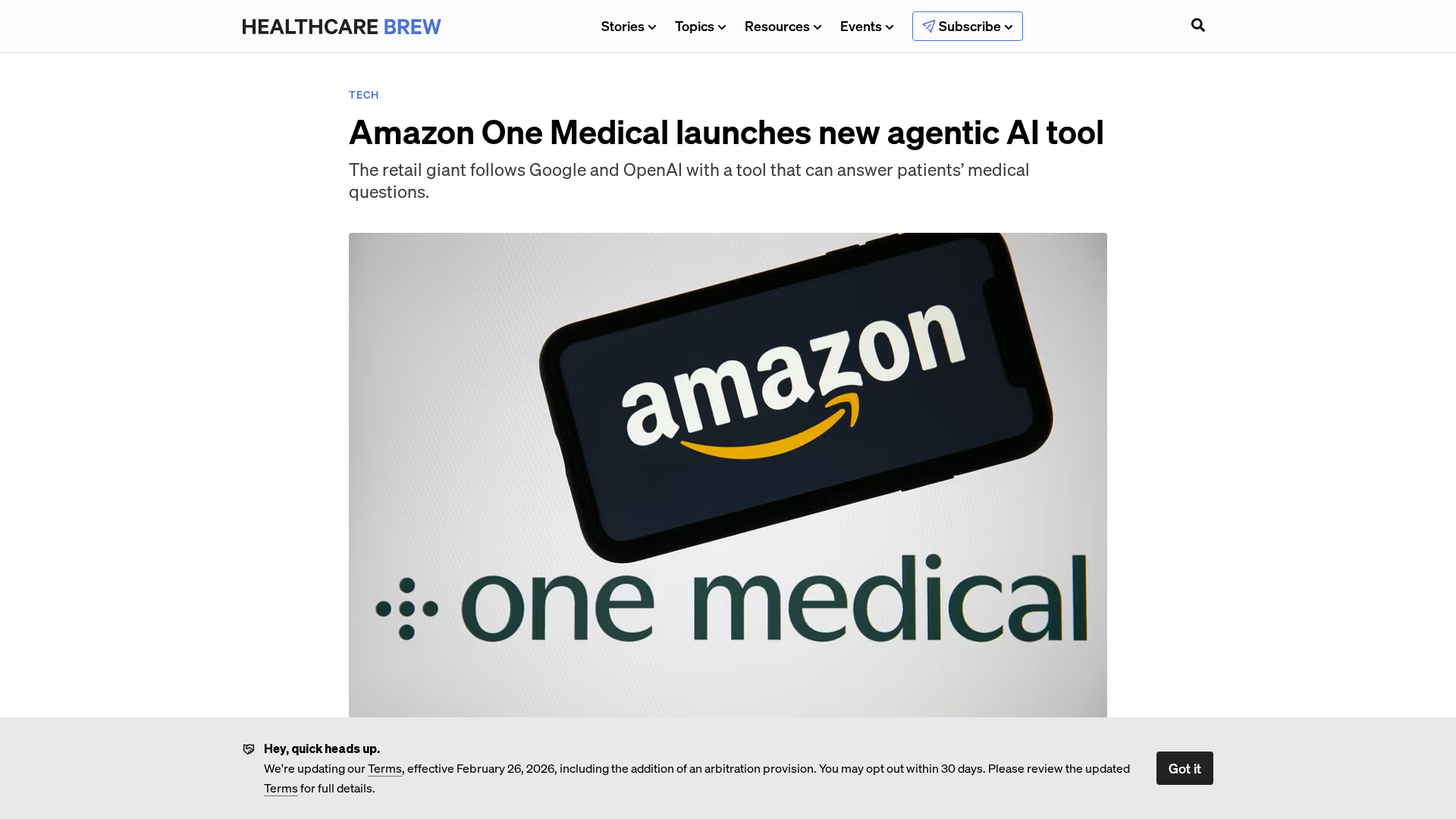
Topic Overview
This topic contrasts consumer-oriented ‘Health AI’ assistants (exemplified by Amazon/One Medical–style patient assistants) with enterprise health agents built for clinical documentation and operational workflows. Patient-facing assistants prioritize front‑end tasks — symptom triage, appointment scheduling, medication reminders and basic conversational guidance — to improve access and patient experience. Enterprise agents focus on clinical documentation, coding, EHR integration, multi‑agent orchestration, auditability and regulatory compliance. The distinction matters because different technical and governance stacks are required. Enterprise platforms such as IBM watsonx Assistant and Kore.ai provide no‑code to pro‑code tools for building virtual agents and orchestrating multi‑agent workflows with observability and governance. Cloud platforms like Google’s Vertex AI and model families such as Google Gemini offer managed training, deployment and multimodal capabilities for production systems. Model vendors like Cohere and Mistral AI supply private, customizable and efficiency‑focused models (embeddings, retrieval, fine‑tuning) to enable domain adaptation and data residency. These pieces are commonly combined to power clinical documentation automation, RAG (retrieval‑augmented generation) for EHR retrieval, and transcription‑to‑note pipelines. As of 2026 this comparison is timely: health systems face clinician burnout and documentation burdens that push adoption of AI documentation tools, while regulators and CIOs demand provenance, performance monitoring and patient data protections. Key evaluation criteria include integration with EHRs, hallucination mitigation, explainability and audit trails, privacy/compliance controls, and operational observability. Understanding the tradeoffs between consumer convenience and enterprise controls helps health organizations choose or compose assistants that balance patient experience, clinical safety and enterprise governance.
Tool Rankings – Top 6

Enterprise virtual agents and AI assistants built with watsonx LLMs for no-code and developer-driven automation.

Enterprise AI agent platform for building, deploying and orchestrating multi-agent workflows with governance, observabil

Unified, fully-managed Google Cloud platform for building, training, deploying, and monitoring ML and GenAI models.

Enterprise-focused LLM platform offering private, customizable models, embeddings, retrieval, and search.

Enterprise-focused provider of open/efficient models and an AI production platform emphasizing privacy, governance, and

Google’s multimodal family of generative AI models and APIs for developers and enterprises.
Latest Articles (71)
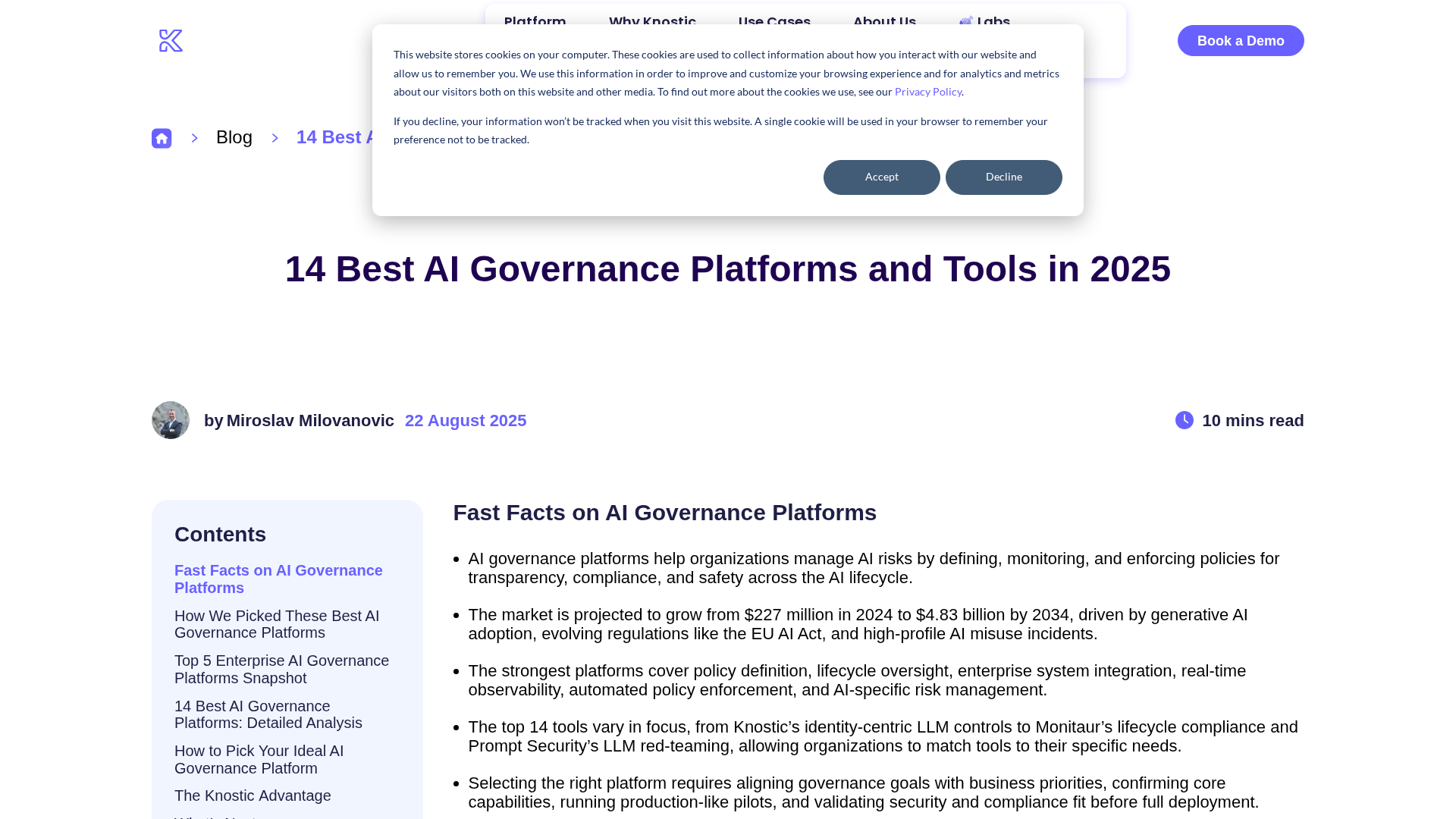
A vendor‑agnostic guide to the 14 best AI governance platforms in 2025, with criteria, comparisons, and practical buying guidance.
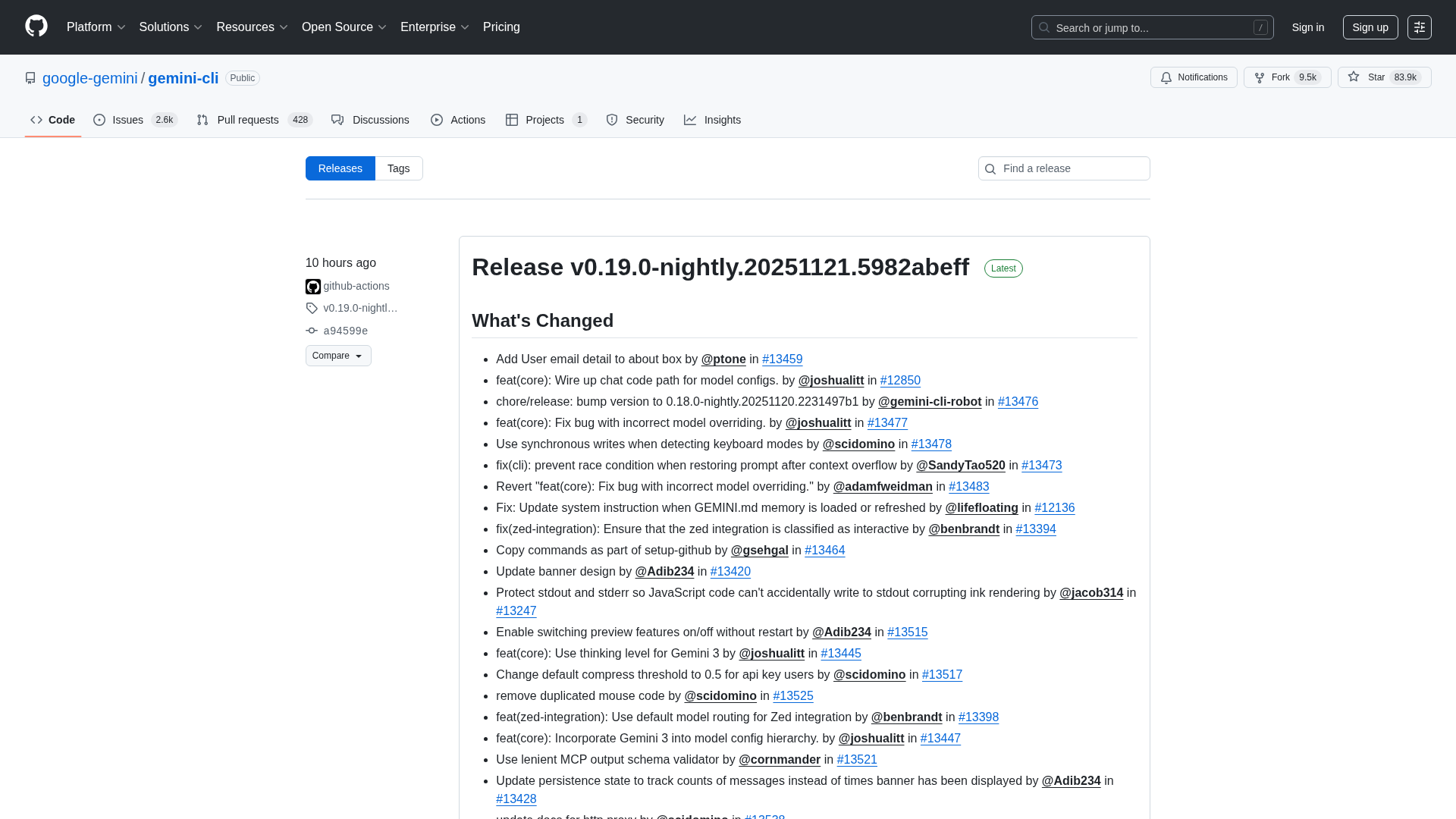
Overview of the Gemini CLI v0.36.0-preview release series, highlighting architectural, CLI, and UI changelogs across multiple pre-release versions.
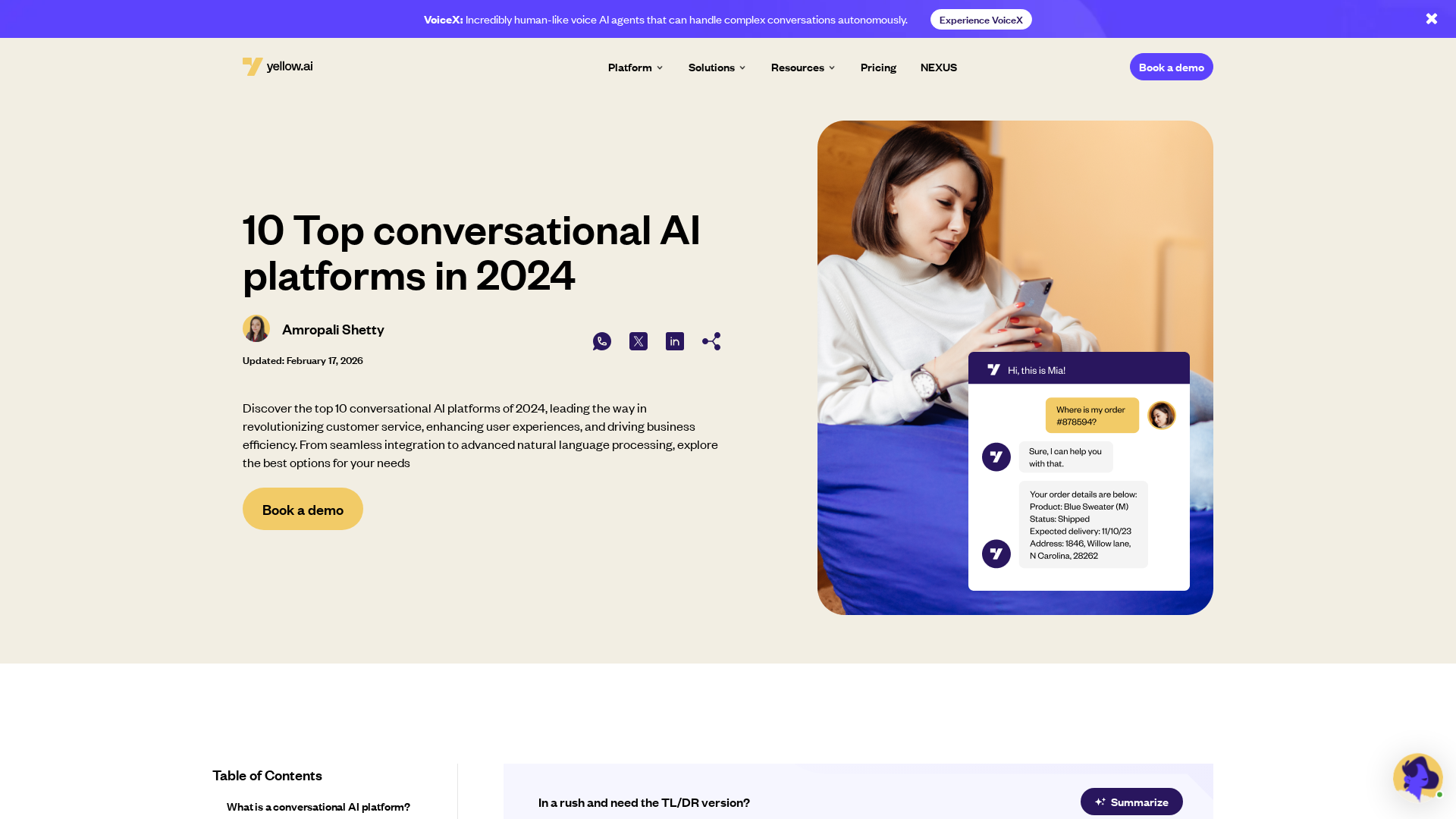
A concise guide to the top 10 conversational AI platforms in 2024, with features, benefits, and use cases.
In-depth look at Gemini 3 Pro benchmarks across reasoning, math, multimodal, and agentic capabilities with implications for building AI agents.

Adobe nears a $19 billion deal to acquire Semrush, expanding its marketing software capabilities, according to WSJ reports.