Topic Overview
This topic compares context‑aware personal AI assistants—consumer and enterprise systems that use user data, app integrations, and multimodal models to answer questions, automate tasks, and surface personalized recommendations. By 2026, the market centers on several technical building blocks: multimodal foundation models (e.g., Google Gemini, Claude family, ChatGPT variants) that handle text, images and code; cloud ML platforms (Google Vertex AI, Cohere) that provide private models, embeddings, and retrieval; embedded/OS‑level assistants (including Apple’s Answer Engine efforts) focused on on‑device privacy; and agent builders/orchestration platforms (Minded/Agentsforce, IBM watsonx Assistant) that let teams design workflows, test behaviors, and deploy virtual agents at scale. Relevance and timing: demand for assistants that understand a user’s personal context—documents, calendar, email, enterprise data—has increased, driving integration across productivity suites (Microsoft 365 Copilot, Notion) and enterprise stacks. Key trends shaping choices are retrieval‑augmented generation for accuracy, multimodal inputs for richer context, on‑device and enterprise privacy controls, and no‑code or developer APIs for customization. Organizations evaluate assistants on model capabilities, data governance, integration breadth, and operational controls (fine‑tuning, monitoring, cost). What to watch when comparing options: model modality and grounding (how the assistant uses user data), integration surface (apps, APIs, plugins), customization & deployment paths (no‑code vs developer SDKs), and governance (privacy, audit trails, access controls). This comparison frames each tool by purpose—foundations (Gemini, Claude, ChatGPT), platform/infrastructure (Vertex AI, Cohere), workspace/productivity integration (Microsoft 365 Copilot, Notion), and agent builders/enterprise deployment (Minded, IBM watsonx)—to help readers choose based on technical needs and data‑security requirements.
Tool Rankings – Top 6

Google’s multimodal family of generative AI models and APIs for developers and enterprises.
Anthropic's Claude family: conversational and developer AI assistants for research, writing, code, and analysis.
AI assistant integrated across Microsoft 365 apps to boost productivity, creativity, and data insights.

Enterprise virtual agents and AI assistants built with watsonx LLMs for no-code and developer-driven automation.

Platform to generate, visually edit, test, and deploy enterprise-ready AI agents with code customization and team ADLC.

Enterprise-focused LLM platform offering private, customizable models, embeddings, retrieval, and search.
Latest Articles (91)
A vendor‑agnostic guide to the 14 best AI governance platforms in 2025, with criteria, comparisons, and practical buying guidance.
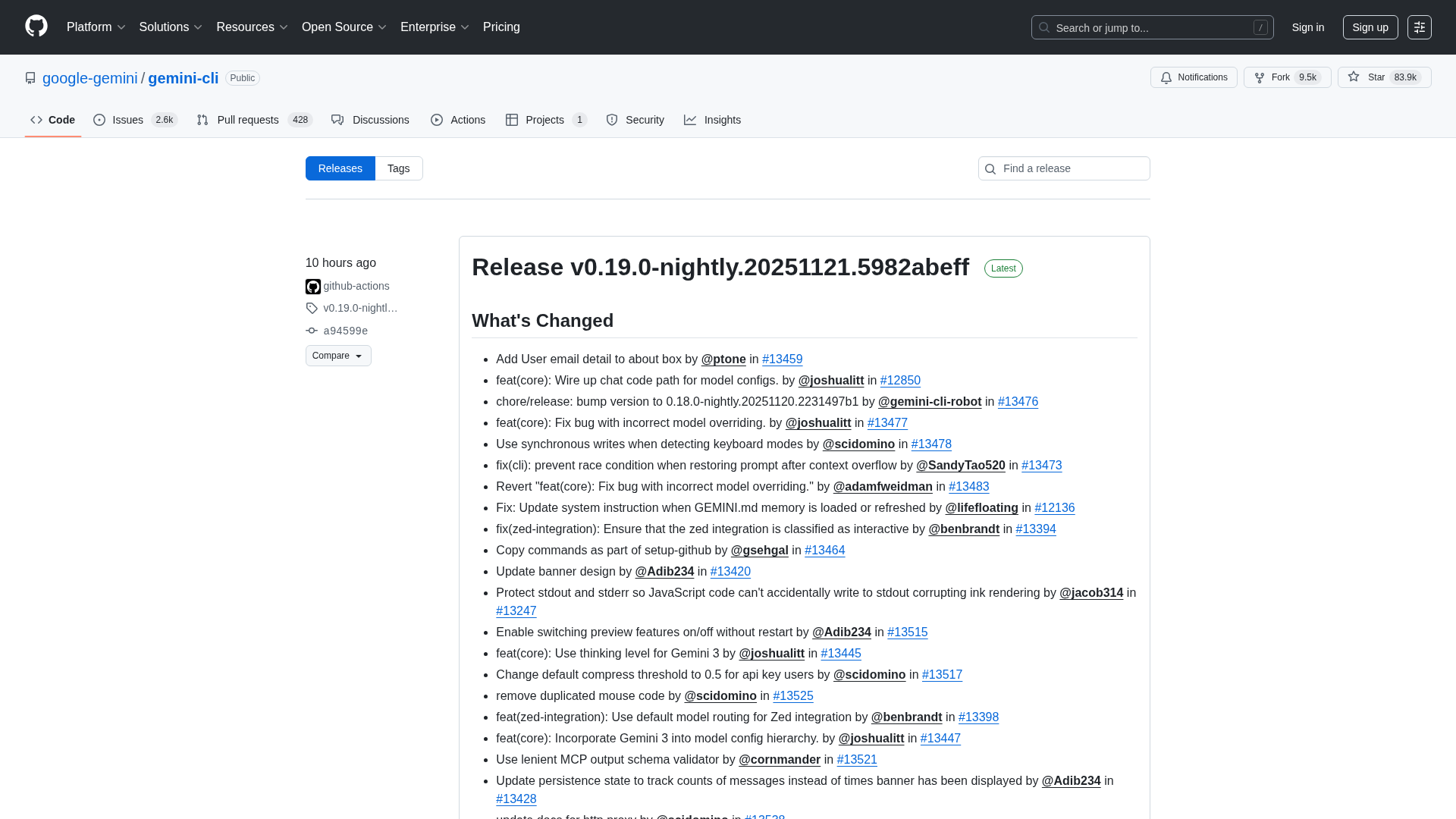
Overview of the Gemini CLI v0.36.0-preview release series, highlighting architectural, CLI, and UI changelogs across multiple pre-release versions.
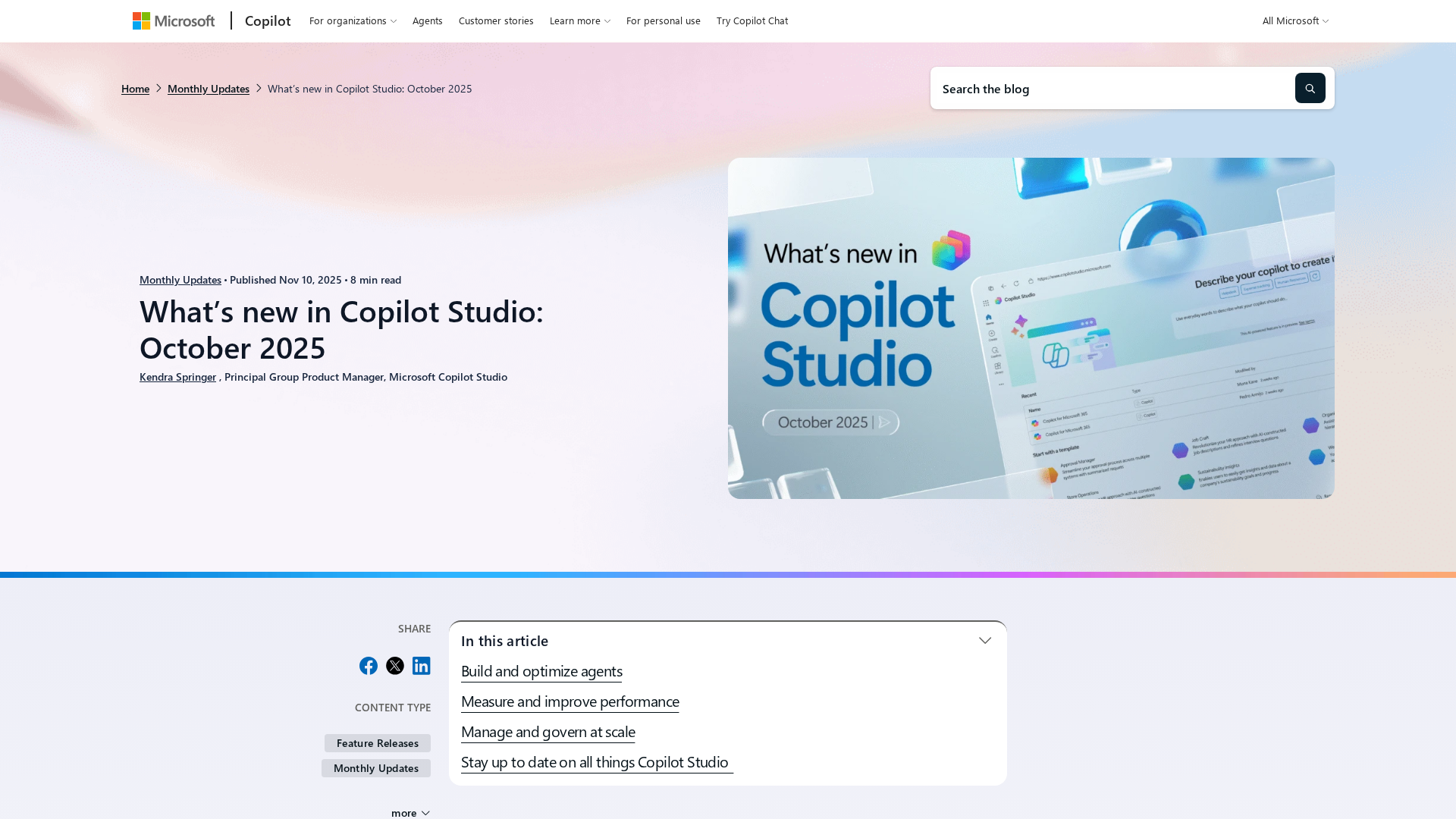
A comprehensive October 2025 roundup of Copilot Studio’s new testing, model, and governance features.

Adobe nears a $19 billion deal to acquire Semrush, expanding its marketing software capabilities, according to WSJ reports.
Wolters Kluwer expands UpToDate Expert AI with UpToDate Lexidrug to bolster drug information and medication decision support.