
Topic Overview
This topic compares two latency-optimized consumer assistants—Google’s Gemini 3 Flash and Anthropic’s Claude Opus 4.5—focusing on responsiveness, multimodal ability, integration paths, and practical trade‑offs. Both models represent a 2025 trend toward “flash” and “opus” variants that prioritize low latency and high throughput for real‑time chat, voice, and mixed media interactions while remaining accessible via cloud APIs and embedded SDKs. Google’s Gemini family brings multimodal input and broad developer access through Google AI Studio and Vertex AI; the Gemini 3 Flash variant is positioned for fast interactive use. Anthropic’s Claude family centers on conversational assistance for writing, analysis, and coding; Opus 4.5 emphasizes quick turnarounds and conversational continuity. Evaluating these assistants requires looking beyond raw speed: key dimensions include latency and throughput, effective context window, multimodal processing, grounded web sourcing, hallucination and safety behavior, privacy and deployment options (cloud vs on‑device), and integration effort with tools like Microsoft 365 Copilot, Perplexity, and Notion. In enterprise and platform contexts, alternatives such as Cohere, IBM watsonx Assistant, and Kore.ai highlight customization, governance, and multi‑agent orchestration rather than consumer latency alone. Current 2025 trends motivating this comparison include advances in quantization and distillation, retrieval‑augmented generation for up‑to‑date grounded answers, and stronger guardrails and privacy controls. Choosing between Gemini 3 Flash and Claude Opus 4.5 depends on where you prioritize instant responsiveness versus deeper reasoning, multimodal fidelity, and integration with existing productivity or enterprise stacks. Practical tests—real-world latency measurements, downstream task accuracy, and integration complexity—remain essential for decision making.
Tool Rankings – Top 6

Google’s multimodal family of generative AI models and APIs for developers and enterprises.
Anthropic's Claude family: conversational and developer AI assistants for research, writing, code, and analysis.
AI assistant integrated across Microsoft 365 apps to boost productivity, creativity, and data insights.
AI-powered answer engine delivering real-time, sourced answers and developer APIs.
A single, block-based AI-enabled workspace that combines docs, knowledge, databases, automation, and integrations to sup

Enterprise-focused LLM platform offering private, customizable models, embeddings, retrieval, and search.
Latest Articles (100)
A vendor‑agnostic guide to the 14 best AI governance platforms in 2025, with criteria, comparisons, and practical buying guidance.
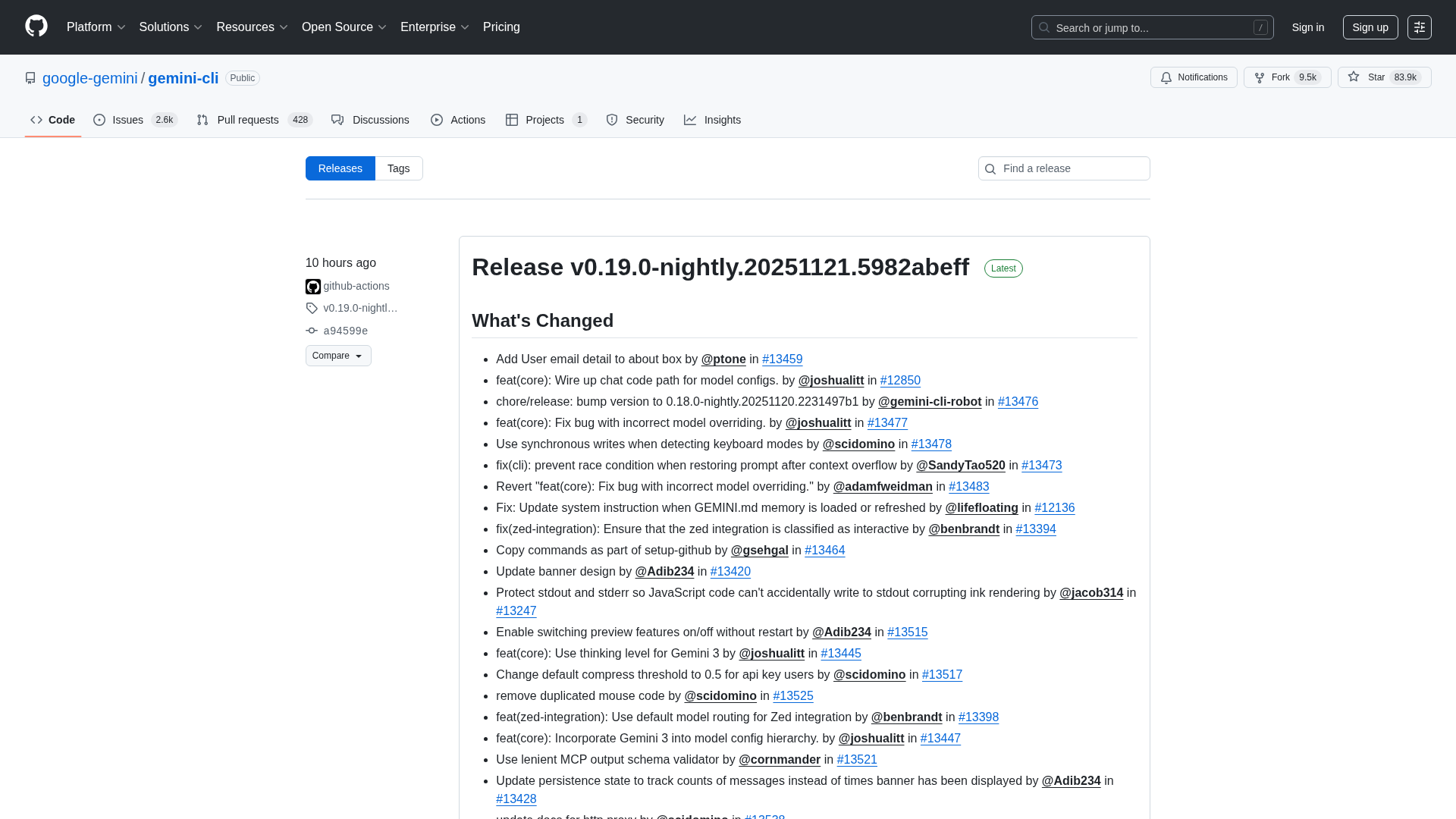
Overview of the Gemini CLI v0.36.0-preview release series, highlighting architectural, CLI, and UI changelogs across multiple pre-release versions.
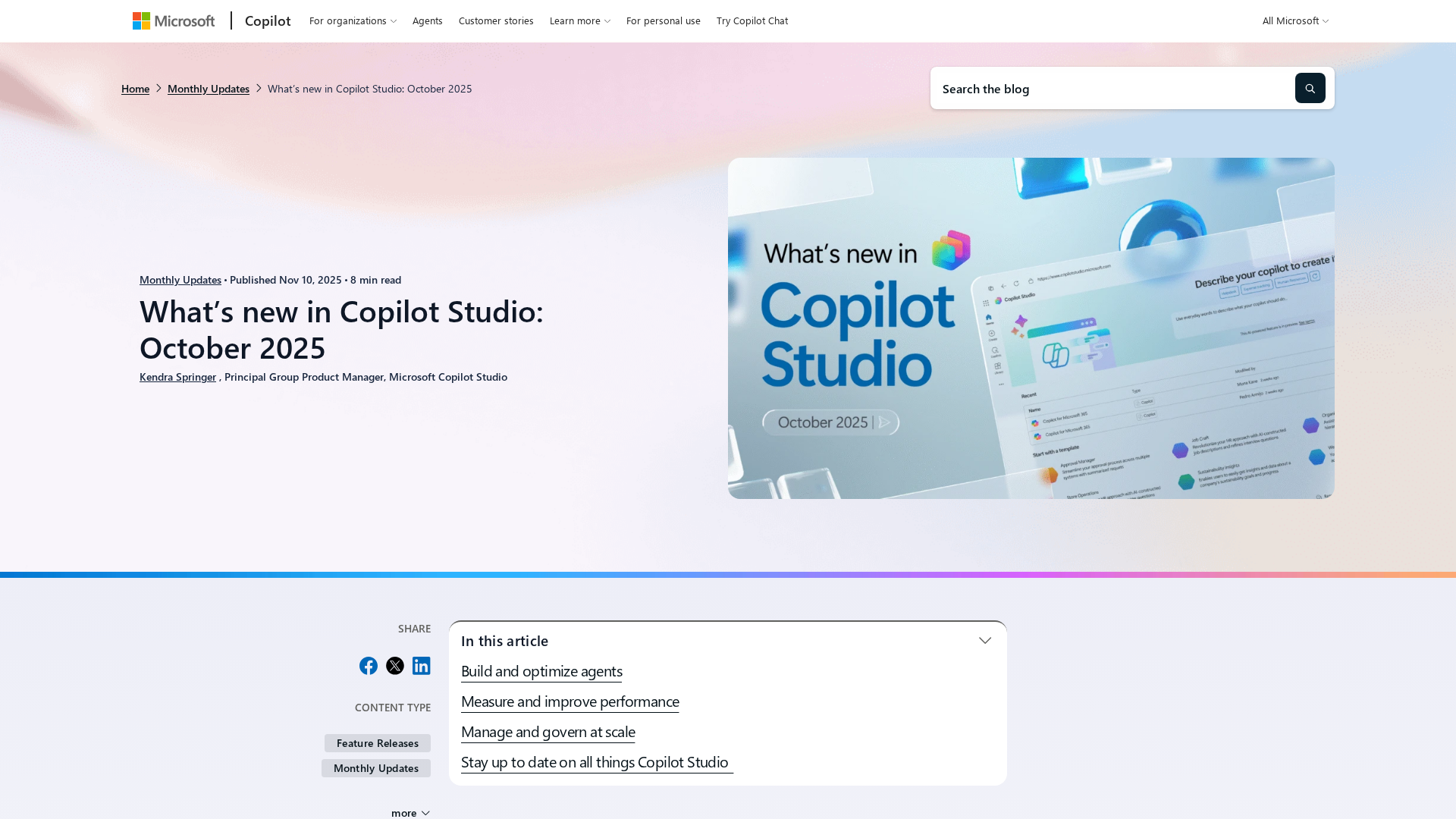
A comprehensive October 2025 roundup of Copilot Studio’s new testing, model, and governance features.
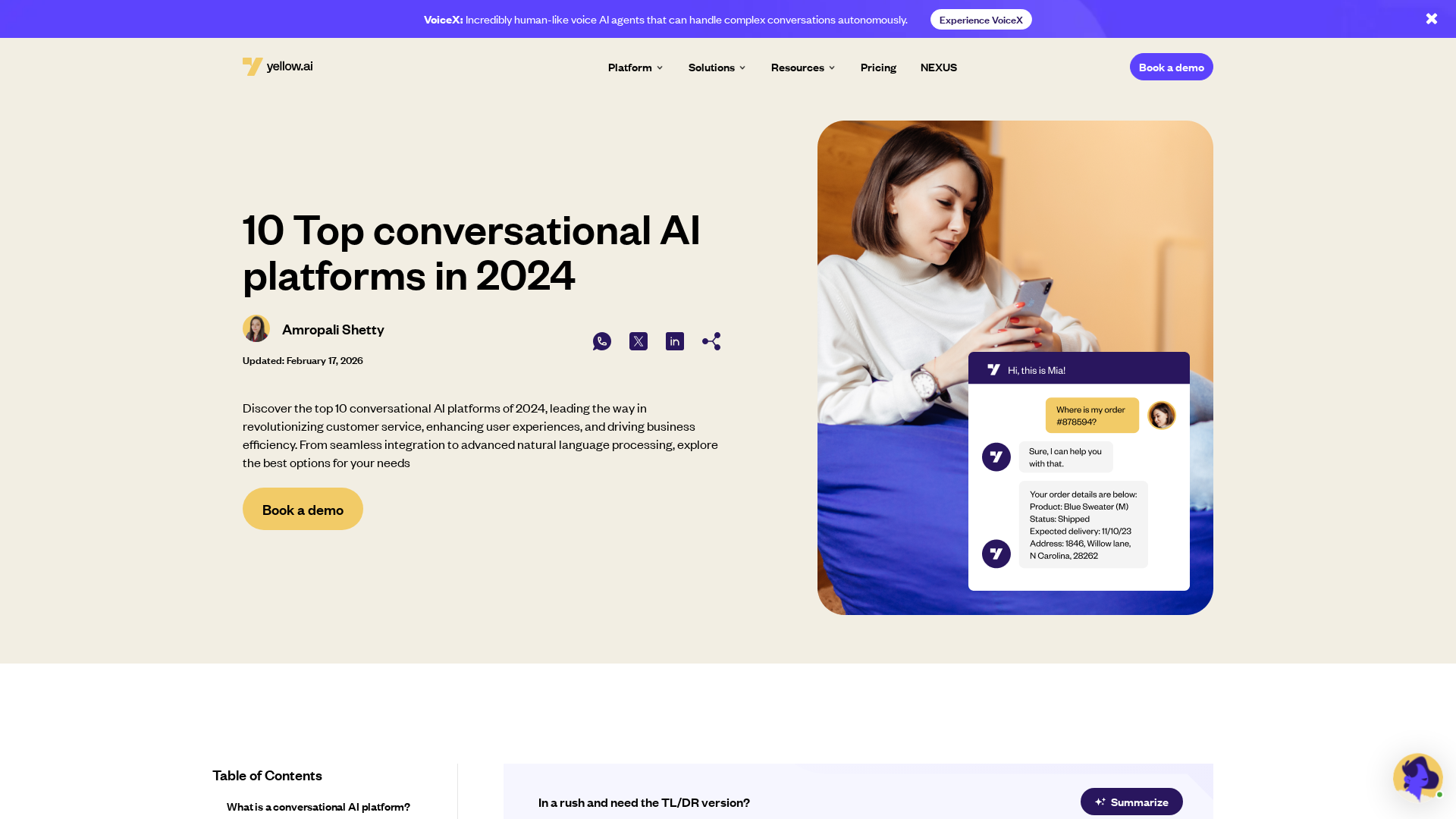
A concise guide to the top 10 conversational AI platforms in 2024, with features, benefits, and use cases.
In-depth look at Gemini 3 Pro benchmarks across reasoning, math, multimodal, and agentic capabilities with implications for building AI agents.